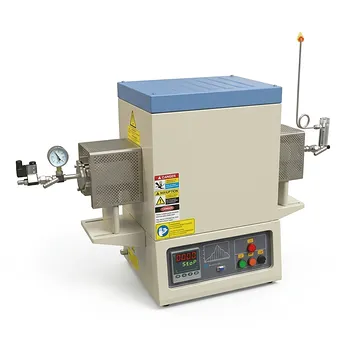
How is carbothermal reduction achieved using a high-temperature tube furnace in the preparation of Fe-BC hybrid fillers?
Updated 3 months ago
Carbothermal reduction in Fe-BC synthesis is achieved by heating iron-impregnated biochar to a stable 800°C within a controlled furnace environment. This thermal energy triggers a chemical reaction where the carbon in the biochar acts as a reducing agent, stripping oxygen from loaded ferric nitrate precursors to form metallic iron nanoseeds and magnetic phases.
The high-temperature tube furnace serves as the critical reaction vessel that provides the precise thermal field and inert atmosphere necessary for carbon to chemically reduce iron salts. This transformation is essential for embedding magnetic properties into the biochar framework, enabling the material to regulate electromagnetic waves.
The Mechanics of Carbothermal Reduction
Carbon as the Active Reducing Agent
In this process, the biochar is not merely a substrate but a functional reactant. The carbon skeleton of the biochar reacts directly with the loaded ferric nitrate precursors, facilitating the oxygen-stripping process required to reduce the metal.
The 800°C Thermal Threshold
A high-temperature tube furnace is required to maintain a stable thermal field at 800°C. This specific temperature provides the activation energy necessary for the carbon to break the chemical bonds within the iron precursors and initiate the growth of metallic iron nanoseeds.
Formation of Magnetic Phases
As the reduction progresses, the iron nanoseeds transform into specific magnetic phases, such as hematite or metallic iron. These phases are distributed throughout the biochar, giving the resulting hybrid filler the ability to interact with and regulate electromagnetic waves.
The Role of the Tube Furnace Environment
Maintaining an Oxygen-Deprived Atmosphere
The tube furnace uses a sealed environment, often involving a quartz tube, to maintain a strictly controlled inert atmosphere using gases like nitrogen or argon. This isolation is vital to prevent the carbon from burning away and to stop the newly reduced iron from re-oxidizing back into non-magnetic forms.
Precision Programmable Heating
Modern tube furnaces utilize multi-stage programmable temperature control to manage the synthesis. This allows for specific stages, such as pre-calcination to remove volatiles followed by formal sintering, ensuring a uniform distribution of iron particles within the biochar pores.
Structural Rearrangement of Carbon
Beyond the reduction of iron, the extreme heat provided by the furnace promotes the thermal desorption of oxygen-containing functional groups. This leads to a rearrangement of the biochar’s carbon structure, which can enhance the material's overall stability and electrochemical activity.
Understanding the Trade-offs and Pitfalls
Temperature Sensitivity and Over-Sintering
While high temperatures are necessary for reduction, exceeding the optimal range (e.g., going toward 1000°C or 1100°C) can cause excessive particle growth. This reduces the surface area of the iron nanoseeds, potentially degrading the filler's performance in electromagnetic applications.
Atmospheric Purity Risks
Any leakage of oxygen into the furnace tube during the 800°C soak will result in the oxidation of divalent iron to trivalent iron. This failure to maintain an inert environment effectively halts the carbothermal reduction and ruins the magnetic properties of the Fe-BC hybrid.
Precursor Distribution Issues
If the ferric nitrate is not uniformly impregnated into the biochar before furnace treatment, the carbothermal reduction will be inconsistent. This leads to "hot spots" of iron clusters and areas of raw biochar, resulting in a hybrid filler with unpredictable electromagnetic shielding capabilities.
How to Apply This to Your Project
When preparing Iron/Biochar hybrid fillers, your furnace settings and preparation steps should align with your specific performance targets.
- If your primary focus is Maximum Magnetic Response: Ensure a strict 800°C soak temperature and use high-purity argon to maximize the conversion of precursors into metallic iron phases.
- If your primary focus is High Surface Area: Utilize a slower heating rate (e.g., 5°C/min) to prevent the rapid collapse of biochar pores during the carbonization and reduction phases.
- If your primary focus is Catalyst Stability: Consider multi-stage heating, starting with a lower-temperature pre-calcination stage to stabilize the iron nanoseeds before the final high-temperature reduction.
By precisely controlling the thermal and atmospheric variables of the tube furnace, you can transform simple biomass into a sophisticated, magnetic electromagnetic regulator.
Summary Table:
| Parameter | Optimal Condition | Role in Carbothermal Reduction |
|---|---|---|
| Temperature | 800°C | Provides activation energy for bond breaking and iron nanoseed growth. |
| Atmosphere | Inert (N2 or Ar) | Prevents carbon combustion and re-oxidation of metallic iron phases. |
| Reducing Agent | Biochar Carbon | Acts as the oxygen stripper for ferric nitrate precursors. |
| Heating Rate | ~5°C/min | Controls particle size and prevents the collapse of biochar pores. |
| Equipment | Tube Furnace | Ensures a sealed, stable thermal field and programmable atmosphere control. |
Precision Thermal Solutions for Advanced Material Synthesis
At THERMUNITS, we specialize in providing the precise thermal environments necessary for complex processes like carbothermal reduction. As a leading manufacturer of high-temperature laboratory equipment, we support material science and industrial R&D teams in achieving superior results for magnetic fillers and beyond.
Our comprehensive range of thermal solutions includes:
- High-Temperature Tube Furnaces (ideal for Fe-BC synthesis)
- Vacuum & Atmosphere Furnaces
- CVD/PECVD Systems
- Muffle, Rotary, & Hot Press Furnaces
- Vacuum Induction Melting (VIM) & Dental Furnaces
Ready to enhance your lab's efficiency and material performance?
Contact THERMUNITS today to consult with our experts on the perfect furnace configuration for your specific research needs.
References
- Salvatore Scavuzzo, Mattia Bartoli. Miscanthus-Derived Biochar as a Platform for the Production of Fillers for the Improvement of Mechanical and Electromagnetic Properties of Epoxy Composites. DOI: 10.3390/c10030081
Mentioned Products
- High Temperature Tube Furnace 1500C with Sliding Flanges and 50mm OD for Rapid Thermal Processing Fast Heating and Cooling
- High Temperature 1700C Tube Furnace with High Vacuum Turbomolecular Pump System and Multi Channel Mass Flow Controller Gas Mixer
- 1750°C High Temperature Benchtop Vacuum Atmosphere Tube Furnace with Kanthal Super 1800 Heating Elements and 60mm Alumina Processing Tube
- High Temperature 1700C Benchtop Tube Furnace with 5 Inch Heating Zone High Purity Alumina Tube and Vacuum Sealing Flanges
- 1700C High Temperature Alumina Tube Furnace with 18 Inch Heated Zone and Vacuum Sealing Flanges
People Also Ask
- How are high-temperature tube furnaces utilized to repair etching damage? Precision Lattice Restoration Solutions
- What role does a high-temperature tube furnace play in CVD synthesis of silicon nanowires? Master VLS Growth Precision.
- What core conditions does a high-temperature tube furnace provide for rGO aerogels? Mastering Precision Synthesis.
- What role does a high-temperature tube furnace play in the sulfidation heat treatment of CoS@C/MXene nanocomposites? Guide
- How does precision tube furnace control influence CoFe nanoparticle formation? Master Your Bimetallic Synthesis.

Tech Team · ThermUnits
Last updated on Jun 02, 2026
Related Products

High Temperature Tube Furnace 1500C with Sliding Flanges and 50mm OD for Rapid Thermal Processing Fast Heating and Cooling

High Temperature 1700C Tube Furnace with High Vacuum Turbomolecular Pump System and Multi Channel Mass Flow Controller Gas Mixer
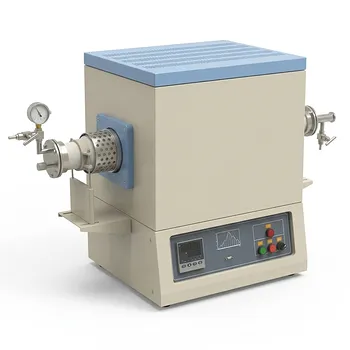
1750°C High Temperature Benchtop Vacuum Atmosphere Tube Furnace with Kanthal Super 1800 Heating Elements and 60mm Alumina Processing Tube

High Temperature 1700C Benchtop Tube Furnace with 5 Inch Heating Zone High Purity Alumina Tube and Vacuum Sealing Flanges
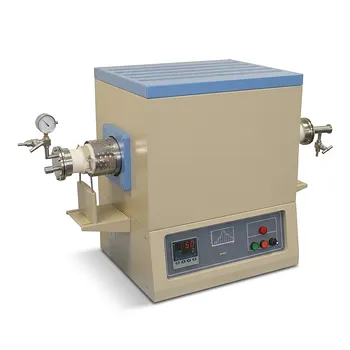
1700C High Temperature Alumina Tube Furnace with 18 Inch Heated Zone and Vacuum Sealing Flanges
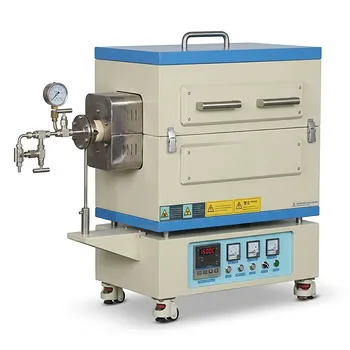
High Temperature Split Tube Furnace 1500C for Material Research Vacuum and Atmosphere Thermal Processing

Compact High Temperature 1600C Tube Furnace with 50mm Alumina Tube and Vacuum Flanges for Material Sintering

1800C High Temperature Compact Vacuum Tube Furnace with 60mm OD Alumina Tube and Kanthal MoSi2 Heating Elements
High Temperature Rocking Tube Furnace 1700°C Alumina Processing Tube with Precision Oscillation for Material Synthesis
High Temperature Three Zone Tube Furnace 1700C with Alumina Tube and Water Cooled Flanges

High Temperature 1700C Vertical Tube Furnace for Powder Spherification and Material Sintering
High Temperature 1700C Tube Furnace with 4 Inch OD Alumina Tube and Vacuum Sealing Flanges
High Temperature 1600C Split Tube Furnace Vacuum Flanges Valves Optional 60mm 80mm Alumina Tube

High Temperature Automated 5 Inch Tube Furnace for Autonomous Material Research and Advanced Laboratory R&D
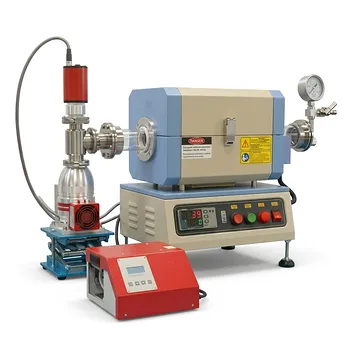
High Vacuum Compact Tube Furnace 1200C with Integrated Turbo Pump System and 8 Inch Heating Zone
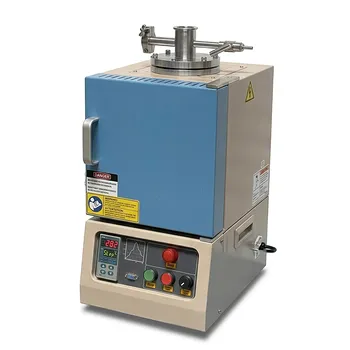
High Temperature Hybrid Muffle and Tube Furnace with Vacuum Capability and PID Control
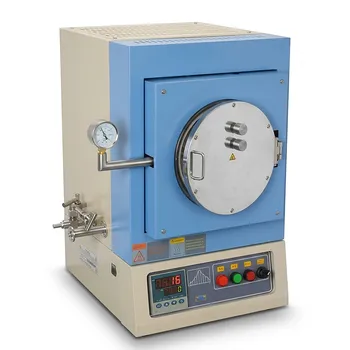
1100°C High Temperature Quartz Chamber Furnace 8 Inch OD with 7.6 Liter Capacity and Vacuum Atmosphere Capability

1100C Tube Furnace with Vacuum Flange and Programmable Temperature Controller for Material Science and Industrial Heat Treatment
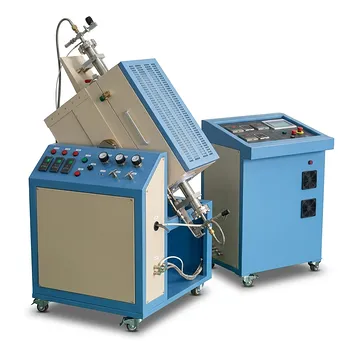
1100C High Pressure Rocking Tube Furnace with 2 Inch Super Alloy Processing Tube for Material Synthesis