Why Use High-Temp Tube Furnaces for Carbon Diffusion? Precision Control & Purity Advantages
Updated 3 months ago
High-temperature tube furnaces provide a decisive advantage in carbon diffusion experiments by enabling the simultaneous control of thermal stability and atmospheric purity. Unlike standard heating equipment, these systems allow researchers to isolate the experiment from ambient air using continuous inert gas injection, ensuring that carbon speciation and transport mechanisms remain unaffected by external environmental interference.
The core advantage of a high-temperature tube furnace lies in its ability to simulate industrial metallurgical conditions through a stable thermal field and a precisely controlled, oxygen-free atmosphere. This dual-control environment ensures that observed carbon behavior is a result of internal diffusion dynamics rather than external chemical reactions or contamination.
Precision Control of the Chemical Environment
Isolation from Ambient Interference
Standard heating equipment often allows for the ingress of oxygen or moisture, which can prematurely oxidize carbon precursors. A tube furnace utilizes a sealed tubular structure to maintain a high-purity argon or nitrogen atmosphere, effectively shielding the sample from the surrounding environment.
Protection of Carbon Speciation
In metallurgical experiments involving molten slag, maintaining the specific chemical state (speciation) of carbon is critical. The ability to inject high-purity gas continuously ensures that transport mechanisms are studied in their pure form, mimicking the precise conditions found in industrial furnaces.
Removal of Volatile Components
The flow of inert gas through the furnace tube does more than just protect the sample; it also facilitates the active removal of volatiles. This is essential for carbonization and graphitization, as it prevents the re-deposition of byproduct gases that could interfere with the diffusion profile.
Thermal Stability and Programmable Dynamics
Uniform Temperature Fields
Precision tube furnaces are engineered to provide a stable thermal environment, often exceeding 1723 K (1450 °C). This uniformity prevents localized hot spots that can cause inconsistent diffusion rates or unwanted sintering and agglomeration of carbon particles.
Controlled Heating and Cooling Rates
Unlike standard ovens, tube furnaces allow for programmable heating rates (e.g., 5°C/min to 30°C/min). Precise control over the temperature gradient is vital for managing the release of volatiles and ensuring the proper alignment of carbon microcrystals during the diffusion process.
Prevention of Structural Collapse
Stable temperature management is essential for developing hierarchical porous structures. By avoiding thermal shocks, the furnace prevents the collapse of pore walls, which is a common failure point when using less precise heating methods for synthesizing high-surface-area carbon materials.
Understanding the Trade-offs
Equipment Maintenance and Sealing
The primary challenge of using a tube furnace is the requirement for perfect sealing. Any leak in the vacuum flanges or O-rings can introduce oxygen, which at high temperatures will immediately compromise the carbon diffusion results and potentially damage the heating elements.
Sample Volume and Throughput
Tube furnaces are generally designed for smaller sample sizes compared to large industrial muffle furnaces. While they offer superior control, the narrow diameter of the tube limits the volume of material that can be processed in a single batch, making them better suited for research than mass production.
Gas Consumption and Safety
Maintaining a continuous flow of high-purity inert gas introduces operational costs and safety requirements. Users must manage pressurized gas cylinders and ensure proper ventilation for any exhausted volatile components or reactive gases used during the activation process.
How to Apply This to Your Project
Making the Right Choice for Your Goal
- If your primary focus is industrial metallurgical modeling: Utilize a high-temperature tube furnace at 1723 K with argon injection to accurately simulate the molten slag environments found in commercial steelmaking.
- If your primary focus is synthesizing carbon-based nanomaterials: Prioritize a system with programmable heating rates (e.g., 5°C/min) to control the graphitization and pore size distribution of your fibers or particles.
- If your primary focus is chemical activation of carbon: Ensure your furnace can handle specific activation agents like potassium bicarbonate while maintaining a strict inert nitrogen flow to maximize specific surface area.
Choosing the right tube furnace setup transforms a standard heat treatment into a precision-engineered environment capable of producing repeatable, high-fidelity carbon diffusion data.
Summary Table:
| Feature | High-Temperature Tube Furnace | Impact on Carbon Diffusion |
|---|---|---|
| Atmosphere | Sealed, high-purity inert gas flow | Prevents oxidation; protects carbon speciation. |
| Thermal Range | Stable up to 1723 K (1450 °C) | Ensures uniform diffusion rates & prevents sintering. |
| Ramp Control | Programmable heating/cooling rates | Manages graphitization & hierarchical pore structures. |
| Volatile Management | Active gas sweep removal | Prevents byproduct re-deposition on sample surfaces. |
| Application | Precision metallurgical R&D | Simulates industrial conditions with high fidelity. |
Elevate Your Material Research with THERMUNITS
Precision in carbon diffusion requires more than just heat; it requires total control. THERMUNITS is a leading manufacturer of high-temperature laboratory equipment, providing the advanced thermal processing solutions needed for cutting-edge material science and industrial R&D.
From High-Temperature Tube and Atmosphere Furnaces to CVD/PECVD systems and Vacuum Induction Melting (VIM) units, our equipment is engineered to deliver the atmospheric purity and thermal uniformity your experiments demand. Whether you are focused on carbon nanotubes, metallurgical modeling, or chemical activation, we have the expertise to support your goals.
Ready to upgrade your lab's capabilities?
Contact our technical experts today to find your ideal furnace solution.
References
- Qiuju Li, Bowen Han. Dissolution of Carbon-Containing Species in CaO–SiO<sub>2</sub>–Al<sub>2</sub>O<sub>3</sub> Slag. DOI: 10.2355/isijinternational.isijint-2023-353
Mentioned Products
- 1700C High Temperature Alumina Tube Furnace with 18 Inch Heated Zone and Vacuum Sealing Flanges
- High Temperature Vertical Atmosphere Controlled Furnace with Automatic Bottom Loading and 1700°C Capacity for Advanced Material Research
- 1200°C Atmosphere Controlled Automatic Bottom Loading Furnace with 6 Inch Quartz Tube
- 1500°C Split Tube Furnace with Alumina Tube and Vacuum Sealing Flanges for Material Research
- 1750°C High Temperature Benchtop Vacuum Atmosphere Tube Furnace with Kanthal Super 1800 Heating Elements and 60mm Alumina Processing Tube
People Also Ask
- What impact does the heating rate of a tube furnace have on biochar microstructure? Optimize Your Material R&D.
- What is the primary function of a high-temperature tube furnace in Cu1-N-C synthesis? Precision Thermal Control.
- What is the function of a high-temperature tube furnace in the synthesis of g-C3N4? Optimize Thermal Polycondensation
- Pt2CoM synthesis: High-temp tube furnace conditions (1000°C & 5% H2/Ar) for L10 intermetallic catalysts.
- How does tube furnace temperature affect phosphoric acid bonding? Optimize Carbon Material Stability & Performance

Tech Team · ThermUnits
Last updated on Jun 03, 2026
Related Products
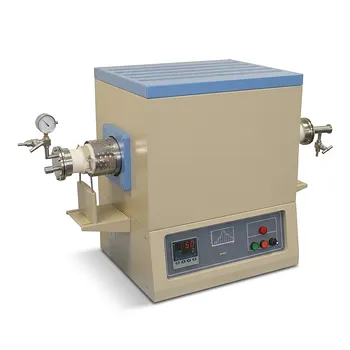
1700C High Temperature Alumina Tube Furnace with 18 Inch Heated Zone and Vacuum Sealing Flanges
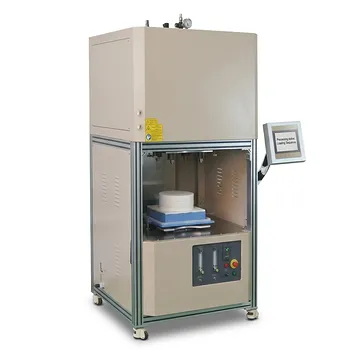
High Temperature Vertical Atmosphere Controlled Furnace with Automatic Bottom Loading and 1700°C Capacity for Advanced Material Research
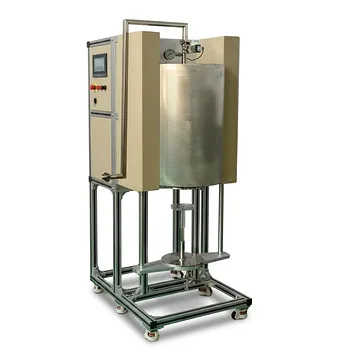
1200°C Atmosphere Controlled Automatic Bottom Loading Furnace with 6 Inch Quartz Tube
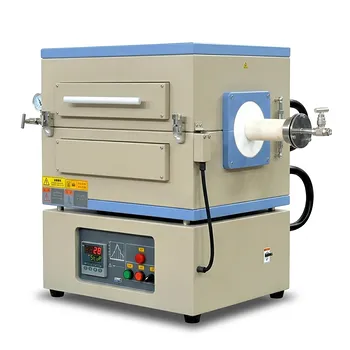
1500°C Split Tube Furnace with Alumina Tube and Vacuum Sealing Flanges for Material Research
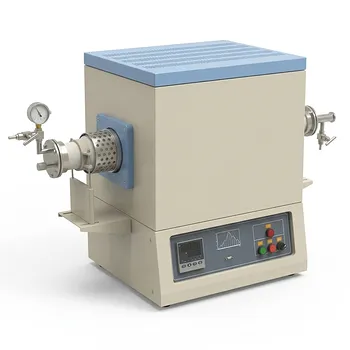
1750°C High Temperature Benchtop Vacuum Atmosphere Tube Furnace with Kanthal Super 1800 Heating Elements and 60mm Alumina Processing Tube
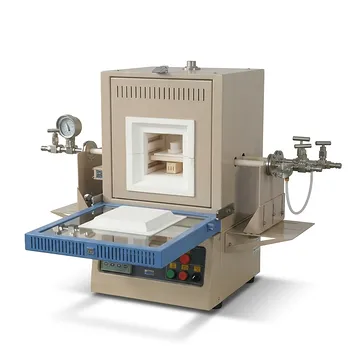
1700C Compact Hybrid Furnace with Dual Layer Box Sintering and Controlled Atmosphere Alumina Tubes

High Temperature 1700C Tube Furnace with High Vacuum Turbomolecular Pump System and Multi Channel Mass Flow Controller Gas Mixer
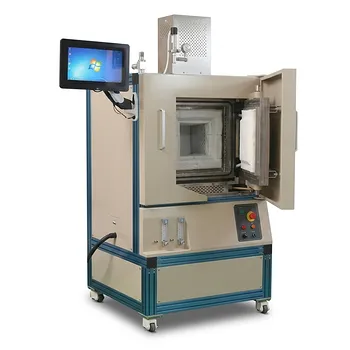
High Temperature Oxygen and Inert Atmosphere Controlled Furnace 8 Liter 1700C Sintering System for Advanced Materials RD
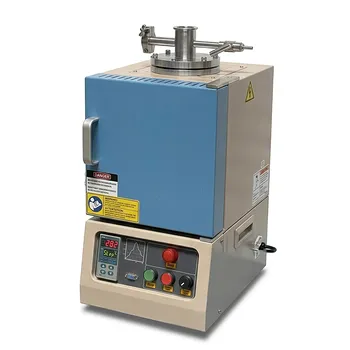
High Temperature Hybrid Muffle and Tube Furnace with Vacuum Capability and PID Control
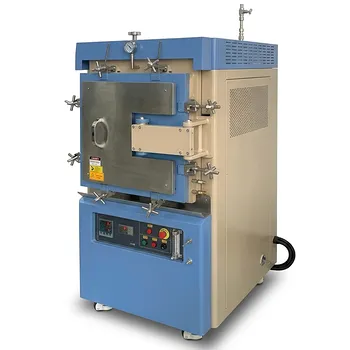
Atmosphere Controlled Muffle Furnace 1700C Maximum Temperature 80L High Capacity Vacuum Inert Gas Box Furnace
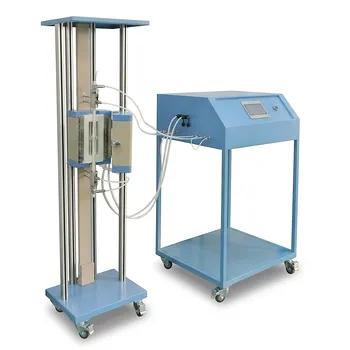
High Temperature Vertical Tube Furnace for Small Solid Oxide Fuel Cell Testing with Four Channel Gas Control

Vertical 1700C Vacuum and Atmosphere Tube Furnace with 80mm Alumina Tube
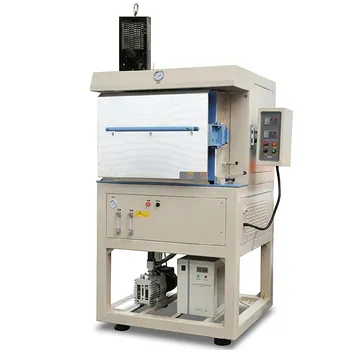
1200C Hydrogen Atmosphere Box Furnace with 5 Heated Sides and 64L Chamber
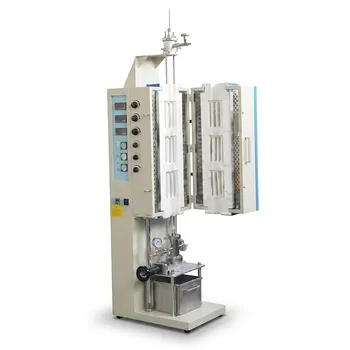
High Temperature Dual Zone Tube Furnace for Material Science Research and Professional Thermal Processing

High Temperature 1700C Vertical Tube Furnace for Powder Spherification and Material Sintering
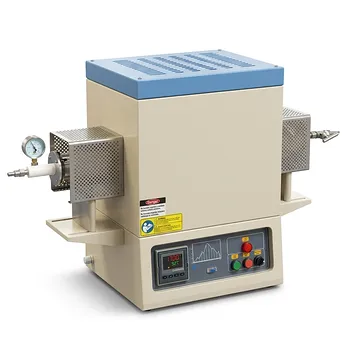
High Temperature Three Zone Tube Furnace 1700C with Alumina Tube and Water Cooled Flanges
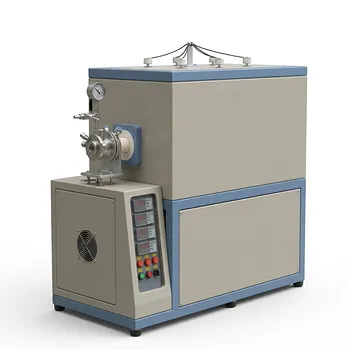
High Temperature 1700C Three Zone Tube Furnace with Alumina Tube 50mm 60mm 80mm OD for Material Research and Industrial Heat Treatment

High Temperature Automated 5 Inch Tube Furnace for Autonomous Material Research and Advanced Laboratory R&D

High Temperature 1700C Benchtop Tube Furnace with 5 Inch Heating Zone High Purity Alumina Tube and Vacuum Sealing Flanges
