What are the essential components and subsystems of a CVD machine? Master Core Technology for High-Purity Coatings
Updated 5 months ago
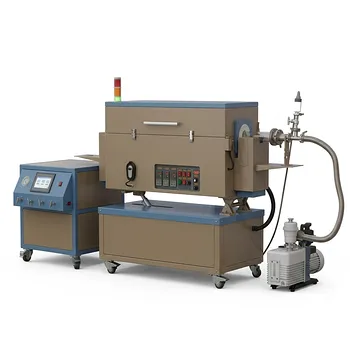
A Chemical Vapor Deposition (CVD) machine is a sophisticated assembly of five primary subsystems: gas delivery, a reaction chamber, a heating system, vacuum/exhaust control, and monitoring instrumentation. These components work in unison to transform volatile precursors into high-purity solid films through controlled chemical reactions on a substrate surface.
Core Takeaway: A CVD system is designed to precisely manage the lifecycle of a chemical reaction—from the metered delivery of gases to the thermal activation of precursors and the efficient removal of toxic by-products—to ensure uniform, high-quality material deposition.
The Input: Gas Delivery and Precursor Management
Precision Flow Control
The process begins with gas cylinders and vaporizers that hold the chemical precursors in a stable state. Mass flow controllers (MFCs) are critical here, as they provide the exact volumetric flow rates required to maintain the specific stoichiometry of the film being deposited.
Carrier Gas Integration
In many systems, carrier gases (such as Hydrogen or Argon) are used to transport volatile precursors into the reactor. This ensures that the precursors reach the reaction zone at the correct concentration and velocity to facilitate even gas-phase transport.
The Reactor: The Reaction Chamber and Substrate Environment
The Reaction Chamber
The reaction chamber (or reactor) is the hermetically sealed environment where the actual deposition occurs. It is designed to withstand high temperatures and corrosive chemicals while preventing atmospheric contamination, which is vital for maintaining film purity.
Substrate Positioning
Inside the chamber, a substrate holder (or susceptor) secures the target material. Depending on the machine's configuration, this holder may rotate to improve deposition uniformity or include integrated cooling to manage the thermal gradient of the substrate.
The Driver: Energy and Activation Systems
Thermal Heating Elements
Most CVD processes require significant activation energy to trigger thermal decomposition or chemical reduction. Resistance heaters or induction lamps provide the necessary heat to the substrate, allowing the adsorbed precursors to react and form a solid deposit.
Plasma and Microwave Enhancement
In specialized variants like PECVD or MPCVD, a microwave generator or RF power source is used to ignite a plasma. This provides the necessary energy to break molecular bonds at much lower temperatures than standard thermal CVD, protecting heat-sensitive substrates.
The Output: Vacuum and Exhaust Subsystems
Pressure Regulation
A high-performance vacuum pumping system, often utilizing turbo-molecular or rotary pumps, is essential for removing air before the process starts. During the run, it maintains a stable low-pressure environment, which is critical for managing the mean free path of gas molecules and ensuring high crystal quality.
Effluent and By-product Removal
As the chemical reaction progresses, volatile by-products are formed that must be removed to prevent film contamination. The exhaust control system safely desorbs and evacuates these gases from the chamber, often passing them through scrubbers to neutralize hazardous materials.
Real-Time Oversight: Monitoring Instrumentation
In-Situ Process Control
Modern CVD machines utilize pyrometers for non-contact temperature measurement and residual gas analyzers (RGAs) to monitor the chemical composition inside the chamber. This allows for real-time adjustments, ensuring the process remains within tight tolerances.
Thickness and Uniformity Feedback
Advanced systems may incorporate optical monitoring tools to measure film thickness in real-time. This feedback loop allows the machine to automatically terminate the process once the desired specification is met, reducing waste and improving repeatability.
Understanding the Trade-offs
Pressure vs. Uniformity
Operating at atmospheric pressure (APCVD) allows for high throughput but often results in poorer film uniformity. Conversely, low-pressure CVD (LPCVD) provides superior step coverage and uniformity on complex 3D geometries but requires more expensive and maintenance-heavy vacuum infrastructure.
Thermal vs. Plasma Activation
Standard thermal CVD is excellent for high-purity epitaxial growth but requires temperatures that can damage certain substrates. Plasma-enhanced (PECVD) systems allow for lower operating temperatures, but the high-energy plasma can sometimes cause "ion bombardment" damage to the growing film's surface.
How to Apply This to Your Project
Selecting the Right Configuration
- If your primary focus is high-volume manufacturing of simple coatings: Prioritize APCVD systems for their high deposition rates and lack of complex vacuum requirements.
- If your primary focus is semiconductor-grade film purity: Invest in LPCVD or MOCVD systems with high-end mass flow controllers and advanced vacuum pumping for maximum contamination control.
- If your primary focus is coating heat-sensitive materials: Opt for PECVD or MPCVD, which use plasma to drive reactions at significantly lower temperatures than thermal systems.
By understanding how these five subsystems interact, you can optimize your CVD process for the specific thickness, composition, and crystal quality your application demands.
Summary Table:
| Subsystem | Key Components | Primary Function |
|---|---|---|
| Gas Delivery | Mass Flow Controllers (MFCs), Vaporizers | Precise precursor metering and stable delivery |
| Reaction Chamber | Hermetic Reactor, Substrate Holder | Providing a sterile, controlled environment for deposition |
| Activation System | Resistance Heaters, RF/Microwave | Supplying thermal or plasma energy to break molecular bonds |
| Vacuum & Exhaust | Turbo Pumps, Scrubbers | Pressure regulation and safe removal of toxic by-products |
| Monitoring | Pyrometers, RGAs, Optical Sensors | Real-time tracking of temperature, chemistry, and thickness |
Elevate Your Thin-Film Research with THERMUNITS
As a global leader in high-temperature laboratory equipment, THERMUNITS specializes in delivering precision thermal processing solutions for material science and industrial R&D. We offer a comprehensive suite of advanced systems designed to meet the most rigorous standards of purity and uniformity.
Our Expertise Includes:
- CVD/PECVD Systems: Optimized for high-quality film growth and material synthesis.
- Comprehensive Furnace Range: Muffle, Vacuum, Atmosphere, Tube, Rotary, and Hot Press furnaces.
- Specialized Equipment: Dental Furnaces, Electric Rotary Kilns, and Vacuum Induction Melting (VIM) furnaces.
- Components: High-quality Thermal Elements and lab heat treatment accessories.
Whether you are scaling up industrial production or conducting fundamental research, THERMUNITS provides the reliability and technical support you need.
Contact our engineering team today to customize your thermal solution!
Mentioned Products
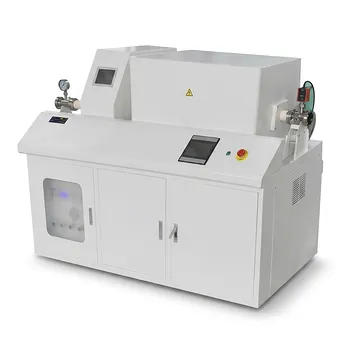
- Chemical Vapor Deposition CVD System Slide PECVD Tube Furnace with Liquid Gasifier PECVD Machine
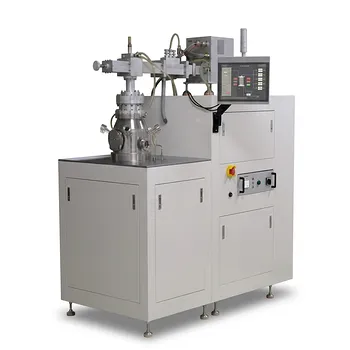
- Cylindrical Resonator MPCVD Machine System for Microwave Plasma Chemical Vapor Deposition and Lab Diamond Growth
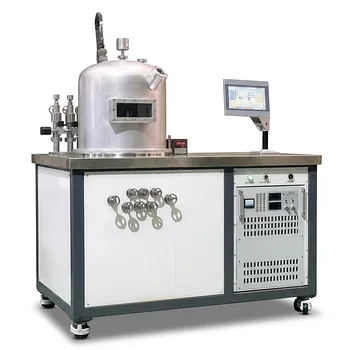
- HFCVD Machine System for Nano Diamond Coating on Drawing Dies and Industrial Tools
- 915MHz MPCVD Diamond Machine Microwave Plasma Chemical Vapor Deposition System Reactor
- Split Chamber CVD Tube Furnace with Vacuum Station Chemical Vapor Deposition System Machine
People Also Ask
- What are the advantages of PECVD systems for nano flame retardant films? Protect Heat-Sensitive Polymers with Precision
- How does a sliding rail design benefit the CVD process within a furnace ventilation hood? Enhance Control & Quenching
- What is the role of CVD/PECVD systems in the research of optoelectronic materials and functional coatings? Expert Guide
- How does PECVD differ from conventional thermal CVD? Key Advantages of Low-Temperature Deposition for R&D
- What role do by-product desorption and evacuation play in CVD film quality? Key Factors for High-Purity Films

Tech Team · ThermUnits
Last updated on Apr 14, 2026
Related Products
Chemical Vapor Deposition CVD System Slide PECVD Tube Furnace with Liquid Gasifier PECVD Machine
Cylindrical Resonator MPCVD Machine System for Microwave Plasma Chemical Vapor Deposition and Lab Diamond Growth
HFCVD Machine System for Nano Diamond Coating on Drawing Dies and Industrial Tools
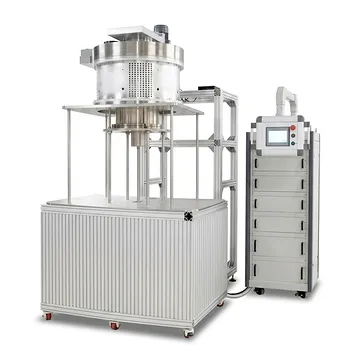
915MHz MPCVD Diamond Machine Microwave Plasma Chemical Vapor Deposition System Reactor
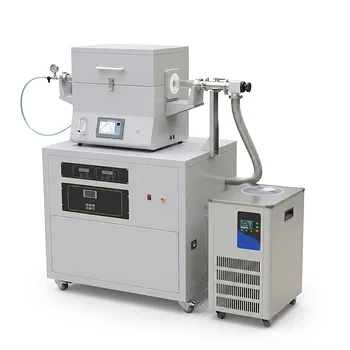
Split Chamber CVD Tube Furnace with Vacuum Station Chemical Vapor Deposition System Machine
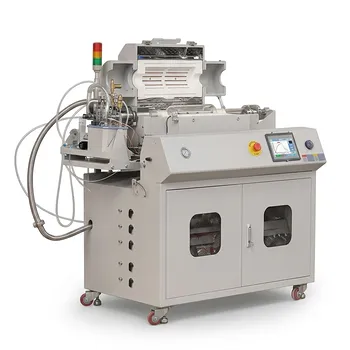
Versatile Chemical Vapor Deposition Tube Furnace System for Advanced Material Research and Industrial Coating Processes
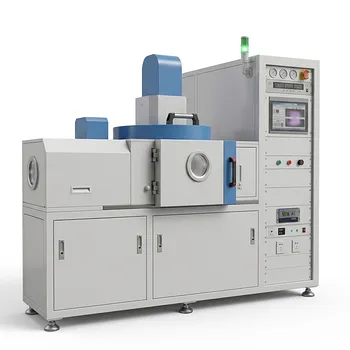
Radio Frequency Plasma Enhanced Chemical Vapor Deposition RF PECVD System for Laboratory and Industrial Thin Film Growth
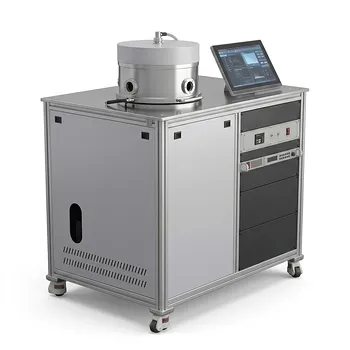
Inclined Rotary Plasma Enhanced Chemical Vapor Deposition PECVD System for Thin Film Deposition and Nanomaterial Synthesis
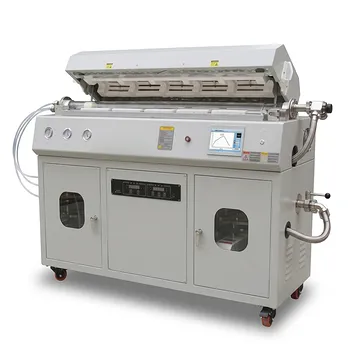
Multi Heating Zones CVD Tube Furnace System for Precision Chemical Vapor Deposition and Advanced Material Synthesis
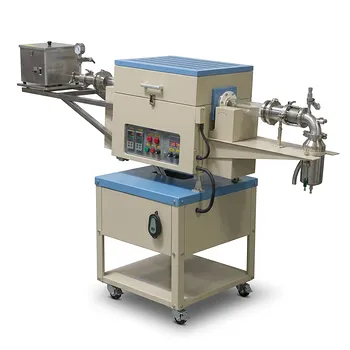
Two Zone Rotary CVD Furnace with Automatic Feeding and Receiving System for Powder Processing
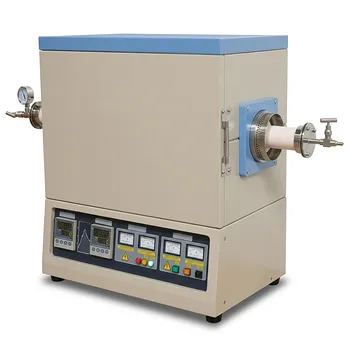
High Temperature 1700C Dual Zone Tube Furnace for Material Science and Industrial Chemical Vapor Deposition Research
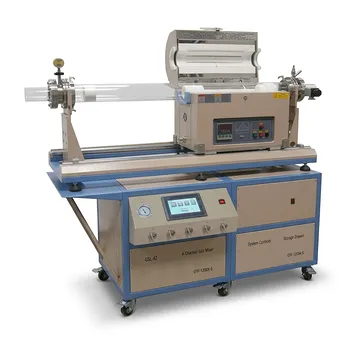
Dual Tube 100mm 80mm CVD Sliding Furnace with 4 Channel Gas Mixing and Vacuum System
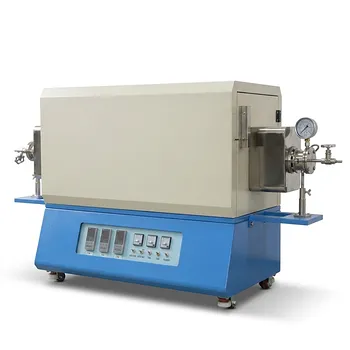
Three Temperature Zone High Temperature Vacuum Tube Furnace for CVD and Material Sintering
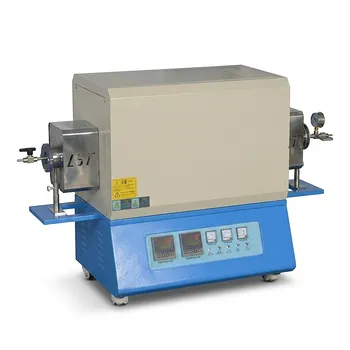
High Temperature Dual Zone Vacuum Tube Furnace for Material Research and CVD Processing
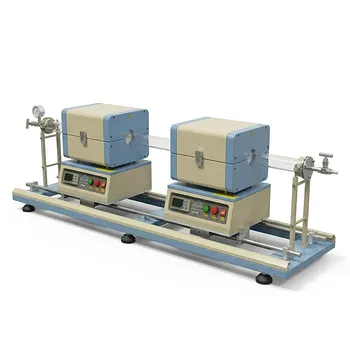
1200C Max Dual Sliding Tube Furnace with 50 mm Tube Flanges for CVD
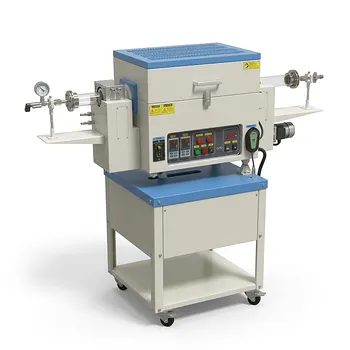
4 Inch Two Zone Rotary CVD Tube Furnace for High Temperature Battery Material Synthesis and Advanced Material Calcination
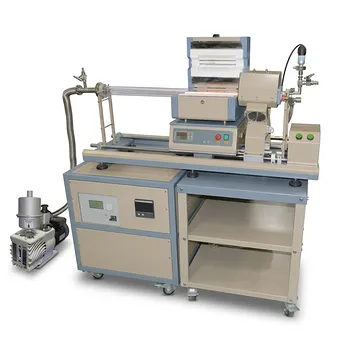
1200C Max Compact Auto-Sliding PECVD Furnace with 2 Inch Tube and Vacuum Pump
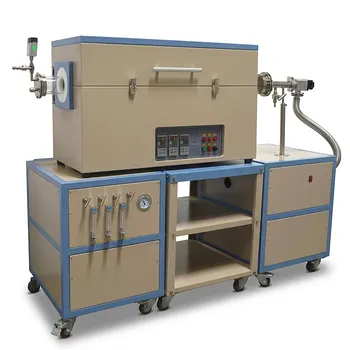
Three Zone Quartz Tube Furnace with 3 Channel Gas Mixer Vacuum Pump and Anti Corrosive Vacuum Gauge
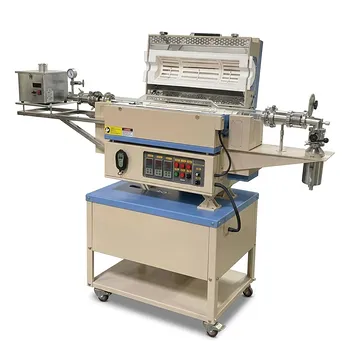
5 Inch Rotary Tube Furnace with Automatic Feeding and Receiving System 1200C Three Zone CVD Powder Processing