What are the primary differences between hot-wall and cold-wall CVD reactors? Choose the Best System for High Purity
Updated 5 months ago
The fundamental distinction between hot-wall and cold-wall Chemical Vapor Deposition (CVD) reactors lies in the thermal management of the reaction chamber. In a hot-wall system, the entire chamber—including the walls—is heated externally to facilitate uniform batch processing, while a cold-wall system uses localized heating to target only the substrate, significantly reducing unwanted side reactions and contamination.
Core Takeaway: Choosing between these systems involves a trade-off between volume and purity; hot-wall reactors excel in high-capacity batch uniformity, whereas cold-wall reactors provide superior film quality and faster processing cycles for sensitive applications like graphene growth.
The Hot-Wall Architecture: Uniformity for Batch Production
Global Thermal Equilibrium
Hot-wall reactors utilize external resistive or radiant heaters that surround the entire reaction vessel. This design ensures that every component inside the chamber, from the substrates to the chamber walls and the precursor gases, reaches the same operating temperature.
Ideal for High-Volume Batching
Because the thermal environment is consistent throughout the chamber volume, these reactors are the industry standard for batch processing. Large numbers of wafers can be processed simultaneously with excellent temperature uniformity, ensuring consistent film thickness across the entire lot.
Thermal Activation Barriers
In these systems, chemical reactions are driven entirely by thermal energy, often requiring temperatures exceeding 600 degrees Celsius to overcome activation barriers. This makes them highly effective for traditional silicon processing but less suitable for temperature-sensitive materials like polymers.
The Cold-Wall Paradigm: Precision and Purity
Localized Energy Delivery
Cold-wall reactors utilize RF induction or internal resistive heating to heat only the substrate or the susceptor it sits on. The chamber walls are maintained near room temperature, often through water-cooling systems, creating a sharp temperature gradient between the substrate and the surrounding environment.
Suppression of Parasitic Reactions
By keeping the walls cool, these reactors prevent precursor decomposition and accidental film growth on the chamber surfaces. This minimizes homogeneous nucleation in the gas phase, which is a primary source of particulate contamination in hot-wall systems.
Accelerated Thermal Cycling
Because only the substrate and susceptor are heated, cold-wall systems offer faster heating and cooling cycles. This rapid thermal response is essential for single-wafer high-throughput processing and allows for tighter control over the microscopic texture of the thin film.
Understanding the Trade-offs: Quality vs. Quantity
The Challenge of Wall-Peeling
In hot-wall systems, films inevitably grow on the chamber walls as well as the substrates. Over time, these wall deposits can flake off due to thermal stress, leading to particle generation and potential defects in the deposited layers.
Gas-Phase Dynamics and Impurities
Cold-wall systems are often preferred for high-performance materials, such as single-layer graphene, because they minimize gas-phase reactions. This localized heating reduces the incorporation of impurities and allows for more uniform growth on a molecular level.
Throughput vs. Footprint
While hot-wall reactors process many wafers at once, they require significant time to ramp up to and down from operating temperatures. Cold-wall reactors process fewer wafers at a time but compensate with rapid cycle times, making them better suited for modern, agile manufacturing environments.
How to Apply This to Your Project
When selecting a reactor type, your decision should be driven by your specific material requirements and production scale.
- If your primary focus is high-volume manufacturing of standard semiconductors: A hot-wall reactor is the most cost-effective choice due to its superior batch processing capabilities and temperature uniformity.
- If your primary focus is high-purity growth of nanomaterials like graphene: A cold-wall reactor is essential to prevent precursor decomposition on chamber walls and to minimize particulate contamination.
- If your primary focus is processing temperature-sensitive substrates: Consider a cold-wall system or specialized PECVD (Plasma-Enhanced CVD) to keep the bulk environment cool while providing enough energy for localized reaction.
Selecting the appropriate thermal environment is the most critical step in ensuring the structural integrity and purity of your thin-film deposition.
Summary Table:
| Feature | Hot-Wall CVD Reactor | Cold-Wall CVD Reactor |
|---|---|---|
| Heating Method | External (heats entire chamber) | Localized (heats substrate/susceptor) |
| Best For | High-volume batch production | High-purity films (e.g., Graphene) |
| Thermal Cycling | Slow (large thermal mass) | Rapid heating and cooling |
| Contamination | High risk (film growth on walls) | Low risk (cool walls prevent reactions) |
| Uniformity | Excellent across large batches | High precision for single wafers |
Optimize Your Deposition Process with THERMUNITS
Are you deciding between high-volume batch uniformity and high-purity film growth? THERMUNITS is a leading manufacturer of high-temperature laboratory equipment, providing the precision tools needed for advanced material science and industrial R&D.
We offer a comprehensive range of thermal processing solutions, including:
- Advanced CVD/PECVD Systems
- Muffle, Vacuum, and Atmosphere Furnaces
- Tube, Rotary, and Hot Press Furnaces
- Vacuum Induction Melting (VIM) & Dental Furnaces
Enhance your lab's efficiency and achieve superior material integrity with our specialized heat treatment equipment. Contact our technical team today for a tailored solution that meets your specific research requirements!
Mentioned Products
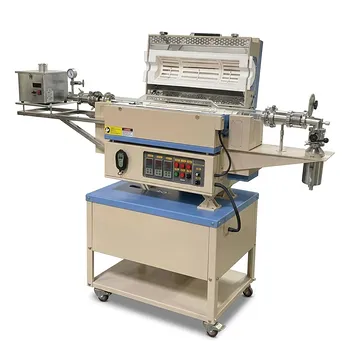
- Versatile Chemical Vapor Deposition Tube Furnace System for Advanced Material Research and Industrial Coating Processes
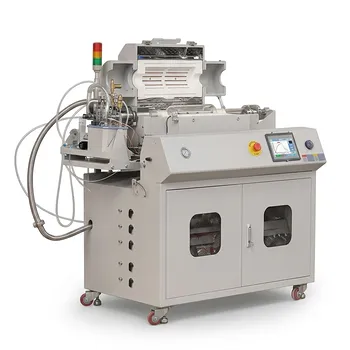
- 915MHz MPCVD Diamond Machine Microwave Plasma Chemical Vapor Deposition System Reactor
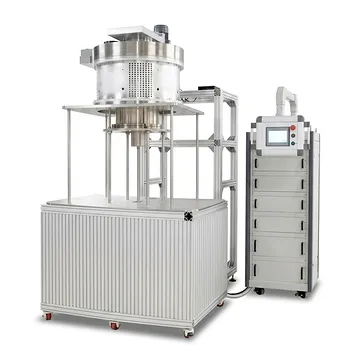
- Multi Heating Zones CVD Tube Furnace System for Precision Chemical Vapor Deposition and Advanced Material Synthesis
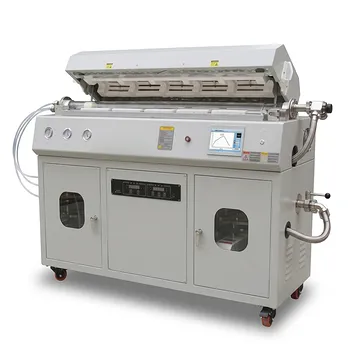
- Cylindrical Resonator MPCVD Machine System for Microwave Plasma Chemical Vapor Deposition and Lab Diamond Growth
- Inclined Rotary Plasma Enhanced Chemical Vapor Deposition PECVD System for Thin Film Deposition and Nanomaterial Synthesis
People Also Ask
- How does a sliding rail design benefit the CVD process within a furnace ventilation hood? Enhance Control & Quenching
- What role do by-product desorption and evacuation play in CVD film quality? Key Factors for High-Purity Films
- How does the deposition process occur within a Chemical Vapor Deposition (CVD) reactor? Explore the 5-Stage Growth Cycle
- Why is CVD preferred over PVD for high-aspect-ratio features? Superior Conformality for Semiconductor Fabrication
- How do temperature regimes influence the growth rate of films in a CVD system? Master CVD Kinetics for Superior Thin Films

Tech Team · ThermUnits
Last updated on Apr 14, 2026
Related Products
Versatile Chemical Vapor Deposition Tube Furnace System for Advanced Material Research and Industrial Coating Processes
915MHz MPCVD Diamond Machine Microwave Plasma Chemical Vapor Deposition System Reactor
Multi Heating Zones CVD Tube Furnace System for Precision Chemical Vapor Deposition and Advanced Material Synthesis
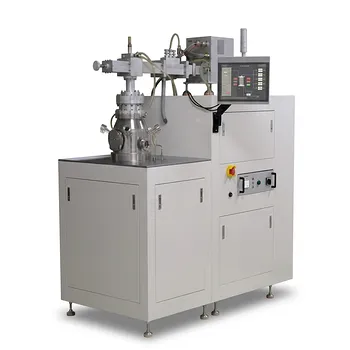
Cylindrical Resonator MPCVD Machine System for Microwave Plasma Chemical Vapor Deposition and Lab Diamond Growth
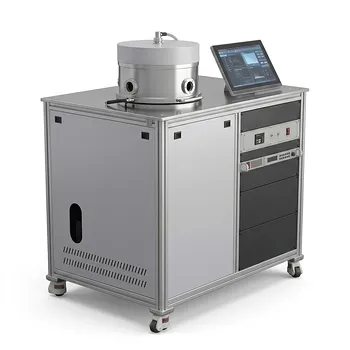
Inclined Rotary Plasma Enhanced Chemical Vapor Deposition PECVD System for Thin Film Deposition and Nanomaterial Synthesis
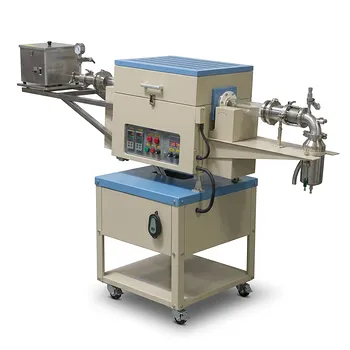
Two Zone Rotary CVD Furnace with Automatic Feeding and Receiving System for Powder Processing
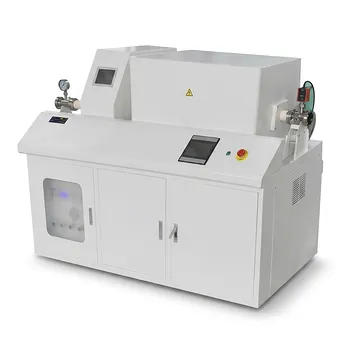
Chemical Vapor Deposition CVD System Slide PECVD Tube Furnace with Liquid Gasifier PECVD Machine
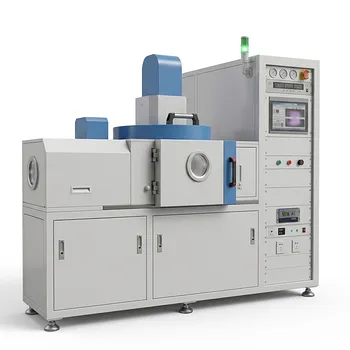
Radio Frequency Plasma Enhanced Chemical Vapor Deposition RF PECVD System for Laboratory and Industrial Thin Film Growth
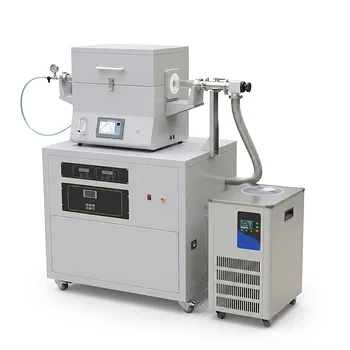
Split Chamber CVD Tube Furnace with Vacuum Station Chemical Vapor Deposition System Machine
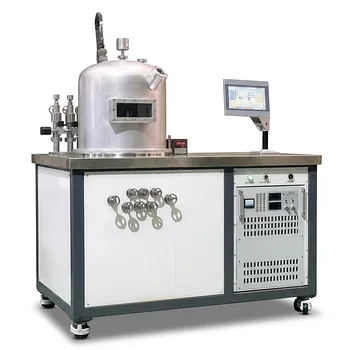
HFCVD Machine System for Nano Diamond Coating on Drawing Dies and Industrial Tools
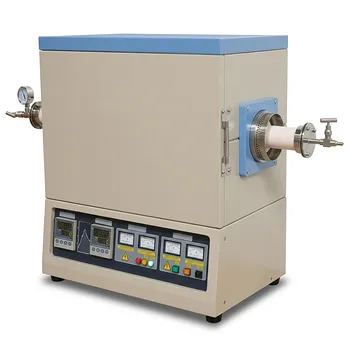
High Temperature 1700C Dual Zone Tube Furnace for Material Science and Industrial Chemical Vapor Deposition Research
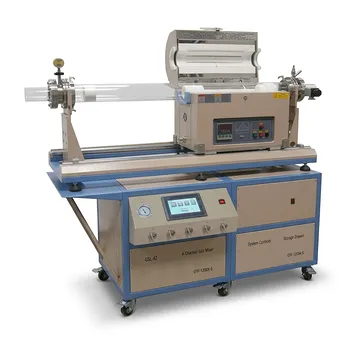
Dual Tube 100mm 80mm CVD Sliding Furnace with 4 Channel Gas Mixing and Vacuum System
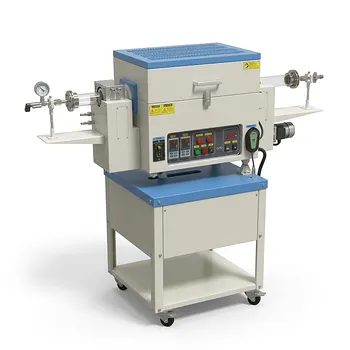
4 Inch Two Zone Rotary CVD Tube Furnace for High Temperature Battery Material Synthesis and Advanced Material Calcination
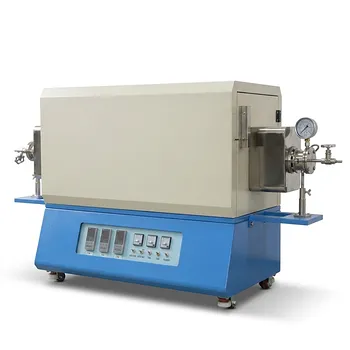
Three Temperature Zone High Temperature Vacuum Tube Furnace for CVD and Material Sintering
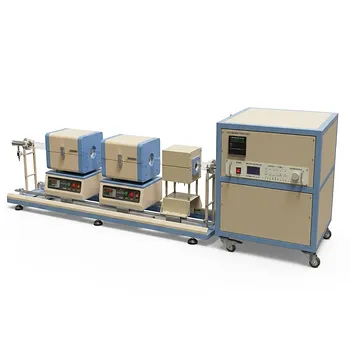
1200C Dual Sliding Tube Furnace with Dual Tubes and Flanges for PECVD Processes
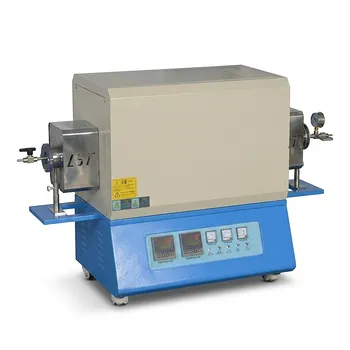
High Temperature Dual Zone Vacuum Tube Furnace for Material Research and CVD Processing
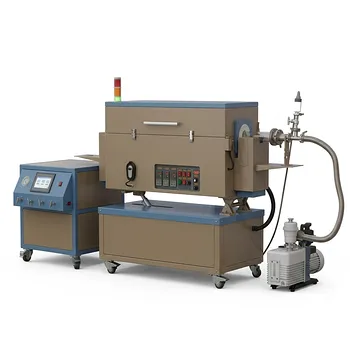
5 Inch Three Zone Rotary Tube Furnace with Integrated Gas Delivery System and 1200C Capability for Advanced Material CVD Processing
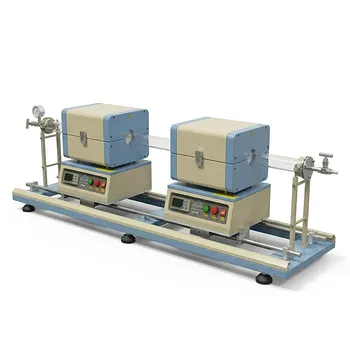
1200C Max Dual Sliding Tube Furnace with 50 mm Tube Flanges for CVD
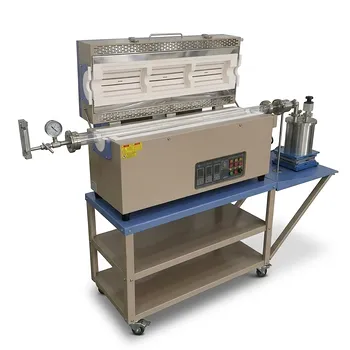
5 Inch Two Zone Rotary Tube Furnace 1100C for Powder CVD and Material Synthesis