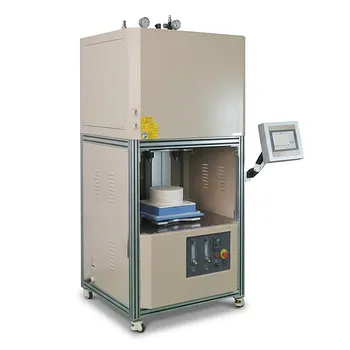
What are the primary functions and applications of a vacuum furnace? Enhance Purity and Precision in Processing
Updated 5 months ago
Vacuum furnaces are specialized industrial heating systems that process materials within a sealed, gas-evacuated chamber to ensure extreme purity and structural integrity. By removing air and atmospheric gases, these furnaces prevent oxidation, eliminate contamination, and allow for precise control over temperature and cooling cycles. They are essential for high-performance operations such as heat treatment, brazing, sintering, and melting where surface quality and material properties cannot be compromised.
Core Takeaway: A vacuum furnace creates an oxygen-free environment that prevents chemical reactions between the workload and the atmosphere. This enables the production of high-purity metals and ceramics with superior surface finishes and enhanced physical properties.
Primary Functions of Vacuum Furnaces
Prevention of Oxidation and Decarburization
The most critical function of a vacuum furnace is the removal of oxygen from the heating environment. By evacuating the chamber, the furnace prevents oxidation and decarburization, ensuring that the material surface remains clean and chemically stable throughout the process.
Elimination of Atmospheric Contamination
Beyond oxygen, vacuum furnaces remove other reactive gases that could compromise the material's integrity. This is vital for processing active ceramics and refractory metals, where even trace amounts of hydrogen or nitrogen could lead to embrittlement or impurity.
Precision Thermal Management
In a vacuum, heat loss through convection is eliminated, leaving radiation as the primary heat transfer method. This allows for highly uniform heating and, when paired with high-pressure gas injection, enables rapid and controlled quenching to achieve specific metallurgical structures like martensite.
Key Applications in Material Processing
Advanced Heat Treatment and Carburizing
Vacuum furnaces are used for specialized treatments like annealing, solution treating, and vacuum carburizing. For example, in the processing of 18CrNi8 steel, the vacuum environment prevents oxidation during heating while facilitating rapid cooling through high-pressure nitrogen quenching.
Precision Joining and Brazing
In vacuum brazing, the oxygen-free environment maintains the activity of metal surfaces without the need for flux. This allows solder—such as nickel-based alloys—to spread effectively at temperatures exceeding 1000°C, creating strong metallurgical bonds in complex assemblies like aerospace heat exchangers.
Material Consolidation and Sintering
Vacuum furnaces are used to densify powder-based materials into solid forms. Vacuum Hot Press Furnaces apply simultaneous heat and uniaxial pressure to create technical ceramics and composites with near-theoretical density and exceptionally fine grain structures.
Refining and Melting (VIM)
Vacuum Induction Melting (VIM) uses electromagnetic induction to melt high-value alloys like superalloys and electronic materials. This process allows for strict compositional control and the removal of dissolved gases, producing metals with purity levels unattainable in open-air melting.
Understanding the Trade-offs and Limitations
High Capital and Operational Costs
The sophisticated sealing technology, high-power vacuum pumps, and specialized cooling systems make vacuum furnaces significantly more expensive to purchase and maintain than atmospheric furnaces. Users must justify this cost through the high value or critical nature of the parts being processed.
Heating Speed at Lower Temperatures
Because a vacuum eliminates convection, heating cycles at lower temperatures (below 600°C) can be significantly slower than in traditional furnaces. Radiation is less efficient at these levels, often requiring the introduction of partial-pressure inert gases to speed up the initial heating phase.
Maintenance of Vacuum Integrity
The reliability of the process depends entirely on the vacuum seal. Even minor leaks can introduce oxygen, leading to catastrophic part failure or "blueing" of the metal surface, necessitating rigorous and frequent maintenance of seals and sensors.
How to Apply This to Your Project
Choosing the Right Process for Your Goal
A vacuum furnace is a powerful tool, but its application should be dictated by your specific material requirements and performance goals.
- If your primary focus is surface quality and brightness: Use a vacuum furnace to eliminate oxidation and the need for post-process cleaning or machining.
- If your primary focus is material density in powder metallurgy: Utilize a Vacuum Hot Press to achieve maximum densification and superior mechanical properties.
- If your primary focus is producing high-purity superalloys: Implement Vacuum Induction Melting (VIM) to ensure precise chemistry and the removal of harmful dissolved gases.
- If your primary focus is cost-effective heating of low-alloy parts: Consider whether a standard atmospheric furnace with protective gas might be more economical if slight oxidation is acceptable.
By leveraging the unique oxygen-free environment of a vacuum furnace, you can achieve material properties and surface finishes that define the cutting edge of modern industrial manufacturing.
Summary Table:
| Process/Function | Key Benefit | Common Applications |
|---|---|---|
| Oxidation Prevention | Eliminates surface scaling and decarburization | Aerospace parts, refractory metals |
| Vacuum Brazing | Flux-less joining with strong metallurgical bonds | Heat exchangers, medical devices |
| Vacuum Sintering | Achieves near-theoretical density and fine grains | Technical ceramics, composites |
| Refining & Melting (VIM) | Strict compositional control and gas removal | Superalloys, electronic materials |
Elevate Your Research with THERMUNITS
As a leading manufacturer of high-temperature laboratory equipment for material science and industrial R&D, THERMUNITS provides the precision tools you need for advanced thermal processing. Our comprehensive range includes Vacuum Furnaces, Vacuum Hot Press Furnaces, Vacuum Induction Melting (VIM), and CVD/PECVD systems designed to ensure extreme purity and structural integrity for your most critical materials.
Ready to optimize your heat treatment results? Contact our experts today to discuss how our Vacuum, Muffle, Atmosphere, and Rotary furnaces can enhance your laboratory's capabilities and drive your innovation forward.
Mentioned Products
- Vertical Vacuum Furnace 1100C High Temperature 8 Inch Quartz Chamber Water Cold Flange System
- High Temperature 1000C Vacuum Furnace with 8 Inch ID Chamber for Material Sintering and Research Annealing
- Ultra High Temperature Induction Heated Vacuum Furnace with Molten Salt Electrolysis Capability and 3000 Degree Precision Control
- High Temperature Vacuum Lamination Hot Press Furnace Machine for Semiconductor Wafer Bonding and Advanced Composite Thermal Processing
- High Temperature Cold Wall High Vacuum Chamber Furnace 1400C for Advanced Material Processing
People Also Ask
- How Vacuum Furnaces Heat Treat Fe32Cr33Ni29Al3Ti3? Optimizing HEA Microstructure & Stability
- Why is high-vacuum sealing of quartz tubes necessary for Ta2PdSe6 samples? Protect Purity & Carrier Mobility.
- Why is an integrated vacuum furnace necessary for RHEAs? Ensure data integrity and prevent oxidative embrittlement.
- What is a vacuum furnace and what are its primary functions? Master High-Purity Thermal Processing & Metallurgy
- How does material vapor pressure affect the operating limits of a vacuum furnace? Optimize Your Thermal Processes

Tech Team · ThermUnits
Last updated on Apr 14, 2026
Related Products
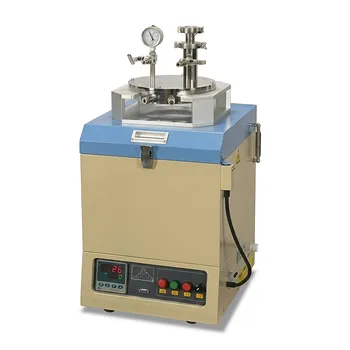
Vertical Vacuum Furnace 1100C High Temperature 8 Inch Quartz Chamber Water Cold Flange System
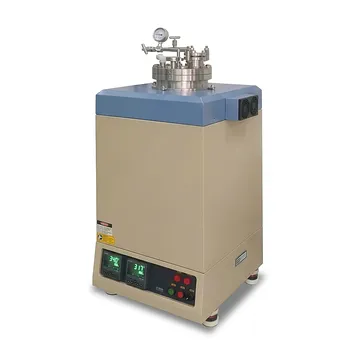
High Temperature 1000C Vacuum Furnace with 8 Inch ID Chamber for Material Sintering and Research Annealing
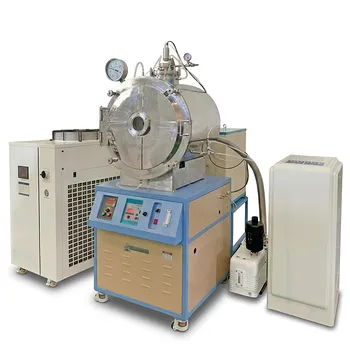
Ultra High Temperature Induction Heated Vacuum Furnace with Molten Salt Electrolysis Capability and 3000 Degree Precision Control
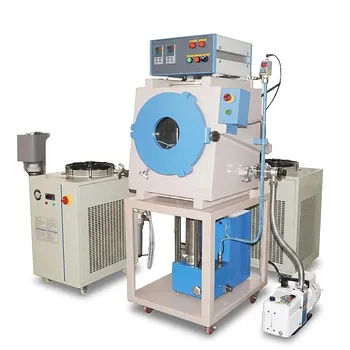
High Temperature Vacuum Lamination Hot Press Furnace Machine for Semiconductor Wafer Bonding and Advanced Composite Thermal Processing
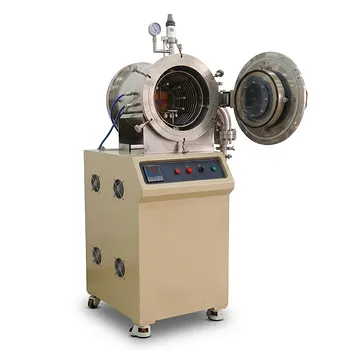
High Temperature Cold Wall High Vacuum Chamber Furnace 1400C for Advanced Material Processing
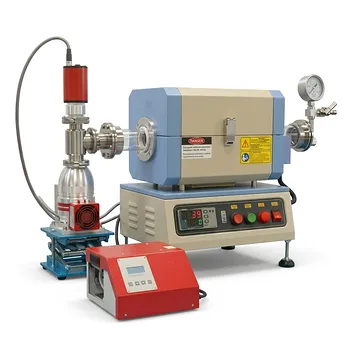
High Vacuum Compact Tube Furnace 1200C with Integrated Turbo Pump System and 8 Inch Heating Zone
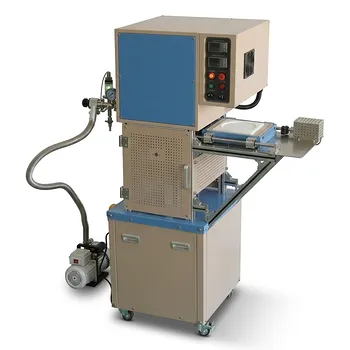
1200°C Bottom Loading Vacuum Furnace with Rapid Gas Cooling and 8.6 Inch Diameter Quartz Chamber
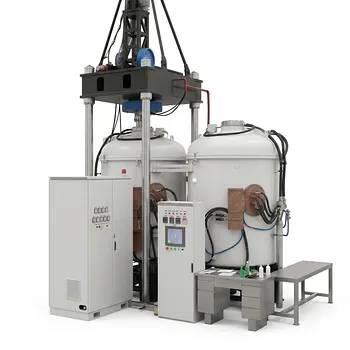
High Pressure 600T Vacuum Induction Hot Press Furnace for Advanced Material Heat Treatment and Sintering
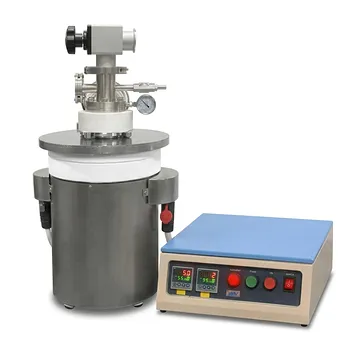
1100C High Temperature Vacuum Crucible Furnace with Quartz Chamber for Thermal Processing and Sintering
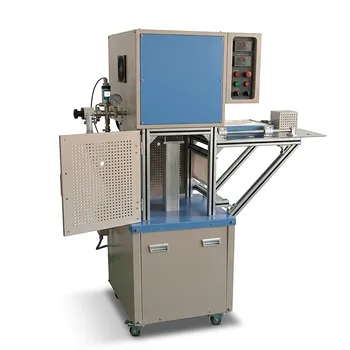
Bottom Loading Vacuum Furnace 1200C Rapid Cooling Atmosphere Control Quartz Chamber

1750°C High Temperature Benchtop Vacuum Atmosphere Tube Furnace with Kanthal Super 1800 Heating Elements and 60mm Alumina Processing Tube
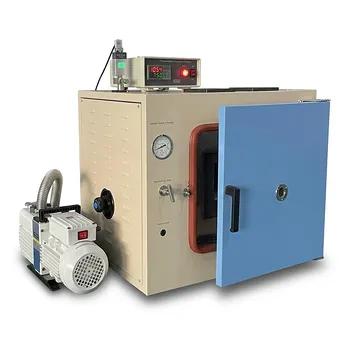
Compact High Vacuum Box Furnace 1050C Max 6.2L Ceramic Chamber Stainless Steel Shell Programmable Temperature Controller for Material Science Research
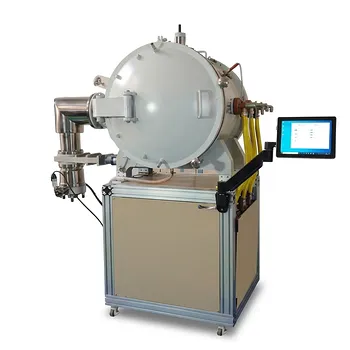
High Temperature Cold Wall Vacuum Furnace for Advanced Material Sintering and Annealing 1600C Heating Area 200x200x300mm

1800C High Temperature Compact Vacuum Tube Furnace with 60mm OD Alumina Tube and Kanthal MoSi2 Heating Elements
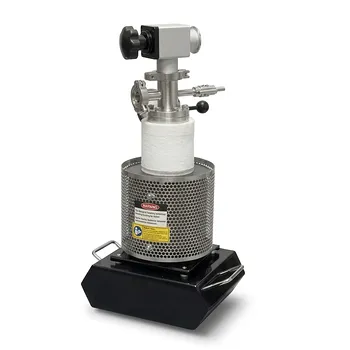
High Temperature 1100C Compact Top Loading Vertical Vacuum Tube Furnace for High Vacuum Noble Metal Melting and Material Research
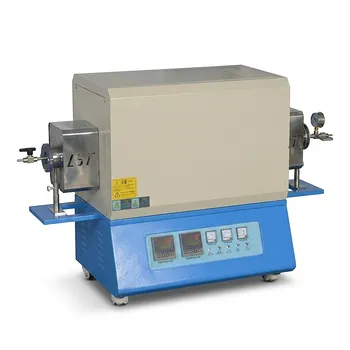
High Temperature Dual Zone Vacuum Tube Furnace for Material Research and CVD Processing
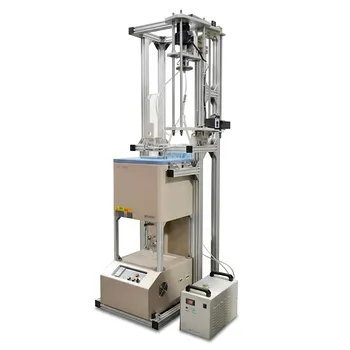
500C Vacuum Vertical Tube Furnace 84mm OD Sample Rotation Lifting System
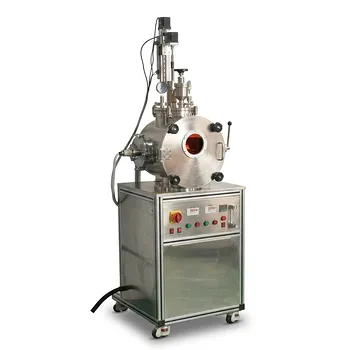
High Vacuum Melting Casting Furnace with Mechanical Stirring and Secondary Charge for Metallic Alloy Research
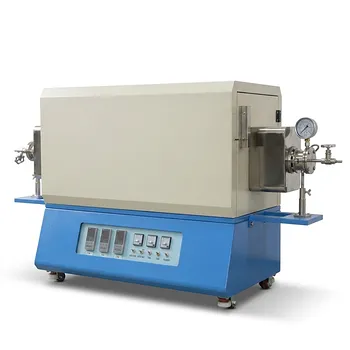
Three Temperature Zone High Temperature Vacuum Tube Furnace for CVD and Material Sintering