What are the primary functions of a high-temperature tube atmosphere furnace? Precision Control for Porous Carbon
Updated 3 months ago
The high-temperature tube atmosphere furnace is the foundational reactor for the one-step carbonization process, serving two critical roles: providing a strictly controlled thermal profile and maintaining an oxygen-free environment. It facilitates the precise pyrolysis of organic precursors onto templates, converting them into a conductive carbon framework while preserving the specific structural morphology required for high-performance hybrid materials.
Core Takeaway: The furnace acts as the primary controller for the material's structural evolution, utilizing precise heating programs and inert gas flows to transform organic precursors into conductive, porous carbon without risking oxidative degradation or structural collapse.
Precise Thermal Management and Control
The furnace is not merely a heat source; it is a precision instrument that dictates the rate of chemical transformation within the precursor.
Programmable Heating Curves
A critical function is the execution of specific heating rates, such as 5°C/min, to reach target temperatures (typically 700°C to 1000°C). This controlled ramp-up prevents thermal shock and ensures that the organic carbon source undergoes uniform pyrolysis on the surface of natural mineral or chemical templates.
Multi-Stage Stabilization
Integrated PID control systems allow for multi-stage heating programs that stabilize temperatures at intermediate levels. This prevents thermal overshoot, ensuring that precursors like sodium citrate or lignin self-assemble into stable three-dimensional structures rather than degrading inconsistently.
Uniform Temperature Fields
The tube furnace design provides a highly uniform temperature field, which is essential for the complete thermal decomposition of organic components. This uniformity ensures that the resulting carbon framework has consistent electrical conductivity and chemical stability throughout the entire sample.
Atmospheric Integrity and Chemical Protection
Because carbon materials are highly susceptible to oxidation at elevated temperatures, the furnace's ability to manage the gaseous environment is vital.
Creating an Oxygen-Free Environment
The superior sealing performance of the tube furnace allows for the displacement of air with high-purity inert gases like nitrogen (N2) or argon. This prevents the oxidative loss of carbon fibers and frameworks, which would otherwise turn to ash at temperatures exceeding 400°C.
Facilitating Chemical Reorganization
Under a continuous flow of protective gas, the furnace enables deep dehydrogenation and deoxygenation. This process facilitates the reorganization of carbon chains into stable skeletons, promoting the transition from amorphous biomass to conductive graphitic structures.
Management of Gas-Phase Byproducts
In one-step methods involving templates like MgCO3, the furnace manages the release of gases like CO2 during decomposition. This creates a gas-phase exfoliation effect, which is instrumental in forming hierarchical porous structures and increasing the specific surface area of the hybrid carbon.
Defining Structural and Functional Properties
The furnace parameters directly determine the physical and electrochemical performance of the final hybrid porous carbon.
Morphology Preservation
By providing a stable environment for carbonization, the furnace ensures the carbon framework retains the specific morphology imparted by the templates, such as fibers, sheets, or hollow spheres. This is crucial for maintaining the high aspect ratio or two-dimensional structures of materials like MXenes or carbon nanofibers.
Tuning Graphitization and Porosity
The final carbonization temperature directly influences the graphitization degree and the spacing between graphene layers. These structural nuances determine the density of ion storage sites and the overall electrical conductivity of the material for energy storage applications.
Understanding the Trade-offs
While the tube furnace is highly effective, users must balance several conflicting factors to achieve optimal results.
- Heating Rate vs. Structural Integrity: Faster heating rates increase throughput but can cause rapid gas release, potentially fracturing the delicate porous framework.
- Temperature vs. Surface Area: Higher temperatures improve electrical conductivity through graphitization but may cause pore shrinkage or collapse, reducing the available surface area for chemical reactions.
- Gas Flow Rate: Excessive inert gas flow can lead to temperature fluctuations within the tube, while insufficient flow may fail to remove corrosive or reactive pyrolysis byproducts effectively.
How to Apply This to Your Project
To achieve the best results in preparing hybrid porous carbon, your furnace settings should align with your material's end-use requirements.
- If your primary focus is high electrical conductivity: Use higher carbonization temperatures (900°C–1000°C) and slower heating rates to promote the formation of well-ordered graphitic structures.
- If your primary focus is maximum surface area/porosity: Opt for lower carbonization temperatures (600°C–700°C) and utilize templates that release gases during the heating process to create internal voids.
- If your primary focus is structural morphology (e.g., nanofibers): Ensure the furnace has a long, stable heating zone and use a multi-step stabilization program to prevent the melting or deformation of pre-oxidized fibers.
The high-temperature tube atmosphere furnace is the definitive tool for transforming raw organic precursors into sophisticated carbon architectures through the rigorous control of heat and chemistry.
Summary Table:
| Function | Key Mechanism | Impact on Material |
|---|---|---|
| Thermal Management | Programmable PID & Uniform Heating | Ensures uniform pyrolysis and prevents structural collapse. |
| Atmosphere Control | Inert Gas (N2/Ar) & Vacuum Sealing | Prevents carbon oxidation and promotes stable graphitization. |
| Structural Tuning | Controlled Heating Rates (5°C/min) | Optimizes pore distribution and increases specific surface area. |
| Byproduct Management | Gas-Phase Exfoliation | Facilitates hierarchical porous structures via managed gas release. |
Elevate Your Material Research with THERMUNITS Precision
Achieving the perfect carbon framework requires rigorous thermal and atmospheric control. THERMUNITS is a leading manufacturer of high-temperature laboratory equipment specifically designed for material science and industrial R&D.
Our comprehensive range of thermal processing solutions includes:
- Tube & Atmosphere Furnaces for precise carbonization and CVD/PECVD applications.
- Muffle, Vacuum, and Rotary Kilns for diverse heat treatment needs.
- Hot Press & Vacuum Induction Melting (VIM) Furnaces for advanced metallurgy.
- Dental Furnaces and Thermal Elements tailored for specialized lab environments.
Whether you are developing next-generation energy storage materials or exploring hybrid porous structures, we provide the stability and uniformity your research demands.
Ready to optimize your heat treatment process?
Contact our technical experts today to find the ideal furnace solution for your laboratory!
References
- Fangfang Liu, Xiuyun Chuan. 1D hollow tubular/2D nanosheet hybrid dimensional porous carbon prepared by one-step carbonization using natural minerals as templates for supercapacitors. DOI: 10.1039/d4ra01873g
Mentioned Products
- 1750°C High Temperature Benchtop Vacuum Atmosphere Tube Furnace with Kanthal Super 1800 Heating Elements and 60mm Alumina Processing Tube
- 1700C High Temperature Alumina Tube Furnace with 18 Inch Heated Zone and Vacuum Sealing Flanges
- High Temperature 1200C Split Tube Furnace for CVD Research and Vacuum Atmosphere Heat Treatment
- High Temperature 1500C Benchtop Muffle Furnace 3.6L Alumina Fiber Chamber Programmable Controller Sintering Annealing Carbonization Thermal Processing System
- High Temperature 1700C Vertical Tube Furnace for Powder Spherification and Material Sintering
People Also Ask
- What core functions does a high-temperature vacuum tube furnace provide? Optimize np-CuSn Sintering & Joint Integrity
- What is the role of a high-temperature tube furnace in the calcination process of ZnO/In2O3 nanocomposites?
- What role does a high-temperature tube furnace play in the sulfidation heat treatment of CoS@C/MXene nanocomposites? Guide
- Why is a high-temperature tube furnace required for CuAlO2 heat treatment? Master Phase Transformation Today
- What role does a high-temperature tube furnace play in executing nitrogen absorption kinetic experiments? Expert Insights

Tech Team · ThermUnits
Last updated on Jun 02, 2026
Related Products
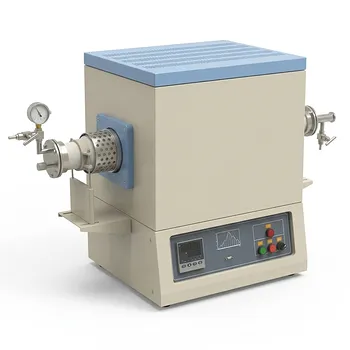
1750°C High Temperature Benchtop Vacuum Atmosphere Tube Furnace with Kanthal Super 1800 Heating Elements and 60mm Alumina Processing Tube
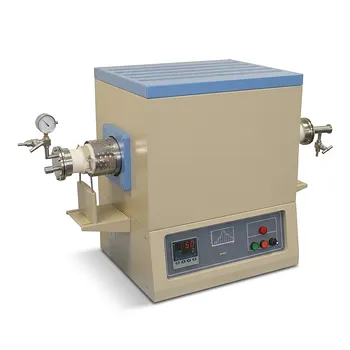
1700C High Temperature Alumina Tube Furnace with 18 Inch Heated Zone and Vacuum Sealing Flanges
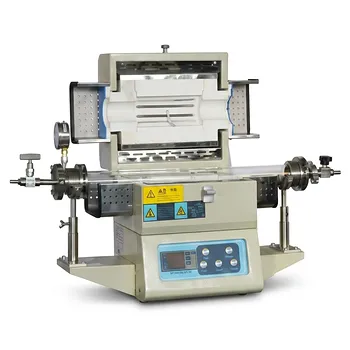
High Temperature 1200C Split Tube Furnace for CVD Research and Vacuum Atmosphere Heat Treatment
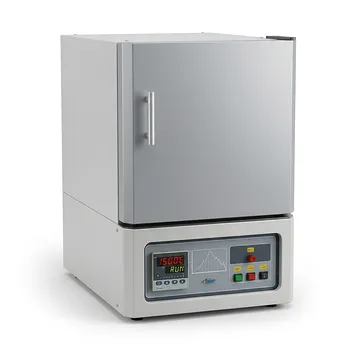
High Temperature 1500C Benchtop Muffle Furnace 3.6L Alumina Fiber Chamber Programmable Controller Sintering Annealing Carbonization Thermal Processing System

High Temperature 1700C Vertical Tube Furnace for Powder Spherification and Material Sintering
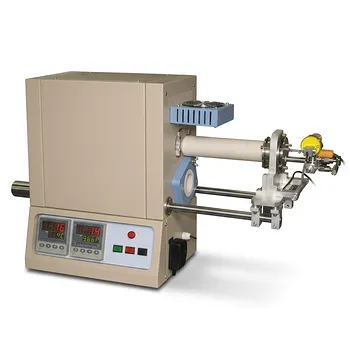
High Temperature Tube Furnace 1500C with Sliding Flanges and 50mm OD for Rapid Thermal Processing Fast Heating and Cooling

Compact High Temperature 1600C Tube Furnace with 50mm Alumina Tube and Vacuum Flanges for Material Sintering
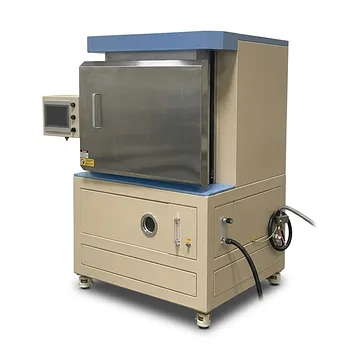
1650C High Temperature Atmosphere Controlled Box Furnace with 65L Chamber for Advanced Material Sintering and Industrial Heat Treatment
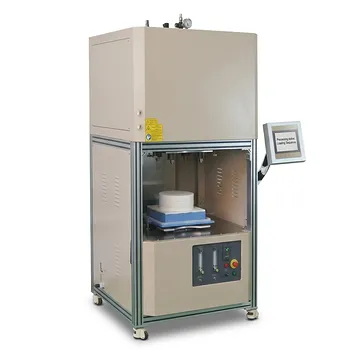
High Temperature Vertical Atmosphere Controlled Furnace with Automatic Bottom Loading and 1700°C Capacity for Advanced Material Research

High Temperature 1700C Tube Furnace with High Vacuum Turbomolecular Pump System and Multi Channel Mass Flow Controller Gas Mixer

Vertical 1700C Vacuum and Atmosphere Tube Furnace with 80mm Alumina Tube
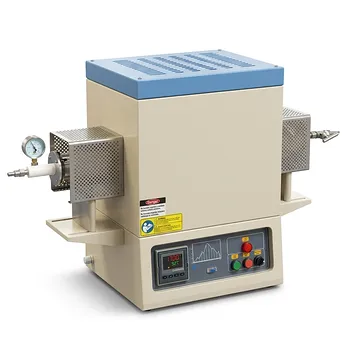
High Temperature Three Zone Tube Furnace 1700C with Alumina Tube and Water Cooled Flanges
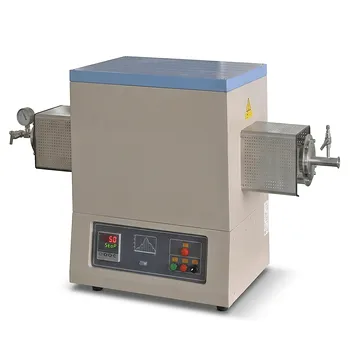
High Temperature 1700C Tube Furnace with 4 Inch OD Alumina Tube and Vacuum Sealing Flanges

High Temperature Automated 5 Inch Tube Furnace for Autonomous Material Research and Advanced Laboratory R&D
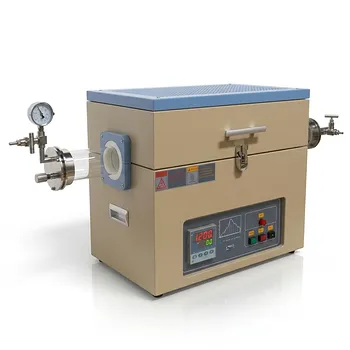
High Temperature 1200C Split Tube Furnace with Optional Quartz Tube Sizes and Vacuum Sealing Flanges for Material Science Research

1800C High Temperature Compact Vacuum Tube Furnace with 60mm OD Alumina Tube and Kanthal MoSi2 Heating Elements

High Temperature 1700C Benchtop Tube Furnace with 5 Inch Heating Zone High Purity Alumina Tube and Vacuum Sealing Flanges
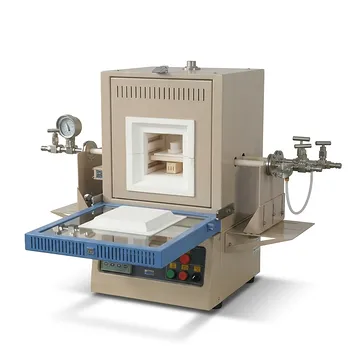
1700C Compact Hybrid Furnace with Dual Layer Box Sintering and Controlled Atmosphere Alumina Tubes
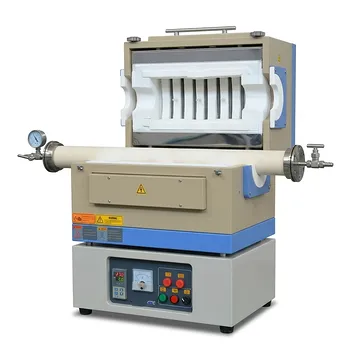
High Temperature 1600C Split Tube Furnace Vacuum Flanges Valves Optional 60mm 80mm Alumina Tube
