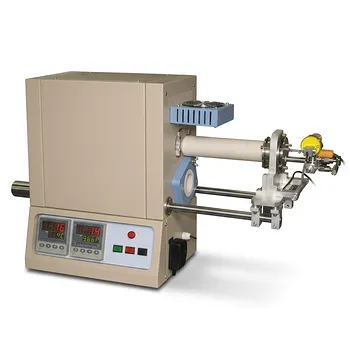
What are the primary functions of a laboratory tube furnace in the magnetization roasting of oolitic hematite? Expert Guide
Updated 3 months ago
In the context of gas-based magnetization roasting, the laboratory tube furnace acts as a precision reactor. It provides the strictly controlled thermal and atmospheric conditions necessary to transform weakly magnetic oolitic hematite into strongly magnetic magnetite. By isolating the ore within a sealed environment and regulating gas-solid interactions, the furnace ensures the reduction process is chemically accurate and repeatable.
The laboratory tube furnace serves as an integrated system for thermal regulation and chemical isolation, enabling the precise phase transformation of iron oxides. It facilitates the conversion of hematite to magnetite by strictly managing programmed heating curves and the flow of reducing gases.
Thermal Precision and Phase Transformation
Establishing Stable High-Temperature Zones
The tube furnace provides a stable thermal environment, typically ranging between 600°C and 850°C, which is the critical window for magnetization roasting. This heat drives the phase transformation kinetics required to alter the crystal structure of the oolitic hematite.
Executing Programmed Heating Curves
Advanced temperature control systems allow the furnace to strictly follow programmed heating curves. This ensures that the ore reaches the required reaction temperature at a specific rate, preventing thermal shock or inconsistent processing of the sample.
Achieving Uniform Radial Heating
The cylindrical geometry of the tube furnace provides highly uniform radial heating. This uniformity is essential for ensuring that the entire sample of oolitic hematite experiences the same thermal conditions, leading to a consistent final product.
Atmospheric Control for Chemical Reduction
Creating a Sealed Reaction Space
One of the primary functions is providing a sealed reaction space that isolates the sample from external contaminants and oxygen. This isolation is vital because the presence of ambient air would lead to oxidation rather than the desired reduction.
Regulating Gas-Solid Interactions
The furnace manages the interaction between the ore and gases like carbon monoxide (CO) and nitrogen (N₂). By maintaining specific flow rates, the system ensures that the reducing gases fully permeate the oolitic structure to convert hematite into magnetite.
Preventing Undesired Phase Transitions
Strict control over the atmosphere and temperature prevents over-reduction. Without this precision, the process could inadvertently produce ferrous oxide (FexO) or metallic iron, both of which would degrade the quality of subsequent magnetic separation.
Understanding Technical Constraints
The Risk of Over-Reduction
If temperatures exceed the target range or if reducing gas concentration is too high, the magnetite can further reduce into wüstite (FeO). This phase is non-magnetic, which defeats the purpose of the roasting process and results in poor mineral recovery.
Limitations of Sample Size
Laboratory tube furnaces are designed for precise, small-scale testing rather than bulk processing. The focus is on finding the optimal parameters (time, temperature, gas flow) rather than maximizing throughput, which can sometimes lead to results that require scaling adjustments for industrial applications.
Longitudinal Temperature Gradients
While radial heating is uniform, longitudinal temperature gradients can occur near the ends of the tube. Operators must ensure the sample is placed strictly within the "constant temperature zone" to maintain the integrity of the experiment.
How to Apply This to Your Project
When utilizing a laboratory tube furnace for magnetization roasting, your approach should vary based on your specific research or production objectives.
- If your primary focus is maximizing magnetite yield: Prioritize the calibration of gas flow meters to ensure a consistent saturation of carbon monoxide throughout the heating cycle.
- If your primary focus is preventing over-reduction: Implement a high-precision PID controller to strictly limit temperature fluctuations within a ±1°C range between 600°C and 750°C.
- If your primary focus is material purity: Utilize high-purity nitrogen as a protective gas during the cooling phase to prevent the re-oxidation of the magnetite back into hematite.
By mastering these functional variables, you can transform oolitic hematite into a high-value magnetic concentrate with maximum efficiency.
Summary Table:
| Key Function | Description | Technical Benefit |
|---|---|---|
| Thermal Precision | Stable zones between 600°C and 850°C | Drives accurate phase transformation kinetics. |
| Atmospheric Control | Sealed environment for CO and N₂ flow | Prevents oxidation and manages gas-solid reduction. |
| Radial Uniformity | Cylindrical heating geometry | Ensures the entire sample reaches uniform target temperatures. |
| Process Regulation | Programmed heating curves via PID | Prevents over-reduction to non-magnetic phases like Wüstite. |
Optimize Your Research with THERMUNITS Precision Furnaces
Success in magnetization roasting requires absolute control over temperature and atmosphere. THERMUNITS is a leading manufacturer of high-temperature laboratory equipment, providing the advanced technology needed for rigorous material science and industrial R&D.
Our comprehensive range of thermal processing solutions is designed to deliver repeatable, high-purity results for your specific applications:
- Specialized Furnaces: Tube, Atmosphere, Vacuum, Muffle, Rotary, and Hot Press furnaces.
- Advanced Systems: CVD/PECVD systems, Vacuum Induction Melting (VIM), and Electric Rotary Kilns.
- Expert Components: Dental Furnaces, high-grade Thermal Elements, and custom laboratory heat treatment equipment.
Whether you are refining mineral recovery or developing new materials, our engineering experts are ready to help you find the perfect system.
Contact THERMUNITS today to discuss your project requirements!
References
- Mengfei Li, Yu Hong. XPS Investigation of Magnetization Reduction Behavior and Kinetics of Oolitic Hematite in Gas-Based Roasting. DOI: 10.3390/min14050462
Mentioned Products
- Multi Position Tube Furnace 1100C for Laboratory Material Research and Advanced Industrial Thermal Processing
- Ten Zone Multi Orientation Laboratory Tube Furnace for 1200C High Temperature Gradient Thermal Processing
- High Temperature 1200C Split Tube Furnace with Hinged Vacuum Flanges and 4 Inch Quartz Tube for Laboratory Research
- 1100°C Vertical Laboratory Furnace for DIY Tubular Reactors with PID Temperature Controller
- High Temperature Automated 5 Inch Tube Furnace for Autonomous Material Research and Advanced Laboratory R&D
People Also Ask
- Why use a tube furnace for oxygen annealing LaCrO3/LaMnO3? Optimize Phase Transition & Magnetic Performance.
- What key role does a laboratory high-temperature tube furnace play in the production of carbon nanofibers? Guide
- How is a laboratory high-temperature tube furnace utilized to research the products of aluminothermic reduction? Advanced Metallurgical Solutions
- What is the role of a laboratory tube furnace in the carbonization process of porous carbon foam (PCF)? Master 3D Synthesis
- What role does a laboratory tube furnace play in the pyrolysis and carbonization of biomass? Optimize Thermal Research.

Tech Team · ThermUnits
Last updated on Jun 03, 2026
Related Products
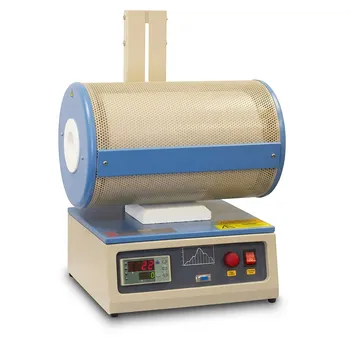
Multi Position Tube Furnace 1100C for Laboratory Material Research and Advanced Industrial Thermal Processing
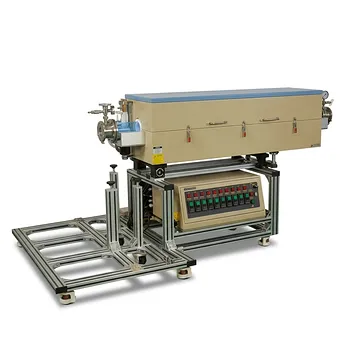
Ten Zone Multi Orientation Laboratory Tube Furnace for 1200C High Temperature Gradient Thermal Processing
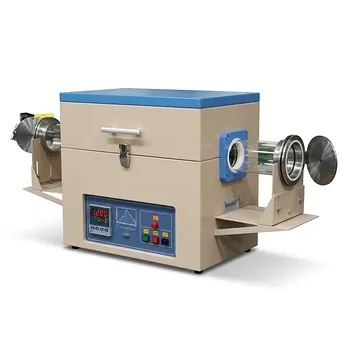
High Temperature 1200C Split Tube Furnace with Hinged Vacuum Flanges and 4 Inch Quartz Tube for Laboratory Research
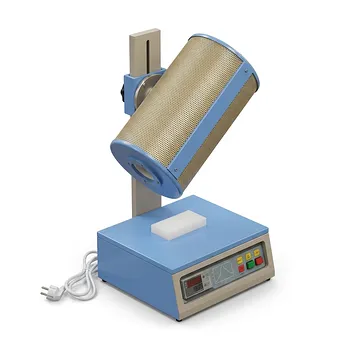
1100°C Vertical Laboratory Furnace for DIY Tubular Reactors with PID Temperature Controller

High Temperature Automated 5 Inch Tube Furnace for Autonomous Material Research and Advanced Laboratory R&D
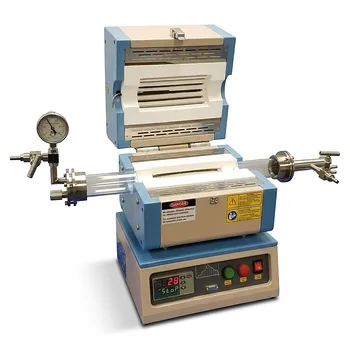
Compact Split Tube Furnace with Integrated Vacuum System and Precision Temperature Calibrator

1800C High Temperature Compact Vacuum Tube Furnace with 60mm OD Alumina Tube and Kanthal MoSi2 Heating Elements
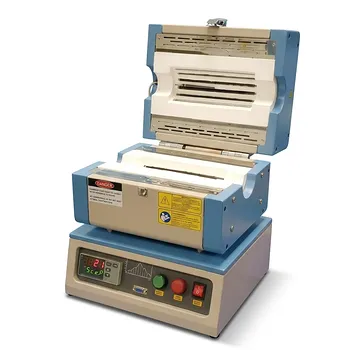
1250C Compact Split Tube Furnace with 8 Inch Heating Zone and Programmable Controller
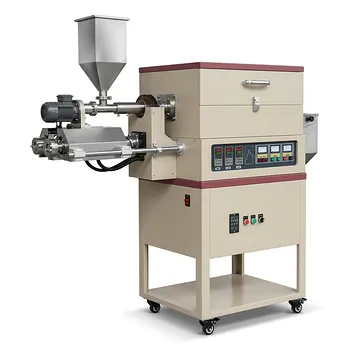
Laboratory Tilting Rotary Tubular Furnaces for Material Science and Industrial Heat Treatment
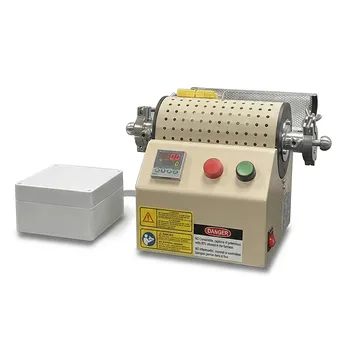
1000C Mini Tube Furnace with 20mm Quartz Tube and Vacuum Flanges for Material Science Research and Controlled Atmosphere Small Sample Processing
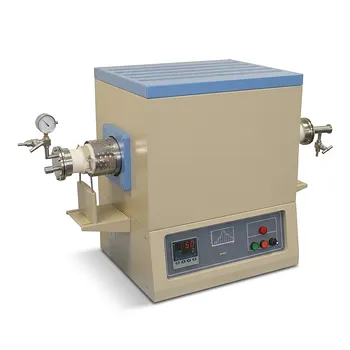
1700C High Temperature Alumina Tube Furnace with 18 Inch Heated Zone and Vacuum Sealing Flanges
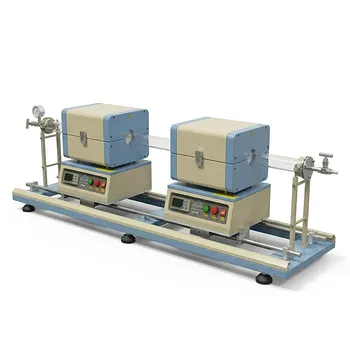
1200C Max Dual Sliding Tube Furnace with 50 mm Tube Flanges for CVD
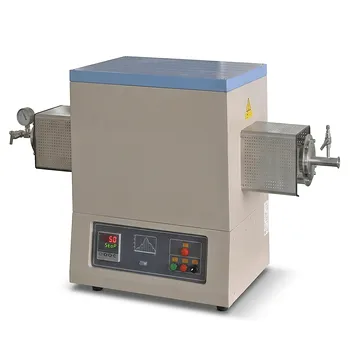
High Temperature 1700C Tube Furnace with 4 Inch OD Alumina Tube and Vacuum Sealing Flanges
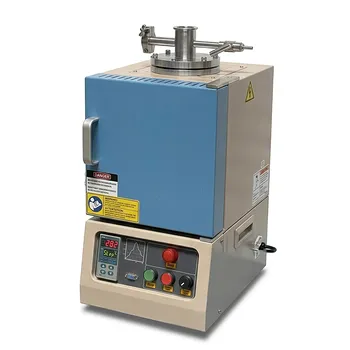
High Temperature Hybrid Muffle and Tube Furnace with Vacuum Capability and PID Control
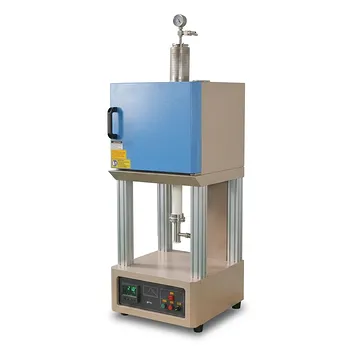
Hybrid High Temperature Tube and Box Furnace 1700C with 2 Inch Alumina Tube for Material Research
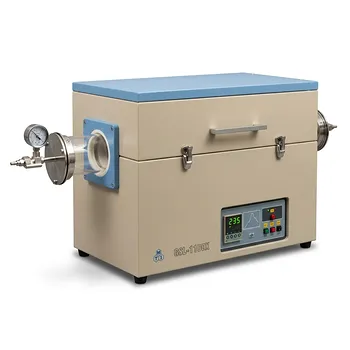
Single Zone Tube Furnace 5 Inch Quartz Tube 36 Inch Heating Zone Vacuum Flanges

High Temperature 1700C Vertical Tube Furnace for Powder Spherification and Material Sintering

1100C Tube Furnace with Vacuum Flange and Programmable Temperature Controller for Material Science and Industrial Heat Treatment

High Temperature 1700C Tube Furnace with High Vacuum Turbomolecular Pump System and Multi Channel Mass Flow Controller Gas Mixer