What are the advantages of rapid annealing tube furnaces for perovskite research? Enhance Efficiency and Performance
Updated 3 months ago
Rapid annealing tube furnaces provide a transformative shift in thermal kinetics, allowing perovskite materials to complete sintering in mere minutes compared to the hours or even days required by traditional box furnaces. This high-efficiency processing method utilizes extreme heating rates to inhibit the volatilization of sensitive components and promote the formation of unique fine-grain structures that are essential for optimizing dielectric performance and device stability.
Core Takeaway: The move from traditional box furnaces to rapid annealing tube furnaces transitions perovskite research from slow, equilibrium-based heating to ultra-fast kinetic control. This shift is critical for preserving material stoichiometry and creating high-quality interfaces that eliminate performance defects like hysteresis.
Accelerating Research Throughput and Efficiency
Transitioning from Hours to Minutes
Traditional box furnaces operate on slow heating cycles that can extend for days, often bottlenecking the research process. In contrast, Rapid Thermal Annealing (RTA) tube furnaces utilize infrared heating to compress the conversion process into a window of less than 10 minutes.
Significant Energy and Time Savings
By utilizing high-intensity heating elements, these furnaces minimize the "soak time" required for material transformation. This efficiency not only accelerates the experimental cycle but also significantly reduces the total energy consumption per sample.
Enhancing Material Morphology and Chemical Integrity
Inhibiting Component Volatilization
Perovskite precursors are often highly sensitive to prolonged heat, which can lead to the loss of volatile organic or halide species. The rapid heating rate of a tube furnace ensures the material reaches its phase-transition temperature so quickly that volatilization is effectively inhibited, preserving the intended chemical stoichiometry.
Refining Grain Structure for Performance
Slow cooling in box furnaces often leads to excessive grain coarsening, which can degrade electrical properties. Rapid annealing promotes unique fine-grain structures and high crystallinity, which are vital for enhancing the dielectric tuning performance of the resulting thin films.
Suppressing Deep Atomic Diffusion
In multi-layer perovskite devices, prolonged heating can cause unwanted "deep diffusion" of impurity atoms into sensitive layers. Rapid thermal processing allows for necessary alloying or sintering reactions to occur instantaneously, protecting the physical integrity of ultra-thin channels and gate dielectrics.
Optimizing Device Interfaces and Stability
Eliminating Hysteresis in Solar Cells
Exposure to vacuum or high heat for extended periods can degrade the SnO2 layer often used in perovskite solar cells. By reducing processing time, rapid annealing minimizes interface degradation, which effectively eliminates the hysteresis phenomenon that often plagues device measurements.
Superior Environmental Isolation
Unlike many box furnaces, tube furnaces offer advanced sealing capabilities that allow for precise control over the atmosphere. Researchers can introduce specific protective gases like Argon or operate under high vacuum to ensure the perovskite is never contaminated by moisture or oxygen during the critical annealing phase.
Strengthening Interfacial Bonds
Thermal processing in a controlled tube environment induces stronger bonding between active materials and substrates without the need for insulating polymer binders. This results in more efficient charge transport and ion diffusion channels, which are critical for high-power density applications.
Understanding the Trade-offs
Thermal Stress and Induced Defects
The extreme temperature gradients and rapid cycling inherent in RTA can introduce significant thermal stress into the material. While this can be used to create defect-rich structures that may benefit certain kinetic applications, it can also lead to unintended micro-cracking if not carefully programmed.
Volume and Scalability Constraints
Traditional muffle or box furnaces excel at processing large batches of materials or bulky components due to their large internal volume. Tube furnaces are generally limited by the diameter of the quartz or alumina tube, making them better suited for thin films, small samples, or continuous flow processes rather than bulk manufacturing.
Complexity of Temperature Gradients
While rapid heating is an advantage, it requires sophisticated programming to avoid uneven heating across a sample. Precise multi-stage dwell times and ramp rates (such as 3°C/min for organic removal followed by a rapid spike) are necessary to prevent the formation of amorphous phases or non-uniform crystalline regions.
How to Apply This to Your Research Project
To achieve the best results, your choice of thermal processing should align with your specific material goals:
- If your primary focus is preserving stoichiometry and preventing volatile loss: Utilize a rapid annealing tube furnace to cross the evaporation threshold of organic components as quickly as possible.
- If your primary focus is eliminating device hysteresis and interface lag: Use RTA to limit the thermal exposure of the electron transport layer (e.g., SnO2) to under 10 minutes.
- If your primary focus is large-scale solid-state synthesis or organic burnout: A traditional programmable muffle furnace remains the better choice for its volume and steady, low-gradient heating.
- If your primary focus is creating high-performance ohmic contacts: Use the rapid heating capabilities of a tube furnace to induce an instantaneous alloying reaction while suppressing deep impurity diffusion.
By mastering the kinetic advantages of rapid annealing, you can unlock material phases and device efficiencies that remain unreachable through traditional equilibrium heating.
Summary Table:
| Feature | Rapid Annealing Tube Furnace | Traditional Box Furnace |
|---|---|---|
| Processing Time | Minutes (Ultra-fast kinetics) | Hours to Days (Slow cycles) |
| Stoichiometry | Inhibits component volatilization | High risk of volatile loss |
| Grain Structure | Fine-grain, high crystallinity | Potential for excessive coarsening |
| Interface Quality | Minimizes degradation/hysteresis | Prone to interface defects |
| Atmosphere Control | Precise vacuum/gas sealing | Limited atmospheric isolation |
| Ideal Use Case | Thin films & sensitive materials | Bulk synthesis & large batches |
Optimize Your Research Results with THERMUNITS
As a global leader in high-temperature laboratory equipment, THERMUNITS empowers material scientists with precision-engineered thermal solutions. From accelerating perovskite research with our Rapid Annealing Tube Furnaces to performing large-scale synthesis in our high-capacity Muffle Furnaces, we provide the tools necessary for groundbreaking R&D.
Our comprehensive product range includes:
- Tube, Rotary, and Muffle Furnaces
- Vacuum, Atmosphere, and Hot Press Furnaces
- CVD/PECVD Systems & Vacuum Induction Melting (VIM)
- Dental Furnaces and Advanced Thermal Elements
Take control of your thermal kinetics and ensure material integrity. Contact us today to discuss your specific heat treatment requirements and discover how our expertise can drive your innovation forward!
References
- Mojan Omidvar, Yang Hao. Accelerated discovery of perovskite solid solutions through automated materials synthesis and characterization. DOI: 10.1038/s41467-024-50884-y
Mentioned Products
- 1200C High Temperature 5 Inch Sliding Tube Furnace for Rapid Thermal Processing RTP and Wafer Annealing
- 900 ºC Max Sliding RTP Tube Furnace with Rapid IR Heating and 4 Inch OD Quartz Tube
- Compact Atmosphere Controlled Rapid Thermal Processing RTP Furnace with 4 Inch ID Quartz Tube 1100C
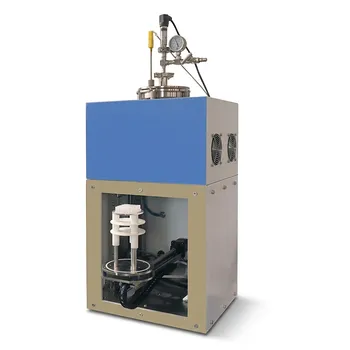
- Rapid Thermal Processing Atmosphere Controlled Bottom Loading Furnace 1100C with 50C Per Second Heating Rate for Wafer Annealing
- Rapid Thermal Processing Furnace 1100C Atmosphere Controlled Bottom Loading RTP System for Wafer Annealing and Catalysis Research
People Also Ask
- What role does a SiC-coated graphite susceptor play in H2Se selenization? Boost RTP Thermal Uniformity & Film Purity.
- What is the function of a high-temperature tube furnace in SiC wafer bonding? Achieve Atomic-Level Interface Purity
- What are the functional advantages of an RTP system for surface deposition? Enhance Heterojunction Interface Integrity
- What critical conditions does an industrial high-temperature tube furnace provide for annealing (GaAl)2O3 thin films?
- What are the advantages of using a Rapid Thermal Annealing (RTA) furnace for Beta-Ga2O3 devices vs. Tube Furnaces?

Tech Team · ThermUnits
Last updated on Jun 02, 2026
Related Products
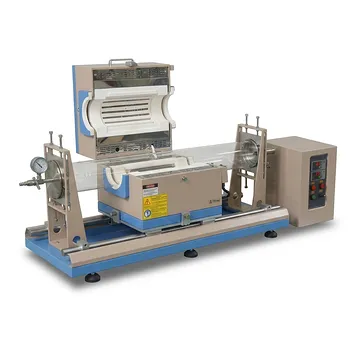
1200C High Temperature 5 Inch Sliding Tube Furnace for Rapid Thermal Processing RTP and Wafer Annealing
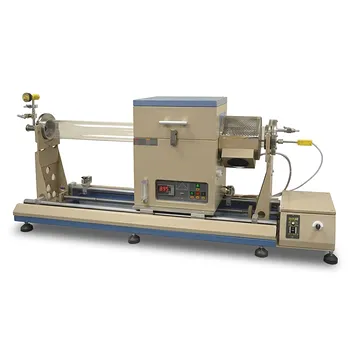
900 ºC Max Sliding RTP Tube Furnace with Rapid IR Heating and 4 Inch OD Quartz Tube
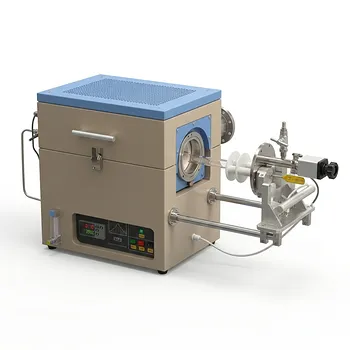
Compact Atmosphere Controlled Rapid Thermal Processing RTP Furnace with 4 Inch ID Quartz Tube 1100C
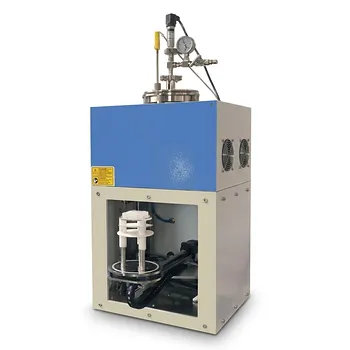
Rapid Thermal Processing Atmosphere Controlled Bottom Loading Furnace 1100C with 50C Per Second Heating Rate for Wafer Annealing
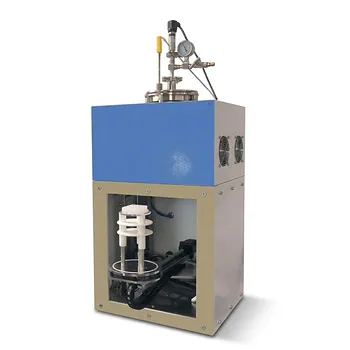
Rapid Thermal Processing Furnace 1100C Atmosphere Controlled Bottom Loading RTP System for Wafer Annealing and Catalysis Research
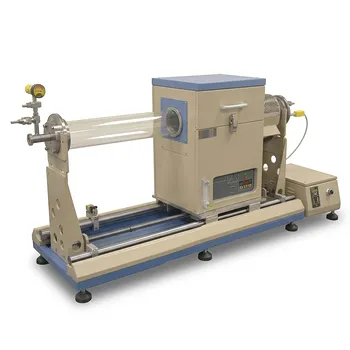
Rapid Thermal Processing Sliding Tube Furnace with 4 Inch OD Quartz Tube and 900C IR Heating
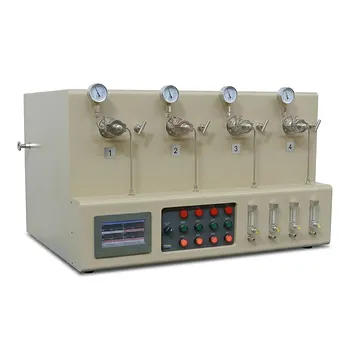
High Temperature 1700C 4 Channel Tube Furnace 1 Inch Alumina Tube for Hi-Throughput Annealing

Compact Vertical Split Quartz Tube Furnace with Stainless Steel Vacuum Flanges for Rapid Thermal Quenching and Controlled Atmosphere Material Processing
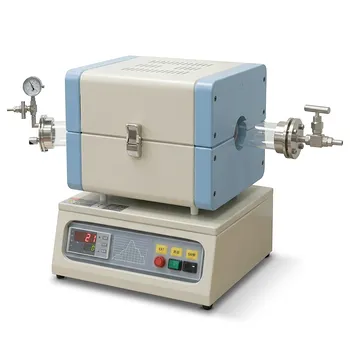
1200C Tube Furnace with Internal Magnetic Sample Sliding for Direct Vaporizing Deposition and Rapid Thermal Processing
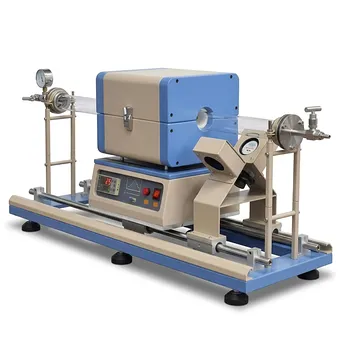
Automated Sliding Tube Furnace for Fast Heating and Cooling 2 Inch OD 1100C Max
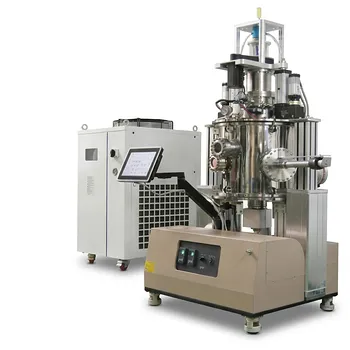
950C Rapid Thermal Processing Furnace for 12 Inch Wafer CSS Coating with Rotating Substrate Holder

1200C High Throughput Multi Channel Tube Furnace with 50mm Quartz Tubes for Annealing and Material Phase Diagram Research
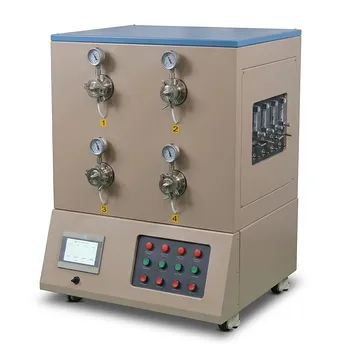
High Throughput 1200C Four Channel Tube Furnace with 3 Inch Quartz Tubes for Multi Zone Annealing and Material Research

High Temperature Tube Furnace 1500C with Sliding Flanges and 50mm OD for Rapid Thermal Processing Fast Heating and Cooling
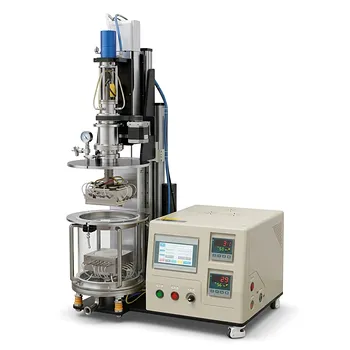
High Temperature 800C Rapid Thermal Processing Furnace with Rotating Sample Holder for Close Spaced Sublimation and Thin Film Solar Cell Research
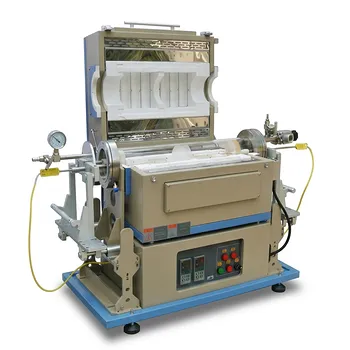
Two Zone IR Heating Rapid Thermal Processing RTP Tube Furnace with 4 Inch ID Quartz Tube and Sliding Sample Holders
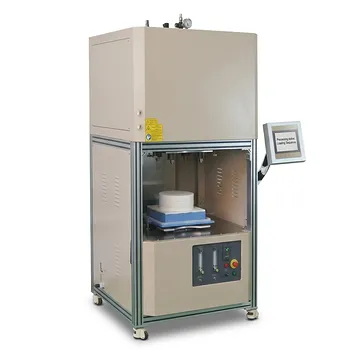
High Temperature Vertical Atmosphere Controlled Furnace with Automatic Bottom Loading and 1700°C Capacity for Advanced Material Research
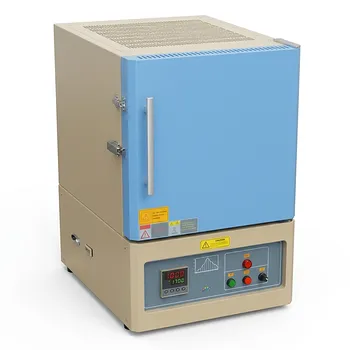
Large Bench Top 1700C High Temperature Muffle Furnace with 19L Chamber for Advanced Material Sintering and Annealing

High Temperature 1700C Vertical Tube Furnace for Powder Spherification and Material Sintering