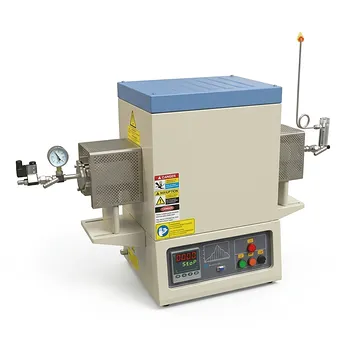
What are the temperature control requirements for a tube furnace in OM-TMD synthesis? Achieve Multi-Zone Precision.
Updated 3 months ago
Precise thermal management is the cornerstone of synthesizing high-quality Ordered Mesoporous Transition Metal Dichalcogenides (OM-TMDs).
To successfully convert metal oxides into TMDs via sulfidation, selenization, or tellurization, a tube furnace must utilize multi-zone independent temperature control. This dual-zone configuration allows for the simultaneous management of chalcogen sublimation in a lower temperature zone and the solid-state phase transformation in a high-temperature central zone, ensuring vapor concentrations perfectly match reaction rates.
Core Takeaway: Effective synthesis of OM-TMD/MO heterostructures depends on synchronized gradient heating. By decoupling the chalcogen vapor generation from the metal oxide reaction temperature, researchers can achieve precise phase purity and the construction of complex core-shell architectures.
The Role of Multi-Zone Gradient Heating
Independent Control of Chalcogen Sublimation
The synthesis process begins in a low-temperature zone specifically designed to control the sublimation of sulfur, selenium, or tellurium powders. By maintaining a precise, independent temperature in this zone, you can regulate the vapor density of the chalcogen source throughout the reaction.
Driving the Central Phase Transformation
The actual conversion of metal oxides into transition metal dichalcogenides occurs in the high-temperature central zone. This zone provides the thermal energy required to drive the chemical substitution of oxygen with the chalcogen atoms while maintaining the ordered mesoporous framework.
Achieving Core-Shell Architectures
Precise temperature gradients allow the chalcogen vapor concentration to be perfectly balanced against the reaction rate of the metal oxide. This synchronization is critical for the development of heterostructures, where a TMD shell is grown precisely over a metal oxide core without destroying the underlying template.
Atmospheric and Programmable Requirements
Utilizing Reducing and Protective Atmospheres
The tube furnace must maintain an enclosed, controlled environment to introduce Ar/H2 or nitrogen atmospheres. These gases are vital for inhibiting excessive oxidation, promoting the reaction between chalcogen vapors and oxide surfaces, and preserving the specific valence states of the transition metals.
Multi-Stage Temperature Programming
Synthesis requires a furnace capable of sophisticated, multi-stage ramping to manage different chemical events like melt impregnation or carbonization. Common protocols include slow ramps, such as 3 °C/min to 10 °C/min, to reach stable plateaus between 600 °C and 900 °C.
In-Situ Functionalization
Advanced tube furnaces allow for the integration of multiple processes, such as the simultaneous carbonization of polymer fibers and the growth of carbon nanotubes. This in-situ capability effectively merges pyrolysis and chemical vapor deposition (CVD) into a single thermal cycle.
Understanding the Trade-offs
Vapor Saturation vs. Depletion
If the low-temperature zone is too hot, the chalcogen source may deplete before the metal oxide reaches its reaction temperature. Conversely, insufficient heating in the source zone leads to incomplete sulfidation, resulting in impure phases and poor electrochemical activity.
Heating Rate vs. Structural Integrity
While rapid heating (10 °C/min) can increase throughput, it may cause thermal shock or rapid gas evolution that collapses the mesoporous structure. Slower rates (3 °C/min) are often preferred during critical phase changes to preserve the high surface area of the ordered pores.
Atmospheric Purity Risks
Any leak in the furnace tube that allows oxygen ingress will lead to the degradation of the TMD phase. Maintaining a high-purity nitrogen or argon environment is non-negotiable for ensuring the phase purity and stability of the resulting catalyst.
How to Apply These Requirements to Your Project
When configuring your tube furnace protocols for OM-TMD synthesis, align your temperature control strategy with your specific material goals.
- If your primary focus is Core-Shell Heterostructures: Prioritize a multi-zone furnace that allows you to independently tune the chalcogen sublimation rate relative to the central reaction zone.
- If your primary focus is High Phase Purity: Utilize a reducing Ar/H2 atmosphere and a precise multi-stage heating program to maintain transition metal valence states and prevent oxidation.
- If your primary focus is Structural Framework Stability: Implement slower heating rates (around 3 °C/min) during the initial stages to allow for steady gas expansion and prevent the collapse of mesopores.
Mastering the interplay between chalcogen vapor pressure and localized thermal fields is the only way to ensure the reproducible synthesis of high-performance mesoporous materials.
Summary Table:
| Requirement | Purpose | Technical Specification |
|---|---|---|
| Multi-Zone Control | Decouples chalcogen sublimation from reaction | Independent heating for source and central zones |
| Ramp Rate Management | Preserves ordered mesoporous frameworks | Slow ramps (3°C/min to 10°C/min) to prevent collapse |
| Atmospheric Control | Inhibits oxidation and maintains valence states | Controlled Ar/H2 or Nitrogen protective environments |
| Multi-Stage Programming | Manages complex phase transformations | Stable plateaus between 600°C and 900°C |
Elevate Your Material Research with THERMUNITS Precision
As a global leader in high-temperature laboratory equipment for material science and industrial R&D, THERMUNITS understands that precise thermal management is non-negotiable for synthesizing advanced OM-TMD/MO heterostructures.
Whether you need multi-zone Tube Furnaces, CVD/PECVD Systems, or specialized Vacuum and Atmosphere Furnaces, our equipment is engineered to deliver the synchronized gradient heating and atmospheric purity your project demands.
Ready to optimize your synthesis outcomes? Contact our technical experts today to find the ideal thermal solution for your laboratory.
References
- Zhenliang Li, Li Tao. Universal Synthesis of Core–Shell‐Structured Ordered Mesoporous Transition Metal Dichalcogenides/Metal Oxides Heterostructures with Active Edge Sites. DOI: 10.1002/sstr.202400376
Mentioned Products
- High Temperature Tube Furnace 1500C with Sliding Flanges and 50mm OD for Rapid Thermal Processing Fast Heating and Cooling
- High Temperature 1700C Tube Furnace with High Vacuum Turbomolecular Pump System and Multi Channel Mass Flow Controller Gas Mixer
- 1750°C High Temperature Benchtop Vacuum Atmosphere Tube Furnace with Kanthal Super 1800 Heating Elements and 60mm Alumina Processing Tube
- High Temperature 1700C Benchtop Tube Furnace with 5 Inch Heating Zone High Purity Alumina Tube and Vacuum Sealing Flanges
- 1700C High Temperature Alumina Tube Furnace with 18 Inch Heated Zone and Vacuum Sealing Flanges
People Also Ask
- How are high-temperature tube furnaces utilized to repair etching damage? Precision Lattice Restoration Solutions
- What core conditions does a high-temperature tube furnace provide for rGO aerogels? Mastering Precision Synthesis.
- What role does a high-temperature tube furnace play in CVD synthesis of silicon nanowires? Master VLS Growth Precision.
- How does precision tube furnace control influence CoFe nanoparticle formation? Master Your Bimetallic Synthesis.
- What role does a high-temperature tube furnace play in the sulfidation heat treatment of CoS@C/MXene nanocomposites? Guide

Tech Team · ThermUnits
Last updated on Jun 02, 2026
Related Products

High Temperature Tube Furnace 1500C with Sliding Flanges and 50mm OD for Rapid Thermal Processing Fast Heating and Cooling

High Temperature 1700C Tube Furnace with High Vacuum Turbomolecular Pump System and Multi Channel Mass Flow Controller Gas Mixer
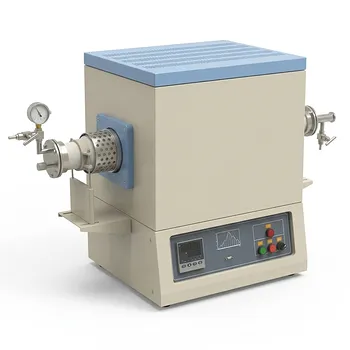
1750°C High Temperature Benchtop Vacuum Atmosphere Tube Furnace with Kanthal Super 1800 Heating Elements and 60mm Alumina Processing Tube

High Temperature 1700C Benchtop Tube Furnace with 5 Inch Heating Zone High Purity Alumina Tube and Vacuum Sealing Flanges
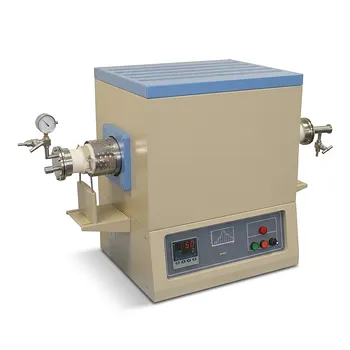
1700C High Temperature Alumina Tube Furnace with 18 Inch Heated Zone and Vacuum Sealing Flanges
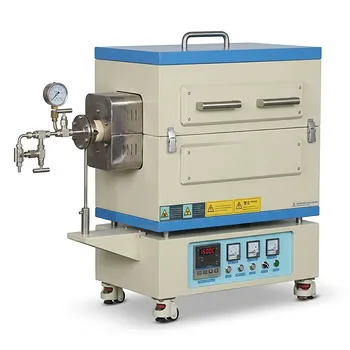
High Temperature Split Tube Furnace 1500C for Material Research Vacuum and Atmosphere Thermal Processing

Compact High Temperature 1600C Tube Furnace with 50mm Alumina Tube and Vacuum Flanges for Material Sintering

1800C High Temperature Compact Vacuum Tube Furnace with 60mm OD Alumina Tube and Kanthal MoSi2 Heating Elements
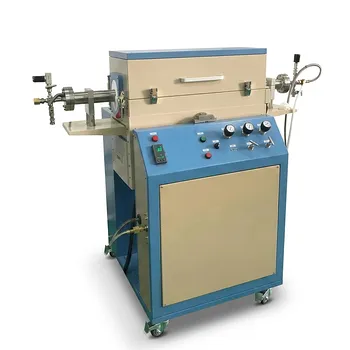
High Temperature Rocking Tube Furnace 1700°C Alumina Processing Tube with Precision Oscillation for Material Synthesis
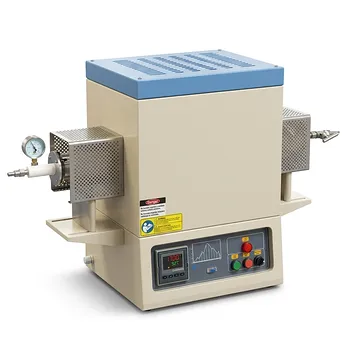
High Temperature Three Zone Tube Furnace 1700C with Alumina Tube and Water Cooled Flanges

High Temperature 1700C Vertical Tube Furnace for Powder Spherification and Material Sintering
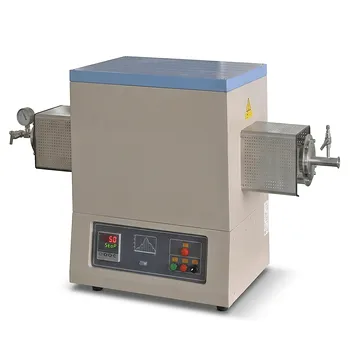
High Temperature 1700C Tube Furnace with 4 Inch OD Alumina Tube and Vacuum Sealing Flanges
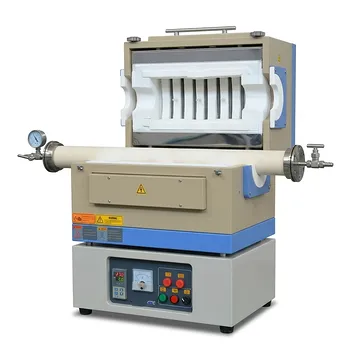
High Temperature 1600C Split Tube Furnace Vacuum Flanges Valves Optional 60mm 80mm Alumina Tube

High Temperature Automated 5 Inch Tube Furnace for Autonomous Material Research and Advanced Laboratory R&D
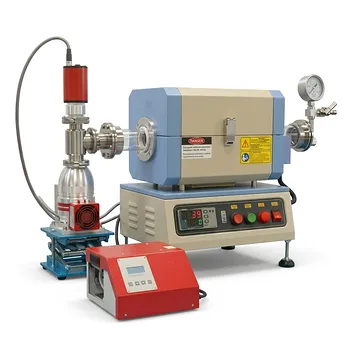
High Vacuum Compact Tube Furnace 1200C with Integrated Turbo Pump System and 8 Inch Heating Zone
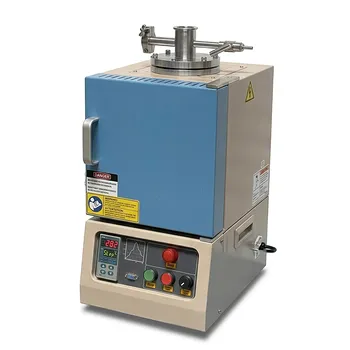
High Temperature Hybrid Muffle and Tube Furnace with Vacuum Capability and PID Control
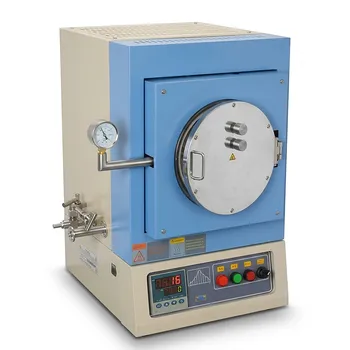
1100°C High Temperature Quartz Chamber Furnace 8 Inch OD with 7.6 Liter Capacity and Vacuum Atmosphere Capability

1100C Tube Furnace with Vacuum Flange and Programmable Temperature Controller for Material Science and Industrial Heat Treatment
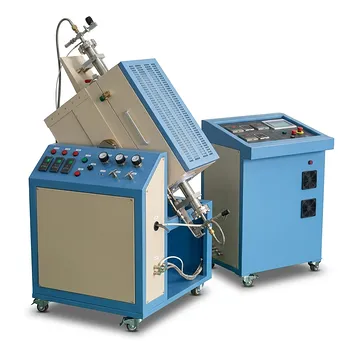
1100C High Pressure Rocking Tube Furnace with 2 Inch Super Alloy Processing Tube for Material Synthesis