What core conditions does a high-temperature tube furnace provide during Ni-ZIF-8 carbonization? Expert Synthesis Guide
Updated 3 months ago
A high-temperature tube furnace provides two critical conditions for the synthesis of Ni-NC-NS: an oxygen-free inert atmosphere and a precisely regulated thermal environment, typically reaching 950°C. These conditions facilitate the deep pyrolysis of organic ligands and the simultaneous evaporation of zinc atoms, which are essential for creating lattice vacancies and stabilizing nickel single-atom sites within a nitrogen-doped carbon framework.
Core Takeaway: The tube furnace acts as a controlled chemical reactor that transforms Ni-ZIF-8 nanosheets into a high-surface-area catalytic structure by balancing thermal decomposition with the selective removal of volatile metal components under an inert gas shield.
Atmospheric Control and Environmental Isolation
Establishing an Inert Nitrogen Shield
The furnace maintains a continuous flow of high-purity nitrogen (N2) or argon to displace all oxygen within the quartz tube. This inert atmosphere is vital because it prevents the oxidative combustion of the organic ligands and the nickel components at high temperatures.
Maintaining an Oxygen-Free State
Superior sealing performance ensures that no ambient air enters the heating zone. By maintaining this oxygen-free environment, the furnace allows the precursor to undergo pyrolytic dehydration rather than burning, which preserves the structural integrity of the resulting carbon nanosheets.
Facilitating Chemical Vapor Removal
As the Ni-ZIF-8 reaches high temperatures, various byproducts and volatile species are released. The constant flow of the inert gas within the tube furnace effectively carries these vapors away, ensuring the reaction equilibrium favors the formation of a pure nitrogen-doped carbon (NC) structure.
Thermal Precision and Structural Transformation
Targeted Pyrolysis of Organic Ligands
The furnace provides a stable high-temperature environment (often cited at 950°C) that triggers the breakdown of the ZIF-8 framework. During this process, the organic ligands are converted into a conductive, nitrogen-doped carbon skeleton that serves as the support for the nickel atoms.
Controlled Zinc Evaporation
One of the most specialized roles of the tube furnace in this process is facilitating the evaporation of Zn atoms. Because zinc has a relatively low boiling point compared to nickel, the high-temperature environment promotes its removal in situ, leaving behind abundant lattice vacancies that are critical for the material’s porosity.
Stabilization of Nickel Single-Atom Sites
The precise thermal energy provided by the furnace allows nickel atoms to migrate and anchor into the nitrogen-doped framework. This creates nickel single-atom sites—highly active catalytic centers—that are stabilized by the surrounding nitrogen atoms within the two-dimensional porous structure.
Understanding the Trade-offs and Pitfalls
The Risk of Thermal Over-Exposure
If the temperature exceeds the optimal range (e.g., reaching 1100°C unnecessarily), there is a risk of excessive graphitization or the sintering of nickel atoms into inactive clusters. While higher heat can improve electrical conductivity, it often reduces the number of active single-atom sites available for catalysis.
Incomplete Carbonization at Low Temperatures
Conversely, failing to reach the target temperature (staying below 800°C) may result in incomplete pyrolysis. This leaves residual organic fragments that block pores and reduce the overall chemical stability and conductivity of the Ni-NC-NS nanosheets.
Impact of Heating Rates
The rate of temperature increase—often set at 3°C per minute—is a critical variable. A ramp that is too fast can cause structural collapse of the nanosheets due to the rapid escape of gases, while a ramp that is too slow may lead to undesirable phase changes before the carbon framework is fully stabilized.
How to Apply This to Your Synthesis Goals
Optimization for Catalytic Activity
When configuring your tube furnace for Ni-NC-NS production, the parameters must align with your specific performance requirements:
- If your primary focus is maximum catalytic surface area: Maintain the temperature near 950°C with a slow ramp rate (2-3°C/min) to ensure uniform zinc evaporation and vacancy creation.
- If your primary focus is high electrical conductivity: Consider slightly higher temperatures or longer dwell times (up to 3 hours) to promote a higher degree of graphitization within the carbon framework.
- If your primary focus is single-atom stability: Ensure a strict nitrogen flow rate and an airtight seal to prevent even trace amounts of oxygen from causing nickel particle aggregation.
Precise control over the furnace's thermal and atmospheric variables is the single most important factor in determining the final electronic and structural properties of the Ni-NC-NS material.
Summary Table:
| Parameter | Function in Ni-NC-NS Synthesis | Typical Specification |
|---|---|---|
| Atmosphere | Inert N2/Ar shield to prevent oxidation | Oxygen-free/Vacuum-sealed |
| Temperature | Facilitates pyrolysis & Zn evaporation | 950°C (Optimized Range) |
| Heating Rate | Ensures structural integrity of nanosheets | 2-3°C / minute |
| Gas Flow | Removes volatile species and byproducts | Continuous inert flow |
| Vapor Removal | Creates lattice vacancies for porosity | In-situ selective evaporation |
Achieve Synthesis Precision with THERMUNITS
Producing high-performance Ni-NC-NS requires absolute control over atmospheric purity and thermal gradients. THERMUNITS is a leading manufacturer of high-temperature laboratory equipment specifically designed for material science and industrial R&D.
Our advanced Tube Furnaces, Vacuum/Atmosphere systems, and CVD/PECVD solutions provide the stability and precision needed to stabilize single-atom sites and optimize catalytic performance. Don't let inconsistent heat compromise your research.
Ready to upgrade your laboratory’s capabilities? Contact THERMUNITS today for a customized thermal processing solution!
References
- Jin Hyuk Cho, Soo Young Kim. Crystallographically vacancy‐induced MOF nanosheet as rational single‐atom support for accelerating CO<sub>2</sub> electroreduction to CO. DOI: 10.1002/cey2.510
Mentioned Products
- High Temperature Tube Furnace 1500C with Sliding Flanges and 50mm OD for Rapid Thermal Processing Fast Heating and Cooling
- High Temperature 1700C Tube Furnace with High Vacuum Turbomolecular Pump System and Multi Channel Mass Flow Controller Gas Mixer
- 1750°C High Temperature Benchtop Vacuum Atmosphere Tube Furnace with Kanthal Super 1800 Heating Elements and 60mm Alumina Processing Tube
- High Temperature 1700C Benchtop Tube Furnace with 5 Inch Heating Zone High Purity Alumina Tube and Vacuum Sealing Flanges
- 1700C High Temperature Alumina Tube Furnace with 18 Inch Heated Zone and Vacuum Sealing Flanges
People Also Ask
- How are high-temperature tube furnaces utilized to repair etching damage? Precision Lattice Restoration Solutions
- What role does a high-temperature tube furnace play in CVD synthesis of silicon nanowires? Master VLS Growth Precision.
- What core conditions does a high-temperature tube furnace provide for rGO aerogels? Mastering Precision Synthesis.
- What role does a high-temperature tube furnace play in the sulfidation heat treatment of CoS@C/MXene nanocomposites? Guide
- How does precision tube furnace control influence CoFe nanoparticle formation? Master Your Bimetallic Synthesis.

Tech Team · ThermUnits
Last updated on Jun 03, 2026
Related Products
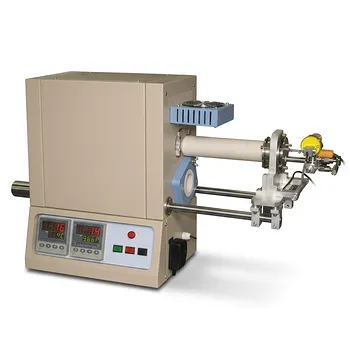
High Temperature Tube Furnace 1500C with Sliding Flanges and 50mm OD for Rapid Thermal Processing Fast Heating and Cooling

High Temperature 1700C Tube Furnace with High Vacuum Turbomolecular Pump System and Multi Channel Mass Flow Controller Gas Mixer
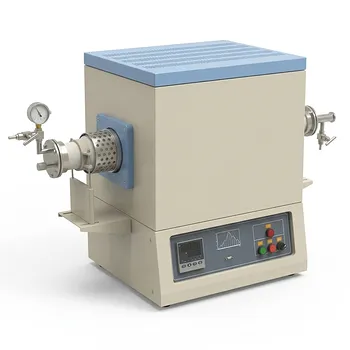
1750°C High Temperature Benchtop Vacuum Atmosphere Tube Furnace with Kanthal Super 1800 Heating Elements and 60mm Alumina Processing Tube

High Temperature 1700C Benchtop Tube Furnace with 5 Inch Heating Zone High Purity Alumina Tube and Vacuum Sealing Flanges
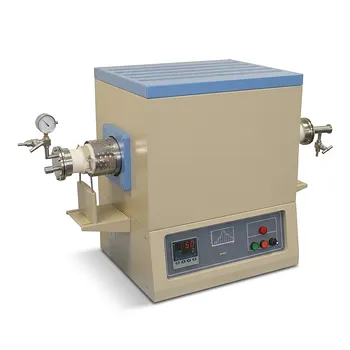
1700C High Temperature Alumina Tube Furnace with 18 Inch Heated Zone and Vacuum Sealing Flanges
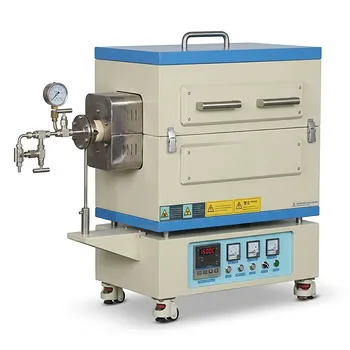
High Temperature Split Tube Furnace 1500C for Material Research Vacuum and Atmosphere Thermal Processing

1800C High Temperature Compact Vacuum Tube Furnace with 60mm OD Alumina Tube and Kanthal MoSi2 Heating Elements

Compact High Temperature 1600C Tube Furnace with 50mm Alumina Tube and Vacuum Flanges for Material Sintering
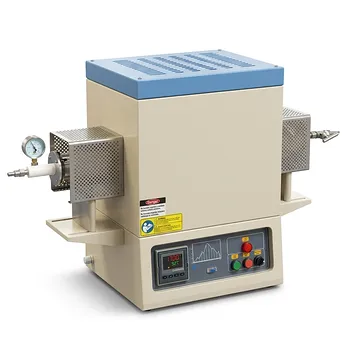
High Temperature Three Zone Tube Furnace 1700C with Alumina Tube and Water Cooled Flanges
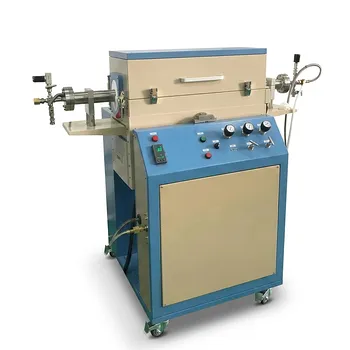
High Temperature Rocking Tube Furnace 1700°C Alumina Processing Tube with Precision Oscillation for Material Synthesis

High Temperature 1700C Vertical Tube Furnace for Powder Spherification and Material Sintering
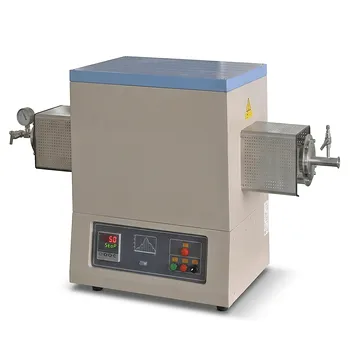
High Temperature 1700C Tube Furnace with 4 Inch OD Alumina Tube and Vacuum Sealing Flanges
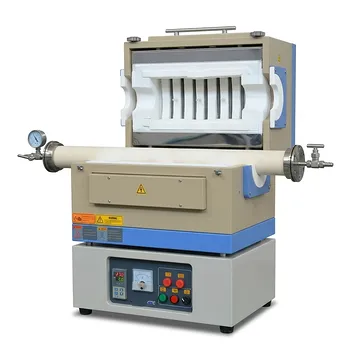
High Temperature 1600C Split Tube Furnace Vacuum Flanges Valves Optional 60mm 80mm Alumina Tube

High Temperature Automated 5 Inch Tube Furnace for Autonomous Material Research and Advanced Laboratory R&D
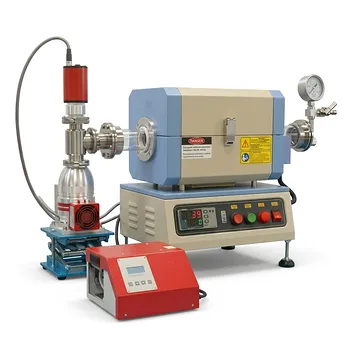
High Vacuum Compact Tube Furnace 1200C with Integrated Turbo Pump System and 8 Inch Heating Zone
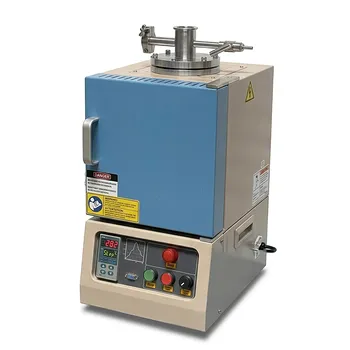
High Temperature Hybrid Muffle and Tube Furnace with Vacuum Capability and PID Control
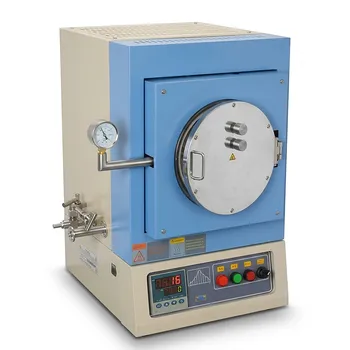
1100°C High Temperature Quartz Chamber Furnace 8 Inch OD with 7.6 Liter Capacity and Vacuum Atmosphere Capability

1100C Tube Furnace with Vacuum Flange and Programmable Temperature Controller for Material Science and Industrial Heat Treatment
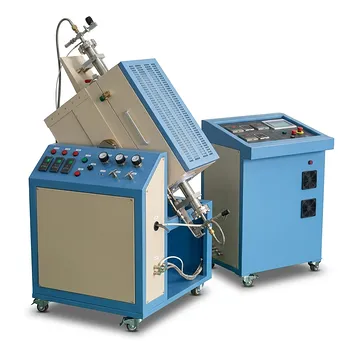
1100C High Pressure Rocking Tube Furnace with 2 Inch Super Alloy Processing Tube for Material Synthesis
