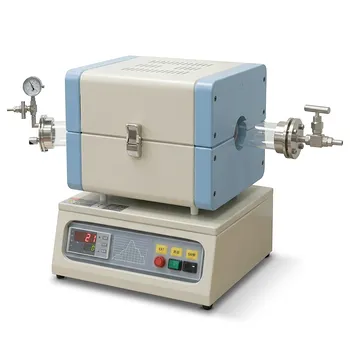
What function does a laboratory tube furnace serve in the heat treatment of Mg-Zn-Y alloys? Optimize Alloy Performance
Updated 3 months ago
A laboratory tube furnace serves as the critical hardware for providing a uniform and precisely controlled thermal environment required for the solid solution and precipitation stages of Mg-Zn-Y alloy development. By maintaining specific temperatures over long durations, the furnace facilitates the precipitation of the W phase (Mg3Zn3Y2) from the magnesium matrix. This process reduces the concentration of solute atoms within the alpha-Mg matrix, which directly enhances both the microstructural purity and the thermal conductivity of the alloy.
The tube furnace acts as a precision tool for regulating atomic diffusion and phase transitions. By managing heat and atmosphere over extended periods, it transforms a raw, segregated alloy structure into a high-performance material with optimized thermal and mechanical properties.
Facilitating Precise Phase Transformations
Promoting W Phase Precipitation
In alloys such as Mg-1.88Zn-0.75Y, the tube furnace provides the stable thermal energy necessary for the sufficient precipitation of the W phase (Mg3Zn3Y2). This controlled precipitation is vital because it manages how alloying elements are distributed between the matrix and second-phase particles.
Improving Thermal Conductivity
As the W phase precipitates, the concentration of solute atoms within the alpha-Mg matrix decreases. This purification of the matrix is essential for reducing electron and phonon scattering, which significantly boosts the thermal conductivity of the magnesium alloy.
Managing Phase Transition Kinetics
The tube furnace's ability to provide a linear and highly sealed heating space allows researchers to study the kinetics of phase transitions. By introducing specific process gases into quartz or ceramic tubes, it is possible to perform elemental doping and modify the alloy at the atomic level.
Microstructural Homogenization and Stress Management
Eliminating Compositional Segregation
During the heat treatment process, the furnace drives atomic diffusion to eliminate the compositional segregation often found in as-cast structures. This ensures that elements like magnesium, zinc, and yttrium reach a thermodynamically balanced distribution, resulting in a homogeneous solid solution.
Relieving Internal Processing Stresses
The uniform thermal field of a tube furnace is used to eliminate internal processing stresses and promote dislocation annihilation. In alloys that have undergone rolling or shaping, this stage is critical for inducing static recrystallization and achieving a balance between strength and ductility.
Controlling the Atmosphere
Because magnesium and yttrium are highly reactive, the tube furnace’s ability to maintain a vacuum or inert atmosphere is crucial. This prevents oxidation and gas contamination, ensuring the final alloy maintains its chemical purity and intended properties.
Understanding the Technical Trade-offs
Time-Intensity vs. Throughput
Achieving a fully homogenized structure often requires long-duration treatments, sometimes exceeding 24 hours. While this results in superior material properties, it limits the throughput of the laboratory and increases energy consumption compared to rapid heating methods like induction.
Physical Constraints and Scaling
Tube furnaces offer excellent temperature field uniformity, but they are limited by the physical dimensions of the furnace tube. This makes them ideal for research and small-scale samples but difficult to scale for large industrial components without losing the precision of the thermal field.
Equipment Sensitivity
Precise temperature control at levels such as 803 K (530 °C) requires high-quality sensors and PID controllers. Any deviation in temperature can lead to over-aging or the formation of undesirable intermetallic compounds, potentially compromising the alloy's structural integrity.
Applying Heat Treatment to Your Material Goals
The application of tube furnace heat treatment should be tailored to the specific performance requirements of your Mg-Zn-Y alloy project.
- If your primary focus is High Thermal Conductivity: Utilize the furnace for long-duration aging to maximize the precipitation of the W phase and purify the alpha-Mg matrix.
- If your primary focus is Structural Homogeneity: Prioritize high-temperature solid solution treatment to ensure all alloying elements are uniformly dissolved, eliminating casting segregation.
- If your primary focus is Stress Relief: Implement a controlled annealing cycle with specific cooling rates to remove residual stresses and optimize the balance of strength and ductility.
By mastering the precise thermal environment of the tube furnace, you can unlock the full potential of Mg-Zn-Y alloys for advanced engineering applications.
Summary Table:
| Furnace Function | Impact on Mg-Zn-Y Alloy | Key Benefit |
|---|---|---|
| Phase Precipitation | Drives W phase (Mg3Zn3Y2) formation | Controlled microstructure |
| Matrix Purification | Reduces solute atoms in alpha-Mg | Enhanced thermal conductivity |
| Homogenization | Eliminates compositional segregation | Uniform material properties |
| Atmosphere Control | Prevents oxidation of Mg and Y | High chemical purity |
| Stress Relief | Induces static recrystallization | Optimized strength & ductility |
Elevate Your Material Research with THERMUNITS
As a leading manufacturer of high-temperature laboratory equipment, THERMUNITS provides the precision thermal solutions essential for advanced material science and industrial R&D. Our high-performance Tube Furnaces, Vacuum systems, and CVD/PECVD equipment are engineered to deliver the uniform temperature fields and atmosphere control required for complex Mg-Zn-Y alloy treatments.
Whether you are optimizing thermal conductivity or achieving microstructural homogenization, our comprehensive range—including Muffle, Atmosphere, Rotary, and Hot Press furnaces—ensures your research meets the highest standards of purity and performance. We empower researchers with reliable tools for everything from dental furnaces to vacuum induction melting (VIM).
Ready to optimize your heat treatment process? Contact THERMUNITS Today to discuss your specific requirements with our technical experts and discover how our thermal processing solutions can accelerate your R&D goals.
References
- Yunsheng Wang, Yoshihito Kawamura. Mg-1.88Zn-0.75Y Cast Alloys with High Thermal Conductivity of 141 Wm<sup>−1</sup>K<sup>−1</sup>. DOI: 10.2320/matertrans.mt-l2024015
Mentioned Products
- Laboratory Tilting Rotary Tubular Furnaces for Material Science and Industrial Heat Treatment
- Vertical Hybrid High Temperature Furnace 1500C Alumina Tube SOFC Fuel Cell Testing Laboratory Heat Treatment Research Equipment
- High Temperature 1700C Three Zone Tube Furnace with Alumina Tube 50mm 60mm 80mm OD for Material Research and Industrial Heat Treatment
- 1750C Bench Top Muffle Furnace 3.6L High Grade Molybdenum Disilicide Heating Elements Laboratory Heat Treatment Equipment
- High Temperature Muffle Furnace with Dual Controllers and 36L Large Chamber 1700C Max
People Also Ask
- What technical advantages does a laboratory rotary tube furnace offer? Achieve superior uniformity and phase purity.
- How does a rotary tube furnace improve the processing of granular materials? Enhance Uniformity and Reaction Kinetics
- What are the typical operating temperature ranges and mechanical specifications for rotary furnaces? A Complete Guide
- What parameters must operators control to maintain product quality in a rotary furnace? Master Your Heat Treatment.
- How is a laboratory tube heating furnace applied during the evaluation of denitration catalysts? Essential Guide

Tech Team · ThermUnits
Last updated on Jun 02, 2026
Related Products
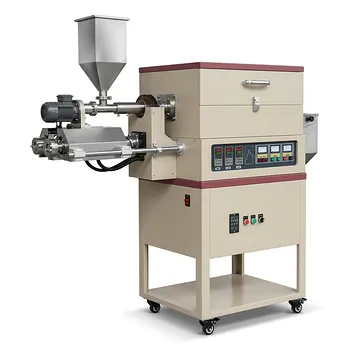
Laboratory Tilting Rotary Tubular Furnaces for Material Science and Industrial Heat Treatment
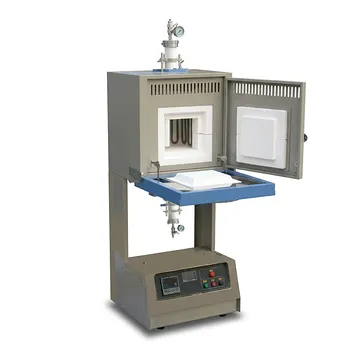
Vertical Hybrid High Temperature Furnace 1500C Alumina Tube SOFC Fuel Cell Testing Laboratory Heat Treatment Research Equipment
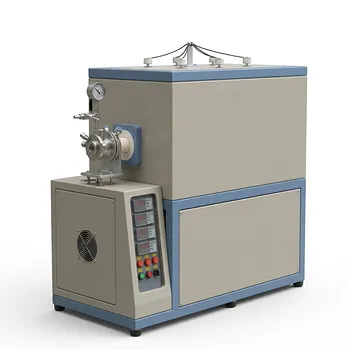
High Temperature 1700C Three Zone Tube Furnace with Alumina Tube 50mm 60mm 80mm OD for Material Research and Industrial Heat Treatment
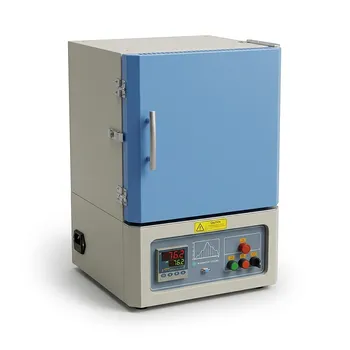
1750C Bench Top Muffle Furnace 3.6L High Grade Molybdenum Disilicide Heating Elements Laboratory Heat Treatment Equipment
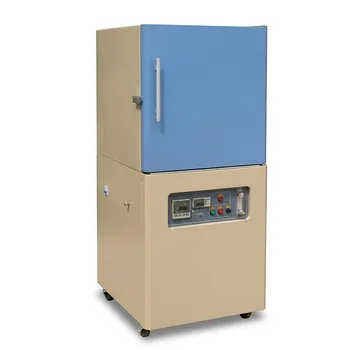
High Temperature Muffle Furnace with Dual Controllers and 36L Large Chamber 1700C Max
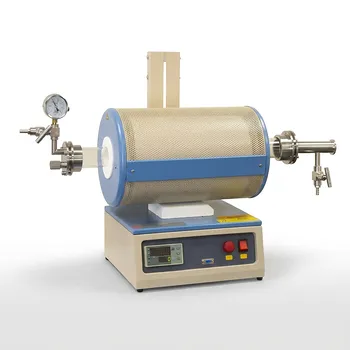
1100C Tube Furnace with Vacuum Flange and Programmable Temperature Controller for Material Science and Industrial Heat Treatment
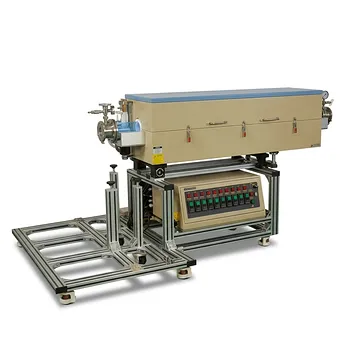
Ten Zone Multi Orientation Laboratory Tube Furnace for 1200C High Temperature Gradient Thermal Processing
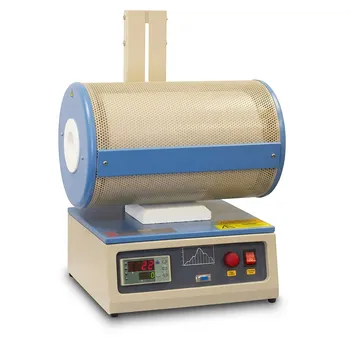
Multi Position Tube Furnace 1100C for Laboratory Material Research and Advanced Industrial Thermal Processing

1800C High Temperature Compact Vacuum Tube Furnace with 60mm OD Alumina Tube and Kanthal MoSi2 Heating Elements
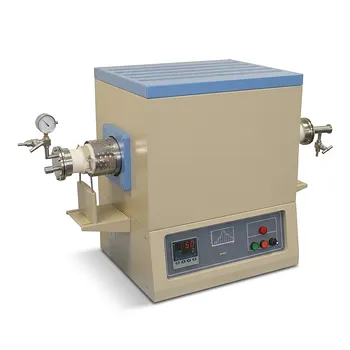
1700C High Temperature Alumina Tube Furnace with 18 Inch Heated Zone and Vacuum Sealing Flanges
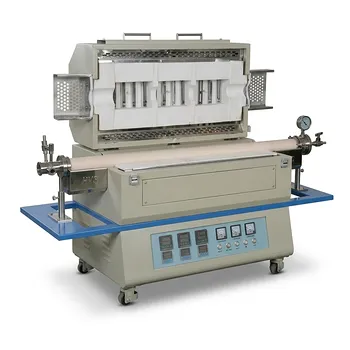
Three Temperature Zone Fast Heating Furnace 1500C Laboratory High Precision Thermal Processing System
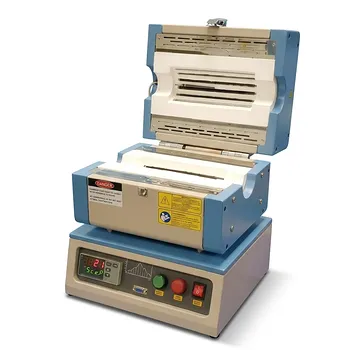
1250C Compact Split Tube Furnace with 8 Inch Heating Zone and Programmable Controller
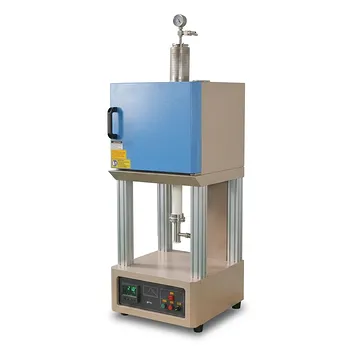
Hybrid High Temperature Tube and Box Furnace 1700C with 2 Inch Alumina Tube for Material Research
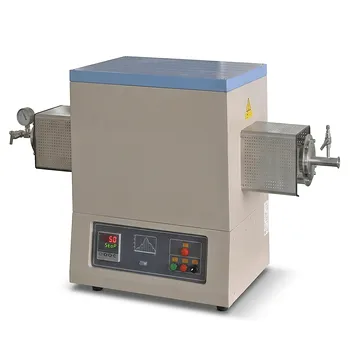
High Temperature 1700C Tube Furnace with 4 Inch OD Alumina Tube and Vacuum Sealing Flanges
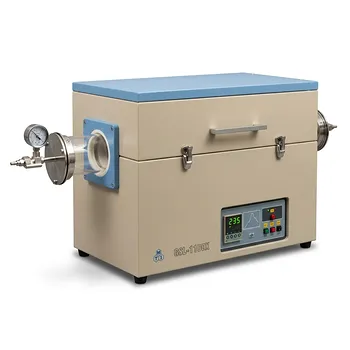
Single Zone Tube Furnace 5 Inch Quartz Tube 36 Inch Heating Zone Vacuum Flanges
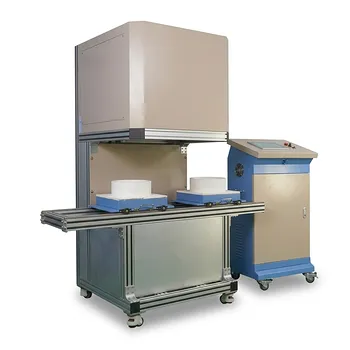
High Temperature Bottom Loading Vertical Furnace 1700C Dual Stage Sample Processing System 18L Large Capacity Thermal Treatment Equipment
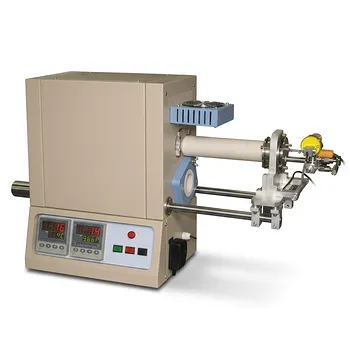
High Temperature Tube Furnace 1500C with Sliding Flanges and 50mm OD for Rapid Thermal Processing Fast Heating and Cooling
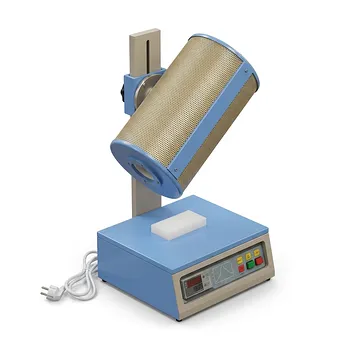
1100°C Vertical Laboratory Furnace for DIY Tubular Reactors with PID Temperature Controller
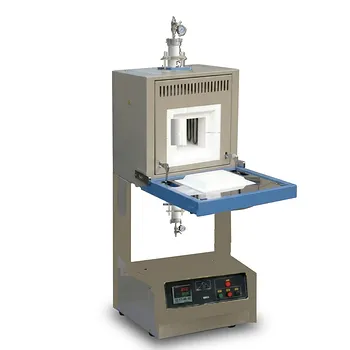
High Temperature Vertical Hybrid Furnace with Alumina Tube and SiC Heating for SOFC Coin Cell Testing and Atmosphere Processing