What function does a laboratory tube furnace serve in the synthesis of PAN/PVDF/SiO2-CCS composite nanofibers? Expert View
Updated 3 months ago
The laboratory tube furnace is the engine of thermal transformation in nanofiber synthesis. It provides the controlled, high-temperature environment required to convert PAN/PVDF/SiO2-CCS precursor fibers into a functional, conductive carbon-based composite. This process, known as carbonization, occurs under a strict inert atmosphere to ensure the polymers transform into a stable carbon scaffold rather than combusting.
The primary function of a laboratory tube furnace is to facilitate the high-temperature carbonization and graphitization of polymer precursors, transforming them into a highly conductive carbon framework while preventing oxidative mass loss through a precisely controlled nitrogen atmosphere.
Carbonization and Graphitization of Precursor Polymers
Conversion of PAN and PVDF into Conductive Carbon
The tube furnace provides the thermal energy necessary to trigger the chemical restructuring of Polyacrylonitrile (PAN) and Polyvinylidene fluoride (PVDF). By subjecting these polymers to temperatures typically ranging from 900°C to 1000°C, the furnace drives off non-carbon elements. This results in the formation of a highly conductive carbon structure that serves as the backbone for the nanofibers.
Development of High-Strength Flexible Substrates
Through a precise heating curve, the furnace allows the polymer framework to evolve into a lightweight, high-strength substrate. This transformation is critical for ensuring the nanofibers possess the mechanical durability required for advanced applications. The stable thermal environment ensures that the resulting carbon fiber scaffold maintains its structural integrity.
Formation of Crystalline Structures
The superior temperature uniformity of a tube furnace ensures that the composite materials undergo an even transformation. This is essential for achieving precise crystalline structures and morphologies within the SiO2-CCS components. Without this uniformity, the active materials might not anchor securely to the carbon support.
Atmospheric Control and Material Preservation
Prevention of Oxidative Mass Loss
A critical role of the tube furnace is providing a strict nitrogen inert protective atmosphere. At the high temperatures required for synthesis, the presence of oxygen would cause the organic precursors to undergo oxidative combustion. The furnace environment prevents this loss, ensuring the material yield remains consistent.
In-situ Crystallization and Chemical Bonding
The controlled environment facilitates the in-situ crystallization of components like vanadium phosphate or silica-based materials. This allows them to form stable chemical bonds with the carbon substrate. Such bonding is vital for constructing materials with layered mesoporous structures and improved cycling stability.
Management of Pyrolysis Gases
In specific configurations, such as vertical tube furnaces, the equipment can simulate industrial heating to minimize secondary reactions. This allows researchers to accurately measure the release patterns of combustible components like methane (CH4) and carbon monoxide (CO). Monitoring these gases provides insight into the efficiency of the carbonization process.
Understanding the Trade-offs and Pitfalls
Atmosphere Integrity and Seal Quality
The primary risk in tube furnace operation is the failure of the inert atmosphere. Even a minor leak allowing oxygen into the chamber can result in the complete oxidation of the carbon fibers, effectively destroying the sample.
Heating Rate and Secondary Reactions
If the heating rate is too slow, the residence time of pyrolysis products in the high-temperature zone increases. This can lead to unwanted secondary reactions, which may alter the intended pore structure or chemical composition of the composite nanofibers.
Temperature Gradients
While tube furnaces are known for uniformity, extreme temperature gradients can still occur if the sample is placed outside the "hot zone." This inconsistency leads to uneven carbonization, where part of the nanofiber may be graphitized while another remains a non-conductive polymer.
How to Optimize Synthesis for Your Goals
Applying This to Your Research Project
The laboratory tube furnace must be calibrated according to the specific chemical requirements of your precursor materials.
- If your primary focus is high electrical conductivity: Program the furnace for a high-temperature graphitization stage (near 1000°C) with a slow ramp rate to maximize the alignment of carbon layers.
- If your primary focus is structural integrity and flexibility: Prioritize the stabilization phase at lower temperatures (400-700°C) to ensure the polymer framework cross-links effectively before full carbonization.
- If your primary focus is phase purity of the SiO2-CCS components: Utilize a tube atmosphere furnace with high airflow dynamics to ensure consistent chemical states and prevent the formation of unwanted oxides.
The precise control of the thermal and atmospheric environment within a tube furnace is what ultimately defines the electrochemical and mechanical performance of the synthesized nanofibers.
Summary Table:
| Process Phase | Core Function | Critical Requirement |
|---|---|---|
| Carbonization | Converts PAN/PVDF into a conductive carbon framework | Temperatures of 900°C – 1000°C |
| Atmospheric Control | Prevents oxidative mass loss and sample combustion | Strict Inert Nitrogen (N2) environment |
| Structural Growth | Ensures crystalline morphology and chemical bonding | High temperature uniformity |
| Gas Management | Monitors pyrolysis efficiency (CH4/CO release) | Controlled airflow dynamics |
Elevate Your Material Research with THERMUNITS
Are you looking to achieve precise carbonization and superior structural integrity in your composite nanofibers? As a leading manufacturer of high-temperature laboratory equipment, THERMUNITS provides the advanced thermal solutions required for cutting-edge material science and industrial R&D.
Whether you need a specialized Tube Furnace for synthesis, or a Vacuum, Atmosphere, Muffle, or CVD/PECVD system for complex heat treatments, we have the expertise to support your goals. Our range also includes Rotary, Hot Press, and Dental furnaces, alongside high-performance thermal elements.
Ensure perfect results for your next project—contact our experts today to find the ideal thermal solution for your lab!
References
- Muhammad Rama Almafie, Ida Sriyanti. Preparation of PAN/PVDF Nanofiber Mats Loaded with Coconut Shell Activated Carbon and Silicon dioxide for Lithium-Ion Battery Anodes. DOI: 10.26554/sti.2024.9.2.427-447
Mentioned Products
- Multi Position Tube Furnace 1100C for Laboratory Material Research and Advanced Industrial Thermal Processing
- Ten Zone Multi Orientation Laboratory Tube Furnace for 1200C High Temperature Gradient Thermal Processing
- High Temperature 1200C Split Tube Furnace with Hinged Vacuum Flanges and 4 Inch Quartz Tube for Laboratory Research
- 1100°C Vertical Laboratory Furnace for DIY Tubular Reactors with PID Temperature Controller
- High Temperature Automated 5 Inch Tube Furnace for Autonomous Material Research and Advanced Laboratory R&D
People Also Ask
- Why use a tube furnace for oxygen annealing LaCrO3/LaMnO3? Optimize Phase Transition & Magnetic Performance.
- What key role does a laboratory high-temperature tube furnace play in the production of carbon nanofibers? Guide
- How is a laboratory high-temperature tube furnace utilized to research the products of aluminothermic reduction? Advanced Metallurgical Solutions
- What is the role of a laboratory tube furnace in the carbonization process of porous carbon foam (PCF)? Master 3D Synthesis
- What role does a laboratory tube furnace play in the pyrolysis and carbonization of biomass? Optimize Thermal Research.

Tech Team · ThermUnits
Last updated on Jun 02, 2026
Related Products
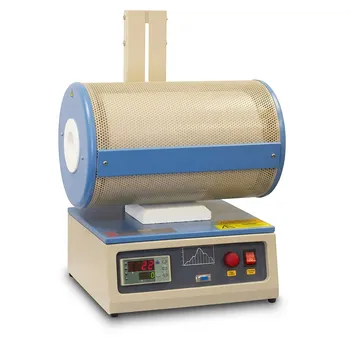
Multi Position Tube Furnace 1100C for Laboratory Material Research and Advanced Industrial Thermal Processing
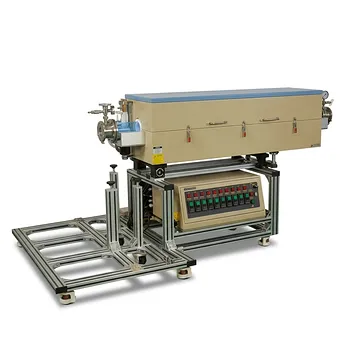
Ten Zone Multi Orientation Laboratory Tube Furnace for 1200C High Temperature Gradient Thermal Processing
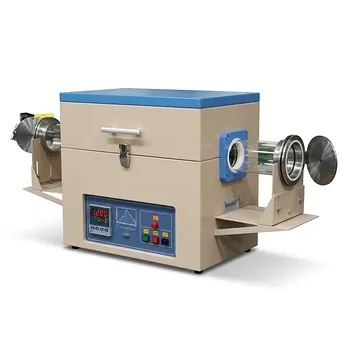
High Temperature 1200C Split Tube Furnace with Hinged Vacuum Flanges and 4 Inch Quartz Tube for Laboratory Research
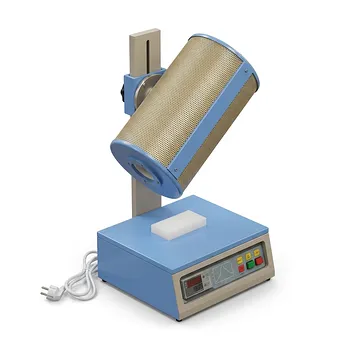
1100°C Vertical Laboratory Furnace for DIY Tubular Reactors with PID Temperature Controller

High Temperature Automated 5 Inch Tube Furnace for Autonomous Material Research and Advanced Laboratory R&D
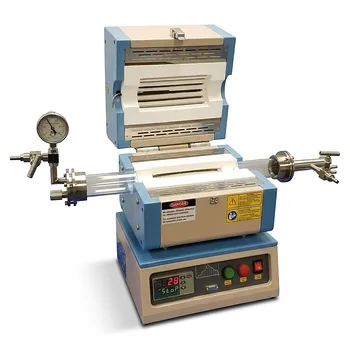
Compact Split Tube Furnace with Integrated Vacuum System and Precision Temperature Calibrator

1800C High Temperature Compact Vacuum Tube Furnace with 60mm OD Alumina Tube and Kanthal MoSi2 Heating Elements
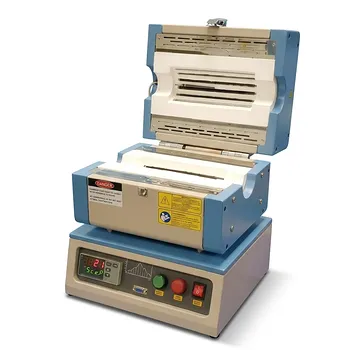
1250C Compact Split Tube Furnace with 8 Inch Heating Zone and Programmable Controller
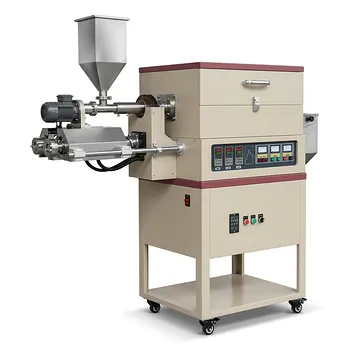
Laboratory Tilting Rotary Tubular Furnaces for Material Science and Industrial Heat Treatment
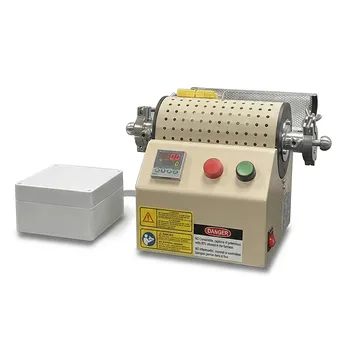
1000C Mini Tube Furnace with 20mm Quartz Tube and Vacuum Flanges for Material Science Research and Controlled Atmosphere Small Sample Processing

1700C High Temperature Alumina Tube Furnace with 18 Inch Heated Zone and Vacuum Sealing Flanges
1200C Max Dual Sliding Tube Furnace with 50 mm Tube Flanges for CVD
High Temperature 1700C Tube Furnace with 4 Inch OD Alumina Tube and Vacuum Sealing Flanges
High Temperature Hybrid Muffle and Tube Furnace with Vacuum Capability and PID Control
Hybrid High Temperature Tube and Box Furnace 1700C with 2 Inch Alumina Tube for Material Research
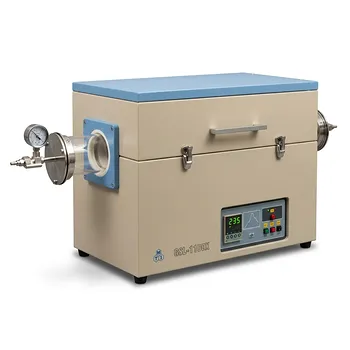
Single Zone Tube Furnace 5 Inch Quartz Tube 36 Inch Heating Zone Vacuum Flanges

High Temperature 1700C Vertical Tube Furnace for Powder Spherification and Material Sintering

1100C Tube Furnace with Vacuum Flange and Programmable Temperature Controller for Material Science and Industrial Heat Treatment

High Temperature 1700C Tube Furnace with High Vacuum Turbomolecular Pump System and Multi Channel Mass Flow Controller Gas Mixer
