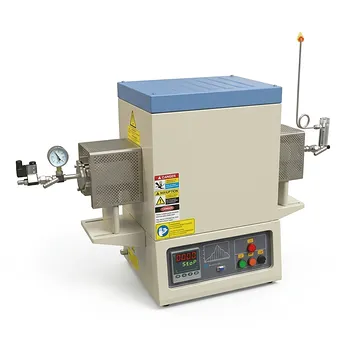
What is the function of a high-temperature tube furnace in the synthesis of CoOx/NC from ZIF-12? Precision Thermal Guide
Updated 3 months ago
The high-temperature tube furnace serves as the precision reactor for the thermochemical conversion of ZIF-12 into CoOx/NC. By providing a strictly controlled thermal environment under an inert atmosphere, the furnace facilitates the simultaneous carbonization of organic ligands and the chemical transformation of cobalt ions into functional cobalt oxides. This process is essential for creating the composite’s unique tubular structure and high electrical conductivity.
The core function of the high-temperature tube furnace is to provide the energy and atmospheric control necessary to drive the pyrolytic transformation of metal-organic frameworks. It ensures that the organic components are converted into a stable, nitrogen-doped carbon skeleton while precisely managing the oxidation state of the cobalt species.
Controlled Carbonization and Nitrogen Doping
Transformation of the Organic Framework
The tube furnace provides the sustained heat required to break the chemical bonds within the ZIF-12 organic ligands. This process, known as carbonization, converts the metal-organic framework into a robust, conductive nitrogen-doped carbon (NC) matrix.
Integration of Functional Nitrogen
As the furnace drives the decomposition of the precursors, nitrogen atoms from the original framework are integrated directly into the carbon lattice. This nitrogen doping is critical for creating active sites and improving the overall catalytic performance of the support material.
Phase Evolution of Cobalt Species
Reduction and Re-oxidation Pathways
The furnace environment facilitates the complex chemical evolution of cobalt ions within the structure. It drives the process of reducing and then re-oxidizing cobalt, ultimately yielding cobalt oxides (CoOx) that are intimately bonded with the carbon support.
Achieving Specific Functional Sites
By maintaining a stable thermal profile, the furnace ensures that the CoOx components are distributed correctly throughout the carrier. This results in the formation of specific functional sites that are necessary for the material's intended chemical reactivity.
Structural and Morphological Control
Formation of Tubular Architectures
Unlike standard ovens, the high-temperature tube furnace allows for the specific thermal gradients needed to develop a tubular structure from ZIF-12. This morphology is highly valued for its high surface area and efficient mass transport properties.
Atmospheric Integrity
The furnace’s ability to maintain a strictly inert atmosphere (such as Argon) is non-negotiable. This prevents the uncontrolled combustion of the carbon matrix and ensures that the metal components do not over-oxidize, preserving the high electrical conductivity of the final composite.
Understanding the Trade-offs
Heating Rate vs. Structural Stability
Accelerating the heating rate can reduce processing time but often leads to structural collapse or non-uniform carbonization. A slower, more precise heating curve is required to maintain the desired tubular morphology and ensure the uniform embedding of active components.
Atmosphere Purity and Material Purity
Any leakage or impurity in the inert gas stream during high-temperature processing can lead to the formation of undesired phases. While tube furnaces offer excellent sealing, the cost and complexity of maintaining a high-purity environment increase significantly as the scale of synthesis grows.
Applying This to Your Material Synthesis
The success of your CoOx/NC synthesis depends entirely on how you manage the furnace’s parameters relative to your specific research or production goals.
- If your primary focus is maximizing electrical conductivity: Prioritize a strictly inert Argon atmosphere and longer dwell times at peak carbonization temperatures to ensure a well-graphitized carbon structure.
- If your primary focus is optimized catalytic activity: Focus on the precise control of the cooling and re-oxidation phase to ensure cobalt oxides are formed at the desired atomic-level dispersion.
- If your primary focus is morphological integrity: Use a gradual heating rate (typically 2-5°C/min) to prevent the internal gas pressure from rupturing the developing tubular structure of the ZIF-12 derivative.
By mastering the thermal and atmospheric variables of the tube furnace, you transform a simple metal-organic precursor into a sophisticated, high-performance support material.
Summary Table:
| Key Function | Thermal Process | Impact on CoOx/NC Material |
|---|---|---|
| Carbonization | Pyrolytic transformation | Creates a robust, nitrogen-doped carbon (NC) matrix |
| Phase Evolution | Managed redox pathways | Develops specific CoOx active sites for catalysis |
| Morphology Control | Thermal gradient management | Facilitates the formation of high-surface-area tubular structures |
| Atmospheric Integrity | Inert gas (Argon) shielding | Prevents over-oxidation and ensures high electrical conductivity |
Elevate Your Material Research with Precision Thermal Solutions
Achieving the perfect tubular architecture and phase purity in CoOx/NC synthesis requires uncompromising thermal and atmospheric control. THERMUNITS is a leading manufacturer of high-temperature laboratory equipment designed specifically for material science and industrial R&D.
We provide a comprehensive range of thermal processing solutions tailored for MOF carbonization and advanced synthesis, including:
- Tube & Rotary Furnaces for precise atmospheric and morphological control.
- CVD/PECVD Systems for advanced chemical vapor deposition.
- Vacuum, Atmosphere, and Muffle Furnaces for versatile heat treatment.
- Specialized Equipment: Hot Press furnaces, Dental furnaces, Vacuum Induction Melting (VIM), and high-quality Thermal Elements.
Whether you are maximizing catalytic activity or electrical conductivity, our equipment ensures the stable thermal profiles and high-purity environments your research demands.
Ready to optimize your lab’s efficiency? Contact us today to find the perfect furnace for your synthesis goals!
References
- Shayan Gul, Muhammad Arif Nadeem. High performance electrochemical CO<sub>2</sub> reduction over Pd decorated cobalt containing nitrogen doped carbon. DOI: 10.1039/d4ra01641f
Mentioned Products
- High Temperature Tube Furnace 1500C with Sliding Flanges and 50mm OD for Rapid Thermal Processing Fast Heating and Cooling
- High Temperature 1700C Tube Furnace with High Vacuum Turbomolecular Pump System and Multi Channel Mass Flow Controller Gas Mixer
- 1750°C High Temperature Benchtop Vacuum Atmosphere Tube Furnace with Kanthal Super 1800 Heating Elements and 60mm Alumina Processing Tube
- High Temperature 1700C Benchtop Tube Furnace with 5 Inch Heating Zone High Purity Alumina Tube and Vacuum Sealing Flanges
- 1700C High Temperature Alumina Tube Furnace with 18 Inch Heated Zone and Vacuum Sealing Flanges
People Also Ask
- How are high-temperature tube furnaces utilized to repair etching damage? Precision Lattice Restoration Solutions
- What core conditions does a high-temperature tube furnace provide for rGO aerogels? Mastering Precision Synthesis.
- What role does a high-temperature tube furnace play in CVD synthesis of silicon nanowires? Master VLS Growth Precision.
- How does precision tube furnace control influence CoFe nanoparticle formation? Master Your Bimetallic Synthesis.
- What role does a high-temperature tube furnace play in the sulfidation heat treatment of CoS@C/MXene nanocomposites? Guide

Tech Team · ThermUnits
Last updated on Jun 03, 2026
Related Products
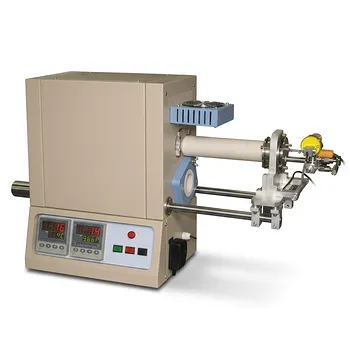
High Temperature Tube Furnace 1500C with Sliding Flanges and 50mm OD for Rapid Thermal Processing Fast Heating and Cooling

High Temperature 1700C Tube Furnace with High Vacuum Turbomolecular Pump System and Multi Channel Mass Flow Controller Gas Mixer
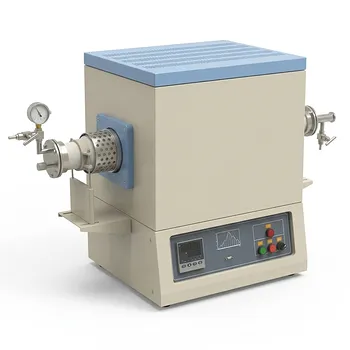
1750°C High Temperature Benchtop Vacuum Atmosphere Tube Furnace with Kanthal Super 1800 Heating Elements and 60mm Alumina Processing Tube

High Temperature 1700C Benchtop Tube Furnace with 5 Inch Heating Zone High Purity Alumina Tube and Vacuum Sealing Flanges
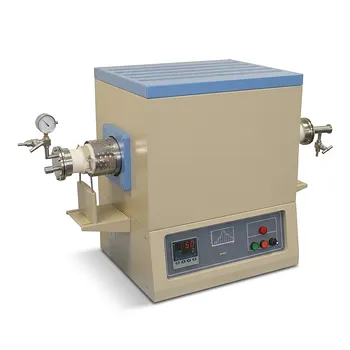
1700C High Temperature Alumina Tube Furnace with 18 Inch Heated Zone and Vacuum Sealing Flanges
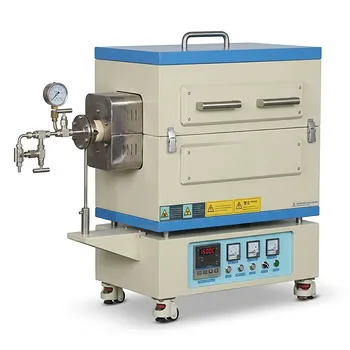
High Temperature Split Tube Furnace 1500C for Material Research Vacuum and Atmosphere Thermal Processing

1800C High Temperature Compact Vacuum Tube Furnace with 60mm OD Alumina Tube and Kanthal MoSi2 Heating Elements

Compact High Temperature 1600C Tube Furnace with 50mm Alumina Tube and Vacuum Flanges for Material Sintering
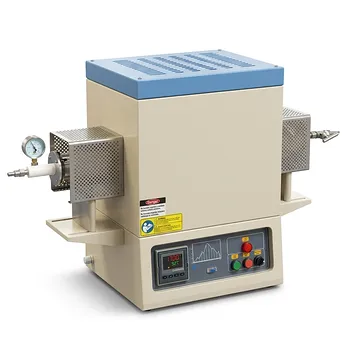
High Temperature Three Zone Tube Furnace 1700C with Alumina Tube and Water Cooled Flanges
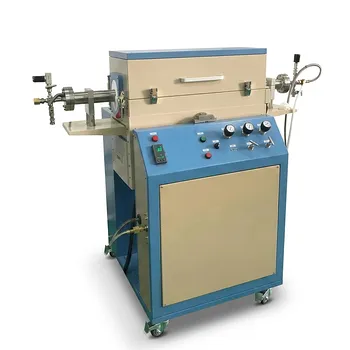
High Temperature Rocking Tube Furnace 1700°C Alumina Processing Tube with Precision Oscillation for Material Synthesis

High Temperature 1700C Vertical Tube Furnace for Powder Spherification and Material Sintering
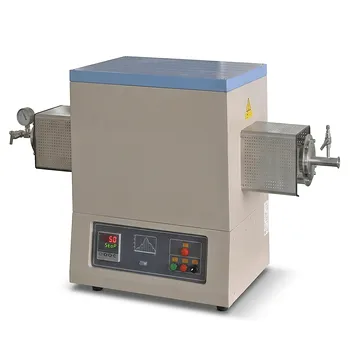
High Temperature 1700C Tube Furnace with 4 Inch OD Alumina Tube and Vacuum Sealing Flanges
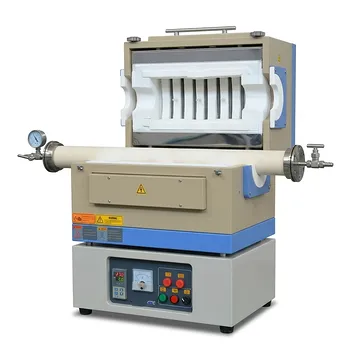
High Temperature 1600C Split Tube Furnace Vacuum Flanges Valves Optional 60mm 80mm Alumina Tube

High Temperature Automated 5 Inch Tube Furnace for Autonomous Material Research and Advanced Laboratory R&D
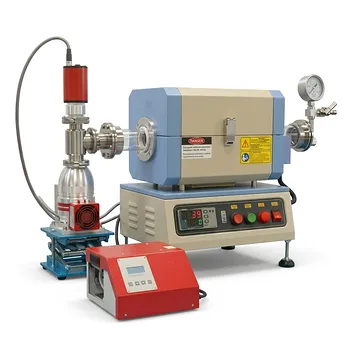
High Vacuum Compact Tube Furnace 1200C with Integrated Turbo Pump System and 8 Inch Heating Zone
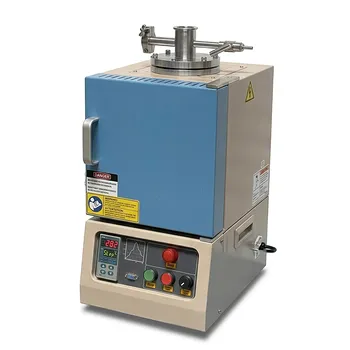
High Temperature Hybrid Muffle and Tube Furnace with Vacuum Capability and PID Control
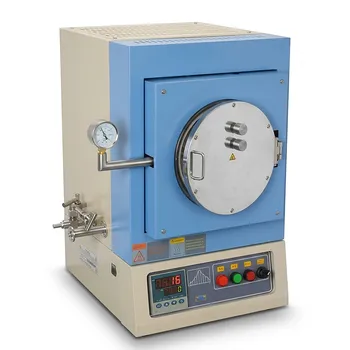
1100°C High Temperature Quartz Chamber Furnace 8 Inch OD with 7.6 Liter Capacity and Vacuum Atmosphere Capability
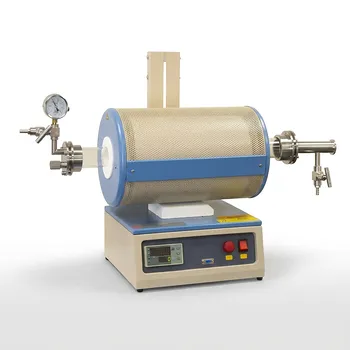
1100C Tube Furnace with Vacuum Flange and Programmable Temperature Controller for Material Science and Industrial Heat Treatment
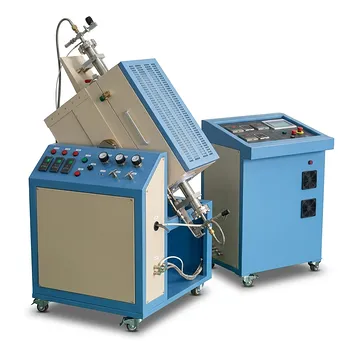
1100C High Pressure Rocking Tube Furnace with 2 Inch Super Alloy Processing Tube for Material Synthesis