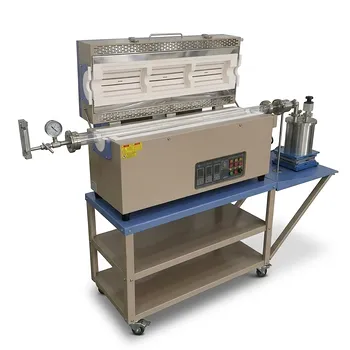
What is the function of a high-temperature vertical tube furnace in DWCNTF synthesis? Key to 1200°C FCCVD Success
Updated 5 months ago
The high-temperature vertical tube furnace acts as the primary reactor for Floating Catalyst Chemical Vapor Deposition (FCCVD), providing the 1200°C environment necessary to synthesize Double-Walled Carbon Nanotube Films (DWCNTF). It creates a precisely controlled thermal field where catalyst precursors, promoters, and carbon sources react in the vapor phase to form high-crystallinity nanotube aerosols. This specific thermal environment is critical for ensuring the resulting films possess the continuous network structure required for high electrical conductivity and shielding efficiency.
Core Takeaway: The furnace provides a stable, oxygen-free thermal zone at 1200°C that facilitates the transformation of gas-phase precursors into high-quality carbon nanotube networks. Without its precise temperature control and atmospheric sealing, the crystallinity and structural continuity essential for DWCNTF performance cannot be achieved.
Providing the Precisely Controlled Thermal Field
Achieving the 1200°C Growth Threshold
In the synthesis of DWCNTFs, the furnace must maintain a constant temperature of 1200°C. This specific heat level provides the activation energy required for the carbon source to decompose and for the nanotubes to nucleate and grow.
Maintaining a Stable Reaction Zone
The vertical orientation of the furnace helps manage the thermal gradient and the flow of the "floating" catalyst particles. A stable temperature zone ensures that as the aerosol moves through the tube, the growth conditions remain uniform, preventing structural defects.
Ensuring Atmospheric Integrity
The furnace must provide a strictly controlled environment, often using inert gases like nitrogen to prevent oxidation. High-quality sealing is essential to exclude oxygen, which would otherwise consume the carbon nanotubes at the high temperatures required for synthesis.
Facilitating the Floating Catalyst CVD Process
Vapor Phase Reactions and Aerosol Formation
The furnace serves as the chamber where catalysts, promoters, and carbon source vapors interact. Under the 1200°C thermal field, these components react to form an aerosol of carbon nanotubes that can later be collected as a continuous film.
Catalyst Activation and Growth
The thermal environment facilitates the thermal decomposition of catalyst precursors into active nanoparticles. This step is critical because the size and chemical state of these particles directly define the diameter and wall count of the resulting carbon nanotubes.
Promotion of Graphitization
The high temperatures within the tube furnace promote the rearrangement of carbon atoms into highly ordered hexagonal lattices. This process, known as graphitization, is what gives double-walled nanotubes their superior mechanical and electrical properties.
Ensuring Structural Quality and Conductivity
Promoting High Crystallinity
A precisely managed furnace environment ensures the nanotubes have high crystallinity, meaning they have few structural flaws in their carbon walls. This high degree of order is what allows electrons to move efficiently through the material, maximizing shielding efficiency.
Forming Continuous Network Structures
The stable thermal zone allows for the growth of long, intertwined nanotubes that form a continuous network structure. This "web" is the foundation of the DWCNTF, providing the mechanical strength and flexible substrate characteristics required for advanced applications.
Heteroatom Doping and Surface Area
Controlled heating within the furnace can also facilitate heteroatom doping or the creation of high specific surface areas. By managing the soaking time and gas composition, the furnace allows for the fine-tuning of the film’s chemical and physical properties.
Understanding the Trade-offs
Temperature Uniformity vs. Throughput
Maintaining a perfectly uniform thermal field at 1200°C becomes increasingly difficult as the furnace size increases. While larger furnaces increase production volume, they risk thermal gradients that can lead to inconsistent nanotube quality across the film.
Sealing Risks and Contamination
The high temperatures required for DWCNTF synthesis put significant stress on furnace seals. Any leakage of oxygen not only ruins the batch via oxidation but can also degrade the internal heating elements, leading to high maintenance costs.
Heating Rates and Structural Stress
Rapid heating or cooling cycles can cause thermal shock to the furnace tube and the catalyst carriers. Precise control systems are necessary to manage slow heating and prolonged soaking times, which are essential for quality but increase the overall energy consumption and time per batch.
How to Apply This to Your Synthesis Goals
Strategic Recommendations
- If your primary focus is high electrical conductivity: Prioritize a furnace with high-precision temperature control at 1200°C to ensure maximum crystallinity and graphitization of the carbon walls.
- If your primary focus is film uniformity: Utilize a vertical tube furnace with a long stable-temperature zone to ensure consistent growth conditions as the catalyst aerosol floats through the reactor.
- If your primary focus is preventing material loss: Ensure the furnace has superior sealing performance and a high-purity inert gas delivery system to maintain a strictly oxygen-free environment.
The high-temperature vertical tube furnace is the indispensable heart of the FCCVD process, transforming chemical vapors into the high-performance carbon structures that define modern DWCNT films.
Summary Table:
| Feature | Role in DWCNTF Synthesis | Key Benefit |
|---|---|---|
| 1200°C Thermal Field | Provides activation energy for carbon decomposition | High crystallinity & graphitization |
| Vertical Orientation | Manages thermal gradients & aerosol flow | Uniform film growth & structural continuity |
| Atmospheric Sealing | Maintains oxygen-free (inert) environment | Prevents oxidation & ensures material purity |
| Stable Reaction Zone | Facilitates catalyst activation & nucleation | Precise control over nanotube diameter |
| Controlled Cooling | Manages structural stress & soaking times | Enhanced mechanical & electrical properties |
Optimize Your Material Research with THERMUNITS
Achieving the perfect 1200°C thermal field for Double-Walled Carbon Nanotube (DWCNT) synthesis requires precision and reliability. THERMUNITS is a leading manufacturer of high-temperature laboratory equipment dedicated to advancing material science and industrial R&D.
We provide a comprehensive suite of thermal solutions tailored for complex processes like FCCVD, including:
- High-Precision Tube & Vertical Furnaces
- Advanced CVD/PECVD Systems
- Vacuum, Atmosphere, and Rotary Furnaces
- Hot Press & Vacuum Induction Melting (VIM) Furnaces
Our equipment ensures the atmospheric integrity and temperature uniformity essential for high-performance heat treatment. Let our experts help you select the ideal system to maximize your lab's efficiency and film quality.
Contact THERMUNITS Today for a Custom Solution
References
- Byeongjin Park, Sang‐bok Lee. Absorption‐Dominant Electromagnetic Interference (EMI) Shielding across Multiple mmWave Bands Using Conductive Patterned Magnetic Composite and Double‐Walled Carbon Nanotube Film. DOI: 10.1002/adfm.202406197
Mentioned Products
- Split Vertical Tube Furnace with 1200C Quartz Tube and Stainless Steel Vacuum Flanges for Rapid Thermal Processing
- High Temperature 1200C Automatic Sliding Dual Zone Tube Furnace for 2D Transition Metal Dichalcogenides Growth and Material Sublimation Research
- 1200°C 5 Inch Vertical Quartz Tube Furnace with Stainless Steel Vacuum Flanges
- Ten Zone Multi Orientation Laboratory Tube Furnace for 1200C High Temperature Gradient Thermal Processing
- High Temperature Vertical Crucible Furnace with 22L Heating Chamber and 1200C Maximum Temperature
People Also Ask
- What is the role of a split vertical tube furnace during flash sintering of 8YSZ and 20SDC? Master Ultra-Fast R&D
- Why integrate a vertical split tube furnace with hydraulic loading for HSECC? Essential for In-Situ Fire Simulation.
- What is the primary engineering purpose for using a customized ventilation hood when operating a split tube furnace? RCF Safety
- How does a split tube furnace contribute to the thermal stabilization of Clignin@H-TiO2? Achieve Structural Precision
- How does a split tube furnace facilitate debinding of ceramic green bodies? Master Precise Thermal & Atmosphere Control

Tech Team · ThermUnits
Last updated on Apr 14, 2026
Related Products
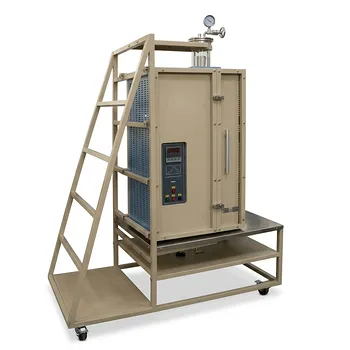
Split Vertical Tube Furnace with 1200C Quartz Tube and Stainless Steel Vacuum Flanges for Rapid Thermal Processing
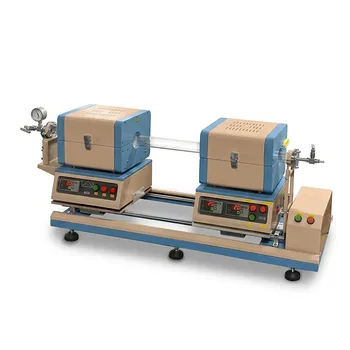
High Temperature 1200C Automatic Sliding Dual Zone Tube Furnace for 2D Transition Metal Dichalcogenides Growth and Material Sublimation Research

1200°C 5 Inch Vertical Quartz Tube Furnace with Stainless Steel Vacuum Flanges
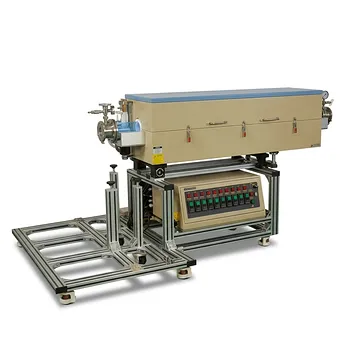
Ten Zone Multi Orientation Laboratory Tube Furnace for 1200C High Temperature Gradient Thermal Processing
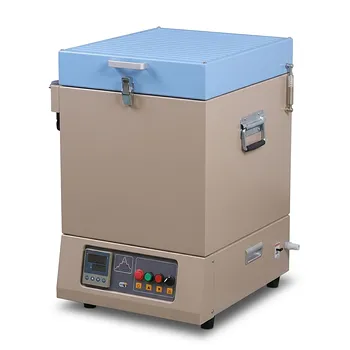
High Temperature Vertical Crucible Furnace with 22L Heating Chamber and 1200C Maximum Temperature
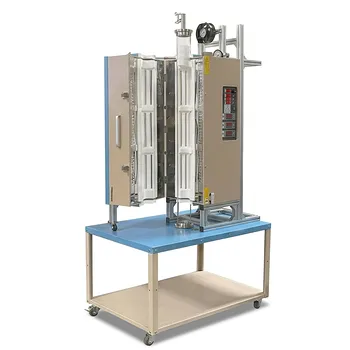
1200C Three Zone Split Vertical Tube Furnace 4 Inch Quartz Tube Stainless Steel Vacuum Flanges

High Temperature 1700C Vertical Tube Furnace for Powder Spherification and Material Sintering
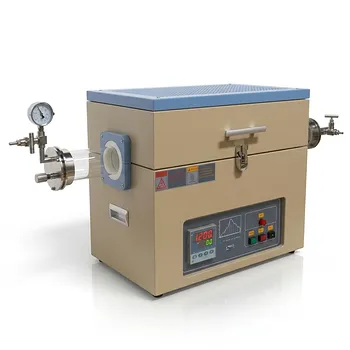
High Temperature 1200C Split Tube Furnace with Optional Quartz Tube Sizes and Vacuum Sealing Flanges for Material Science Research
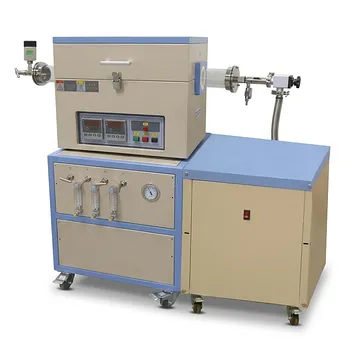
Dual Zone Quartz Tube Furnace with 80mm Diameter 1200C Max Temperature 3 Channel Gas Mixer and Vacuum Pump System
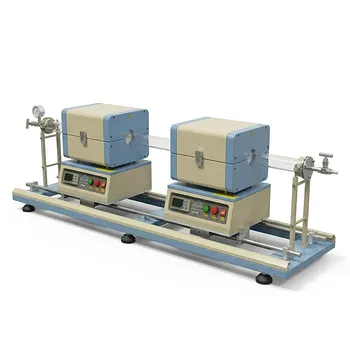
1200C Max Dual Sliding Tube Furnace with 50 mm Tube Flanges for CVD
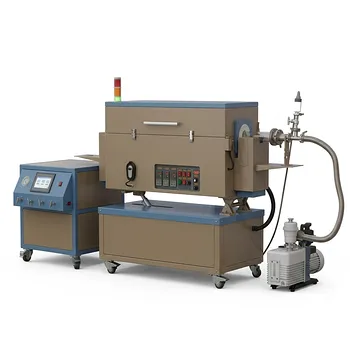
5 Inch Three Zone Rotary Tube Furnace with Integrated Gas Delivery System and 1200C Capability for Advanced Material CVD Processing
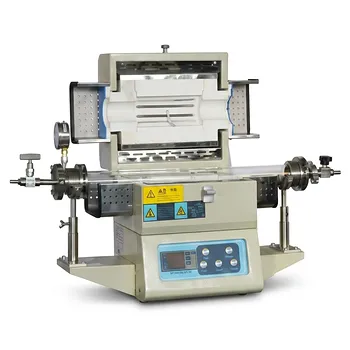
High Temperature 1200C Split Tube Furnace for CVD Research and Vacuum Atmosphere Heat Treatment
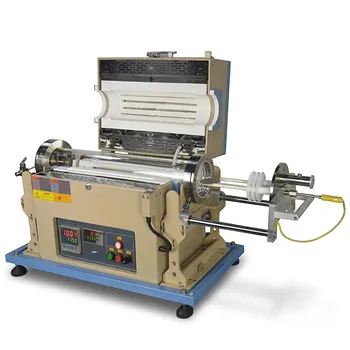
1200°C High Temperature 4 Inch Tube Furnace with Sliding Flange for CVD Systems

High Temperature Automated 5 Inch Tube Furnace for Autonomous Material Research and Advanced Laboratory R&D
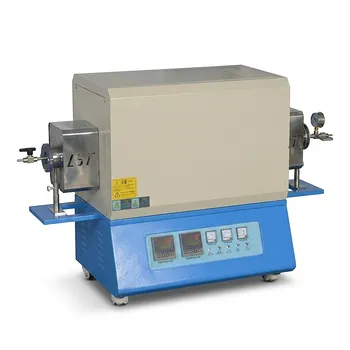
High Temperature Dual Zone Vacuum Tube Furnace for Material Research and CVD Processing
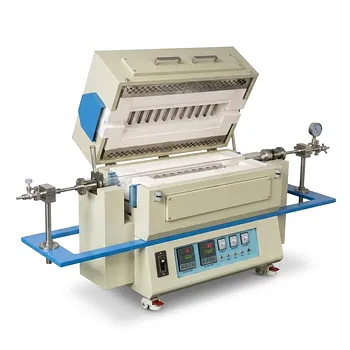
High Temperature Dual Zone Rotating Tube Furnace 1500C Silicon Carbide Heating for Advanced Material Synthesis
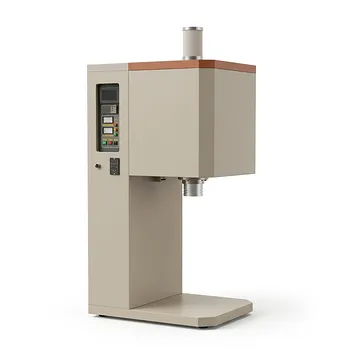
Vertical Openable Tube Furnace 0-1700c High Temperature Laboratory System for CVD and Vacuum Heat Treatment
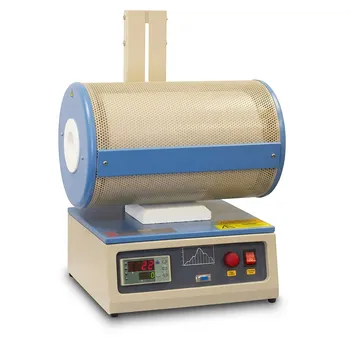
Multi Position Tube Furnace 1100C for Laboratory Material Research and Advanced Industrial Thermal Processing
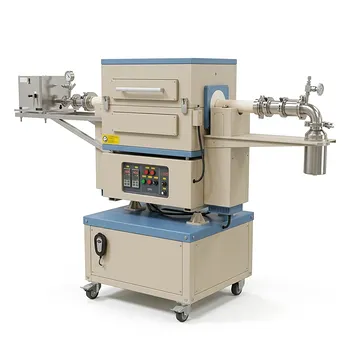
1500C Max Dual Zone Rotary Tube Furnace with 60 mm OD Alumina Tube for High Temperature Material Synthesis