What is the function of a high vacuum tube furnace in the preparation of transition metal nitride thin films? Precise Nitride Synthesis
Updated 3 months ago
In the synthesis of transition metal nitride thin films, the high vacuum tube furnace acts as a precision thermal reactor that facilitates deep surface diffusion between metal precursors and nitrogen sources. By maintaining temperatures around 850°C and managing a continuous flow of high-purity ammonia ($NH_3$) and argon, the furnace creates the specific reducing atmosphere required to transform metal foils into stable nitride structures with exact stoichiometry.
Core Takeaway: The high vacuum tube furnace is the critical enabling component for transition metal nitride synthesis, providing the thermal energy and atmospheric purity necessary to drive chemical diffusion and ensure structural stability.
Creating the Ideal Reaction Environment
Precise Temperature Control
The furnace provides a stable thermal field, typically reaching 850°C, which is essential for overcoming the activation energy of the nitridation reaction. This high-temperature environment drives atomic structural relaxation and facilitates the movement of nitrogen atoms into the metal lattice.
Atmospheric Purity and Reducing Conditions
By utilizing argon purging and high-vacuum capabilities, the furnace eliminates atmospheric contaminants like oxygen that would otherwise cause unwanted oxidation. The introduction of high-purity ammonia creates a reducing atmosphere, ensuring that the nitrogen source reacts effectively with the metal foil without interference.
Facilitating Surface Diffusion
The furnace design allows for a continuous flow of reactive gases, ensuring that the metal precursors undergo deep surface diffusion. This constant supply of nitrogen allows for the formation of thin films that are not just surface coatings, but integrated structures with stable crystalline phases.
Enhancing Material Properties
Achieving Precise Stoichiometry
Precise control over gas flow rates and temperature gradients within the furnace chamber allows researchers to dictate the chemical composition of the resulting film. This level of control is vital for producing nitrides with specific electronic or mechanical properties, such as the transition from amorphous states to highly ordered crystalline phases.
Stress Relief and Lattice Integrity
Beyond the chemical reaction itself, the controlled heating and cooling cycles within the vacuum furnace help eliminate internal stresses within the metal substrate. This improvement in lattice integrity provides a foundation for forming uniform and highly ordered thin film structures.
Prevention of Volatilization and Contamination
In advanced thin film preparation, the high-vacuum environment (often reaching pressures below 10⁻⁶ Torr) prevents the volatilization of sensitive components. This "ultra-clean" environment is critical for maintaining the purity of the transition metal precursors and preventing the formation of brittle or unstable oxide layers.
Understanding the Trade-offs
Thermal Gradients and Uniformity
While tube furnaces are excellent for precision, they can suffer from temperature gradients along the length of the tube. If the substrate is too large or improperly positioned, the film may exhibit non-uniform thickness or varying stoichiometric ratios across its surface.
Gas Flow Dynamics
The "continuous flow" requirement means that the transport rate of the nitrogen source must be perfectly balanced with the vacuum pump speed. If the flow is too high, it may cool the substrate prematurely; if too low, the diffusion reaction may be incomplete, leading to a film with poor structural stability.
Substrate Compatibility
High-temperature nitridation is limited by the melting point and reactivity of the underlying foil or substrate. The 850°C threshold required for nitrides may be too aggressive for certain low-melting-point metals, potentially leading to substrate deformation or unwanted alloying.
How to Apply This to Your Project
Choosing a Configuration Based on Your Goals
The success of transition metal nitride preparation depends on aligning your furnace parameters with your specific material requirements.
- If your primary focus is Phase Purity: Prioritize a furnace with multi-zone heating to ensure a perfectly uniform temperature field, minimizing "cold spots" that disrupt crystallization.
- If your primary focus is Oxidation Resistance: Ensure your system is rated for high-vacuum levels (10⁻⁶ Torr or better) and utilize ultra-high purity (99.999%) argon for initial purging.
- If your primary focus is Film Thickness Control: Focus on the precise calibration of your mass flow controllers (MFCs) to manage the delivery rate of ammonia during the diffusion stage.
The high vacuum tube furnace remains the gold standard for nitride synthesis because it bridges the gap between raw chemical energy and the delicate requirements of atomic-scale structural engineering.
Summary Table:
| Feature | Function in Nitride Synthesis | Key Benefit |
|---|---|---|
| High Temperature (850°C) | Drives atomic structural relaxation | Overcomes activation energy for diffusion |
| High Vacuum (<10⁻⁶ Torr) | Eliminates oxygen and contaminants | Prevents oxidation and maintains film purity |
| Atmospheric Control | Manages $NH_3$ and Argon flow | Ensures precise stoichiometry and crystalline phases |
| Thermal Uniformity | Stable heating/cooling cycles | Eliminates internal stresses and improves lattice integrity |
Elevate Your Material Research with THERMUNITS
Are you looking to optimize your thin film synthesis? THERMUNITS is a leading manufacturer of high-temperature laboratory equipment for material science and industrial R&D. We provide high-precision thermal processing solutions designed to meet the rigorous demands of transition metal nitride preparation.
Our value to your research and production:
- Precision Control: Advanced systems for Muffle, Vacuum, and Tube furnaces to ensure exact stoichiometry.
- Comprehensive Solutions: From CVD/PECVD and Hot Press furnaces to Vacuum Induction Melting (VIM) and Rotary kilns.
- Unmatched Purity: High-vacuum capabilities to eliminate contamination and ensure structural stability.
Discover how our specialized heat treatment equipment can enhance your laboratory's efficiency and results. Contact our technical experts today to find the perfect furnace for your application!
References
- Hansen Mou, Jingguang G. Chen. Trends in electrocatalytic activity and stability of transition-metal nitrides. DOI: 10.1016/j.checat.2023.100867
Mentioned Products
- 1800C High Temperature Compact Vacuum Tube Furnace with 60mm OD Alumina Tube and Kanthal MoSi2 Heating Elements
- 1750°C High Temperature Benchtop Vacuum Atmosphere Tube Furnace with Kanthal Super 1800 Heating Elements and 60mm Alumina Processing Tube
- High Vacuum Compact Tube Furnace 1200C with Integrated Turbo Pump System and 8 Inch Heating Zone
- High Temperature 1700C Tube Furnace with High Vacuum Turbomolecular Pump System and Multi Channel Mass Flow Controller Gas Mixer
- 1200C High Temperature 5 Inch Split Vacuum Tube Furnace with 12 Inch Heating Zone and Separated PID Controller
People Also Ask
- What core functions does a high-temperature vacuum tube furnace provide? Optimize np-CuSn Sintering & Joint Integrity
- What is the primary function of a high-temperature tube furnace in Cu1-N-C synthesis? Precision Thermal Control.
- What impact does the heating rate of a tube furnace have on biochar microstructure? Optimize Your Material R&D.
- Role of Tube Furnace in KNNLST Ceramic Synthesis: Achieve High Phase Purity and Thermal Uniformity
- What is the role of a high-temperature tube furnace in the preparation of S-C3N4? Master Precision Material Synthesis

Tech Team · ThermUnits
Last updated on Jun 02, 2026
Related Products

1800C High Temperature Compact Vacuum Tube Furnace with 60mm OD Alumina Tube and Kanthal MoSi2 Heating Elements

1750°C High Temperature Benchtop Vacuum Atmosphere Tube Furnace with Kanthal Super 1800 Heating Elements and 60mm Alumina Processing Tube
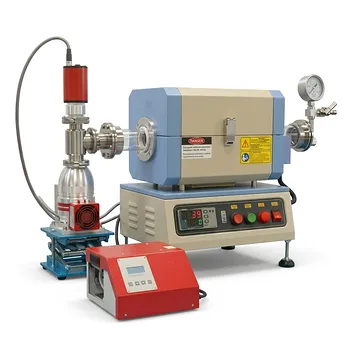
High Vacuum Compact Tube Furnace 1200C with Integrated Turbo Pump System and 8 Inch Heating Zone

High Temperature 1700C Tube Furnace with High Vacuum Turbomolecular Pump System and Multi Channel Mass Flow Controller Gas Mixer
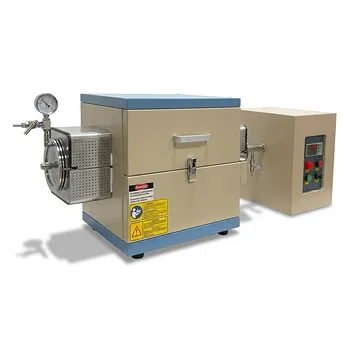
1200C High Temperature 5 Inch Split Vacuum Tube Furnace with 12 Inch Heating Zone and Separated PID Controller
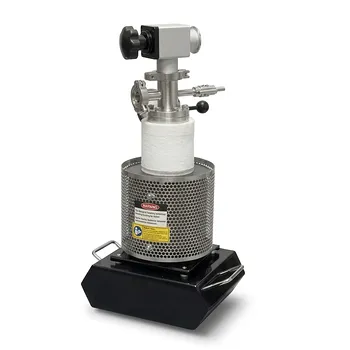
High Temperature 1100C Compact Top Loading Vertical Vacuum Tube Furnace for High Vacuum Noble Metal Melting and Material Research
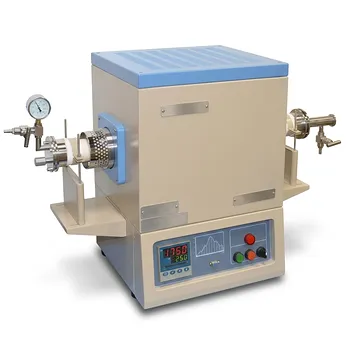
High Temperature Compact Vacuum Tube Furnace 1750C Max 60mm OD Alumina Tube
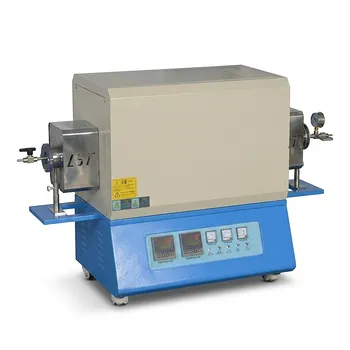
High Temperature Dual Zone Vacuum Tube Furnace for Material Research and CVD Processing

Compact High Temperature 1600C Tube Furnace with 50mm Alumina Tube and Vacuum Flanges for Material Sintering

High Temperature 1700C Benchtop Tube Furnace with 5 Inch Heating Zone High Purity Alumina Tube and Vacuum Sealing Flanges

High Temperature Automated 5 Inch Tube Furnace for Autonomous Material Research and Advanced Laboratory R&D
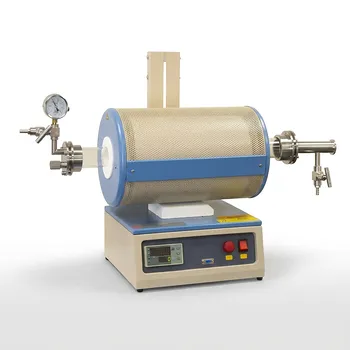
1100C Tube Furnace with Vacuum Flange and Programmable Temperature Controller for Material Science and Industrial Heat Treatment
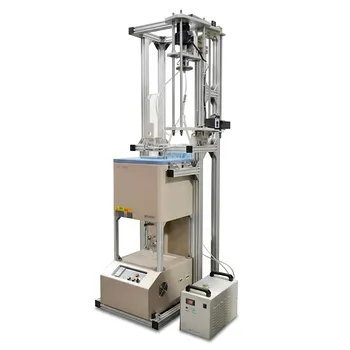
500C Vacuum Vertical Tube Furnace 84mm OD Sample Rotation Lifting System

High Temperature 1700C Vertical Tube Furnace for Powder Spherification and Material Sintering
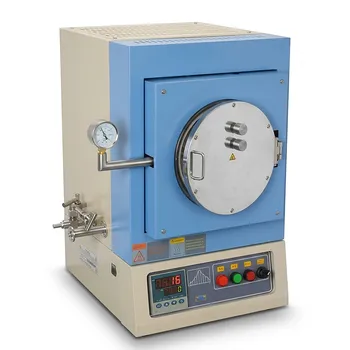
1100°C High Temperature Quartz Chamber Furnace 8 Inch OD with 7.6 Liter Capacity and Vacuum Atmosphere Capability
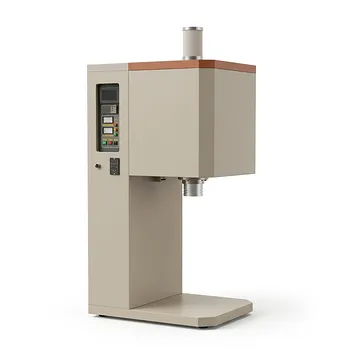
Vertical Openable Tube Furnace 0-1700c High Temperature Laboratory System for CVD and Vacuum Heat Treatment
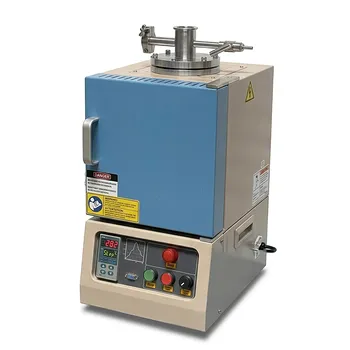
High Temperature Hybrid Muffle and Tube Furnace with Vacuum Capability and PID Control

High Temperature 1700C Six Zone Split Tube Furnace with Alumina Tube and Water Cooled Flanges
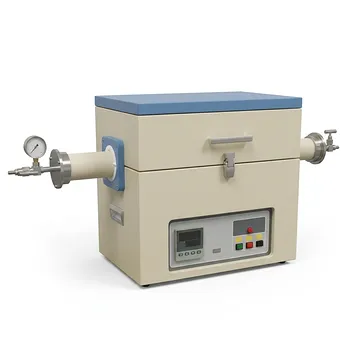
1250C Split Tube Furnace with 3 Inch Mullite Tube and Vacuum Sealing Flanges for Precision Thermal Processing
