What is the function of a laboratory tube furnace in the thermal modification of Micron Bamboo Charcoal (MBC)?
Updated 3 months ago
A laboratory tube furnace serves as the precision thermal reactor required to reconstruct the physical and chemical properties of Micron Bamboo Charcoal (MBC).
By creating a controlled, oxygen-limited environment at temperatures ranging from 60°C to 400°C, the furnace facilitates the expansion of internal micropores and the selective removal of surface functional groups. This transformation significantly increases the material's specific surface area and optimizes its chemical affinity for capturing trace copper ions in water.
Core Takeaway: The laboratory tube furnace is the critical tool for "thermal tuning," allowing researchers to precisely trigger the microstructural changes and chemical cleavage necessary to turn raw MBC into a high-performance adsorbent.
Engineering the Microstructure of MBC
Inducing Microstructural Reconstruction
The primary role of the tube furnace is to provide the energy needed to reorganize the carbon framework of the bamboo charcoal. At a molecular level, the heat forces a reconstruction of the material's internal architecture, transitioning it from a raw state to a highly active modified state.
Uniform Heat Transfer and Pore Expansion
Unlike standard heating methods, a tube furnace ensures a uniform thermal field across the entire sample. This consistent heat transfer is essential for the uniform expansion of internal micropores, which provides the vast "internal landscape" required for effective filtration.
Achieving High Specific Surface Area
As the furnace maintains specific high-temperature zones, it drives the development of complex pore networks. This increase in specific surface area is the direct result of the furnace’s ability to hold a precise temperature, ensuring the material does not simply burn but instead develops a more porous geometry.
Chemical Surface Engineering
Cleavage of Surface Functional Groups
The tube furnace provides the thermal energy required to break specific chemical bonds on the MBC surface. It targets and removes carboxylic acids and phenols, functional groups that might otherwise hinder the material's specialized adsorption capabilities.
Enhancing Adsorption Affinity
By removing these hindering groups, the furnace effectively "cleans" and prepares the charcoal surface for its intended application. This process significantly enhances the adsorption affinity of the charcoal, making it far more effective at attracting and holding trace copper ions in aqueous environments.
Precision Atmospheric Control
The furnace functions as a closed system, allowing for an oxygen-limited or oxygen-free atmosphere. This is vital to prevent the bamboo charcoal from oxidizing or combusting at high temperatures, ensuring that only the desired pyrolysis and modification reactions occur.
Understanding the Trade-offs
Temperature Sensitivity and Material Loss
Operating at the higher end of the temperature range (near 400°C) increases pore development but carries the risk of excessive mass loss. If the temperature is not strictly controlled by the furnace's programmed curve, the carbon structure can degrade, reducing the overall yield of the modified MBC.
Atmosphere Integrity
The effectiveness of the modification relies entirely on the hermetic seal of the tube furnace. Any leak that introduces oxygen during the high-temperature phase can lead to ash formation and the destruction of the delicate micropore network being engineered.
Heating Rate vs. Structural Stability
A heating rate that is too aggressive can cause structural stresses within the micron-sized particles, leading to fragmentation. Precise control over the programmed heating curve is necessary to balance the speed of modification with the mechanical integrity of the final product.
Applying These Insights to Your Research
Making the Right Choice for Your Goal
To maximize the performance of Micron Bamboo Charcoal using a laboratory tube furnace, consider the following strategic approaches:
- If your primary focus is Maximum Adsorption Capacity: Prioritize the removal of carboxylic acids by maintaining stable temperatures near the upper limit of 400°C under a strict nitrogen atmosphere.
- If your primary focus is Structural Integrity: Use a slower, programmed heating curve and lower temperature setpoints (e.g., 200°C–300°C) to expand pores without fracturing the carbon matrix.
- If your primary focus is Specific Ion Targeting: Focus on the precise cleavage of phenols through controlled thermal dwell times to optimize the surface chemistry for heavy metal capture.
By mastering the thermal environment of the tube furnace, you transform Micron Bamboo Charcoal from a simple carbon byproduct into a sophisticated tool for environmental remediation.
Summary Table:
| Furnace Function | Operational Mechanism | Impact on MBC Performance |
|---|---|---|
| Microstructural Reconstruction | Uniform heat transfer (60°C-400°C) | Expands internal micropores and increases surface area. |
| Chemical Engineering | Selective thermal cleavage | Removes carboxylic and phenol groups to boost adsorption affinity. |
| Atmosphere Control | Oxygen-limited/Hermetic seal | Prevents carbon oxidation/ashing and ensures pure pyrolysis. |
| Process Control | Programmed heating curves | Balances pore development with the material's mechanical integrity. |
Elevate Your Material Research with THERMUNITS
Are you looking to achieve precise thermal modification for advanced adsorbents or carbon materials? THERMUNITS is a leading manufacturer of high-temperature laboratory equipment for material science and industrial R&D. We offer a comprehensive range of thermal processing solutions, including Tube, Vacuum, Atmosphere, Muffle, Rotary, and Hot Press furnaces, as well as CVD/PECVD systems and specialized heating elements.
Our precision-engineered furnaces provide the atmospheric integrity and temperature uniformity required to transform Micron Bamboo Charcoal and other raw materials into high-performance tools for environmental remediation.
Contact us today to find the perfect thermal solution for your lab!
References
- Xinmei Li, Dandan Pan. Removal of Trace Cu2+ from Water by Thermo-Modified Micron Bamboo Charcoal and the Effects of Dosage. DOI: 10.3390/su16177835
Mentioned Products
- Multi Position Tube Furnace 1100C for Laboratory Material Research and Advanced Industrial Thermal Processing
- Ten Zone Multi Orientation Laboratory Tube Furnace for 1200C High Temperature Gradient Thermal Processing
- High Temperature 1200C Split Tube Furnace with Hinged Vacuum Flanges and 4 Inch Quartz Tube for Laboratory Research
- High Temperature Automated 5 Inch Tube Furnace for Autonomous Material Research and Advanced Laboratory R&D
- 1100°C Vertical Laboratory Furnace for DIY Tubular Reactors with PID Temperature Controller
People Also Ask
- Why use a tube furnace for oxygen annealing LaCrO3/LaMnO3? Optimize Phase Transition & Magnetic Performance.
- What key role does a laboratory high-temperature tube furnace play in the production of carbon nanofibers? Guide
- How is a laboratory high-temperature tube furnace utilized to research the products of aluminothermic reduction? Advanced Metallurgical Solutions
- What is the role of a laboratory tube furnace in the carbonization process of porous carbon foam (PCF)? Master 3D Synthesis
- What role does a laboratory tube furnace play in the pyrolysis and carbonization of biomass? Optimize Thermal Research.

Tech Team · ThermUnits
Last updated on Jun 03, 2026
Related Products
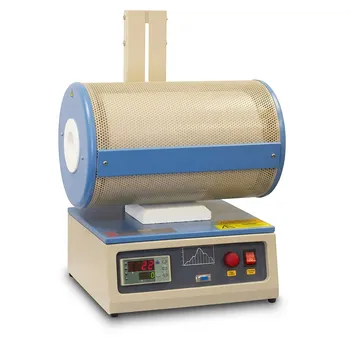
Multi Position Tube Furnace 1100C for Laboratory Material Research and Advanced Industrial Thermal Processing
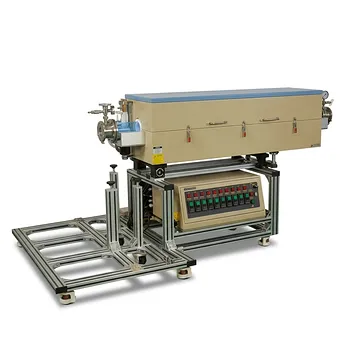
Ten Zone Multi Orientation Laboratory Tube Furnace for 1200C High Temperature Gradient Thermal Processing
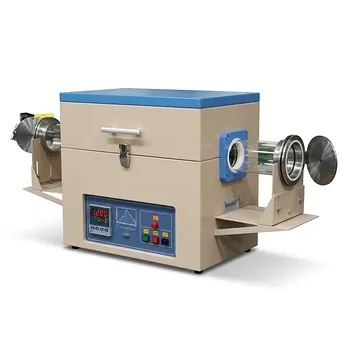
High Temperature 1200C Split Tube Furnace with Hinged Vacuum Flanges and 4 Inch Quartz Tube for Laboratory Research

High Temperature Automated 5 Inch Tube Furnace for Autonomous Material Research and Advanced Laboratory R&D
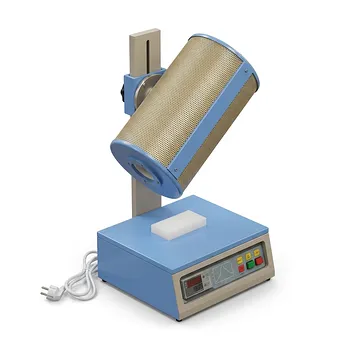
1100°C Vertical Laboratory Furnace for DIY Tubular Reactors with PID Temperature Controller
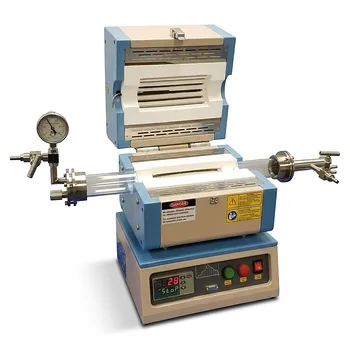
Compact Split Tube Furnace with Integrated Vacuum System and Precision Temperature Calibrator

1800C High Temperature Compact Vacuum Tube Furnace with 60mm OD Alumina Tube and Kanthal MoSi2 Heating Elements
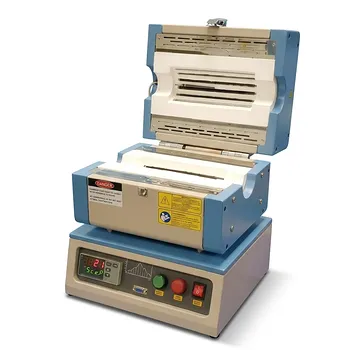
1250C Compact Split Tube Furnace with 8 Inch Heating Zone and Programmable Controller
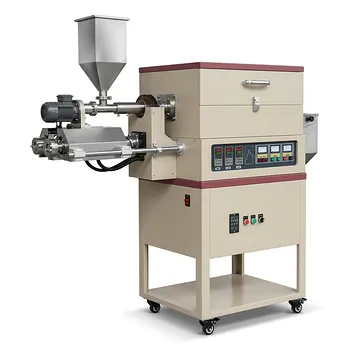
Laboratory Tilting Rotary Tubular Furnaces for Material Science and Industrial Heat Treatment
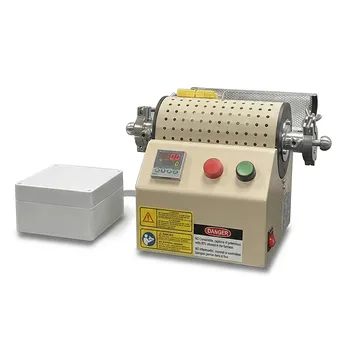
1000C Mini Tube Furnace with 20mm Quartz Tube and Vacuum Flanges for Material Science Research and Controlled Atmosphere Small Sample Processing
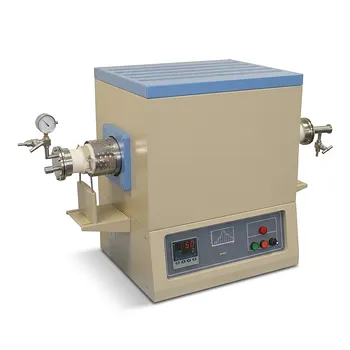
1700C High Temperature Alumina Tube Furnace with 18 Inch Heated Zone and Vacuum Sealing Flanges
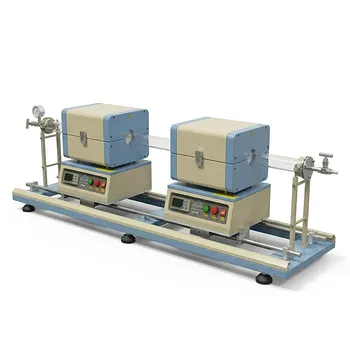
1200C Max Dual Sliding Tube Furnace with 50 mm Tube Flanges for CVD
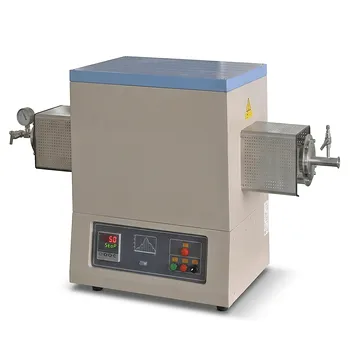
High Temperature 1700C Tube Furnace with 4 Inch OD Alumina Tube and Vacuum Sealing Flanges
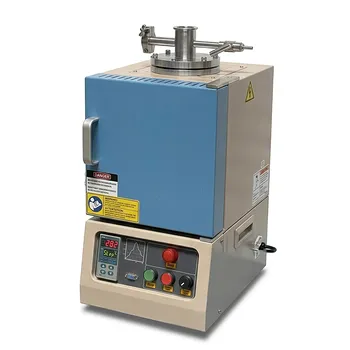
High Temperature Hybrid Muffle and Tube Furnace with Vacuum Capability and PID Control
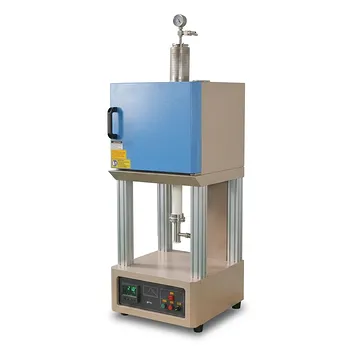
Hybrid High Temperature Tube and Box Furnace 1700C with 2 Inch Alumina Tube for Material Research
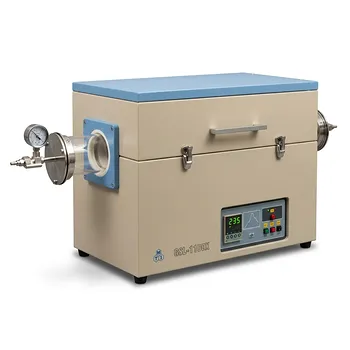
Single Zone Tube Furnace 5 Inch Quartz Tube 36 Inch Heating Zone Vacuum Flanges

High Temperature 1700C Vertical Tube Furnace for Powder Spherification and Material Sintering
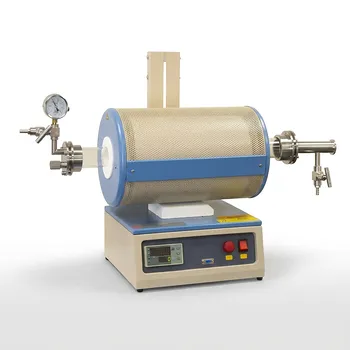
1100C Tube Furnace with Vacuum Flange and Programmable Temperature Controller for Material Science and Industrial Heat Treatment

High Temperature 1700C Tube Furnace with High Vacuum Turbomolecular Pump System and Multi Channel Mass Flow Controller Gas Mixer
