What is the function of a three-zone temperature control system in a fixed-bed reactor? Achieve Precise Thermal Accuracy
Updated 3 months ago
The primary function of a three-zone temperature control system is to establish a stable, elongated isothermal zone within the reactor's quartz tube. By managing three independent heating elements, the system compensates for natural heat loss at the reactor ends, ensuring the entire material bed remains at a consistent target temperature. This precision is essential to isolate the performance of oxygen carriers, such as Fe2SiO4, from thermal variables that could otherwise skew results.
A three-zone control system provides a uniform thermal environment that eliminates side reactions and "cold spots," ensuring that experimental data reflects the oxygen carrier's true chemical activity rather than temperature-induced artifacts.
Achieving Thermal Uniformity in Fixed-Bed Reactors
The Role of the Isothermal Zone
In performance testing, the "isothermal zone" is the specific region within the tube where the temperature is perfectly constant. A three-zone system extends this zone significantly compared to single-zone heaters, providing a larger window for the chemical reaction to occur under controlled conditions.
Compensating for Axial Heat Loss
Heat naturally escapes through the ends of a reactor tube due to radiation and convection. By adjusting the power to the top and bottom zones independently of the center, the system "buffers" the middle zone, maintaining a flat temperature profile across the oxygen carrier bed.
Impact on Reaction Mechanics
Neutralizing Local Overheating and Cold Spots
Temperature-sensitive reactions, such as the partial oxidation of methane, are highly susceptible to fluctuations. Eliminating "cold spots" prevents incomplete reactions, while removing "hot spots" prevents unwanted side reactions or material sintering that could degrade the Fe2SiO4 oxygen carrier.
Ensuring Accuracy in High-Temperature Testing
When testing at specific high-temperature setpoints, such as 980°C, even a minor deviation can lead to incorrect kinetic data. The three-zone configuration allows researchers to confirm that the observed activity is a result of the catalyst's properties and not a byproduct of localized thermal gradients.
Understanding Technical Constraints
Control Loop Complexity
While three-zone systems offer superior uniformity, they require more sophisticated PID (Proportional-Integral-Derivative) tuning. If the zones are not synchronized correctly, they can "fight" each other, leading to temperature oscillations that undermine the stability of the experiment.
Sensor Placement Sensitivity
The accuracy of a three-zone system is entirely dependent on the placement of internal thermocouples. If a thermocouple is slightly out of position, the system may report a uniform temperature while the actual material bed experiences a significant gradient.
Optimizing Temperature Control for Testing
To ensure your fixed-bed reactor yields the most reliable data, consider how your temperature strategy aligns with your specific research objectives.
- If your primary focus is kinetic accuracy: Use a three-zone system to ensure the entire catalyst bed is exposed to the exact same temperature, eliminating variables in rate equations.
- If your primary focus is material durability: Monitor the three-zone output closely to ensure no localized "runaway" temperatures occur, which could prematurely age the oxygen carrier.
- If your primary focus is screening new carriers: Standardize the isothermal zone length across all tests to ensure that performance comparisons between different materials are scientifically valid.
Mastering the thermal environment is the foundational step in transforming raw experimental data into a definitive understanding of oxygen carrier performance.
Summary Table:
| Feature | Function in Fixed-Bed Reactor | Impact on Testing Results |
|---|---|---|
| Isothermal Zone | Extends the constant temperature region | Ensures uniform reaction conditions across the material bed |
| Axial Heat Compensation | Offsets heat loss at reactor tube ends | Eliminates "cold spots" and prevents incomplete reactions |
| Independent Zone Control | Neutralizes localized thermal gradients | Prevents unintended side reactions and material sintering |
| Precision PID Tuning | Synchronizes heating elements | Provides stable, high-temperature sets (e.g., 980°C) for kinetics |
Elevate Your R&D Precision with THERMUNITS
Is thermal instability compromising your material testing results? THERMUNITS is a leading manufacturer of professional high-temperature laboratory equipment, specializing in solutions that demand absolute uniformity. From Tube and Vacuum furnaces for fixed-bed reactors to CVD/PECVD systems, Rotary kilns, and Hot Press furnaces, our equipment is engineered for the rigors of material science R&D.
Whether you are testing oxygen carriers or developing new catalysts, our three-zone thermal solutions provide the stable isothermal environment your research requires. Contact our technical team today to discuss a customized furnace solution for your laboratory and ensure your heat treatment processes are scientific, stable, and scalable.
References
- Yue Lai, Mujun Long. Syngas Production by Fe2SiO4 Oxygen Carrier in Chemical Looping Partial Oxidation of Methane. DOI: 10.3390/catal14120866
Mentioned Products
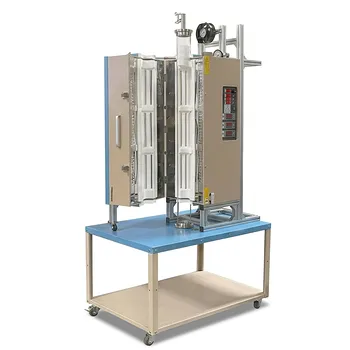
- 1200C Three Zone Vertical Fixed Fluidized Bed Furnace for Methane Reforming and Fischer Tropsch Reactions
- Three Temperature Zone Fast Heating Furnace 1500C Laboratory High Precision Thermal Processing System
- Three Temperature Zone High Temperature Vacuum Tube Furnace for CVD and Material Sintering
- High Temperature Three Temperature Zone Tube Furnace for Advanced Material Science Sintering and Chemical Vapor Deposition Applications
- Large Three Temperature Zone Rotating Tube Furnace for High Uniformity Material Sintering
People Also Ask
- Why use a mobile fluidized bed in high-temp furnaces? Achieve instant heating and precise kinetic data.
- What is the role of the Fluidized Bed CVD system in CNT preparation? Key to Scalable and Uniform Support Material Growth
- How do a muffle furnace and tube reactor function in bagasse torrefaction? Precision Biomass Thermal Processing.
- What is the core function of a high-temperature vertical tube reactor? Replicate Industrial Entrained-Flow Conversion
- Why is precise temperature gradient control essential in high-temperature pyrolysis? Optimize Yield and Longevity

Tech Team · ThermUnits
Last updated on Jun 02, 2026
Related Products
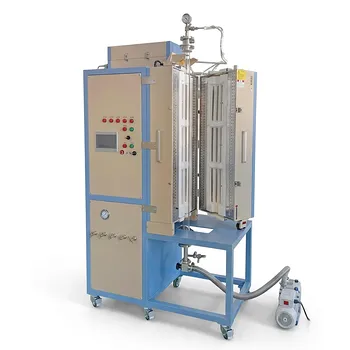
1200C Three Zone Vertical Fixed Fluidized Bed Furnace for Methane Reforming and Fischer Tropsch Reactions
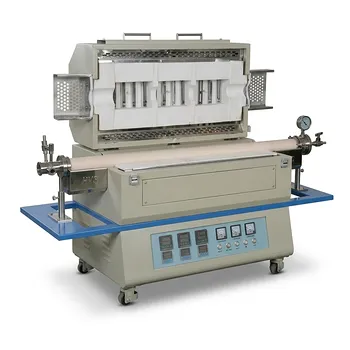
Three Temperature Zone Fast Heating Furnace 1500C Laboratory High Precision Thermal Processing System
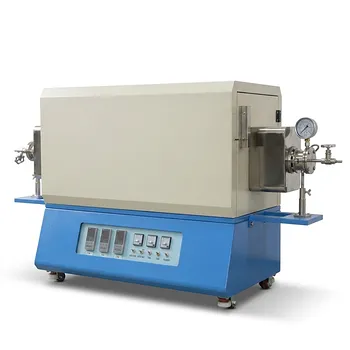
Three Temperature Zone High Temperature Vacuum Tube Furnace for CVD and Material Sintering
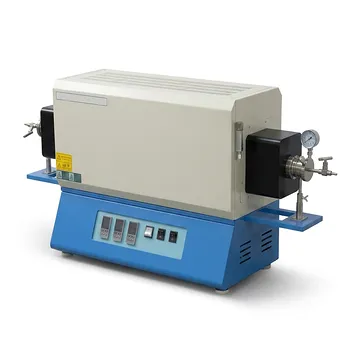
High Temperature Three Temperature Zone Tube Furnace for Advanced Material Science Sintering and Chemical Vapor Deposition Applications
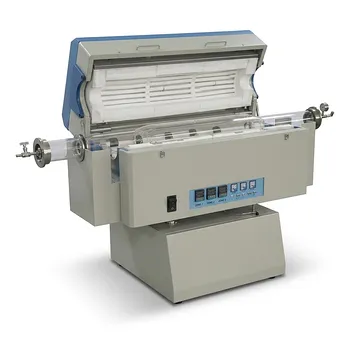
Large Three Temperature Zone Rotating Tube Furnace for High Uniformity Material Sintering
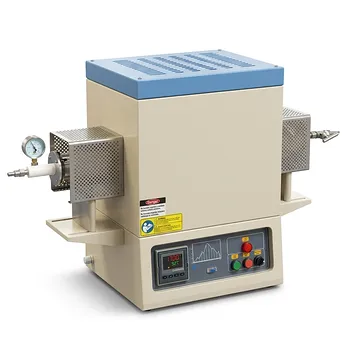
High Temperature Three Zone Tube Furnace 1700C with Alumina Tube and Water Cooled Flanges
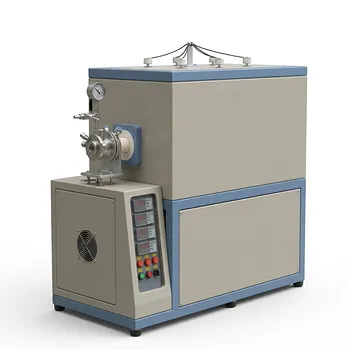
High Temperature 1700C Three Zone Tube Furnace with Alumina Tube 50mm 60mm 80mm OD for Material Research and Industrial Heat Treatment
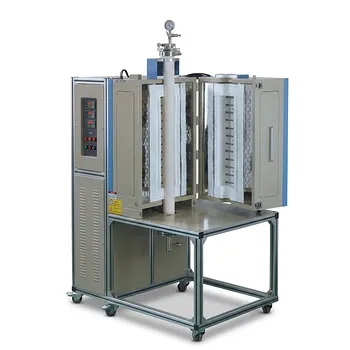
Three Zone Heating Split Vertical Tube Furnace 1700 High Temperature Vacuum Atmosphere Thermal Process System
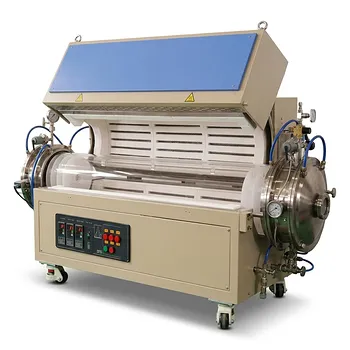
High Temperature Three Zone Split Tube Furnace 1200C Max 35.4 Inch Heating Length 8 Inch ID Tube
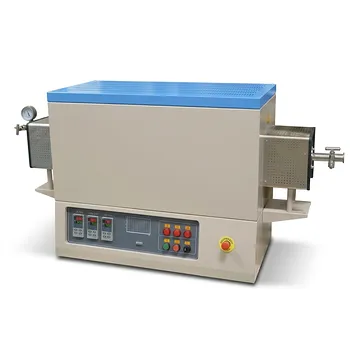
Three Zone Alumina Tube Furnace with Vacuum Flanges High Temperature 1700C Thermal Gradient CVD System
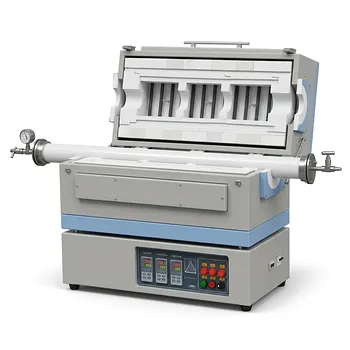
High Temperature 1500C Three Zone Split Tube Furnace with 80mm Alumina Tube and Vacuum Flange
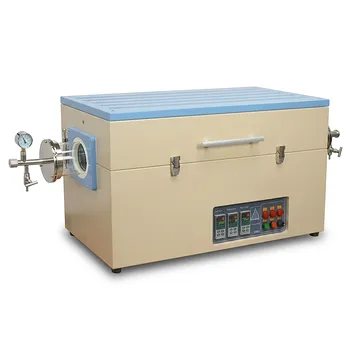
Three Zone Split Tube Furnace 36 Inch Heating Length High Temperature 1200C Material Research Furnace with Vacuum Flanges
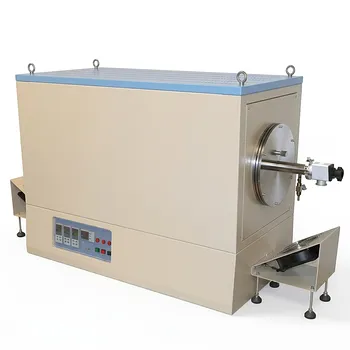
1100°C Three Zone Tube Furnace with 8.5 to 11 Inch OD Quartz Tube and Vacuum Flanges for Large Wafer Processing

5 Inch Three Zone Rotary Tube Furnace with Integrated Gas Delivery System and 1200C Capability for Advanced Material CVD Processing
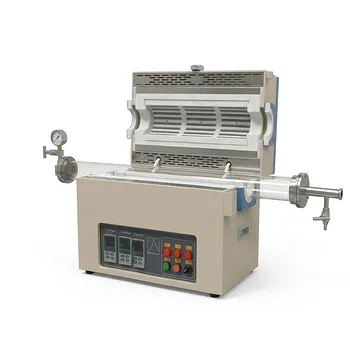
1200°C Three Zone Split Tube Furnace with 18 Inch Heating Length and Vacuum Flanges
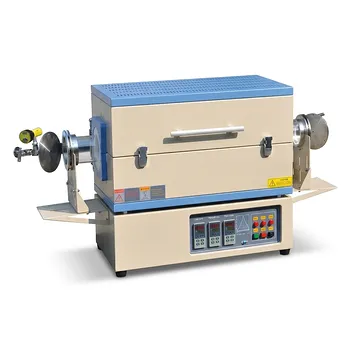
Three Zone Tube Furnace with 24 Inch Heating Length and Hinged Flange Quartz Tube System
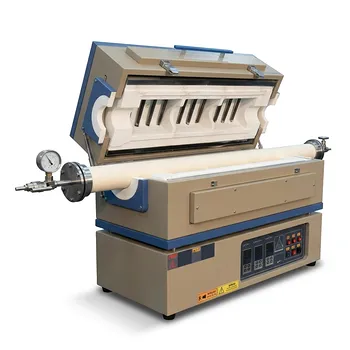
1600C Three Zone Split Tube Furnace with Alumina Tube and Vacuum Flange
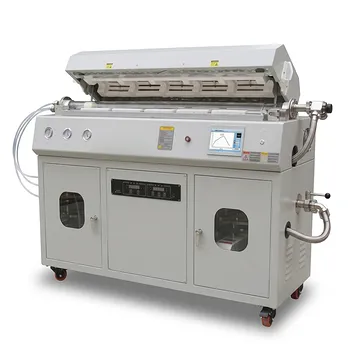
Multi Heating Zones CVD Tube Furnace System for Precision Chemical Vapor Deposition and Advanced Material Synthesis
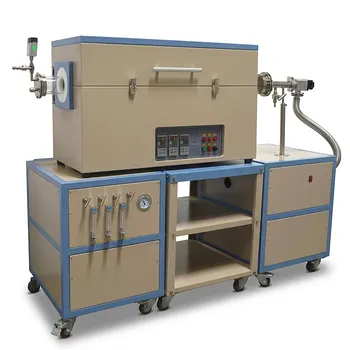
Three Zone Quartz Tube Furnace with 3 Channel Gas Mixer Vacuum Pump and Anti Corrosive Vacuum Gauge