What is the function of an atmosphere tube furnace operating at 1000 °C during the preparation of SiO2-HOGF substrates?
Updated 3 months ago
The atmosphere tube furnace acts as a dual-function chemical reactor. In the preparation of SiO2-HOGF substrates, it provides a stable 1000 °C environment under a hydrogen and argon atmosphere to simultaneously drive the pyrolysis of Tetraethyl Orthosilicate (TEOS) into nano-silica and the thermal reduction of graphene oxide. This integrated process transforms the raw precursors into a high-performance substrate with enhanced thermal conductivity and a functional catalyst carrier structure.
The core function of the atmosphere tube furnace is to facilitate a synchronized thermo-chemical reaction where TEOS is pyrolyzed into silica while graphene oxide is reduced. This synergy is essential for creating a thermally conductive, structurally stable substrate suitable for advanced applications.
The Dual Chemical Transformation at 1000 °C
Pyrolysis of Tetraethyl Orthosilicate (TEOS)
The furnace maintains a constant high-temperature field that initiates the chemical decomposition of TEOS.
During this pyrolysis, TEOS is converted into nano-silica (SiO2), which then adsorbs onto the graphene surface.
This resulting silica acts as a critical catalyst carrier, providing the necessary architecture for the substrate's subsequent functional roles.
Simultaneous Reduction of Graphene Oxide
While TEOS is decomposing, the high-temperature environment triggers the thermal reduction of the graphene oxide (GO) layers.
This reduction process removes oxygen-containing functional groups, which are known to impede electron and phonon transport.
By restoring the graphene lattice, the furnace significantly boosts the intrinsic thermal conductivity of the final SiO2-HOGF substrate.
The Role of the Controlled Atmosphere
Protective Mixed Gas Environment
The use of a precise hydrogen (H2) and argon (Ar) mixture is vital for the chemical integrity of the process.
Argon provides an inert shield that prevents unintended oxidation or combustion of the carbon components at the 1000 °C threshold.
Hydrogen acts as a reducing agent, accelerating the removal of oxygen from the graphene oxide to ensure a more complete conversion to reduced graphene oxide (rGO).
Uniformity and Repeatability
The atmosphere tube furnace is engineered to provide high temperature field uniformity across the entire reaction zone.
This uniformity ensures that the TEOS-to-silica conversion and GO reduction occur at the same rate throughout the material batch.
Such precision is mandatory for achieving highly repeatable results in the synthesis of complex functional nanomaterials.
Understanding the Trade-offs and Constraints
Energy Consumption and Cooling Requirements
Operating at a sustained 1000 °C requires significant energy input and high-quality heating elements capable of withstanding thermal stress.
Furthermore, the cooling phase must be carefully managed to prevent thermal shock, which could compromise the structural bond between the nano-silica and the graphene.
Gas Mixture Precision
The ratio of hydrogen to argon must be strictly controlled; an insufficient hydrogen concentration leads to incomplete reduction and poor thermal conductivity.
Conversely, excessive hydrogen at high temperatures introduces safety risks and may over-reduce the material, potentially creating structural defects in the graphene lattice.
Precursor Purity and Contamination
Because the furnace operates as a closed system, any impurities in the TEOS or the gas supply will be "baked" into the final substrate.
High-purity inert gases and clean-room handling of precursors are necessary to ensure the chemical purity of the SiO2-HOGF substrate.
How to Apply This to Your Project
Maximizing Substrate Performance
Successful preparation depends on aligning your furnace parameters with your specific material requirements.
- If your primary focus is maximised thermal conductivity: Ensure the hydrogen concentration is optimized and the 1000 °C dwell time is sufficient to fully reduce the graphene oxide.
- If your primary focus is catalyst carrier surface area: Fine-tune the TEOS concentration and pyrolysis ramp rate to control the particle size and distribution of the resulting nano-silica.
- If your primary focus is structural integrity: Implement a multi-stage programmable temperature control profile to minimize internal stresses during the heating and cooling cycles.
The atmosphere tube furnace is the defining tool that converts raw chemical precursors into a sophisticated, multi-functional SiO2-HOGF substrate through precise thermal and atmospheric control.
Summary Table:
| Process / Component | Function at 1000°C | Key Material Benefit |
|---|---|---|
| TEOS Pyrolysis | Decomposes TEOS into nano-silica (SiO2) | Creates a stable catalyst carrier structure |
| GO Thermal Reduction | Removes oxygen groups from graphene oxide | Restores high intrinsic thermal conductivity |
| H2/Ar Atmosphere | Provides inert shielding and active reduction | Prevents oxidation and ensures chemical purity |
| Temperature Control | Maintains a uniform 1000°C reaction field | Ensures repeatable, high-quality synthesis |
Elevate Your Material Research with THERMUNITS Precision
Achieving the dual-function chemical transformation required for SiO2-HOGF substrates demands absolute control over temperature and atmosphere. THERMUNITS is a leading manufacturer of high-temperature laboratory equipment for material science and industrial R&D. We empower your innovation with a comprehensive range of thermal solutions, including:
- Atmosphere & Tube Furnaces for precise gas-controlled reactions.
- CVD/PECVD Systems for advanced thin-film and nanomaterial synthesis.
- Vacuum, Muffle, and Rotary Furnaces tailored to diverse heat treatment needs.
- Specialized Equipment: Hot Press, Dental Furnaces, and Vacuum Induction Melting (VIM) systems.
Whether you are refining catalyst carriers or maximizing thermal conductivity, our equipment provides the uniformity and reliability your project deserves.
Ready to optimize your lab’s thermal processing?
Contact THERMUNITS today to find your perfect solution!
References
- Huitao Yu, Wei Feng. Regulatable Orthotropic 3D Hybrid Continuous Carbon Networks for Efficient Bi-Directional Thermal Conduction. DOI: 10.1007/s40820-024-01426-0
Mentioned Products
- High Temperature Vertical Hybrid Furnace with Alumina Tube and SiC Heating for SOFC Coin Cell Testing and Atmosphere Processing
- Multi Position Tube Furnace 1100C for Laboratory Material Research and Advanced Industrial Thermal Processing
- High Temperature Oxygen and Inert Atmosphere Controlled Furnace 8 Liter 1700C Sintering System for Advanced Materials RD
- 1100°C High Temperature Quartz Chamber Furnace 8 Inch OD with 7.6 Liter Capacity and Vacuum Atmosphere Capability
- High Temperature Hydrogen Atmosphere Box Furnace 1650C Max Reducing Environment Material Synthesis System 8x8x8 Chamber
People Also Ask
- Purpose of Nitrogen Flow in Carbon Activation? Optimize Yield with High-Purity Tube Furnace Environments
- Technical Value of Tube Furnaces for Pomegranate Peel Hard Carbon: Precision Carbonization & Battery Material Synthesis
- What technical conditions does a horizontal alumina tube furnace provide? Optimize Liquid Copper Infiltration
- What role do alumina preheating tubes and heating elements play in flash smelting simulation? Optimize Thermal Precision
- What critical process conditions does a high-temperature tube furnace provide? Mastering Catalyst Activation Success

Tech Team · ThermUnits
Last updated on Jun 02, 2026
Related Products
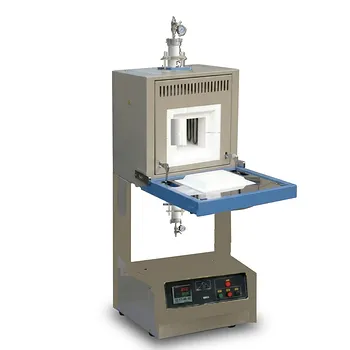
High Temperature Vertical Hybrid Furnace with Alumina Tube and SiC Heating for SOFC Coin Cell Testing and Atmosphere Processing
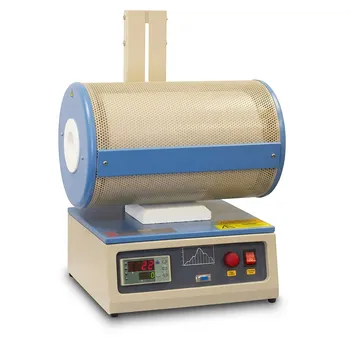
Multi Position Tube Furnace 1100C for Laboratory Material Research and Advanced Industrial Thermal Processing
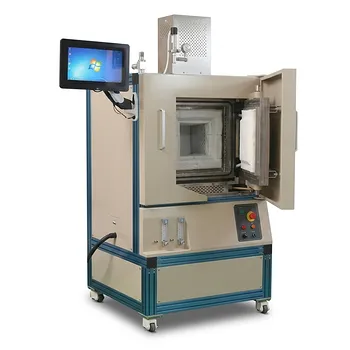
High Temperature Oxygen and Inert Atmosphere Controlled Furnace 8 Liter 1700C Sintering System for Advanced Materials RD
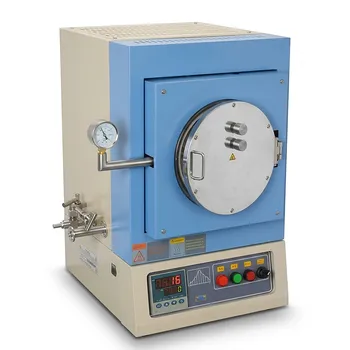
1100°C High Temperature Quartz Chamber Furnace 8 Inch OD with 7.6 Liter Capacity and Vacuum Atmosphere Capability
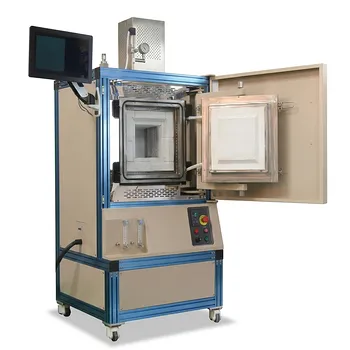
High Temperature Hydrogen Atmosphere Box Furnace 1650C Max Reducing Environment Material Synthesis System 8x8x8 Chamber

Vertical 1700C Vacuum and Atmosphere Tube Furnace with 80mm Alumina Tube
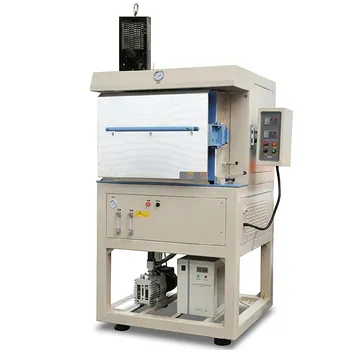
1200C Hydrogen Atmosphere Box Furnace with 5 Heated Sides and 64L Chamber
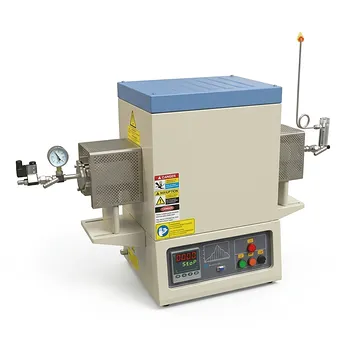
1700C Hydrogen Gas Tube Furnace with 60mm Alumina Process Tube and Integrated Hydrogen Safety Detector
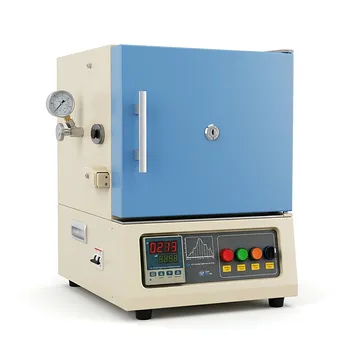
1200C Hybrid Muffle and Tube Furnace for Material Research with Dual Atmosphere Control Quartz Tubes

High Temperature 1700C Vertical Tube Furnace for Powder Spherification and Material Sintering
1200°C Atmosphere Controlled Automatic Bottom Loading Furnace with 6 Inch Quartz Tube
High Temperature Automated 5 Inch Tube Furnace for Autonomous Material Research and Advanced Laboratory R&D
High Temperature Vertical Atmosphere Controlled Furnace with Automatic Bottom Loading and 1700°C Capacity for Advanced Material Research

1800C High Temperature Compact Vacuum Tube Furnace with 60mm OD Alumina Tube and Kanthal MoSi2 Heating Elements
1500°C Split Tube Furnace with Alumina Tube and Vacuum Sealing Flanges for Material Research
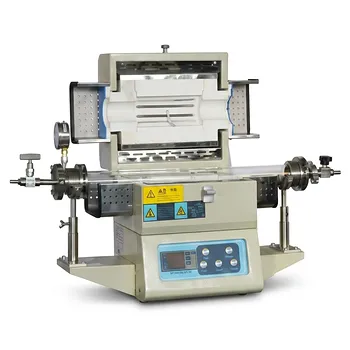
High Temperature 1200C Split Tube Furnace for CVD Research and Vacuum Atmosphere Heat Treatment
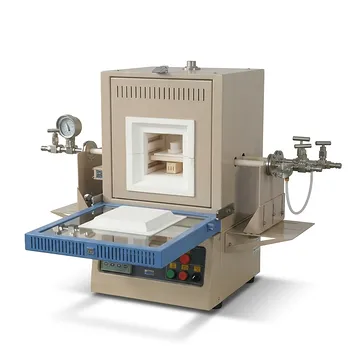
1700C Compact Hybrid Furnace with Dual Layer Box Sintering and Controlled Atmosphere Alumina Tubes
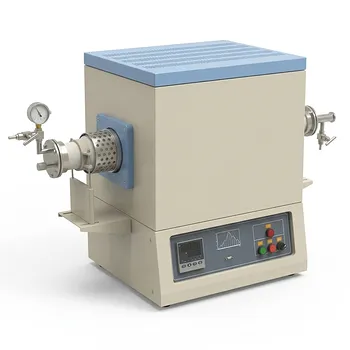
1750°C High Temperature Benchtop Vacuum Atmosphere Tube Furnace with Kanthal Super 1800 Heating Elements and 60mm Alumina Processing Tube
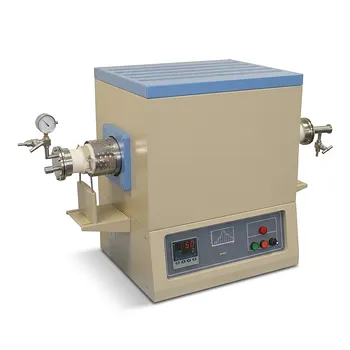
1700C High Temperature Alumina Tube Furnace with 18 Inch Heated Zone and Vacuum Sealing Flanges
