What is the fundamental working principle of a Chemical Vapor Deposition (CVD) machine? Master Precision Film Growth
Updated 5 months ago
The fundamental working principle of a Chemical Vapor Deposition (CVD) machine is the chemical transformation of gaseous precursors into a high-purity solid film on a heated substrate. This process is fundamentally different from Physical Vapor Deposition (PVD) because it relies on chemical reactions—such as thermal decomposition, reduction, or oxidation—rather than simple physical evaporation. By precisely controlling these molecular interactions, CVD machines allow for the growth of materials with extreme precision in thickness, composition, and crystalline structure.
CVD machines facilitate a controlled environment where volatile gases react at a substrate's surface to deposit solid material, layer by layer, at the atomic level. This mechanism is the cornerstone for producing high-performance coatings, semiconductors, and synthetic diamonds.
The Five-Step Sequence of Deposition
1. Precursor Delivery and Gas-Phase Transport
The process begins by introducing volatile precursor gases into the reaction chamber using carrier gases. These precursors are carefully regulated by mass flow controllers to ensure the correct chemical ratios are maintained throughout the growth cycle.
2. Diffusion Through the Boundary Layer
Once inside the reactor, the gas molecules move toward the substrate. To reach the surface, they must diffuse through a stagnant boundary layer of gas that forms just above the substrate, a critical step that determines the uniformity of the final film.
3. Adsorption and Surface Reaction
The precursor molecules adsorb onto the heated substrate surface, where they find a stable site to reside. At this point, thermal energy or plasma triggers a chemical reaction or thermal decomposition, causing the gas to transform into a solid deposit.
4. Desorption and Evacuation of By-products
The chemical reactions that create the solid film also produce volatile by-products. These unwanted gases must desorb from the substrate surface and be actively evacuated from the chamber via vacuum pumping to prevent contamination of the growing film.
The Essential Subsystems of a CVD Machine
Precise Gas Delivery Systems
A CVD machine relies on an integrated gas delivery system consisting of cylinders, mass flow controllers, and vaporizers. This system ensures that the "ingredients" for the chemical reaction are delivered with surgical precision and consistency.
The Controlled Environment Reactor
The reaction chamber is the heart of the machine, designed to maintain specific pressure and temperature conditions. It must be chemically inert to avoid interfering with the delicate reactions occurring on the substrate.
Energy Sources for Activation
CVD requires energy to break molecular bonds, typically provided by a heating system for thermal CVD or microwave energy for Plasma-Enhanced CVD (PECVD). In Microwave Plasma CVD (MPCVD), for example, 2.45 GHz microwaves create a high-density plasma that dissociates gases like methane and hydrogen into reactive species.
Vacuum and Process Monitoring
Maintaining a specific pressure environment is the job of the vacuum and exhaust control system. Simultaneously, monitoring instrumentation, such as pyrometers or gas analyzers, provides real-time data to ensure the process remains within the required technical tolerances.
Understanding the Trade-offs
Thermal Stress and Substrate Limitations
Because many CVD processes require high temperatures to trigger chemical reactions, the substrate material must be able to withstand significant heat. This can lead to thermal stress or mechanical deformation if the expansion coefficients of the film and the substrate are not well-matched.
Chemical Complexity and Safety
The use of volatile and toxic precursors requires sophisticated safety protocols and scrubbing systems to handle hazardous by-products. Additionally, the complexity of managing multiple gas-phase reactions makes the process more difficult to tune than simpler physical deposition methods.
Growth Rate vs. Quality
Increasing the precursor flow can speed up the deposition rate, but often at the cost of film purity or crystallinity. Achieving a "perfect" single-crystal structure, such as graphene or diamond, requires a slow, highly controlled growth environment that limits throughput.
Making the Right Choice for Your Goal
How to Apply This to Your Project
- If your primary focus is high-purity crystalline growth (e.g., synthetic diamond): Utilize MPCVD to generate high-density plasma, which allows for superior dissociation of carbon precursors at controlled low pressures.
- If your primary focus is large-area 2D materials (e.g., graphene): Use a thermal CVD system with metal catalysts to precisely regulate the cracking of methane and ensure uniform, single-layer deposition.
- If your primary focus is complex 3D nanostructures (e.g., carbon nanotubes): Prioritize a system with precise gas flow regulation and catalytic substrates to control the alignment, density, and length of the structures.
By mastering the chemical kinetics and environmental variables within the CVD reactor, you can engineer materials with properties that are impossible to achieve through traditional manufacturing.
Summary Table:
| Stage | Process Step | Core Mechanism | Purpose |
|---|---|---|---|
| 1 | Precursor Delivery | Gas-phase transport via carrier gases | Supply uniform chemical ratios |
| 2 | Diffusion | Transport through boundary layer | Ensure coating uniformity |
| 3 | Surface Reaction | Adsorption and thermal decomposition | Solid film formation on substrate |
| 4 | Desorption | Evacuation of volatile by-products | Prevent film contamination |
| 5 | Monitoring | Real-time pressure/temp adjustment | Maintain technical tolerances |
Elevate Your Material Science Research with THERMUNITS
As a global leader in high-temperature laboratory equipment, THERMUNITS specializes in providing cutting-edge thermal processing solutions for industrial R&D and advanced material growth. Whether you are pioneering work in graphene, synthetic diamonds, or semiconductors, our precision-engineered systems deliver the reliability and control your research demands.
Our Comprehensive Thermal Solutions include:
- CVD/PECVD & MPCVD Systems: Perfect for high-purity thin film and 2D material growth.
- Specialized Furnaces: Muffle, Vacuum, Atmosphere, Tube, Rotary, and Hot Press furnaces.
- Industrial Equipment: Electric rotary kilns, Vacuum Induction Melting (VIM) furnaces, and Dental furnaces.
- Components: High-quality Thermal Elements and heat treatment accessories.
Why Partner with THERMUNITS? We don't just sell equipment; we provide the foundation for scientific breakthroughs. Our systems offer surgical precision in gas delivery and temperature management, ensuring your deposition processes are consistent and scalable.
Ready to optimize your CVD process or upgrade your lab? Contact our technical experts today to request a quote!
Mentioned Products
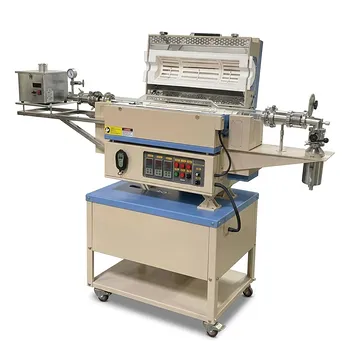
- Chemical Vapor Deposition CVD System Slide PECVD Tube Furnace with Liquid Gasifier PECVD Machine
- Cylindrical Resonator MPCVD Machine System for Microwave Plasma Chemical Vapor Deposition and Lab Diamond Growth
- HFCVD Machine System for Nano Diamond Coating on Drawing Dies and Industrial Tools
- 915MHz MPCVD Diamond Machine Microwave Plasma Chemical Vapor Deposition System Reactor
- Split Chamber CVD Tube Furnace with Vacuum Station Chemical Vapor Deposition System Machine
People Also Ask
- What are the advantages of PECVD systems for nano flame retardant films? Protect Heat-Sensitive Polymers with Precision
- How does a sliding rail design benefit the CVD process within a furnace ventilation hood? Enhance Control & Quenching
- What is the role of CVD/PECVD systems in the research of optoelectronic materials and functional coatings? Expert Guide
- How does PECVD differ from conventional thermal CVD? Key Advantages of Low-Temperature Deposition for R&D
- What role do by-product desorption and evacuation play in CVD film quality? Key Factors for High-Purity Films

Tech Team · ThermUnits
Last updated on Apr 14, 2026
Related Products
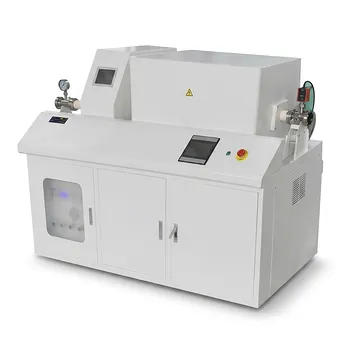
Chemical Vapor Deposition CVD System Slide PECVD Tube Furnace with Liquid Gasifier PECVD Machine
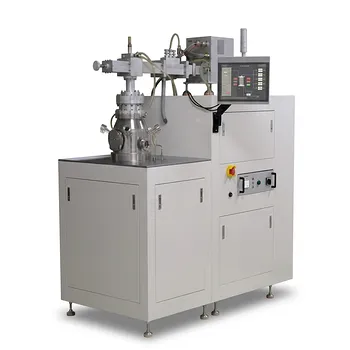
Cylindrical Resonator MPCVD Machine System for Microwave Plasma Chemical Vapor Deposition and Lab Diamond Growth
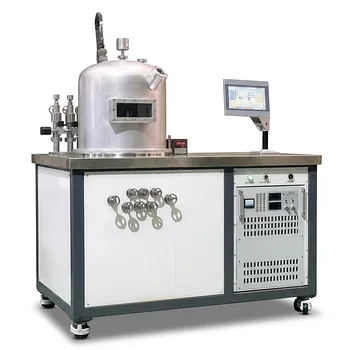
HFCVD Machine System for Nano Diamond Coating on Drawing Dies and Industrial Tools
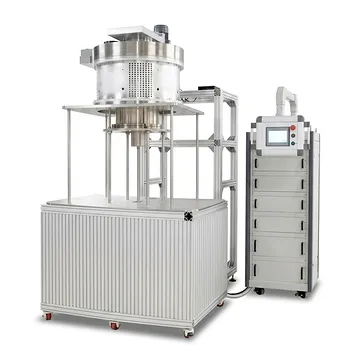
915MHz MPCVD Diamond Machine Microwave Plasma Chemical Vapor Deposition System Reactor
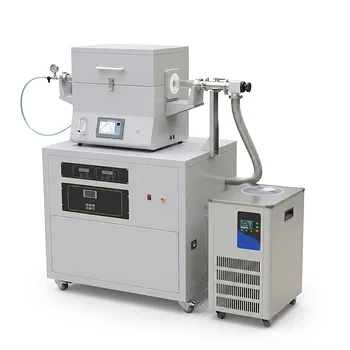
Split Chamber CVD Tube Furnace with Vacuum Station Chemical Vapor Deposition System Machine
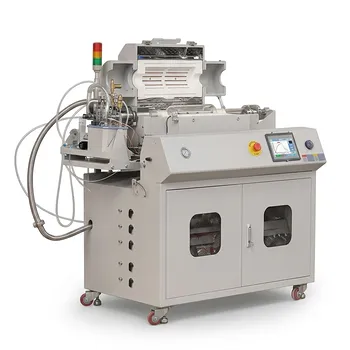
Versatile Chemical Vapor Deposition Tube Furnace System for Advanced Material Research and Industrial Coating Processes
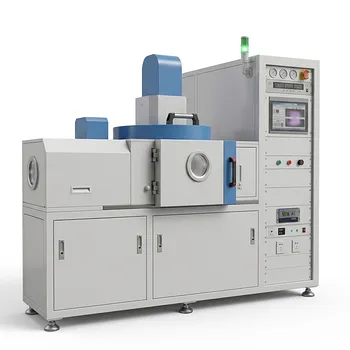
Radio Frequency Plasma Enhanced Chemical Vapor Deposition RF PECVD System for Laboratory and Industrial Thin Film Growth
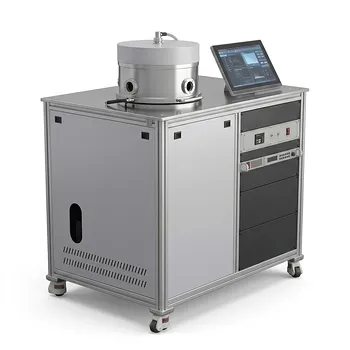
Inclined Rotary Plasma Enhanced Chemical Vapor Deposition PECVD System for Thin Film Deposition and Nanomaterial Synthesis
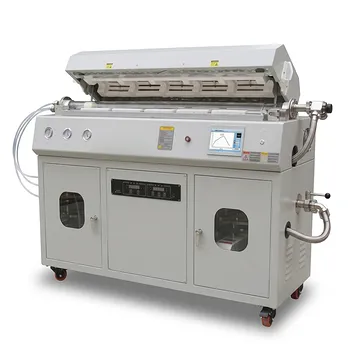
Multi Heating Zones CVD Tube Furnace System for Precision Chemical Vapor Deposition and Advanced Material Synthesis
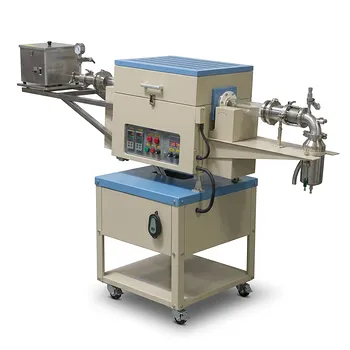
Two Zone Rotary CVD Furnace with Automatic Feeding and Receiving System for Powder Processing
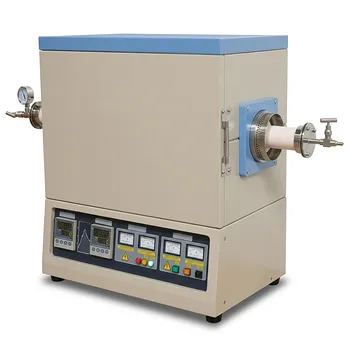
High Temperature 1700C Dual Zone Tube Furnace for Material Science and Industrial Chemical Vapor Deposition Research
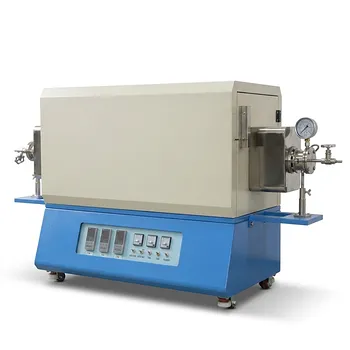
Three Temperature Zone High Temperature Vacuum Tube Furnace for CVD and Material Sintering
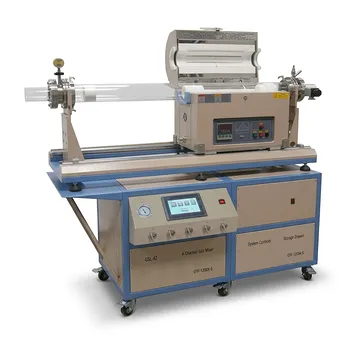
Dual Tube 100mm 80mm CVD Sliding Furnace with 4 Channel Gas Mixing and Vacuum System
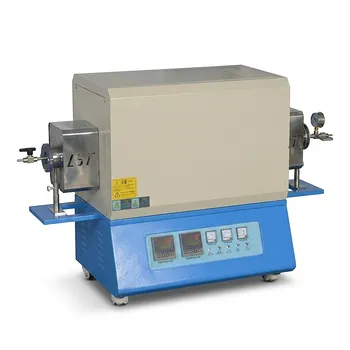
High Temperature Dual Zone Vacuum Tube Furnace for Material Research and CVD Processing
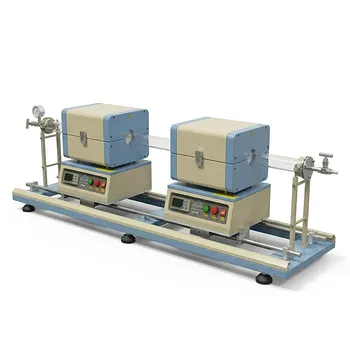
1200C Max Dual Sliding Tube Furnace with 50 mm Tube Flanges for CVD
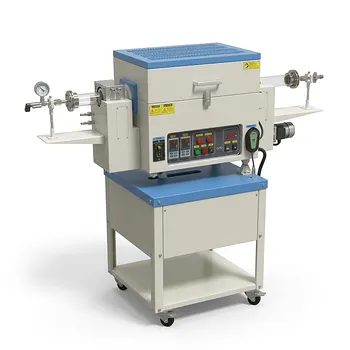
4 Inch Two Zone Rotary CVD Tube Furnace for High Temperature Battery Material Synthesis and Advanced Material Calcination
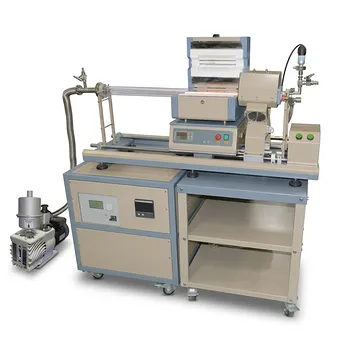
1200C Max Compact Auto-Sliding PECVD Furnace with 2 Inch Tube and Vacuum Pump
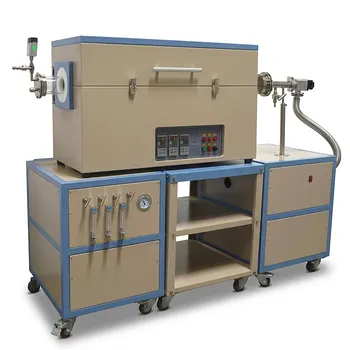
Three Zone Quartz Tube Furnace with 3 Channel Gas Mixer Vacuum Pump and Anti Corrosive Vacuum Gauge
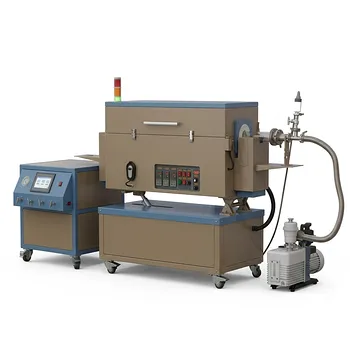
5 Inch Three Zone Rotary Tube Furnace with Integrated Gas Delivery System and 1200C Capability for Advanced Material CVD Processing