What is the primary function of a high-precision syringe pump in a CVD system? Optimize Carbon Nanotube Sponge Synthesis
Updated 3 months ago
The primary function of a high-precision syringe pump in a Chemical Vapor Deposition (CVD) system for Carbon Nanotube Sponges (CNS) is the quantitative and stable delivery of catalyst solutions. By injecting reaction liquids—such as ferrocene dissolved in a solvent—into the high-temperature zone at a constant flow rate (e.g., 5.6 mL/h), the pump maintains a critical instantaneous balance between the carbon source and catalyst concentrations. This precision is what allows for the continuous synthesis of interconnected, three-dimensional, self-supporting structures rather than simple films or powders.
Core Takeaway: A high-precision syringe pump acts as the master regulator of the liquid precursor's feed rate, ensuring a dynamic equilibrium in the reaction furnace that directly dictates the bulk density, porosity, and 3D morphology of the resulting carbon nanotube sponge.
Achieving Dynamic Balance in the Reaction Zone
Maintaining Instantaneous Concentration Ratios
The syringe pump ensures that the ratio of the catalyst (such as ferrocene) to the carbon source remains constant throughout the growth process. Even minor fluctuations in the liquid injection rate can disrupt the dynamic balance within the furnace, leading to inconsistent growth cycles.
Promoting Three-Dimensional Architecture
Unlike standard carbon nanotube growth, CNS synthesis requires the formation of a self-supporting fluffy sponge. The pump’s ability to deliver a steady, low-volume stream facilitates the continuous nucleation and branching required to build these complex, interconnected 3D networks.
Regulating the Reaction Atmosphere
By delivering the precursor solution at an extremely low and constant flow rate, the pump helps maintain a stable chemical environment. This stability is essential for ensuring that the carbon source decomposes correctly on the catalyst surface under a controlled reducing atmosphere.
Impact on Material Properties and Morphology
Controlling Bulk Density and Porosity
The flow rate set on the syringe pump is a primary lever for tuning the physical characteristics of the sponge. A higher or lower flow rate directly influences how densely the nanotubes pack together, which in turn defines the porosity of the final CNS material.
Ensuring Structural Uniformity
Consistency is the hallmark of high-quality CNS production. Precise feeding control ensures that the nanotubes exhibit consistent morphology and a specific thin-wall index (TWI), preventing the formation of structural defects that could weaken the sponge’s mechanical integrity.
Directional Growth and Alignment
While the furnace provides the thermal field, the syringe pump provides the material "fuel." Proper synchronization between the injection rate and the gas flow (managed by Mass Flow Controllers) allows for the directional growth and uniform distribution of nanotubes across the 3D network.
Understanding the Trade-offs and Common Pitfalls
Flow Rate Volatility and Pulsation
Lower-quality pumps may suffer from "pulsation," where the liquid is delivered in tiny bursts rather than a truly smooth stream. This can lead to structural banding in the CNS, where the density varies throughout the thickness of the sponge, compromising its performance.
Clogging and Precursor Precipitation
If the catalyst solution is near its saturation point, any temperature fluctuation at the injection needle can cause the catalyst to precipitate. This clogs the system and leads to non-quantitative delivery, which immediately degrades the quality of the carbon nanotubes being synthesized.
Integration with Vacuum Levels
CVD systems often operate under specific pressures; if the syringe pump is not properly calibrated to work against the system's internal pressure, the actual flow rate may deviate from the programmed rate. This is particularly critical when the system has been evacuated to low pressure levels (e.g., 5x10^-2 Torr) to remove oxygen and water vapor.
How to Optimize Your CNS Synthesis
To achieve high-quality Carbon Nanotube Sponges, the syringe pump must be integrated into the broader CVD control logic.
- If your primary focus is Structural Integrity: Use a syringe pump with a high-resolution micro-step motor to eliminate pulsation and ensure a perfectly uniform 3D network.
- If your primary focus is Porosity Control: Systematically vary the flow rate in small increments (e.g., 0.1 mL/h) to establish a calibration curve between injection speed and the resulting bulk density of the sponge.
- If your primary focus is Material Purity: Ensure the pump and delivery lines are chemically inert to prevent contamination of the ferrocene or other catalyst precursors before they reach the reaction zone.
Precise liquid delivery is the fundamental requirement for transforming a standard CVD process into a specialized tool for three-dimensional carbon architecture.
Summary Table:
| Key Function | Impact on CNS Quality | Why Precision is Critical |
|---|---|---|
| Catalyst Delivery | Controls Bulk Density & Porosity | Maintains instantaneous concentration balance. |
| Precursor Feed Rate | Promotes 3D Architecture | Ensures continuous nucleation and branching. |
| Flow Stability | Structural Uniformity | Eliminates pulsation to prevent structural banding. |
| Atmosphere Control | Chemical Purity | Maintains stable reducing atmosphere during growth. |
Elevate Your Nano-Material Research with THERMUNITS
As a leading manufacturer of high-temperature laboratory equipment, THERMUNITS provides the precision required for advanced material science and industrial R&D. Our integrated thermal solutions are engineered to help you achieve the dynamic balance necessary for complex 3D architecture synthesis like Carbon Nanotube Sponges (CNS).
Our Comprehensive Range Includes:
- CVD/PECVD Systems & Precision Delivery Integration
- Muffle, Vacuum, & Atmosphere Furnaces
- Tube, Rotary, and Hot Press Furnaces
- Dental Furnaces & Electric Rotary Kilns
- Vacuum Induction Melting (VIM) & High-Quality Thermal Elements
Why Partner with THERMUNITS? We empower researchers to master material morphology through superior thermal stability and flow control. Whether you are focused on structural integrity, porosity control, or high-purity synthesis, our equipment delivers the reliability your innovation deserves.
Contact THERMUNITS Today to Optimize Your Lab Process
References
- Francesca Romana Lamastra, Manuela Scarselli. Form-Stable Phase-Change Materials Using Chemical Vapor Deposition-Derived Porous Supports: Carbon Nanotube/Diatomite Hybrid Powder and Carbon Nanotube Sponges. DOI: 10.3390/ma17235721
Mentioned Products
- HFCVD Machine System for Nano Diamond Coating on Drawing Dies and Industrial Tools
- Versatile Chemical Vapor Deposition Tube Furnace System for Advanced Material Research and Industrial Coating Processes
- Split Chamber CVD Tube Furnace with Vacuum Station Chemical Vapor Deposition System Machine
- Chemical Vapor Deposition CVD System Slide PECVD Tube Furnace with Liquid Gasifier PECVD Machine
- Inclined Rotary Plasma Enhanced Chemical Vapor Deposition PECVD System for Thin Film Deposition and Nanomaterial Synthesis
People Also Ask
- What is the fundamental working principle of a Chemical Vapor Deposition (CVD) machine? Master Precision Film Growth
- What are the essential components and subsystems of a CVD machine? Master Core Technology for High-Purity Coatings
- How do Chemical Vapor Deposition (CVD) coatings enhance industrial tools? Boost Tool Life and Wear Resistance
- What technical advantages do CVD machines provide for the synthesis of nanomaterials? Precision Growth & Superior Quality
- What role do by-product desorption and evacuation play in CVD film quality? Key Factors for High-Purity Films

Tech Team · ThermUnits
Last updated on Jun 02, 2026
Related Products
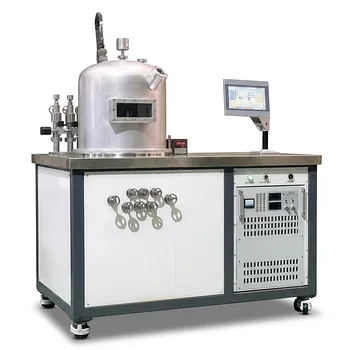
HFCVD Machine System for Nano Diamond Coating on Drawing Dies and Industrial Tools
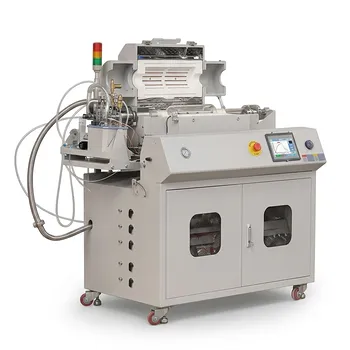
Versatile Chemical Vapor Deposition Tube Furnace System for Advanced Material Research and Industrial Coating Processes
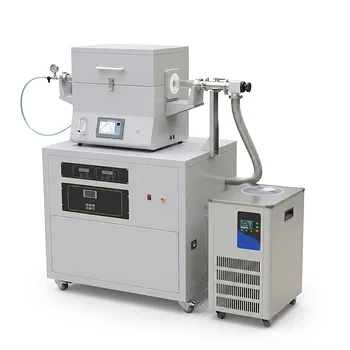
Split Chamber CVD Tube Furnace with Vacuum Station Chemical Vapor Deposition System Machine
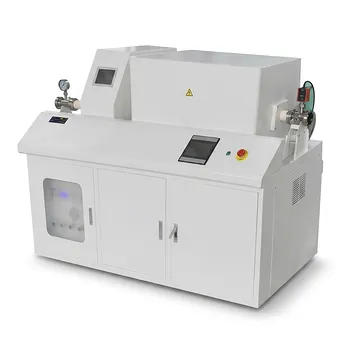
Chemical Vapor Deposition CVD System Slide PECVD Tube Furnace with Liquid Gasifier PECVD Machine
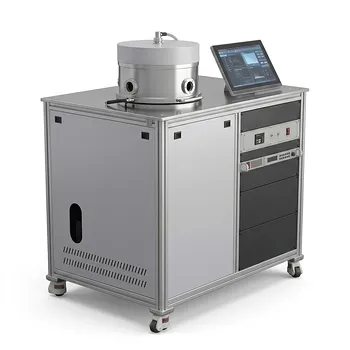
Inclined Rotary Plasma Enhanced Chemical Vapor Deposition PECVD System for Thin Film Deposition and Nanomaterial Synthesis
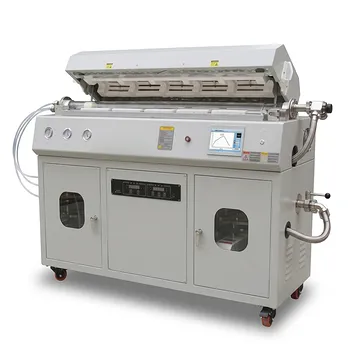
Multi Heating Zones CVD Tube Furnace System for Precision Chemical Vapor Deposition and Advanced Material Synthesis
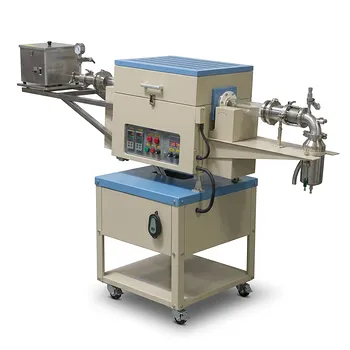
Two Zone Rotary CVD Furnace with Automatic Feeding and Receiving System for Powder Processing
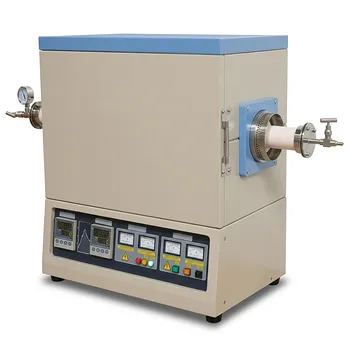
High Temperature 1700C Dual Zone Tube Furnace for Material Science and Industrial Chemical Vapor Deposition Research
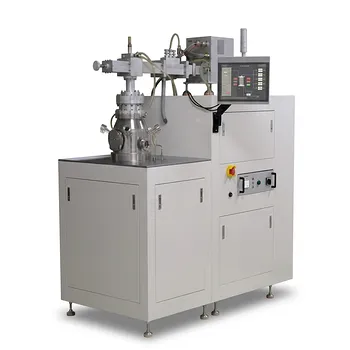
Cylindrical Resonator MPCVD Machine System for Microwave Plasma Chemical Vapor Deposition and Lab Diamond Growth
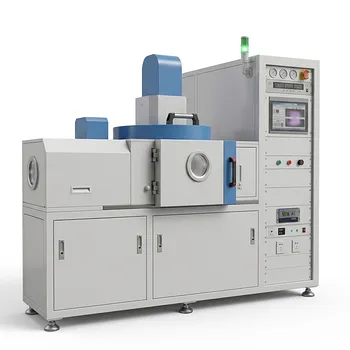
Radio Frequency Plasma Enhanced Chemical Vapor Deposition RF PECVD System for Laboratory and Industrial Thin Film Growth
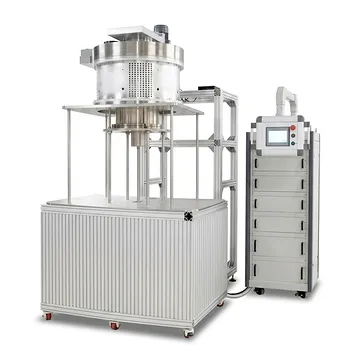
915MHz MPCVD Diamond Machine Microwave Plasma Chemical Vapor Deposition System Reactor
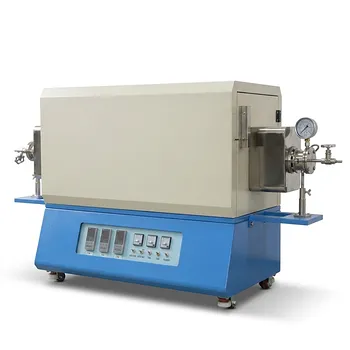
Three Temperature Zone High Temperature Vacuum Tube Furnace for CVD and Material Sintering
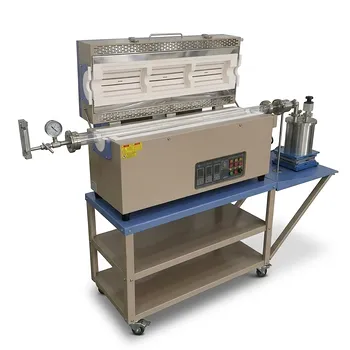
5 Inch Two Zone Rotary Tube Furnace 1100C for Powder CVD and Material Synthesis
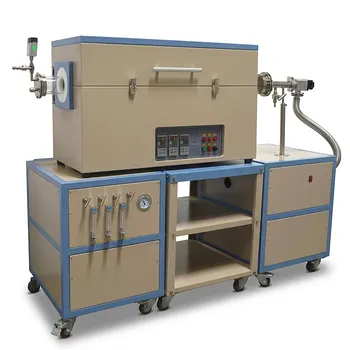
Three Zone Quartz Tube Furnace with 3 Channel Gas Mixer Vacuum Pump and Anti Corrosive Vacuum Gauge
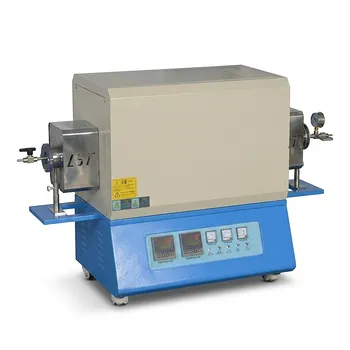
High Temperature Dual Zone Vacuum Tube Furnace for Material Research and CVD Processing
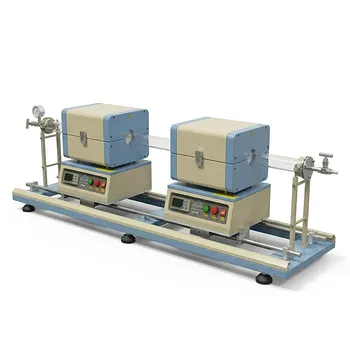
1200C Max Dual Sliding Tube Furnace with 50 mm Tube Flanges for CVD
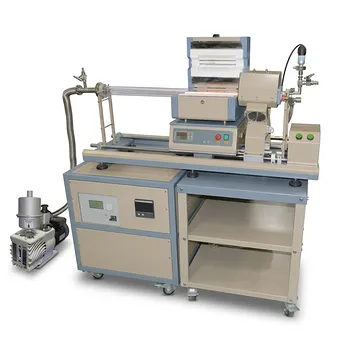
1200C Max Compact Auto-Sliding PECVD Furnace with 2 Inch Tube and Vacuum Pump
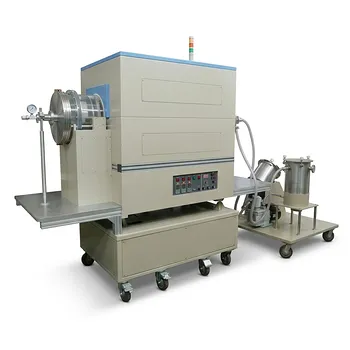
Three Zone Rotary Tube Furnace with Automatic Powder Feeding for Large Scale CVD Coating 1100C
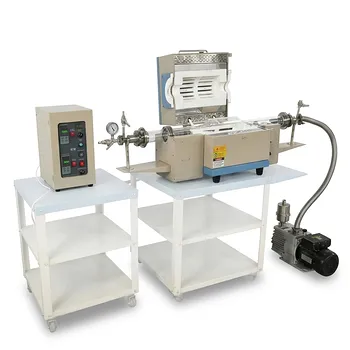
Two Zone Rotary Tube Furnace for Powder CVD Coating and Core Shell Material Synthesis 1100C
