What is the primary function of a high-temperature tube furnace in NPC synthesis? Mastering Carbonization & Porosity
Updated 3 months ago
The primary function of a high-temperature tube furnace in the synthesis of Nitrogen-doped Porous Carbon (NPC) is to provide a strictly controlled thermal and atmospheric environment for the carbonization of precursors. By maintaining extreme temperatures—typically between 700°C and 1100°C—under a flow of inert gas like Argon or Nitrogen, the furnace facilitates the thermal decomposition (pyrolysis) of metal-organic frameworks (MOFs) or polymer skeletons. This process transforms these precursors into a stable carbon framework while simultaneously enabling the integration of nitrogen atoms and the development of a highly porous structure.
The tube furnace acts as a precision reactor that manages the transition from a complex organic precursor to a functional inorganic material. It is the critical tool for ensuring the chemical stability, graphitization degree, and porosity of the final nitrogen-doped carbon.
The Role of Atmospheric Control
Prevention of Material Oxidation
A core requirement in NPC synthesis is the exclusion of oxygen to prevent the carbon skeleton from combusting into carbon dioxide. The tube furnace provides a sealed environment where inert gases (Argon or Nitrogen) displace oxygen, ensuring the precursors undergo carbonization rather than burning.
Facilitating Specific Chemical Volatilization
In many MOF-based syntheses, such as those using ZIF-8, the furnace facilitates the volatilization of zinc. At high temperatures (typically around 900°C to 1000°C), zinc is vaporized and removed from the structure, leaving behind a network of pores that significantly increases the material's specific surface area.
Enabling Nitrogen Integration
The controlled atmosphere allows nitrogen atoms from the precursor or the surrounding gas to be successfully integrated into the carbon framework. This creates functional groups like quaternary nitrogen (N-Q), which are essential for the material's catalytic and electronic properties.
Thermal Transformation and Structural Development
Carbonization and Pyrolysis
The furnace provides the high-energy environment necessary to break chemical bonds in precursors like Covalent Triazine Frameworks or MOFs. This deep pyrolysis strips away non-carbon elements (other than the desired nitrogen) to leave behind a robust, conductive carbon support.
Controlling the Degree of Graphitization
By providing precise temperature control, the tube furnace determines how "ordered" the resulting carbon is. Higher temperatures generally promote a higher degree of graphitization, which directly enhances the electrical conductivity and chemical stability of the NPC.
Precision Heating and Dwell Times
The ability to set a specific heating rate (e.g., 3 °C/min) and maintain a constant temperature zone for several hours is vital. These factors influence the final pore size distribution and ensure that metal components, if present, are uniformly embedded as nanoclusters or single atoms.
Understanding the Trade-offs
Temperature Sensitivity
Selecting the correct temperature is a delicate balance. If the temperature is too low, the precursor may not fully carbonize, leading to low conductivity; if it is too high, excessive nitrogen may be lost, or the pore structure may collapse, reducing the surface area.
Atmosphere Purity and Flow Rate
The purity of the inert gas and its flow rate are critical variables. Minor oxygen leaks can lead to significant yield loss, while inconsistent gas flow can cause non-uniform heating or incomplete removal of volatile byproduct species like zinc.
Heating Rate Dynamics
A rapid heating rate can lead to structural defects or uncontrolled gas evolution, which may damage the porosity of the NPC. Conversely, an excessively slow rate may lead to unnecessary energy consumption and potentially different carbon phases that lack the desired catalytic activity.
Applying Furnace Parameters to Your Synthesis Goals
To achieve the best results in your NPC synthesis, you must align your furnace settings with your specific material objectives.
- If your primary focus is High Specific Surface Area: Target a temperature (typically ~900-1000°C) that ensures complete volatilization of templates like zinc while maintaining a steady inert gas flow.
- If your primary focus is Maximum Electrical Conductivity: Prioritize higher temperatures (1000°C+) and longer dwell times to promote a higher degree of graphitization within the carbon skeleton.
- If your primary focus is Precise Nitrogen Doping: Use a stable nitrogen atmosphere and carefully calibrated temperatures (often 600°C to 900°C) to prevent the thermal desorption of nitrogen atoms.
- If your primary focus is Single-Atom Dispersion: Maintain a precise, slow heating rate to allow metal atoms to stabilize and anchor onto nitrogen sites without aggregating into clusters.
The high-temperature tube furnace is the fundamental engine of NPC synthesis, transforming organic precursors into high-performance carbon materials through the precise orchestration of heat and atmosphere.
Summary Table:
| Key Function | Parameters | Impact on NPC Material |
|---|---|---|
| Carbonization | 700°C – 1100°C | Transforms organic precursors into stable carbon frameworks. |
| Atmospheric Control | Inert Gas (Ar/N2) | Prevents oxidation; facilitates N-doping and zinc volatilization. |
| Graphitization | High Temp + Dwell Time | Increases electrical conductivity and chemical stability. |
| Porosity Control | Controlled Heating Rate | Manages pore size distribution and specific surface area. |
Elevate Your Material Research with THERMUNITS
Are you looking to achieve precise N-doping or superior porosity in your carbon materials? THERMUNITS is a leading manufacturer of high-temperature laboratory equipment for material science and industrial R&D. We provide the precision tools necessary for advanced NPC synthesis and beyond.
Our comprehensive range of thermal processing solutions includes:
- Tube & Atmosphere Furnaces (Ideal for NPC synthesis)
- Muffle & Vacuum Furnaces
- Rotary & Hot Press Furnaces
- CVD/PECVD Systems
- Vacuum Induction Melting (VIM) & Dental Furnaces
- Thermal Elements & Specialized Heat Treatment Equipment
Don't let inconsistent thermal environments compromise your research results. Contact THERMUNITS today to discuss your specific high-temperature requirements and find the perfect furnace for your laboratory.
References
- Yuanyuan Qi, Runhua Fan. Flexible and biocompatible polyvinyl alcohol/nitrogen-doped porous carbon film with weakly negative permittivity in radio frequency for wearable devices. DOI: 10.1007/s42114-024-01104-0
Mentioned Products
- High Temperature Tube Furnace 1500C with Sliding Flanges and 50mm OD for Rapid Thermal Processing Fast Heating and Cooling
- High Temperature 1700C Tube Furnace with High Vacuum Turbomolecular Pump System and Multi Channel Mass Flow Controller Gas Mixer
- 1750°C High Temperature Benchtop Vacuum Atmosphere Tube Furnace with Kanthal Super 1800 Heating Elements and 60mm Alumina Processing Tube
- High Temperature 1700C Benchtop Tube Furnace with 5 Inch Heating Zone High Purity Alumina Tube and Vacuum Sealing Flanges
- 1700C High Temperature Alumina Tube Furnace with 18 Inch Heated Zone and Vacuum Sealing Flanges
People Also Ask
- How are high-temperature tube furnaces utilized to repair etching damage? Precision Lattice Restoration Solutions
- What role does a high-temperature tube furnace play in CVD synthesis of silicon nanowires? Master VLS Growth Precision.
- What core conditions does a high-temperature tube furnace provide for rGO aerogels? Mastering Precision Synthesis.
- What role does a high-temperature tube furnace play in the sulfidation heat treatment of CoS@C/MXene nanocomposites? Guide
- How does precision tube furnace control influence CoFe nanoparticle formation? Master Your Bimetallic Synthesis.

Tech Team · ThermUnits
Last updated on Jun 02, 2026
Related Products

High Temperature Tube Furnace 1500C with Sliding Flanges and 50mm OD for Rapid Thermal Processing Fast Heating and Cooling

High Temperature 1700C Tube Furnace with High Vacuum Turbomolecular Pump System and Multi Channel Mass Flow Controller Gas Mixer

1750°C High Temperature Benchtop Vacuum Atmosphere Tube Furnace with Kanthal Super 1800 Heating Elements and 60mm Alumina Processing Tube

High Temperature 1700C Benchtop Tube Furnace with 5 Inch Heating Zone High Purity Alumina Tube and Vacuum Sealing Flanges
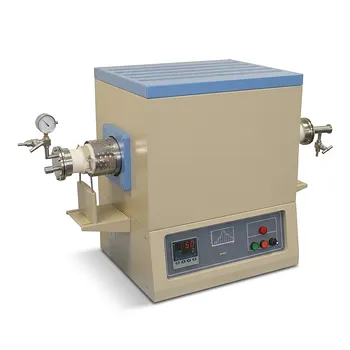
1700C High Temperature Alumina Tube Furnace with 18 Inch Heated Zone and Vacuum Sealing Flanges
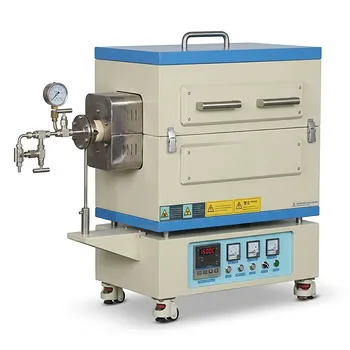
High Temperature Split Tube Furnace 1500C for Material Research Vacuum and Atmosphere Thermal Processing

Compact High Temperature 1600C Tube Furnace with 50mm Alumina Tube and Vacuum Flanges for Material Sintering

1800C High Temperature Compact Vacuum Tube Furnace with 60mm OD Alumina Tube and Kanthal MoSi2 Heating Elements
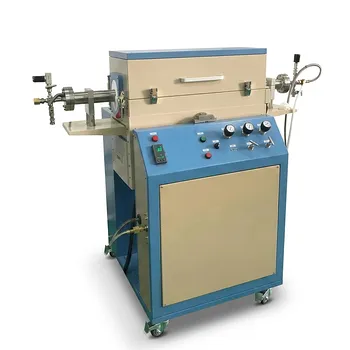
High Temperature Rocking Tube Furnace 1700°C Alumina Processing Tube with Precision Oscillation for Material Synthesis
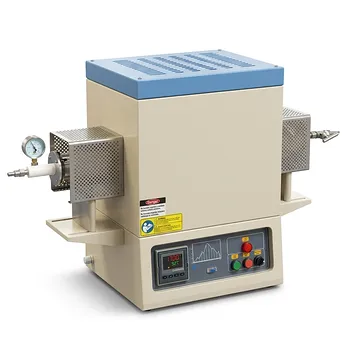
High Temperature Three Zone Tube Furnace 1700C with Alumina Tube and Water Cooled Flanges

High Temperature 1700C Vertical Tube Furnace for Powder Spherification and Material Sintering

High Temperature 1700C Tube Furnace with 4 Inch OD Alumina Tube and Vacuum Sealing Flanges
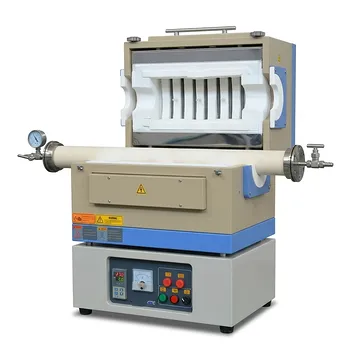
High Temperature 1600C Split Tube Furnace Vacuum Flanges Valves Optional 60mm 80mm Alumina Tube

High Temperature Automated 5 Inch Tube Furnace for Autonomous Material Research and Advanced Laboratory R&D
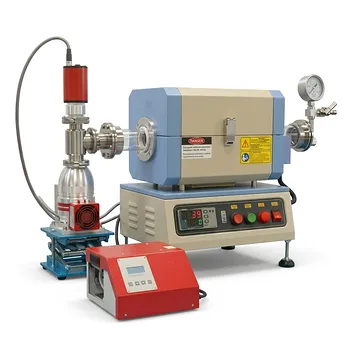
High Vacuum Compact Tube Furnace 1200C with Integrated Turbo Pump System and 8 Inch Heating Zone
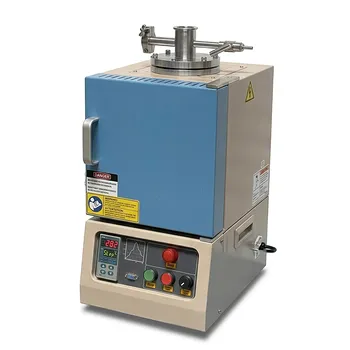
High Temperature Hybrid Muffle and Tube Furnace with Vacuum Capability and PID Control
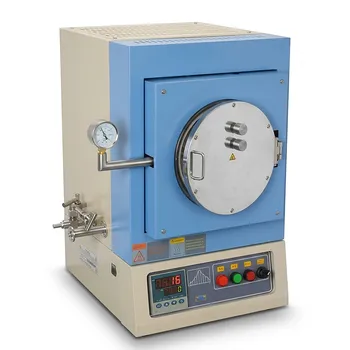
1100°C High Temperature Quartz Chamber Furnace 8 Inch OD with 7.6 Liter Capacity and Vacuum Atmosphere Capability

1100C Tube Furnace with Vacuum Flange and Programmable Temperature Controller for Material Science and Industrial Heat Treatment
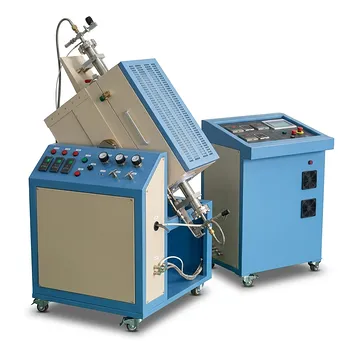
1100C High Pressure Rocking Tube Furnace with 2 Inch Super Alloy Processing Tube for Material Synthesis
