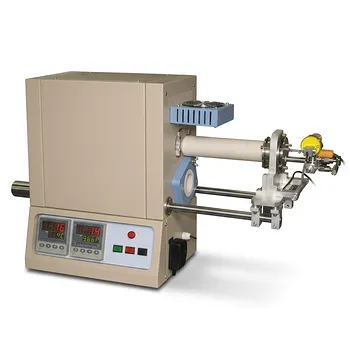
What's the role of tube furnaces in aluminum waste pre-treatment? Achieve Safe Thermal Stabilization.
Updated 3 months ago
The primary role of the laboratory tube furnace is to provide a strictly controlled thermal oxidation environment. This environment allows for the destruction of the existing weak oxide film on aluminum particles while simultaneously promoting the growth of a dense, stable protective layer. By operating within a precise temperature range of 450 °C to 525 °C, the furnace mitigates the chemical reactivity of the waste powder, ensuring it can be safely disposed of without the risk of violent explosions.
The tube furnace transforms hazardous, reactive aluminum waste into a stable material by utilizing precise atmospheric and temperature control to re-engineer the particle surface. This process is the critical safety bridge between raw reactive waste and final disposal.
The Mechanism of Surface Stabilization
Destabilizing the Original Film
The furnace must maintain a temperature typically between 450 °C and 525 °C to initiate the pre-treatment. At these temperatures, the laboratory tube furnace facilitates the breakdown of the naturally occurring, yet chemically weak, oxide films that coat reactive aluminum alloy particles.
Cultivating the Protective Layer
Once the weak film is compromised, the furnace manages air flow rates to promote the formation of a dense protective layer. This new layer acts as a robust barrier, significantly reducing the powder’s chemical reactivity and preventing the rapid oxidation that leads to thermal runaway.
Ensuring Process Safety
The primary objective of this thermal treatment is to neutralize the powder's explosive potential. By precisely regulating the thermal environment, the tube furnace ensures that the reduction in reactivity occurs gradually and predictably rather than through a violent exothermic event.
Why Tube Furnaces are Essential Hardware
Superior Atmospheric Isolation
Tube furnaces utilize high-sealing quartz or ceramic tubes to isolate the reactive powder from the ambient atmosphere. This isolation is vital for maintaining the specific gaseous environment required for controlled oxidation, preventing contamination or unintended reactions with outside air.
Temperature Field Uniformity
For powder materials, consistent treatment depends on temperature field uniformity. The linear design of the tube furnace ensures that every particle is subjected to the same thermal energy, which is essential for achieving a homogenous, stable end product across the entire batch.
Dynamic Gas Flow Management
The ability to manage precise flow rates allows operators to switch or adjust atmospheres with high flexibility. This control is critical for managing the kinetics of the oxidation process, ensuring that the air supply is sufficient for film growth but not so high that it triggers an uncontrolled reaction.
Understanding the Trade-offs
Risks of Thermal Runaway
If the temperature or air flow is not monitored with extreme precision, there is a risk of uncontrolled oxidation. Because aluminum oxidation is exothermic, a minor deviation can lead to a rapid temperature spike, potentially damaging the furnace tube or causing a fire.
Throughput and Scalability
Laboratory tube furnaces are designed for precision rather than volume. While they offer the best control for research and small-scale stabilization, they are limited by the physical dimensions of the furnace tube, making them unsuitable for large-scale industrial waste processing without a parallelized setup.
Material Compatibility
The choice of tube material (quartz vs. alumina) is a critical trade-off. While quartz offers excellent visibility and thermal shock resistance, it may have temperature limitations or chemical vulnerabilities when exposed to certain alloy vapors at the higher end of the treatment range.
How to Apply This to Your Project
Recommendations Based on Goal
- If your primary focus is Maximum Safety: Prioritize a furnace with a high-precision digital flow controller to manage air intake at the lowest possible increments.
- If your primary focus is Process Repeatability: Select a tube furnace with multi-zone heating to ensure the most uniform temperature field across the entire length of the sample boat.
- If your primary focus is Material Research: Use a system that allows for rapid atmosphere switching to study how different oxygen concentrations affect the density of the protective layer.
The laboratory tube furnace is the definitive tool for converting volatile aluminum waste into a stable state through the precise, controlled application of thermal energy and atmospheric chemistry.
Summary Table:
| Key Feature | Function in Pre-treatment | Process Benefit |
|---|---|---|
| Temperature Precision | Maintains 450°C - 525°C | Breaks weak films; grows dense protective layers |
| Atmospheric Isolation | High-sealing quartz/ceramic tubes | Prevents contamination & uncontrolled reactions |
| Gas Flow Control | Dynamic air intake management | Regulates oxidation kinetics to prevent runaway |
| Thermal Uniformity | Linear heating zone design | Ensures homogenous stabilization across batches |
Elevate Your Material Research with THERMUNITS Precision
THERMUNITS is a leading manufacturer of high-temperature laboratory equipment dedicated to material science and industrial R&D. We understand that safety and precision are paramount when handling reactive materials like aluminum alloy waste.
Our comprehensive range of thermal processing solutions includes:
- Advanced Furnaces: Tube, Muffle, Vacuum, Atmosphere, Rotary, Hot Press, and Dental Furnaces.
- Specialized Systems: CVD/PECVD systems, Vacuum Induction Melting (VIM) furnaces, and Electric Rotary Kilns.
- Support: High-quality Thermal Elements and various laboratory heat treatment equipment.
Whether you need to enhance safety in waste processing or achieve superior repeatability in your experiments, THERMUNITS provides the reliable hardware you need. Contact us today to discuss your specific thermal requirements!
References
- Roya Biabani, Mentore Vaccari. Thermal pre-treatment of reactive aluminium alloy waste powders. DOI: 10.1007/s10163-024-01904-y
Mentioned Products
- Multi Position Tube Furnace 1100C for Laboratory Material Research and Advanced Industrial Thermal Processing
- Ten Zone Multi Orientation Laboratory Tube Furnace for 1200C High Temperature Gradient Thermal Processing
- High Temperature 1200C Split Tube Furnace with Hinged Vacuum Flanges and 4 Inch Quartz Tube for Laboratory Research
- 1100°C Vertical Laboratory Furnace for DIY Tubular Reactors with PID Temperature Controller
- High Temperature Automated 5 Inch Tube Furnace for Autonomous Material Research and Advanced Laboratory R&D
People Also Ask
- Why use a tube furnace for oxygen annealing LaCrO3/LaMnO3? Optimize Phase Transition & Magnetic Performance.
- What key role does a laboratory high-temperature tube furnace play in the production of carbon nanofibers? Guide
- How is a laboratory high-temperature tube furnace utilized to research the products of aluminothermic reduction? Advanced Metallurgical Solutions
- What is the role of a laboratory tube furnace in the carbonization process of porous carbon foam (PCF)? Master 3D Synthesis
- What role does a laboratory tube furnace play in the pyrolysis and carbonization of biomass? Optimize Thermal Research.

Tech Team · ThermUnits
Last updated on Jun 02, 2026
Related Products
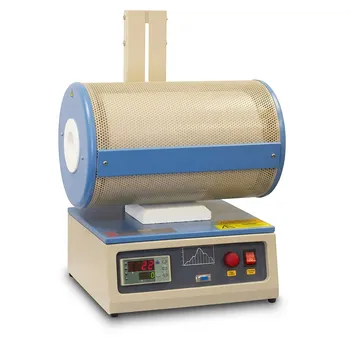
Multi Position Tube Furnace 1100C for Laboratory Material Research and Advanced Industrial Thermal Processing
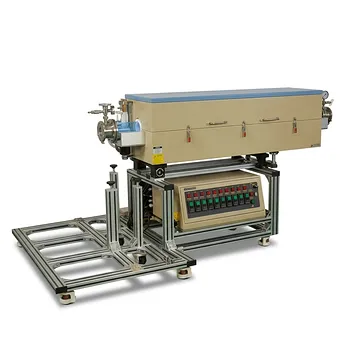
Ten Zone Multi Orientation Laboratory Tube Furnace for 1200C High Temperature Gradient Thermal Processing
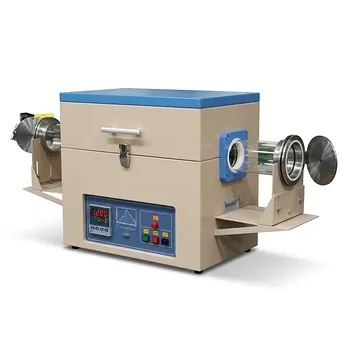
High Temperature 1200C Split Tube Furnace with Hinged Vacuum Flanges and 4 Inch Quartz Tube for Laboratory Research
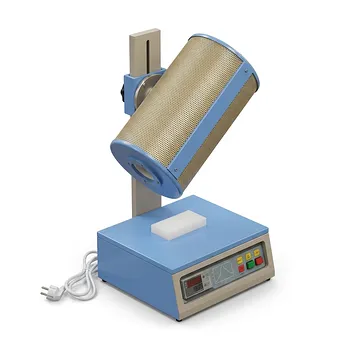
1100°C Vertical Laboratory Furnace for DIY Tubular Reactors with PID Temperature Controller

High Temperature Automated 5 Inch Tube Furnace for Autonomous Material Research and Advanced Laboratory R&D
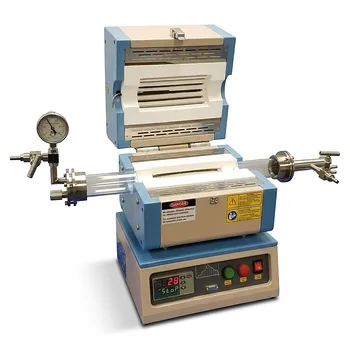
Compact Split Tube Furnace with Integrated Vacuum System and Precision Temperature Calibrator

1800C High Temperature Compact Vacuum Tube Furnace with 60mm OD Alumina Tube and Kanthal MoSi2 Heating Elements
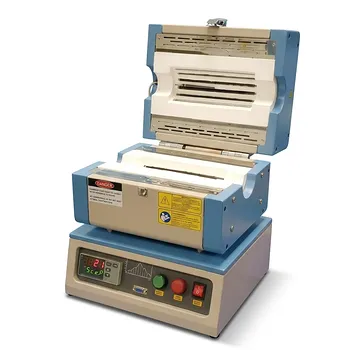
1250C Compact Split Tube Furnace with 8 Inch Heating Zone and Programmable Controller
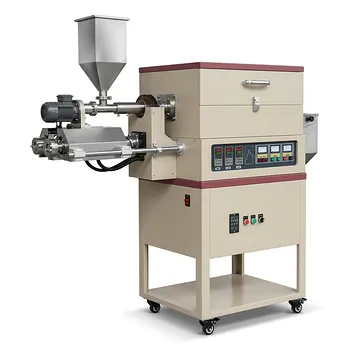
Laboratory Tilting Rotary Tubular Furnaces for Material Science and Industrial Heat Treatment
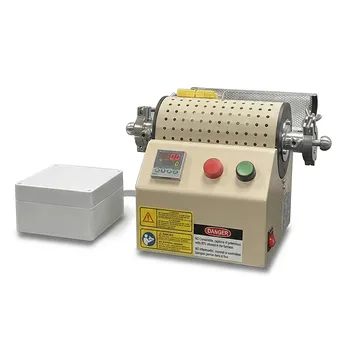
1000C Mini Tube Furnace with 20mm Quartz Tube and Vacuum Flanges for Material Science Research and Controlled Atmosphere Small Sample Processing
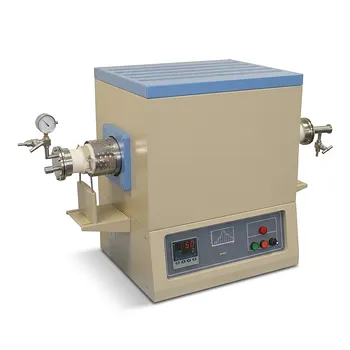
1700C High Temperature Alumina Tube Furnace with 18 Inch Heated Zone and Vacuum Sealing Flanges
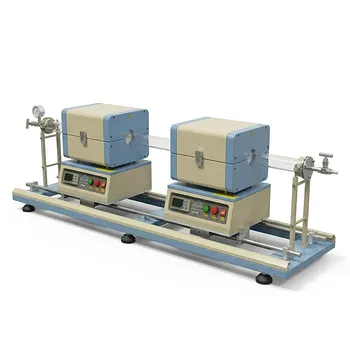
1200C Max Dual Sliding Tube Furnace with 50 mm Tube Flanges for CVD
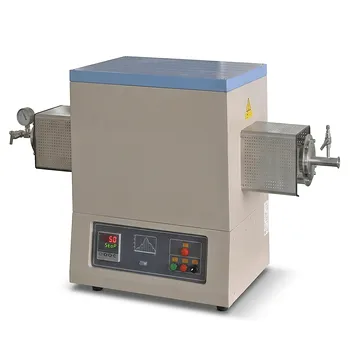
High Temperature 1700C Tube Furnace with 4 Inch OD Alumina Tube and Vacuum Sealing Flanges
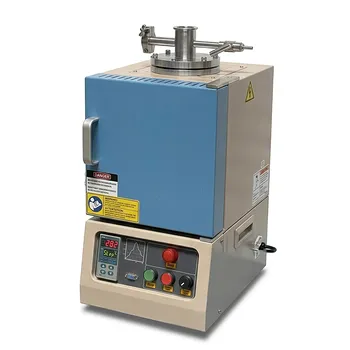
High Temperature Hybrid Muffle and Tube Furnace with Vacuum Capability and PID Control
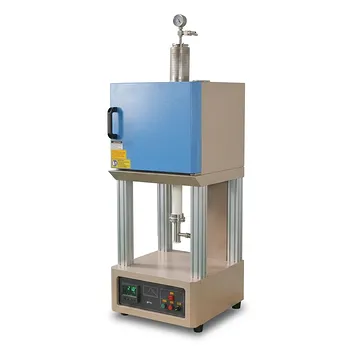
Hybrid High Temperature Tube and Box Furnace 1700C with 2 Inch Alumina Tube for Material Research
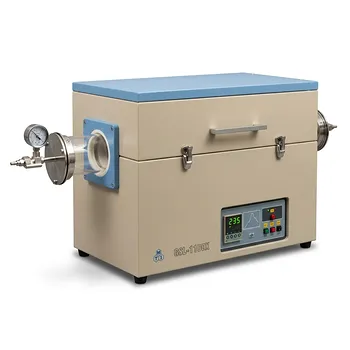
Single Zone Tube Furnace 5 Inch Quartz Tube 36 Inch Heating Zone Vacuum Flanges

High Temperature 1700C Vertical Tube Furnace for Powder Spherification and Material Sintering
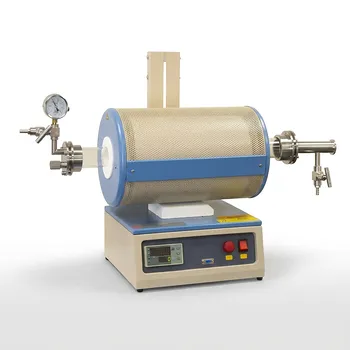
1100C Tube Furnace with Vacuum Flange and Programmable Temperature Controller for Material Science and Industrial Heat Treatment
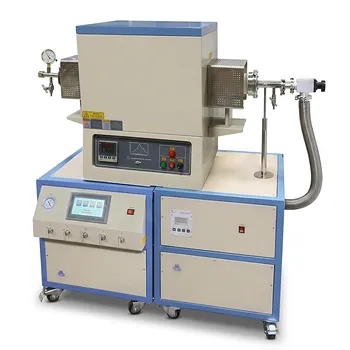
High Temperature 1700C Tube Furnace with High Vacuum Turbomolecular Pump System and Multi Channel Mass Flow Controller Gas Mixer