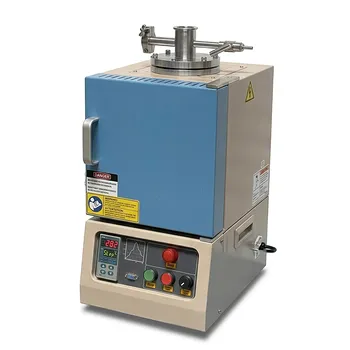
Why use nitrogen in a tube furnace for biochar? Enable metal reduction and prevent oxidative combustion.
Updated 3 months ago
Introducing high-purity nitrogen creates a strictly inert atmosphere that prevents the biochar from burning while enabling critical chemical reactions. This controlled environment stops the aerobic combustion of the carbon matrix and facilitates the in-situ thermal reduction of metal ions—specifically iron and cobalt—into highly active zero-valent nano-particles.
Core Takeaway: Nitrogen acts as both a protective shield for the carbon structure and a chemical enabler, ensuring the material undergoes pyrolysis rather than combustion to produce a functional, metal-loaded biochar.
Prevention of Oxidative Degradation
Eliminating Aerobic Combustion
At the high temperatures required for carbonization (often between 400°C and 900°C), the presence of even trace amounts of oxygen would cause the biomass to catch fire. High-purity nitrogen (typically 99.99%) displaces oxygen within the furnace tube, ensuring the organic matter converts into carbon-rich biochar through pyrolysis rather than being reduced to ash through burning.
Preserving the Carbon Framework
The structural integrity of the biochar—including delicate nanosheets, hollow tubes, and micropores—is highly susceptible to thermal erosion. By maintaining an oxygen-free environment, the nitrogen flow protects these architectures, ensuring a high carbon yield and preventing the collapse of the pore network necessary for adsorption performance.
Protecting Surface Chemistry
Beyond the physical structure, nitrogen preserves the active functional groups on the biochar surface. These chemical sites are essential for subsequent material loading and catalytic activity; without the inert shield provided by nitrogen, these sites would be lost to non-selective oxidation.
Facilitating Chemical Reduction and Activation
In-Situ Reduction of Metal Ions
The primary purpose of nitrogen in bimetallic biochar synthesis is to provide the oxygen-deficient environment required for thermal reduction. In this state, iron and cobalt oxide clusters react with the surrounding carbon carrier, which acts as a reducing agent to transform metal ions into highly active zero-valent nano-metal particles.
Enhanced Pore Development
The introduction of nitrogen assists in the reconstruction of the carbon framework. By providing a stable, inert background, it allows the activator and the carbon substrate to react efficiently at preset temperatures, resulting in the formation of highly developed microporous and mesoporous structures.
Removal of Volatile Impurities
As the biomass decomposes, it releases volatile organic compounds and gaseous byproducts. The continuous flow of nitrogen acts as a carrier gas, effectively sweeping these impurities out of the furnace chamber and ensuring they do not re-deposit on the material or interfere with the carbonization process.
Understanding the Trade-offs
Purity vs. Cost
While high-purity nitrogen is essential for preventing oxidation, the cost of gas increases significantly with higher purity levels. Using lower-grade nitrogen (less than 99.9%) may introduce enough residual oxygen to cause "pitting" on the carbon surface, which can degrade the mechanical strength of the biochar.
Flow Rate and Temperature Stability
A flow rate that is too high can lead to thermal gradients within the tube furnace, potentially cooling the sample and leading to uneven carbonization. Conversely, a flow rate that is too low may fail to fully displace oxygen or remove volatiles, leading to structural contamination or accidental combustion.
How to Apply This to Your Project
When configuring your tube furnace for bimetallic biochar synthesis, consider your specific experimental goals:
- If your primary focus is Maximizing Metal Activity: Ensure a steady, high-purity nitrogen flow to maintain the strict oxygen-deficient environment necessary for the complete reduction of iron and cobalt ions into zero-valent particles.
- If your primary focus is High Surface Area/Porosity: Focus on the nitrogen flow rate to ensure volatile byproducts are efficiently removed without creating temperature fluctuations that could disrupt pore formation.
- If your primary focus is Structural Integrity (Nanosheets/Tubes): Prioritize the displacement of oxygen before heating begins (pre-purging) to prevent oxidative erosion of delicate one-dimensional or two-dimensional structures.
By carefully controlling the nitrogen environment, you transform the tube furnace from a simple heater into a precision reactor capable of engineering advanced bimetallic composites.
Summary Table:
| Key Role | Mechanism | Impact on Biochar Quality |
|---|---|---|
| Oxidation Prevention | Displaces oxygen to enable pyrolysis over combustion. | Prevents sample loss and conversion to ash. |
| Structural Shielding | Protects delicate nanosheets and micropores from erosion. | Ensures high surface area and structural integrity. |
| Chemical Activation | Creates oxygen-deficient zones for metal ion reduction. | Facilitates formation of active zero-valent metals (Fe/Co). |
| Volatile Removal | Acts as a carrier gas to sweep out organic byproducts. | Prevents impurity re-deposition and pore clogging. |
Optimize Your Carbonization Process with THERMUNITS
Precision atmosphere control is the difference between high-performance bimetallic biochar and simple ash. THERMUNITS is a leading manufacturer of high-temperature laboratory equipment specifically designed for advanced material science and industrial R&D.
We offer a comprehensive range of thermal processing solutions, including Tube Furnaces, Vacuum and Atmosphere Furnaces, CVD/PECVD systems, and Rotary Kilns, all engineered to provide the strict gas flow and temperature uniformity required for complex synthesis. Our equipment empowers researchers to achieve exact chemical reduction and superior structural preservation.
Enhance your lab's capabilities today—Contact THERMUNITS for a tailored thermal solution!
References
- Jingyu Zhao, Jiayi Zhang. Cobalt/Iron Bimetallic Biochar Composites for Lead(II) Adsorption: Mechanism and Remediation Performance. DOI: 10.3390/molecules29071595
Mentioned Products
- High Temperature 1700C Benchtop Tube Furnace with 5 Inch Heating Zone High Purity Alumina Tube and Vacuum Sealing Flanges
- High Temperature Tube Furnace 1500C with Sliding Flanges and 50mm OD for Rapid Thermal Processing Fast Heating and Cooling
- High Temperature 1700C Vertical Tube Furnace for Powder Spherification and Material Sintering
- High Temperature 1700C Tube Furnace with High Vacuum Turbomolecular Pump System and Multi Channel Mass Flow Controller Gas Mixer
- High Temperature Split Tube Furnace 1500C for Material Research Vacuum and Atmosphere Thermal Processing
People Also Ask
- How are high-temperature tube furnaces utilized to repair etching damage? Precision Lattice Restoration Solutions
- What is the function of a high-temperature tube furnace in the synthesis of g-C3N4? Optimize Thermal Polycondensation
- What impact does the heating rate of a tube furnace have on biochar microstructure? Optimize Your Material R&D.
- What is the role of a high-temperature tube furnace in the calcination process of ZnO/In2O3 nanocomposites?
- Conditions for nZVI Synthesis in Tube Furnaces? Learn to Optimize Thermal and Atmospheric Control for High Purity.

Tech Team · ThermUnits
Last updated on Jun 02, 2026
Related Products

High Temperature 1700C Benchtop Tube Furnace with 5 Inch Heating Zone High Purity Alumina Tube and Vacuum Sealing Flanges

High Temperature Tube Furnace 1500C with Sliding Flanges and 50mm OD for Rapid Thermal Processing Fast Heating and Cooling

High Temperature 1700C Vertical Tube Furnace for Powder Spherification and Material Sintering

High Temperature 1700C Tube Furnace with High Vacuum Turbomolecular Pump System and Multi Channel Mass Flow Controller Gas Mixer
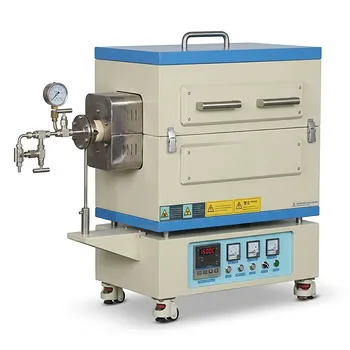
High Temperature Split Tube Furnace 1500C for Material Research Vacuum and Atmosphere Thermal Processing
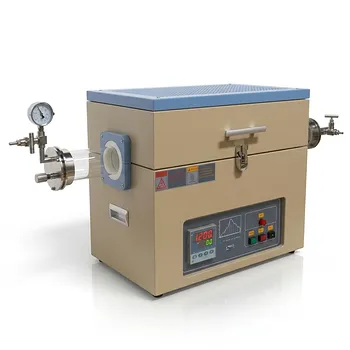
High Temperature 1200C Split Tube Furnace with Optional Quartz Tube Sizes and Vacuum Sealing Flanges for Material Science Research
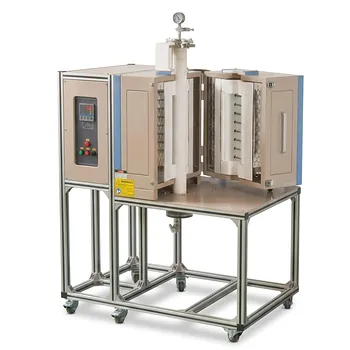
High Temperature 1700C Vertical Split Tube Furnace for Material Quenching and Single Crystal Growth
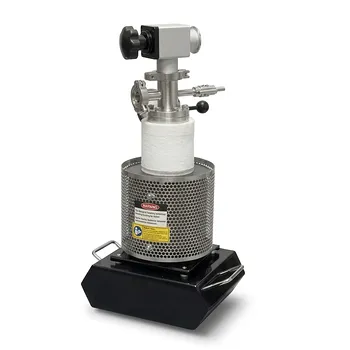
High Temperature 1100C Compact Top Loading Vertical Vacuum Tube Furnace for High Vacuum Noble Metal Melting and Material Research

1750°C High Temperature Benchtop Vacuum Atmosphere Tube Furnace with Kanthal Super 1800 Heating Elements and 60mm Alumina Processing Tube

High Temperature 1700C Six Zone Split Tube Furnace with Alumina Tube and Water Cooled Flanges

Compact High Temperature 1600C Tube Furnace with 50mm Alumina Tube and Vacuum Flanges for Material Sintering
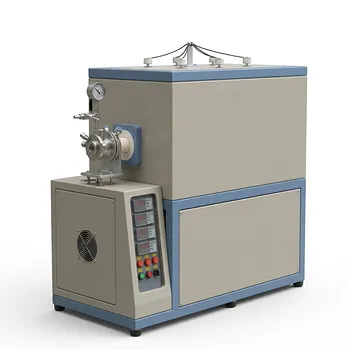
High Temperature 1700C Three Zone Tube Furnace with Alumina Tube 50mm 60mm 80mm OD for Material Research and Industrial Heat Treatment

High Temperature Automated 5 Inch Tube Furnace for Autonomous Material Research and Advanced Laboratory R&D
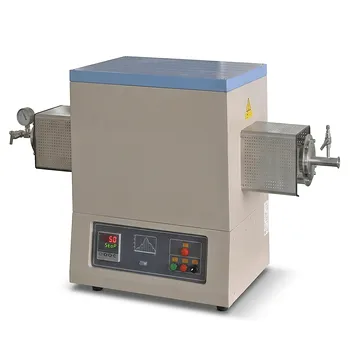
High Temperature 1700C Tube Furnace with 4 Inch OD Alumina Tube and Vacuum Sealing Flanges
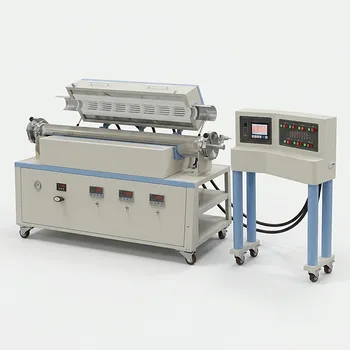
1100C Eight Zone High Pressure Super Alloy Tube Furnace with Integrated High Pressure Gas Control System
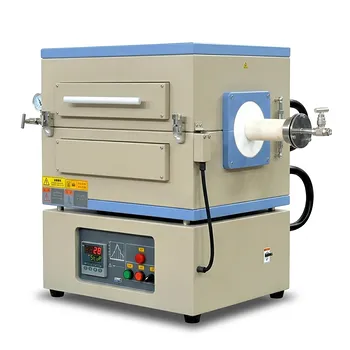
1500°C Split Tube Furnace with Alumina Tube and Vacuum Sealing Flanges for Material Research
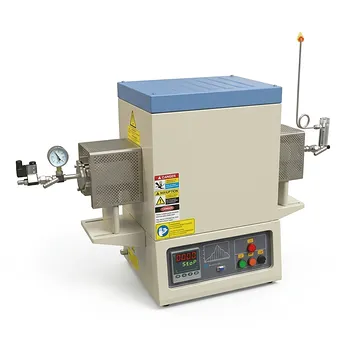
1700C Hydrogen Gas Tube Furnace with 60mm Alumina Process Tube and Integrated Hydrogen Safety Detector
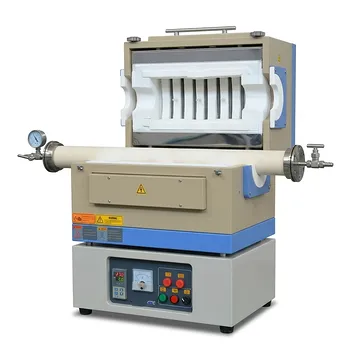
High Temperature 1600C Split Tube Furnace Vacuum Flanges Valves Optional 60mm 80mm Alumina Tube

1800C High Temperature Compact Vacuum Tube Furnace with 60mm OD Alumina Tube and Kanthal MoSi2 Heating Elements