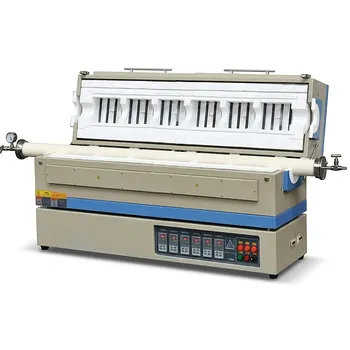
What is the purpose of using a high-purity atmosphere tube furnace for annealing Garnet-type electrolytes? Boost Conductivity
Updated 3 months ago
A high-purity atmosphere tube furnace is essential for Garnet-type electrolyte annealing because it isolates the material from ambient moisture and carbon dioxide, preventing the formation of resistive lithium carbonate layers. This controlled environment allows for the precise regulation of oxygen partial pressure and humidity while facilitating rapid thermal cycles to optimize the material's microstructure and grain growth.
Core Takeaway: The use of an atmosphere tube furnace ensures chemical purity and structural integrity by suppressing unwanted surface reactions and providing the precise thermal energy required for optimal crystallinity and ion transport.
Preventing Surface Contamination and Degradation
Eliminating Lithium Carbonate Formation
Garnet-type electrolytes are highly sensitive to the environment, particularly moisture and $CO_2$. The tube furnace provides a sealed environment using high-purity argon or dry air to prevent these gases from reacting with the lithium in the ceramic, which otherwise forms a lithium carbonate ($Li_2CO_3$) impurity layer that hinders ionic conductivity.
Controlling Atmospheric Composition
The furnace allows for the precise regulation of oxygen partial pressure, which is critical for maintaining the stoichiometry of the electrolyte. By controlling the atmosphere, researchers can suppress the formation of carbon residues and manage the concentration of oxygen vacancies that might otherwise degrade the material's performance.
Engineering Microstructure and Grain Kinetics
Precise Regulation of Grain Growth
The design of the atmosphere tube furnace facilitates rapid heating and cooling rates, which are vital for controlling the kinetics of grain growth. This thermal precision ensures a dense, uniform microscopic microstructure, reducing grain boundary resistance and enhancing the overall mechanical stability of the electrolyte.
Driving Lattice Rearrangement and Crystallinity
The furnace provides a stable thermal environment that gives atoms sufficient energy for thermal diffusion and lattice rearrangement. This process is necessary to eliminate internal stresses generated during earlier processing stages and to promote the transition from amorphous phases to highly crystalline structures.
Optimizing Phase Stability and Defects
Facilitating Phase Transformations
Annealing in these furnaces drives the material toward its optimal crystalline state, such as the cubic phase required for high ionic conductivity in Garnet electrolytes. Precise thermal programs ensure that the material undergoes necessary structural phase transitions without forming undesirable metastable phases.
Managing Atomic Substitution and Vacancies
The controlled environment facilitates the effective incorporation of dopants into the crystal lattice sites. By providing the thermal energy needed to drive atoms into the lattice, the furnace helps eliminate oxygen vacancies and ensures the oxidation states of the ions are correctly maintained for electrochemical stability.
Understanding the Trade-offs
Equipment Complexity vs. Material Purity
While a high-purity atmosphere tube furnace offers superior control, it requires rigorous gas management and sealing protocols. Any leak in the system can introduce trace amounts of moisture, which, at high temperatures, can lead to irreversible surface degradation of the Garnet material.
Thermal Gradients and Sample Size
In larger tube furnaces, maintaining thermal uniformity across the entire length of the tube can be challenging. If the sample is too large or poorly positioned, uneven heating can lead to non-uniform grain growth or localized stress, potentially causing the ceramic electrolyte to crack during the cooling phase.
Making the Right Choice for Your Goal
How to Apply This to Your Project
To achieve the best results when annealing Garnet-type electrolytes, your process parameters should align with your specific material objectives.
- If your primary focus is maximizing ionic conductivity: Prioritize a high-purity argon atmosphere to completely eliminate the $Li_2CO_3$ boundary layers that impede lithium-ion movement.
- If your primary focus is structural density and mechanical strength: Focus on the precise regulation of heating and cooling ramps to optimize grain boundary fusion and minimize internal micro-stresses.
- If your primary focus is long-term electrochemical stability: Ensure the oxygen partial pressure is tightly controlled to prevent the formation of oxygen vacancies that could lead to electronic leakage.
By mastering the atmospheric and thermal variables within the tube furnace, you can transform a raw precursor into a high-performance solid-state electrolyte with optimized transport properties.
Summary Table:
| Key Feature | Benefit for Garnet-Type Electrolytes |
|---|---|
| Atmosphere Isolation | Prevents $Li_2CO_3$ formation by blocking moisture and $CO_2$ |
| Precise Oxygen Control | Maintains stoichiometry and manages oxygen vacancies |
| Rapid Thermal Cycling | Optimizes grain growth and reduces boundary resistance |
| Stable Thermal Zone | Drives lattice rearrangement for high cubic-phase crystallinity |
Maximize Your Material Performance with THERMUNITS
As a leading manufacturer of high-temperature laboratory equipment for material science and industrial R&D, THERMUNITS understands the critical nature of atmosphere control in solid-state battery research. Our high-purity Atmosphere Tube Furnaces are specifically designed to eliminate surface degradation and optimize the ionic conductivity of Garnet-type electrolytes.
Our comprehensive range of thermal processing solutions includes:
- Tube, Muffle, Vacuum, and Atmosphere Furnaces
- Rotary and Hot Press Furnaces
- CVD/PECVD Systems and Vacuum Induction Melting (VIM)
- Dental Furnaces and Electric Rotary Kilns
Ensure the structural integrity of your advanced materials with our precision engineering. Contact our technical experts today to find the ideal heat treatment solution for your laboratory!
References
- Chengshuang Ling, Xiaoli Xiong. NiCo‐LDH coupled with 2D ZIF‐derived Co nitrogen doped carbon nanosheet arrays as a self‐supporting electrocatalyst for detection of formaldehyde. DOI: 10.1002/chem.202304024
Mentioned Products
- High Temperature Vertical Atmosphere Controlled Furnace with Automatic Bottom Loading and 1700°C Capacity for Advanced Material Research
- 1200C High Throughput Multi Channel Tube Furnace with 50mm Quartz Tubes for Annealing and Material Phase Diagram Research
- High Throughput 1200C Four Channel Tube Furnace with 3 Inch Quartz Tubes for Multi Zone Annealing and Material Research
- High Temperature 1700C Benchtop Tube Furnace with 5 Inch Heating Zone High Purity Alumina Tube and Vacuum Sealing Flanges
- 1200C Max 6 Channel High Cleanliness Hydrogen Furnace for High Throughput Annealing
People Also Ask
- What role does atmosphere control play in technical ceramics and glass? Master Material Purity and Precision
- What is the function of a vertical tube furnace in MnOx-SiO2 research? Precision Control & Quenching
- What's the Role of Tube Furnaces in FeCuS-N-C Synthesis? Precision Pyrolysis & Atmosphere Control
- What role does a high-temperature atmosphere furnace play in the direct electrochemical reduction of CO2? - Key Insights
- What is the function of a high-temperature tube furnace with atmosphere control? Optimize Carbonization of Composites

Tech Team · ThermUnits
Last updated on Jun 02, 2026
Related Products
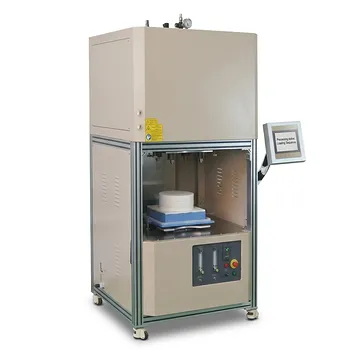
High Temperature Vertical Atmosphere Controlled Furnace with Automatic Bottom Loading and 1700°C Capacity for Advanced Material Research
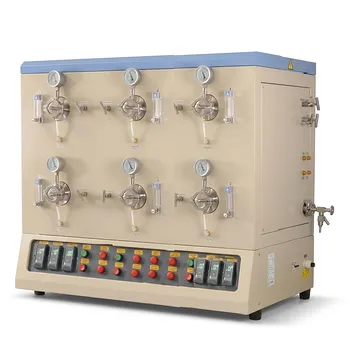
1200C High Throughput Multi Channel Tube Furnace with 50mm Quartz Tubes for Annealing and Material Phase Diagram Research
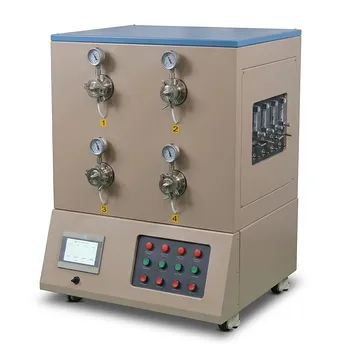
High Throughput 1200C Four Channel Tube Furnace with 3 Inch Quartz Tubes for Multi Zone Annealing and Material Research

High Temperature 1700C Benchtop Tube Furnace with 5 Inch Heating Zone High Purity Alumina Tube and Vacuum Sealing Flanges
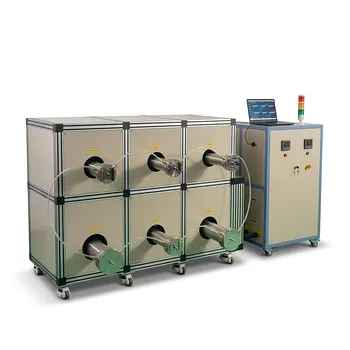
1200C Max 6 Channel High Cleanliness Hydrogen Furnace for High Throughput Annealing

Vertical 1700C Vacuum and Atmosphere Tube Furnace with 80mm Alumina Tube

1750°C High Temperature Benchtop Vacuum Atmosphere Tube Furnace with Kanthal Super 1800 Heating Elements and 60mm Alumina Processing Tube

Compact Vertical Split Quartz Tube Furnace with Stainless Steel Vacuum Flanges for Rapid Thermal Quenching and Controlled Atmosphere Material Processing
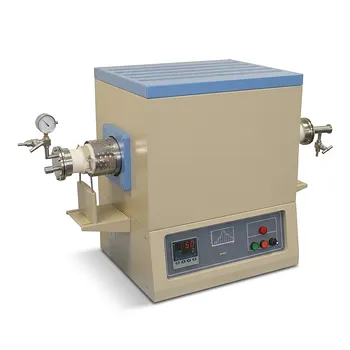
1700C High Temperature Alumina Tube Furnace with 18 Inch Heated Zone and Vacuum Sealing Flanges

High Temperature 1700C Vertical Tube Furnace for Powder Spherification and Material Sintering
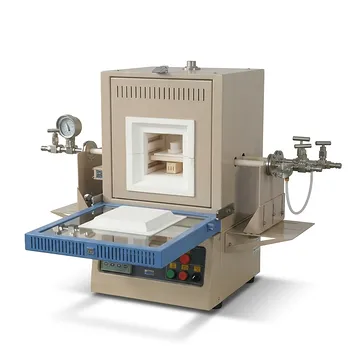
1700C Compact Hybrid Furnace with Dual Layer Box Sintering and Controlled Atmosphere Alumina Tubes

1100°C High Temperature Quartz Chamber Furnace 8 Inch OD with 7.6 Liter Capacity and Vacuum Atmosphere Capability
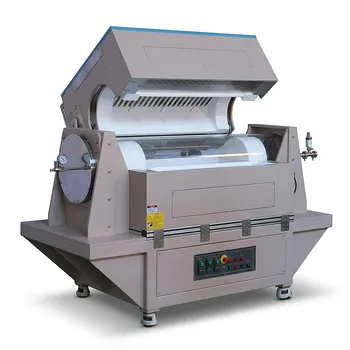
Three Zone Tube Furnace with 11 Inch or 15 Inch Quartz Tube and Hinged Flanges for Vacuum Atmosphere Heat Treatment

Compact High Temperature 1600C Tube Furnace with 50mm Alumina Tube and Vacuum Flanges for Material Sintering
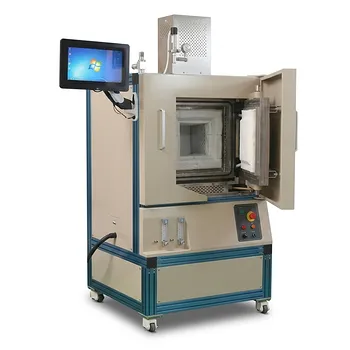
High Temperature Oxygen and Inert Atmosphere Controlled Furnace 8 Liter 1700C Sintering System for Advanced Materials RD

High Temperature Automated 5 Inch Tube Furnace for Autonomous Material Research and Advanced Laboratory R&D
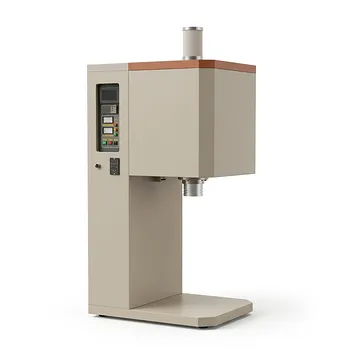
Vertical Openable Tube Furnace 0-1700c High Temperature Laboratory System for CVD and Vacuum Heat Treatment
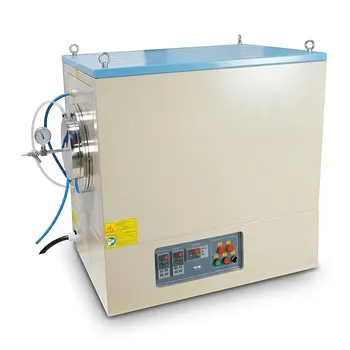
Dual Zone Tube Furnace 1100C with 11 Inch Quartz Tube and Vacuum Flanges for 8 Inch Wafer Processing
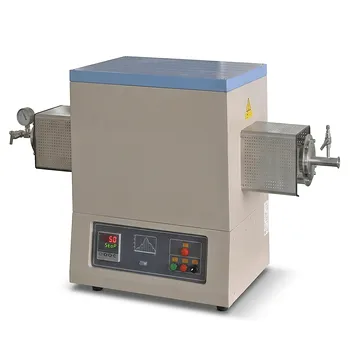
High Temperature 1700C Tube Furnace with 4 Inch OD Alumina Tube and Vacuum Sealing Flanges