What is the purpose of 10% Ar/H2 in WTe2 thin film growth? Optimize Purity and Nanorod Morphology
Updated 3 months ago
The integration of 10% hydrogen into an argon carrier gas is a strategic chemical intervention designed to ensure high-purity crystalline growth. During the synthesis of $WTe_2$ nanocrystalline thin films, this specific gas mixture acts as both a physical transport mechanism for tellurium vapor and a chemical agent that actively reduces oxygen impurities. By maintaining a reducing atmosphere, the hydrogen component enables the formation of strong tungsten-telluride bonds and dictates the final nanorod morphology of the film.
Core Takeaway: The Ar/$H_2$ mixture serves a dual role by physically transporting reactants and chemically scavenging oxygen to promote stable W-Te bond formation. This environment is essential for achieving the specific nanorod microstructure and chemical integrity required for high-performance $WTe_2$ films.
The Dual Role of the Gas Atmosphere
Transporting Volatile Tellurium
High-purity Argon acts as an inert carrier gas responsible for moving tellurium vapor to the reaction zone. Because tellurium must be delivered consistently to the tungsten precursor, the argon flow ensures a steady supply of reactants without reacting with them prematurely.
Creating a Reducing Environment
The addition of 10% Hydrogen transforms the atmosphere from merely inert to actively reducing. Similar to its use in InP or CdS synthesis, hydrogen in the $WTe_2$ process suppresses the oxidation of raw materials, ensuring that oxygen does not interfere with the delicate growth process.
Enhancing Reactivity and Bonding
Hydrogen effectively inhibits trace oxygen impurities that are often present even in high-purity systems. By removing these impurities, it enhances the reactivity of the tellurium vapor, which directly facilitates the formation of critical W-Te bonds necessary for the thin film's structure.
Morphological and Structural Impact
Facilitating Nanorod Formation
The presence of hydrogen is a key driver for the development of a uniformly distributed nanorod microstructure. Without the precise chemical environment provided by the Ar/$H_2$ mix, the film might lack the organized nanostructure required for its intended technical applications.
Improving Crystalline Quality
By preventing oxidation at high temperatures, the gas mixture ensures a near-perfect lattice structure. This results in improved crystalline quality, which is vital for the electronic and mechanical performance of nanocrystalline $WTe_2$ thin films.
Maintaining Chemical Purity
The reducing atmosphere ensures that the final product maintains its intended stoichiometry. This mirrors the protective role seen in metal sintering, where a reducing environment prevents the formation of unwanted oxides that could weaken the material or alter its properties.
Understanding the Trade-offs and Challenges
Precision in Hydrogen Concentration
While 10% hydrogen is effective for $WTe_2$, the concentration must be carefully balanced. Too little hydrogen may fail to fully suppress oxidation, while excessive hydrogen could lead to unwanted side reactions or safety hazards within the furnace.
Thermal Management and Volatility
Operating at high temperatures with a reducing gas requires rigorous system seals to prevent oxygen ingress. Any leak can lead to localized oxidation, which disrupts the nanorod growth and leads to non-uniformity across the substrate.
Safety and Handling
Hydrogen is highly flammable, and maintaining a 10% concentration requires sophisticated gas handling and monitoring systems. The technical complexity of the growth setup increases significantly compared to using a purely inert argon atmosphere.
How to Apply This to Your Process
Recommendations for Material Synthesis
The choice of gas atmosphere should be dictated by your specific material goals and the sensitivity of your precursors to oxygen.
- If your primary focus is maximizing crystalline purity: Utilize a 5-10% hydrogen mixture to ensure a robust reducing environment that scavenges all trace oxygen.
- If your primary focus is controlling nanostructure morphology: Carefully calibrate the flow rate of the Ar/$H_2$ carrier gas to manage the delivery speed of the volatile chalcogen (Tellurium).
- If your primary focus is safety and simplicity: Ensure your system is rated for hydrogen use and consider lower concentrations if the material is less prone to oxidation than $WTe_2$.
By precisely controlling the reducing environment through an Ar/$H_2$ mixture, you can achieve the chemical purity and structural precision necessary for advanced transition metal dichalcogenide thin films.
Summary Table:
| Gas Component | Role in Process | Impact on WTe2 Quality |
|---|---|---|
| Argon (Ar) | Inert Carrier Gas | Facilitates steady transport of Tellurium vapor |
| Hydrogen (H2) | Reducing Agent | Scavenges oxygen impurities; prevents oxidation |
| 10% Mixture | Controlled Atmosphere | Promotes W-Te bonding and nanorod formation |
Optimize Your Material Synthesis with THERMUNITS
Achieving the chemical purity and structural precision required for advanced $WTe_2$ nanocrystalline films demands rigorous atmosphere control. THERMUNITS is a leading manufacturer of high-temperature laboratory equipment for material science and industrial R&D. We provide the specialized thermal solutions necessary for complex synthesis processes.
Our comprehensive range of equipment includes:
- CVD/PECVD Systems for precise thin film and nanostructure growth.
- Atmosphere and Vacuum Furnaces to maintain high-purity reducing environments.
- Tube and Rotary Furnaces for uniform heat treatment and vapor transport.
- Hot Press & Vacuum Induction Melting (VIM) for advanced metallurgical research.
- Dental Furnaces and Thermal Elements tailored for specific industrial applications.
Whether you are refining nanorod morphology or scaling up industrial heat treatment, THERMUNITS delivers the reliability and precision your research deserves.
Ready to enhance your lab’s capabilities?
Contact our technical team today to find your perfect thermal solution!
References
- Zhisong Yu, Yue Wang. Direct Growth of Low Thermal Conductivity WTe2 Nanocrystalline Films on W Films. DOI: 10.3390/nano14050401
Mentioned Products
- Radio Frequency Plasma Enhanced Chemical Vapor Deposition RF PECVD System for Laboratory and Industrial Thin Film Growth
- Versatile Chemical Vapor Deposition Tube Furnace System for Advanced Material Research and Industrial Coating Processes
- Chemical Vapor Deposition CVD System Slide PECVD Tube Furnace with Liquid Gasifier PECVD Machine
- Cylindrical Resonator MPCVD Machine System for Microwave Plasma Chemical Vapor Deposition and Lab Diamond Growth
- 915MHz MPCVD Diamond Machine Microwave Plasma Chemical Vapor Deposition System Reactor
People Also Ask
- What are the advantages of PECVD systems for nano flame retardant films? Protect Heat-Sensitive Polymers with Precision
- How does PECVD differ from conventional thermal CVD? Key Advantages of Low-Temperature Deposition for R&D
- What is the role of CVD/PECVD systems in the research of optoelectronic materials and functional coatings? Expert Guide
- What are the benefits of using PECVD for optical and photonic coatings? Achieve High-Precision Thin-Film Deposition
- How do RF frequency and power settings influence the characteristics of a PECVD process? Master Quality & Efficiency

Tech Team · ThermUnits
Last updated on Jun 03, 2026
Related Products
Radio Frequency Plasma Enhanced Chemical Vapor Deposition RF PECVD System for Laboratory and Industrial Thin Film Growth
Versatile Chemical Vapor Deposition Tube Furnace System for Advanced Material Research and Industrial Coating Processes
Chemical Vapor Deposition CVD System Slide PECVD Tube Furnace with Liquid Gasifier PECVD Machine
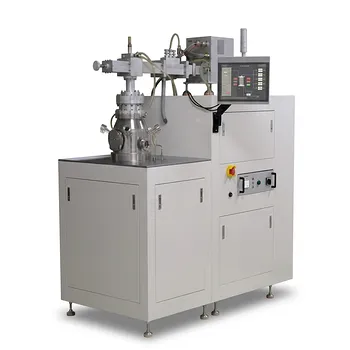
Cylindrical Resonator MPCVD Machine System for Microwave Plasma Chemical Vapor Deposition and Lab Diamond Growth
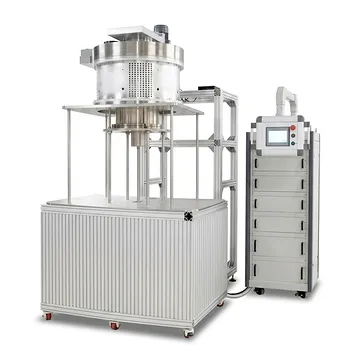
915MHz MPCVD Diamond Machine Microwave Plasma Chemical Vapor Deposition System Reactor
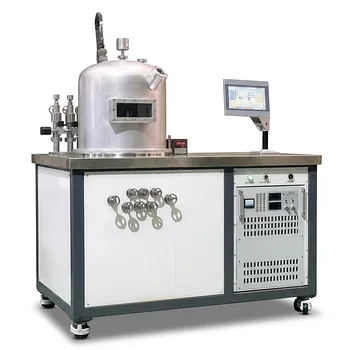
HFCVD Machine System for Nano Diamond Coating on Drawing Dies and Industrial Tools
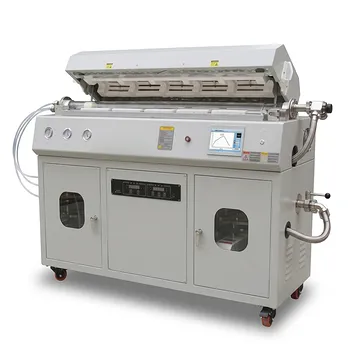
Multi Heating Zones CVD Tube Furnace System for Precision Chemical Vapor Deposition and Advanced Material Synthesis
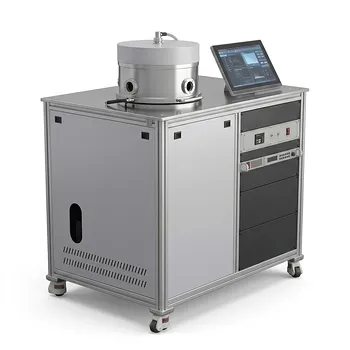
Inclined Rotary Plasma Enhanced Chemical Vapor Deposition PECVD System for Thin Film Deposition and Nanomaterial Synthesis
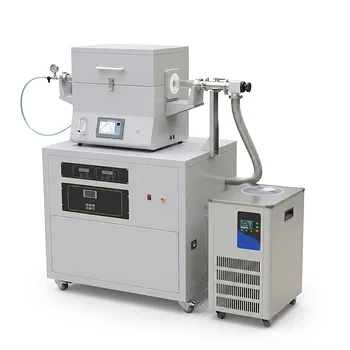
Split Chamber CVD Tube Furnace with Vacuum Station Chemical Vapor Deposition System Machine
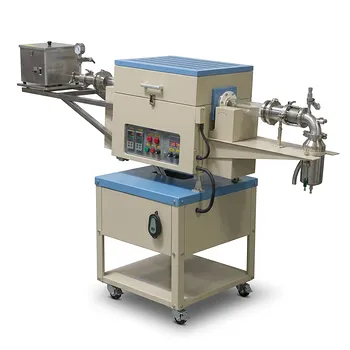
Two Zone Rotary CVD Furnace with Automatic Feeding and Receiving System for Powder Processing
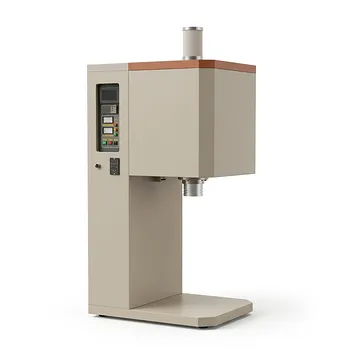
Vertical Openable Tube Furnace 0-1700c High Temperature Laboratory System for CVD and Vacuum Heat Treatment
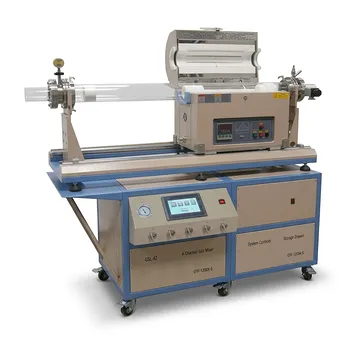
Dual Tube 100mm 80mm CVD Sliding Furnace with 4 Channel Gas Mixing and Vacuum System

High Temperature 1700C Tube Furnace with High Vacuum Turbomolecular Pump System and Multi Channel Mass Flow Controller Gas Mixer
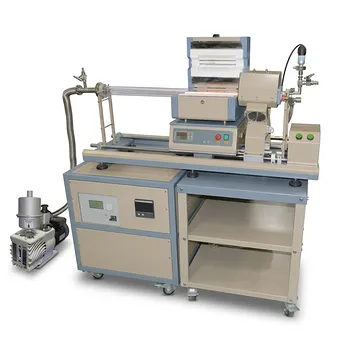
1200C Max Compact Auto-Sliding PECVD Furnace with 2 Inch Tube and Vacuum Pump
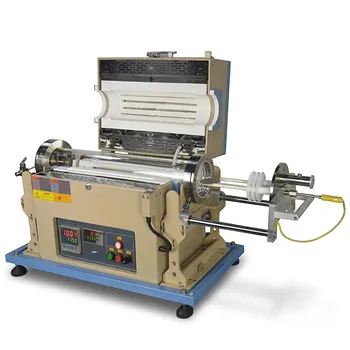
1200°C High Temperature 4 Inch Tube Furnace with Sliding Flange for CVD Systems
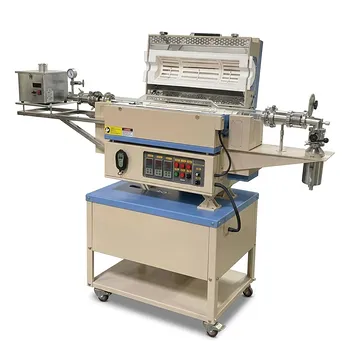
5 Inch Rotary Tube Furnace with Automatic Feeding and Receiving System 1200C Three Zone CVD Powder Processing
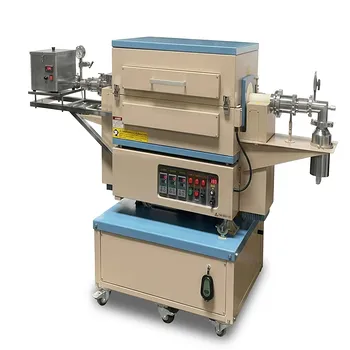
1500C 3-Zone Rotary Tube Furnace 60mm with Automatic Powder Feeding and Receiving System for Continuous Material Synthesis
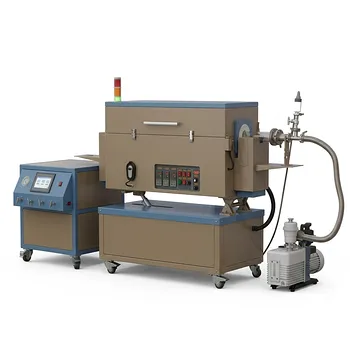
5 Inch Three Zone Rotary Tube Furnace with Integrated Gas Delivery System and 1200C Capability for Advanced Material CVD Processing
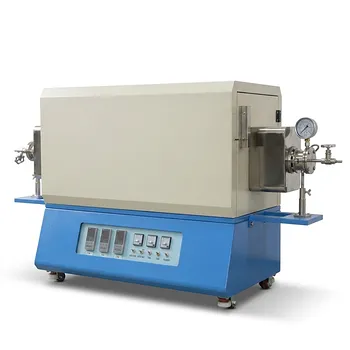
Three Temperature Zone High Temperature Vacuum Tube Furnace for CVD and Material Sintering