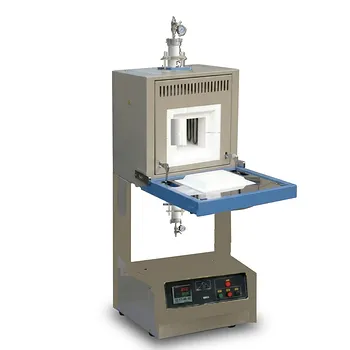
What is the role of a high-precision dual-temperature zone tube furnace in the sulfurization of 4H-SiC surfaces?
Updated 3 months ago
The role of a high-precision dual-temperature zone tube furnace is to provide independent control over sulfur evaporation and the chemical reaction environment. This spatial separation allows for a stable concentration of sulfur vapor in the low-temperature zone while maintaining a rigorous 800 °C reaction field for the 4H-SiC sample, ensuring uniform atomic bonding without compromising the material's structural integrity.
Core Takeaway: A dual-temperature zone furnace is essential for decoupling the vaporization rate of the sulfur source from the reaction kinetics on the semiconductor surface. This precision prevents thermal damage to the 4H-SiC while achieving a high-purity, uniform sulfurization layer necessary for advanced electrical applications.
Decoupling Vaporization and Reaction Kinetics
Independent Control of Sulfur Concentration
The low-temperature zone of the furnace acts as a dedicated source-control environment. By precisely regulating the heat in this zone, researchers can dictate the exact evaporation rate of sulfur powder. This ensures a constant and predictable concentration of sulfur vapor is delivered to the sample, which is a prerequisite for repeatable experimental results.
Maintaining the 800 °C Reaction Environment
The high-temperature zone is specifically calibrated to provide the thermal energy required for the 4H-SiC surface reaction. At 800 °C, the furnace facilitates the chemical bonding of sulfur atoms to the silicon carbide lattice. This temperature is high enough to drive the reaction but is carefully managed to remain within the safety limits of the 4H-SiC material.
Preventing Thermal Damage to the Substrate
One of the primary advantages of the segmented design is the ability to achieve uniform bonding without exposing the entire system to excessive heat. The furnace prevents "thermal shock" or degradation of the 4H-SiC crystal structure by isolating the high-heat area. This precision ensures that the sulfurization layer forms an optimal interface for subsequent electrical property research.
Atmosphere Control and Material Purity
The Role of Inert Protective Environments
High-precision tube furnaces are integrated with flow control systems to introduce inert gases like argon or nitrogen. This environment prevents the oxidation of the 4H-SiC surface during the heating process, which would otherwise interfere with the sulfurization. In some configurations, a reducing atmosphere (such as hydrogen) is used to remove residual oxide films, ensuring atomic-level contact at the interface.
Eliminating Impurities and Moisture
Prior to the reaction, the furnace is used for preheating and oxygen removal. This step eliminates adsorbed water and crystalline moisture from the precursors and the reaction chamber. Using a high-temperature ceramic crucible within the low-temperature zone further ensures that no metal impurities are introduced into the sulfur vapor.
Fine-Tuning Doping and Morphology
The ability to adjust temperature gradients within the furnace allows for the fine-tuning of the sulfur doping density. Precise heating rates (often as specific as 5 °C/min) ensure that the polymerization or bonding process is complete and stable. This level of control determines the final morphology of the surface and its efficiency in electronic or catalytic applications.
Understanding the Trade-offs and Pitfalls
Gradient Instability
While dual zones offer control, they also introduce the risk of unintended temperature gradients between the two zones. If the transition area is not properly managed, sulfur vapor can prematurely condense on the furnace walls before reaching the 4H-SiC sample.
Flow Rate Complexity
The concentration of sulfur in the high-temperature zone is not just a function of temperature, but also of the carrier gas flow rate. If the flow is too high, the sulfur vapor may pass the sample too quickly to react; if it is too low, the concentration may become non-uniform, leading to "patchy" sulfurization.
Purity Maintenance
Despite the use of ceramic crucibles, any residue from previous experiments can lead to cross-contamination. High-precision furnaces require rigorous cleaning protocols because sulfur is highly reactive and can linger within the porous insulation of the tube over time.
How to Optimize Your Sulfurization Process
To achieve the best results when using a dual-temperature zone furnace for 4H-SiC, consider your specific research goals:
- If your primary focus is maximum surface uniformity: Prioritize the stabilization of the carrier gas flow and ensure the sulfur source is positioned at the absolute center of the low-temperature thermal peak.
- If your primary focus is electrical interface purity: Utilize a high-purity argon purge for at least 30 minutes prior to heating to ensure all residual oxygen and moisture are evacuated.
- If your primary focus is preventing substrate degradation: Use a moderate heating rate (3-5 °C/min) to reach the 800 °C setpoint, avoiding rapid thermal expansion stresses on the 4H-SiC crystal.
The precision of a dual-zone furnace transforms sulfurization from a volatile chemical process into a controlled, repeatable method for semiconductor surface engineering.
Summary Table:
| Feature | Function | Benefit for 4H-SiC |
|---|---|---|
| Low-Temp Zone | Independent sulfur evaporation control | Consistent and stable sulfur vapor delivery |
| High-Temp Zone | Stable 800 °C reaction environment | Precise atomic bonding without thermal damage |
| Inert Atmosphere | Flow-controlled Argon/Nitrogen environment | Prevents surface oxidation and impurity ingress |
| Gradient Control | Decoupling vaporization from kinetics | Uniform surface morphology and high-purity doping |
Elevate Your Semiconductor Research with THERMUNITS
Precision is the foundation of material science innovation. As a leading manufacturer of high-temperature laboratory equipment, THERMUNITS offers state-of-the-art Tube Furnaces, CVD/PECVD systems, and Vacuum Atmosphere Furnaces designed specifically for the rigorous demands of industrial R&D and semiconductor engineering.
Our dual-temperature zone solutions provide the exact thermal control needed for 4H-SiC sulfurization, ensuring uniform bonding and superior material integrity.
Unlock the full potential of your lab's heat treatment capabilities.
Contact THERMUNITS today to discuss your customized furnace solution.
References
- Fabrizio Roccaforte, Filippo Giannazzo. Schottky contacts on sulfurized silicon carbide (4H-SiC) surface. DOI: 10.1063/5.0192691
Mentioned Products
- High Temperature Dual Zone Rotating Tube Furnace 1500C Silicon Carbide Heating for Advanced Material Synthesis
- Dual Zone Tube Furnace 1100C with 11 Inch Quartz Tube and Vacuum Flanges for 8 Inch Wafer Processing
- High Temperature 1700C Dual Zone Tube Furnace for Material Science and Industrial Chemical Vapor Deposition Research
- 1200C Dual Zone Split Tube Furnace with Fused Quartz Tube and Vacuum Flanges Available in 60mm 80mm and 100mm Diameters
- High Temperature Dual Zone Split Tube Furnace for Advanced Atmosphere Sintering and Vacuum CVD Applications
People Also Ask
- What is the function of CVD furnaces in graphene prep? Enhancing Photodetector Charge Transport
- Why use CVD and a tube furnace for Pd3P0.95/NC catalyst phosphidation? Ensure high phase purity and performance.
- CVD Tube Furnace Advantages for Pd-P Catalyst Durability: Precision Control for 40,000+ Cycles
- How does a rotary tube furnace improve the processing of granular materials? Enhance Uniformity and Reaction Kinetics
- How does a Chemical Vapor Deposition (CVD) tube furnace facilitate synchronized nitridation? Precision Nano-Engineering.

Tech Team · ThermUnits
Last updated on Jun 02, 2026
Related Products
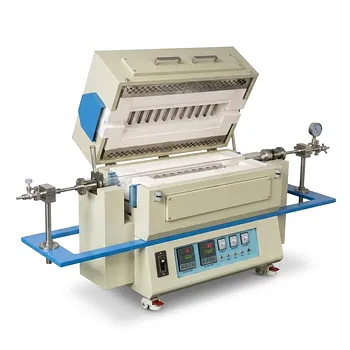
High Temperature Dual Zone Rotating Tube Furnace 1500C Silicon Carbide Heating for Advanced Material Synthesis
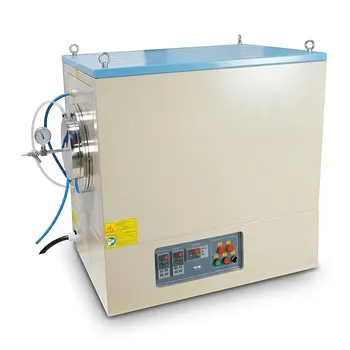
Dual Zone Tube Furnace 1100C with 11 Inch Quartz Tube and Vacuum Flanges for 8 Inch Wafer Processing
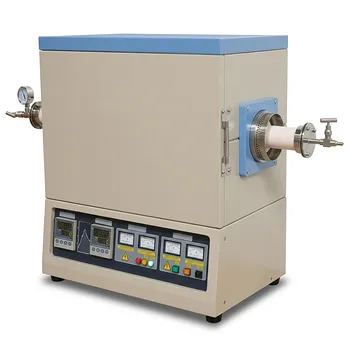
High Temperature 1700C Dual Zone Tube Furnace for Material Science and Industrial Chemical Vapor Deposition Research
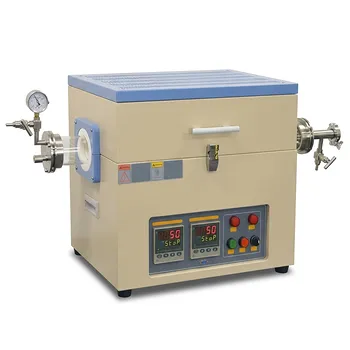
1200C Dual Zone Split Tube Furnace with Fused Quartz Tube and Vacuum Flanges Available in 60mm 80mm and 100mm Diameters
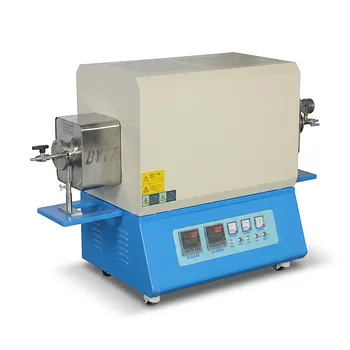
High Temperature Dual Zone Split Tube Furnace for Advanced Atmosphere Sintering and Vacuum CVD Applications
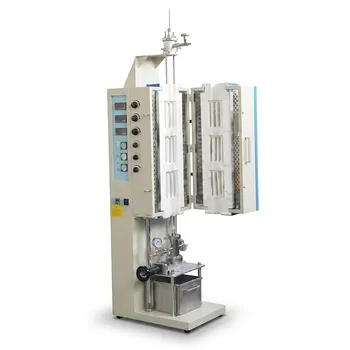
High Temperature Dual Zone Tube Furnace for Material Science Research and Professional Thermal Processing
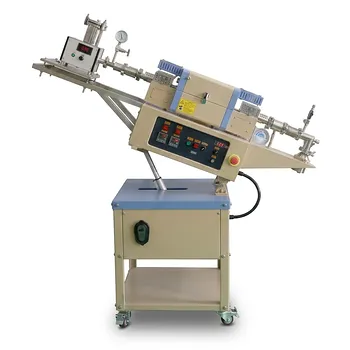
1100°C Dual Zone Rotary Tube Furnace with Automatic Feeding and Collection System for Continuous Powder Processing
Dual Zone Quartz Tube Furnace with 80mm Diameter 1200C Max Temperature 3 Channel Gas Mixer and Vacuum Pump System
1500C Max Dual Zone Rotary Tube Furnace with 60 mm OD Alumina Tube for High Temperature Material Synthesis
High Temperature Elongated Dual Zone Tube Furnace for Material Research and Industrial Heat Treatment
Double Temperature Zone Double Cover Tube Furnace for High Temperature CVD and Vacuum Annealing
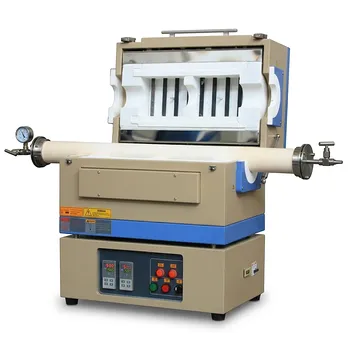
1500C Two Zone Split Tube Furnace with Vacuum Flange and 80mm Alumina Tube
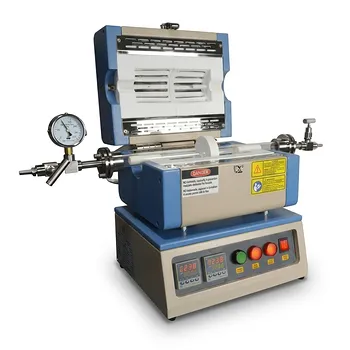
Dual Heating Zone 1200C Compact Split Tube Furnace with Optional 1" - 2" Tube and Vacuum Flanges
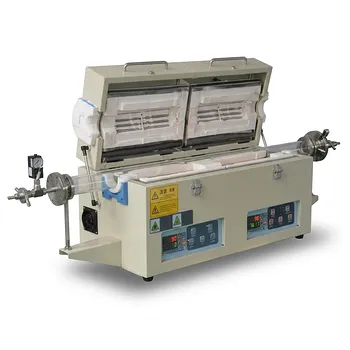
Elongated Two Temperature Zone Pipe Furnace for Industrial Heat Treatment and Material Science Research
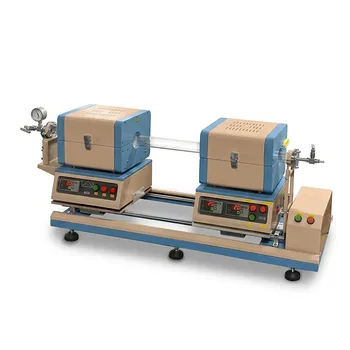
High Temperature 1200C Automatic Sliding Dual Zone Tube Furnace for 2D Transition Metal Dichalcogenides Growth and Material Sublimation Research
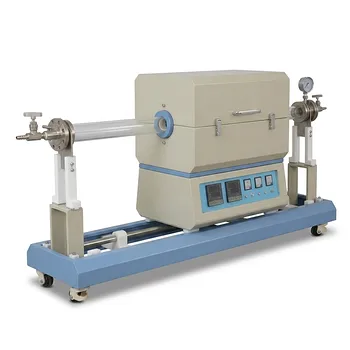
Double Zone Fast Heating Tube Furnace High Temperature Vacuum Atmosphere System
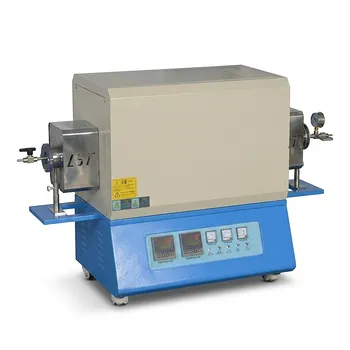
High Temperature Dual Zone Vacuum Tube Furnace for Material Research and CVD Processing
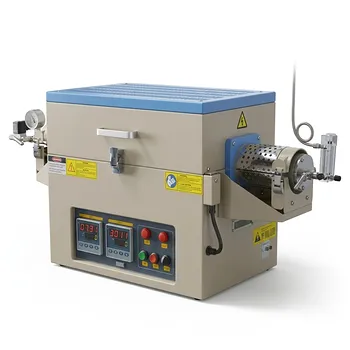
1100C Dual Zone Hydrogen Gas Tube Furnace with Quartz Tube and Integrated H2 Leak Detection System
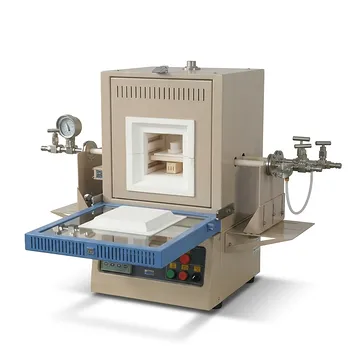
1700C Compact Hybrid Furnace with Dual Layer Box Sintering and Controlled Atmosphere Alumina Tubes