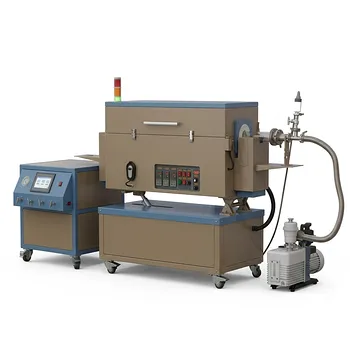
What key conditions does a tube furnace provide for graphene CVD? | Precision Heat & Gas Control for Platinum Foil
Updated 3 months ago
The high-temperature tube furnace is the indispensable reaction vessel for graphene synthesis on metallic substrates. For graphene-coated platinum foil, it provides a precisely regulated thermal environment (typically 1100°C), a stable low-pressure atmosphere, and exact control over precursor gas ratios. These conditions enable the catalytic cracking of methane and the subsequent dissolution and segregation of carbon atoms required for high-quality film growth.
The furnace acts as a controlled energy and chemical reactor, transforming gaseous precursors into structured carbon layers by managing the interplay between heat, pressure, and gas chemistry. By stabilizing these variables, it ensures the uniform growth of graphene and subsurface carbon layers on the platinum catalyst.
Precise Thermal Management
Facilitating Catalytic Decomposition
The furnace provides the extreme thermal energy, often reaching 1100°C, necessary to break the chemical bonds of precursor gases like methane. This process, known as pyrolysis, occurs on the surface of the platinum foil, which acts as a catalyst. Without this sustained high-temperature field, the carbon atoms would not release from the carrier gas to begin the deposition process.
Ensuring Temperature Uniformity
A high-quality tube furnace maintains a stable and uniform heating zone across the entire length of the platinum foil. This uniformity is critical because temperature fluctuations directly impact the crystal domain size and the continuity of the graphene film. Precise control over the heating rate, such as a 10 K/min ramp, allows for repeatable results and consistent film quality.
Atmospheric and Pressure Regulation
Management of Gas Mixing Ratios
The furnace system accurately regulates the flow of multi-component gases, including hydrogen, methane, and dilution gases like helium or argon. The specific ratio of these gases determines the growth mechanism, influencing whether the resulting graphene is single-layer or multi-layer. Hydrogen specifically plays a dual role by facilitating the dehydrogenation of methane and etching away weak carbon bonds to improve lattice quality.
Vacuum Stability and Contamination Control
Maintaining a stable low-pressure vacuum environment (often around 1.0 Torr or lower) is essential for preventing the secondary oxidation of the platinum foil at high temperatures. This vacuum level also facilitates the efficient discharge of oxygen, water vapor, and sulfur-containing byproducts. By removing these impurities, the furnace ensures the synthesized graphene remains pure and highly conductive.
Substrate Interaction and Growth Dynamics
Carbon Dissolution and Segregation
Unlike other catalysts, platinum allows for a specific growth mechanism where carbon atoms dissolve into the metal bulk at peak temperatures. As the furnace begins its controlled cooling phase, these atoms migrate back to the surface—a process called segregation. The tube furnace's ability to transition precisely between these temperature phases determines the thickness and uniformity of the subsurface carbon layers.
Structural Integrity via Quartz Vessels
High-purity quartz tubes are used within the furnace to house the reaction, providing excellent thermal shock stability and chemical inertness. This material ensures that no metallic impurities or contaminants are introduced into the platinum catalyst at 1100°C. The mechanical strength of the quartz allows the system to maintain its vacuum seal even under extreme thermal stress.
Understanding the Trade-offs
Temperature vs. Substrate Integrity
While higher temperatures generally improve the crystallinity of graphene, exceeding the optimal range can lead to the excessive evaporation of the metal catalyst or the formation of unwanted thick carbon aggregates. Finding the "sweet spot" (typically between 1000°C and 1100°C for platinum) is a delicate balance between reaction speed and film quality.
Vacuum Depth vs. Throughput
Operating at a high vacuum significantly reduces defects and oxidation but increases the processing time and equipment complexity. Conversely, atmospheric pressure CVD is faster and cheaper but often results in higher defect densities and lower uniformity in the graphene lattice.
How to Optimize Your CVD Process
Implementation Based on Research Goals
To achieve the best results with your tube furnace, align your parameters with your specific material requirements:
- If your primary focus is single-layer uniformity: Prioritize high vacuum levels and a strict 1100°C temperature profile to ensure even carbon segregation from the platinum.
- If your primary focus is rapid prototyping: Utilize higher methane flow rates and atmospheric pressure conditions, acknowledging that this may increase lattice defects.
- If your primary focus is lattice purity: Use high-purity quartz tubes and integrate a hydrogen pre-reduction step to remove any existing oxides from the platinum surface before introducing methane.
By mastering the furnace's thermal and atmospheric conditions, you can achieve a high-performance graphene coating that is perfectly bonded to the underlying platinum substrate.
Summary Table:
| Feature | Optimal Condition for Graphene CVD |
|---|---|
| Operating Temperature | Typically 1100°C (Precise thermal management) |
| Atmospheric Pressure | Low-pressure vacuum (~1.0 Torr) to prevent oxidation |
| Gas Composition | Controlled ratios of Methane (CH4), Hydrogen (H2), and Argon |
| Heating Uniformity | Stable heating zones to ensure consistent crystal domain size |
| Growth Mechanism | Precise cooling for carbon dissolution and segregation |
| Reaction Vessel | High-purity Quartz tubes for chemical inertness |
Optimize Your Graphene Synthesis with THERMUNITS
Achieving high-quality graphene-coated platinum foil requires the absolute precision that only a world-class thermal system can provide. THERMUNITS is a leading manufacturer of high-temperature laboratory equipment specifically designed for advanced material science and industrial R&D.
Whether you are scaling up production or conducting sensitive research, our comprehensive range of thermal solutions—including Tube Furnaces, CVD/PECVD systems, Vacuum and Atmosphere furnaces, and Rotary Kilns—ensures uniform heat distribution and exact atmospheric control.
Our Expertise Includes:
- CVD/PECVD Systems: Purpose-built for high-purity film growth.
- Versatile Heat Treatment: Muffle, Vacuum, Hot Press, and Vacuum Induction Melting (VIM) furnaces.
- Specialized Solutions: Dental furnaces, thermal elements, and electric rotary kilns.
Ready to enhance your lab's efficiency and film quality? Contact THERMUNITS today to discuss your specific heat treatment requirements with our technical experts!
References
- Jad Yaacoub, Sameh Tawfick. Graphene‐Induced Surface Softening and Nanostructure Evolution of Platinum Foils. DOI: 10.1002/adem.202401053
Mentioned Products
- 1200C Sliding Tube Furnace for Rapid Thermal Processing and CVD Graphene Growth with 100mm OD Capacity
- High Temperature 1800C Atmosphere Tube Furnace for CVD Research and Vacuum Sintering Precision Heat Treatment
- 1200°C High Temperature 4 Inch Tube Furnace with Sliding Flange for CVD Systems
- High Temperature 1200C Split Tube Furnace for CVD Research and Vacuum Atmosphere Heat Treatment
- Vertical Openable Tube Furnace 0-1700c High Temperature Laboratory System for CVD and Vacuum Heat Treatment
People Also Ask
- Why is a Tube Furnace typically utilized for CVD? Achieve Precision in Graphene and 2D Material Synthesis
- CVD Tube Furnace Advantages for Pd-P Catalyst Durability: Precision Control for 40,000+ Cycles
- What is the function of CVD furnaces in graphene prep? Enhancing Photodetector Charge Transport
- Why use CVD and a tube furnace for Pd3P0.95/NC catalyst phosphidation? Ensure high phase purity and performance.
- How does a tube furnace system equipped with gas mass flow controllers facilitate the MCW process? Optimize Graphene Yield

Tech Team · ThermUnits
Last updated on Jun 02, 2026
Related Products
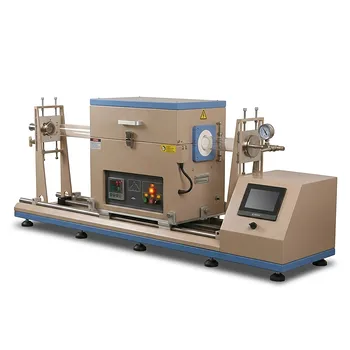
1200C Sliding Tube Furnace for Rapid Thermal Processing and CVD Graphene Growth with 100mm OD Capacity
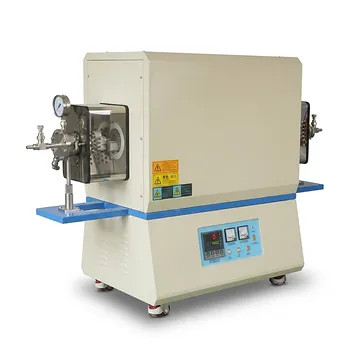
High Temperature 1800C Atmosphere Tube Furnace for CVD Research and Vacuum Sintering Precision Heat Treatment
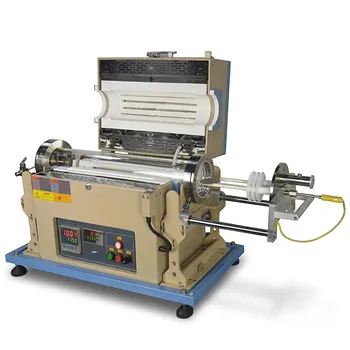
1200°C High Temperature 4 Inch Tube Furnace with Sliding Flange for CVD Systems
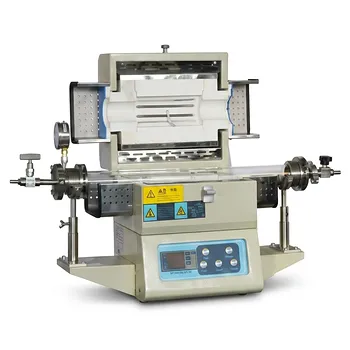
High Temperature 1200C Split Tube Furnace for CVD Research and Vacuum Atmosphere Heat Treatment
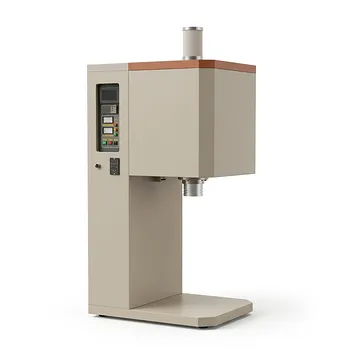
Vertical Openable Tube Furnace 0-1700c High Temperature Laboratory System for CVD and Vacuum Heat Treatment

High Temperature 1700C Tube Furnace with High Vacuum Turbomolecular Pump System and Multi Channel Mass Flow Controller Gas Mixer

High Temperature 1700C Benchtop Tube Furnace with 5 Inch Heating Zone High Purity Alumina Tube and Vacuum Sealing Flanges
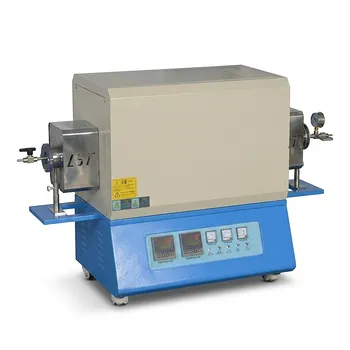
High Temperature Dual Zone Vacuum Tube Furnace for Material Research and CVD Processing
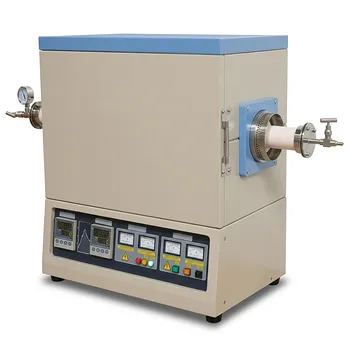
High Temperature 1700C Dual Zone Tube Furnace for Material Science and Industrial Chemical Vapor Deposition Research
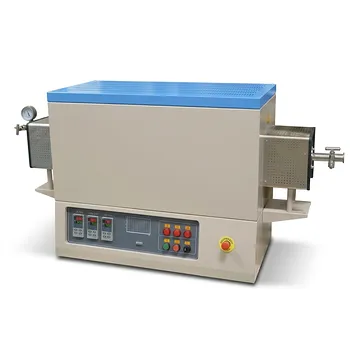
Three Zone Alumina Tube Furnace with Vacuum Flanges High Temperature 1700C Thermal Gradient CVD System
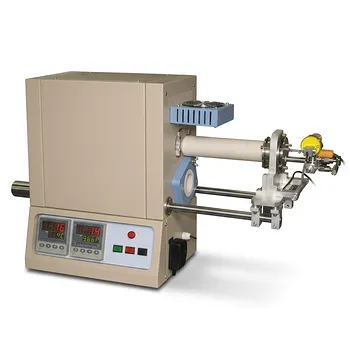
High Temperature Tube Furnace 1500C with Sliding Flanges and 50mm OD for Rapid Thermal Processing Fast Heating and Cooling
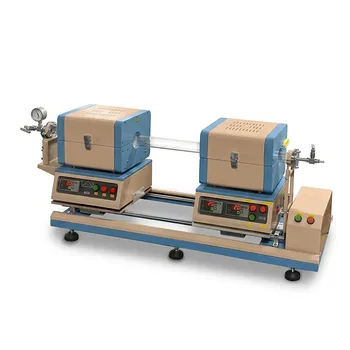
High Temperature 1200C Automatic Sliding Dual Zone Tube Furnace for 2D Transition Metal Dichalcogenides Growth and Material Sublimation Research
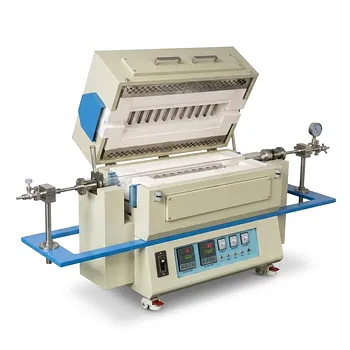
High Temperature Dual Zone Rotating Tube Furnace 1500C Silicon Carbide Heating for Advanced Material Synthesis
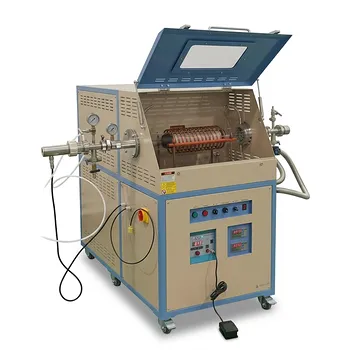
Ultra High Temperature 2300C Induction Heated Graphite Tube Furnace with Infrared Control

High Temperature 1700C Vertical Tube Furnace for Powder Spherification and Material Sintering
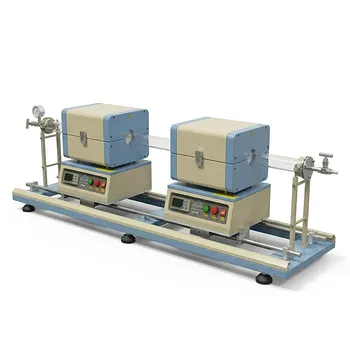
1200C Max Dual Sliding Tube Furnace with 50 mm Tube Flanges for CVD
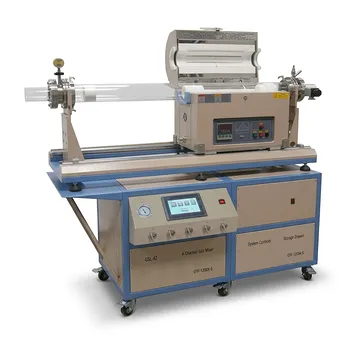
Dual Tube 100mm 80mm CVD Sliding Furnace with 4 Channel Gas Mixing and Vacuum System
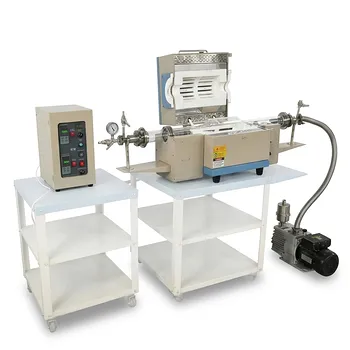
Two Zone Rotary Tube Furnace for Powder CVD Coating and Core Shell Material Synthesis 1100C
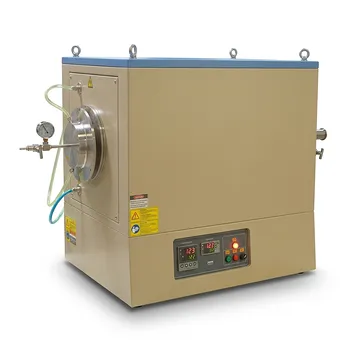
1100°C Large Diameter Quartz Tube Furnace with 24 Inch Heating Zone and Water Cooled Flanges