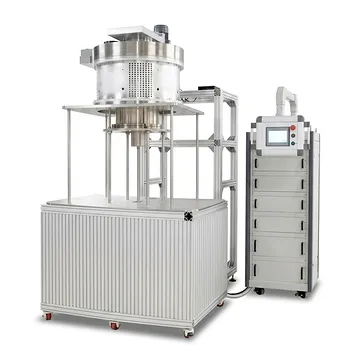
What is the role of a high-temperature CVD system in Ga-doped ZnO synthesis? Precision Control for Optoelectronics
Updated 3 months ago
The high-temperature Chemical Vapor Deposition (CVD) system serves as the foundational reaction environment for Ga-doped ZnO microwires, providing the precise thermal control and vapor transport necessary for synthesis. It functions by vaporizing solid precursors at elevated temperatures and facilitating their controlled condensation onto a substrate, resulting in high-quality single crystals with regular hexagonal cross-sections.
The core role of a high-temperature CVD system is to transform solid precursors into a gaseous state and regulate their subsequent deposition to ensure high crystalline quality and accurate gallium (Ga) doping. This precise control over thermodynamics and gas flow is what enables the growth of microwires suitable for advanced optoelectronic applications.
Precise Thermal Management and Vaporization
The CVD system is responsible for creating the specific thermodynamic conditions required to transition solid raw materials into a reactive gaseous phase.
Sublimation of Solid Precursors
The high-temperature furnace provides the thermal energy needed to vaporize or sublimate precursor powders, such as ZnO and Ga-sources. By maintaining temperatures often near or exceeding 900°C–1000°C, the system ensures a steady supply of reactant vapors.
Establishing Temperature Gradients
A critical function of the CVD system is the creation of distinct thermal zones. While the source material is heated to high temperatures for vaporization, the substrate is typically located in a lower-temperature zone to facilitate the transition from vapor back to solid (condensation).
Regulated Vapor Transport and Growth Mechanisms
Beyond simple heating, the CVD system acts as a sophisticated fluid dynamics environment that dictates how the microwires physically form.
Carrier Gas Regulation
The system utilizes precise flow rates of carrier gases, such as argon or oxygen, to transport the vaporized precursors from the source to the substrate. This flow prevents random deposition and ensures that the reactants reach the growth sites at a consistent rate.
Facilitating VLS and VS Growth
The CVD environment provides the stability required for Vapor-Liquid-Solid (VLS) or Vapor-Solid (VS) growth mechanisms. By regulating the pressure and atmosphere, the system allows the Ga-doped ZnO to crystallize into specific morphologies, such as the characteristic hexagonal microwire structure.
Ensuring Material Purity and Doping Accuracy
The CVD system is designed to maintain a controlled atmosphere that is essential for the chemical integrity of the semiconductor.
Chemical Purity and Atmospheric Control
High-temperature quartz tubes within the CVD system act as high-purity reaction chambers. These chambers isolate the synthesis process from external impurities and atmospheric nitrogen or moisture, ensuring the resulting microwires are of electronic-grade quality.
Precise Integration of Gallium Dopants
The controlled thermal field allows for the uniform incorporation of gallium atoms into the ZnO crystal lattice. This precise doping is vital for tuning the electrical and optical properties of the microwires, which is necessary for their use in high-performance sensors and light-emitting devices.
Understanding the Trade-offs
While high-temperature CVD systems offer unparalleled control, they come with specific challenges that must be managed to ensure successful synthesis.
Thermal Stress and Cooling Rates
Rapid heating or cooling cycles can introduce mechanical defects or structural fractures in the microwires. Maintaining a controlled cooling rate is essential to preserve the hexagonal cross-section and prevent "thermal shock" to the crystalline lattice.
Precursor Depletion and Uniformity
In a tube furnace, the concentration of vaporized precursors can decrease as the carrier gas moves further from the source. This can lead to variations in microwire diameter or doping concentration across different areas of the substrate if the gas flow and temperature are not perfectly calibrated.
How to Optimize CVD for Your Synthesis Goals
Achieving the desired microwire characteristics requires balancing several operational parameters within the CVD system.
- If your primary focus is high crystalline quality: Prioritize the stability of the thermal field and use a high-purity quartz chamber to eliminate any potential for atmospheric contamination.
- If your primary focus is precise Ga-doping levels: Focus on the exact ratio of precursor powders and the specific temperature of the vaporization zone to control the vapor pressure of the gallium source.
- If your primary focus is morphological uniformity: Strictly regulate the carrier gas flow rates and the positioning of the substrate within the furnace’s temperature gradient.
By mastering the interplay between temperature, gas flow, and pressure, the high-temperature CVD system transforms raw chemical precursors into the sophisticated microstructures required for next-generation optoelectronics.
Summary Table:
| Key Role | Specific Function | Resulting Outcome |
|---|---|---|
| Thermal Management | Sublimation of solid ZnO/Ga precursors | Steady supply of reactant vapors |
| Vapor Transport | Regulated carrier gas flow (Ar/O2) | Facilitates VLS/VS growth mechanisms |
| Doping Accuracy | Controlled thermal fields | Uniform incorporation of Ga atoms |
| Atmospheric Purity | High-purity quartz tube isolation | Electronic-grade crystal quality |
Elevate Your Material Research with THERMUNITS
As a leading manufacturer of high-performance laboratory equipment, THERMUNITS provides the precision required for advanced synthesis like Ga-doped ZnO microwires. Our specialized CVD/PECVD systems, tube furnaces, and vacuum solutions offer the exact thermal stability and atmospheric control needed for your R&D breakthroughs.
Whether you need Muffle, Vacuum, Atmosphere, or Hot Press furnaces, or larger industrial solutions like electric rotary kilns and vacuum induction melting furnaces (VIM), we empower scientists to achieve superior material properties. Contact our technical experts today to find the perfect thermal processing solution for your laboratory's specific needs.
References
- Siyuan He, Yanpeng Liu. Giant Photoluminescence Enhancement of Ga‐Doped ZnO Microwires by X‐Ray Irradiation. DOI: 10.1002/advs.202407144
Mentioned Products
- Vertical Openable Tube Furnace 0-1700c High Temperature Laboratory System for CVD and Vacuum Heat Treatment
- 1200°C High Temperature 4 Inch Tube Furnace with Sliding Flange for CVD Systems
- Three Zone Alumina Tube Furnace with Vacuum Flanges High Temperature 1700C Thermal Gradient CVD System
- 4 Inch Two Zone Rotary CVD Tube Furnace for High Temperature Battery Material Synthesis and Advanced Material Calcination
- High Temperature Dual Zone Vacuum Tube Furnace for Material Research and CVD Processing
People Also Ask
- Why is a Tube Furnace typically utilized for CVD? Achieve Precision in Graphene and 2D Material Synthesis
- What role does a high-temperature vertical tube furnace play in simulating high-carbon ferromanganese slag formation?
- What functions does a vertical high-temperature tube furnace perform? Master Industrial Sintering & R&D Simulation
- How is an industrial-grade vertical tube furnace utilized in smelting leaching residues? Enhance Metal Recovery Efficiency
- Why is a thermocouple sensor indispensable for monitoring the vertical tube furnace during gallium oxide nanowire production? Optimize VLS Growth

Tech Team · ThermUnits
Last updated on Jun 02, 2026
Related Products
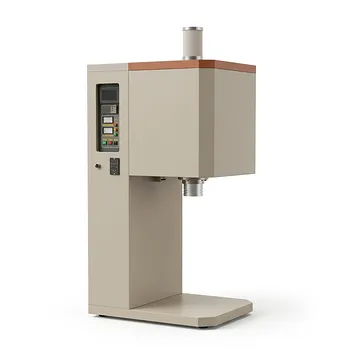
Vertical Openable Tube Furnace 0-1700c High Temperature Laboratory System for CVD and Vacuum Heat Treatment
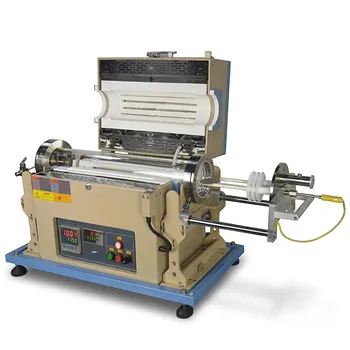
1200°C High Temperature 4 Inch Tube Furnace with Sliding Flange for CVD Systems
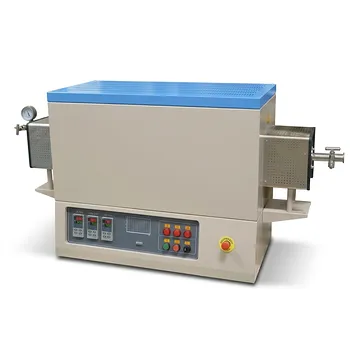
Three Zone Alumina Tube Furnace with Vacuum Flanges High Temperature 1700C Thermal Gradient CVD System
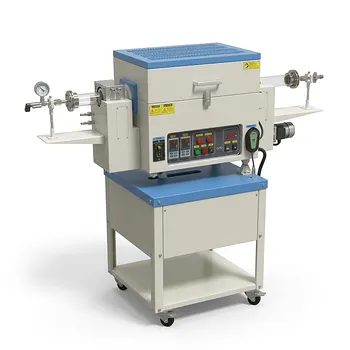
4 Inch Two Zone Rotary CVD Tube Furnace for High Temperature Battery Material Synthesis and Advanced Material Calcination
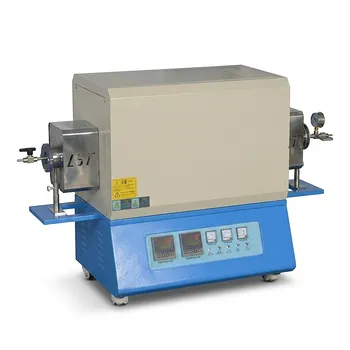
High Temperature Dual Zone Vacuum Tube Furnace for Material Research and CVD Processing
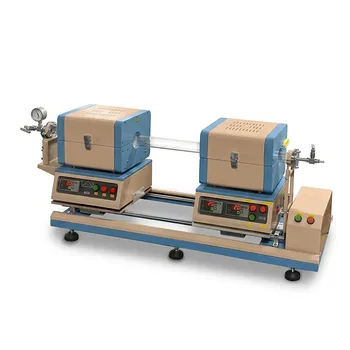
High Temperature 1200C Automatic Sliding Dual Zone Tube Furnace for 2D Transition Metal Dichalcogenides Growth and Material Sublimation Research
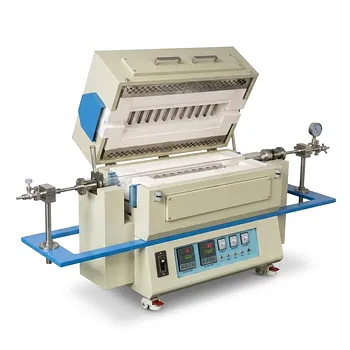
High Temperature Dual Zone Rotating Tube Furnace 1500C Silicon Carbide Heating for Advanced Material Synthesis

High Temperature 1700C Tube Furnace with High Vacuum Turbomolecular Pump System and Multi Channel Mass Flow Controller Gas Mixer
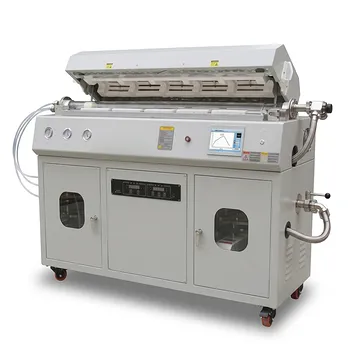
Multi Heating Zones CVD Tube Furnace System for Precision Chemical Vapor Deposition and Advanced Material Synthesis
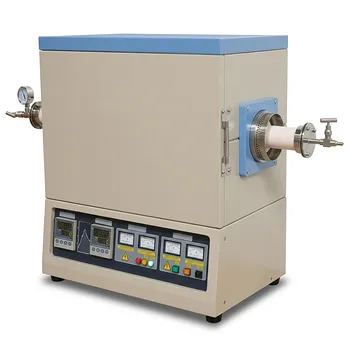
High Temperature 1700C Dual Zone Tube Furnace for Material Science and Industrial Chemical Vapor Deposition Research
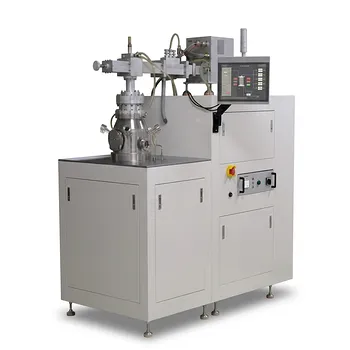
Cylindrical Resonator MPCVD Machine System for Microwave Plasma Chemical Vapor Deposition and Lab Diamond Growth
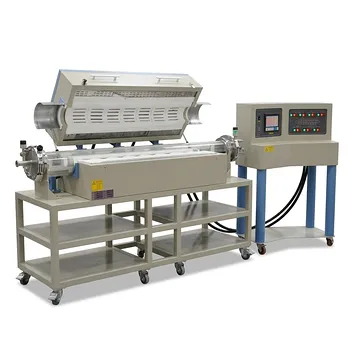
Eight Zone 1100C High Temperature Split Tube Furnace with 4 Inch OD Quartz Tube and Touch Screen Control Panel
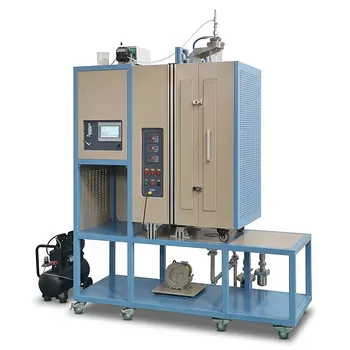
1500C Three Zone Vertical Pyrolysis Furnace for Nanoparticle Synthesis and Advanced Oxide Coating

High Temperature 1700C Benchtop Tube Furnace with 5 Inch Heating Zone High Purity Alumina Tube and Vacuum Sealing Flanges
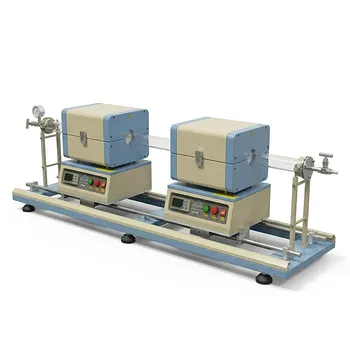
1200C Max Dual Sliding Tube Furnace with 50 mm Tube Flanges for CVD
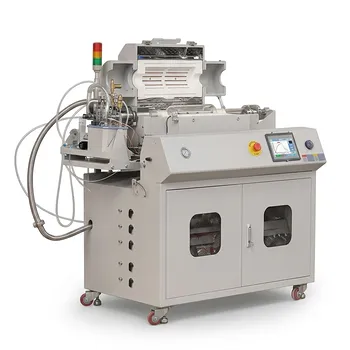
Versatile Chemical Vapor Deposition Tube Furnace System for Advanced Material Research and Industrial Coating Processes
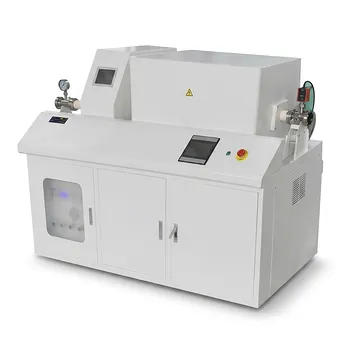
Chemical Vapor Deposition CVD System Slide PECVD Tube Furnace with Liquid Gasifier PECVD Machine
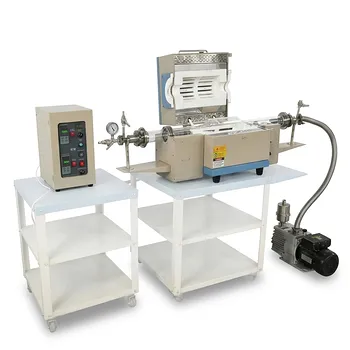
Two Zone Rotary Tube Furnace for Powder CVD Coating and Core Shell Material Synthesis 1100C
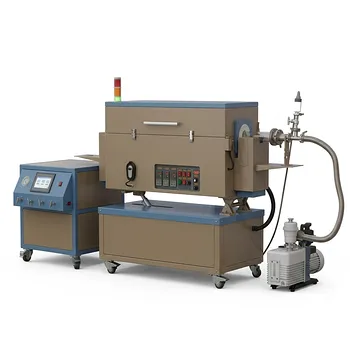
5 Inch Three Zone Rotary Tube Furnace with Integrated Gas Delivery System and 1200C Capability for Advanced Material CVD Processing