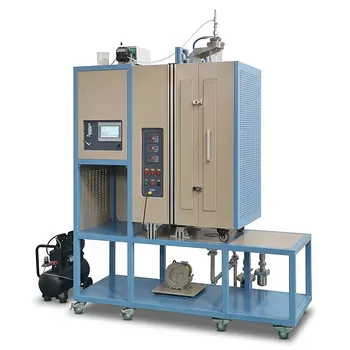
What kind of processing environment does a high-vacuum tube furnace provide for the pyrolysis of pineapple leaf biochar?
Updated 3 months ago
A high-vacuum tube furnace provides a strictly controlled, anaerobic thermal environment specifically designed to prevent the combustion of organic matter. By utilizing high-purity nitrogen at a controlled flow rate (typically 120 mL/min), the furnace eliminates oxygen interference. This ensures that pineapple leaf biomass undergoes carbonization rather than burning, typically at temperatures ranging from 300°C to 700°C.
The high-vacuum tube furnace serves as a precision reactor that replaces oxygen with an inert atmosphere to facilitate slow pyrolysis. This environment is critical for transforming raw biomass into stable, carbon-rich biochar with highly specific pore structures and chemical properties.
Establishing a Controlled Anaerobic Atmosphere
Oxygen Displacement via Inert Gas
To produce high-quality biochar, the furnace must maintain a strictly oxygen-deficient environment. By purging the chamber with high-purity nitrogen, the system ensures that the pineapple leaf fibers do not react with oxygen during the heating process.
Prevention of Combustion
In a standard atmosphere, biomass would simply burn to ash at high temperatures. The tube furnace’s sealed environment forces the material to undergo thermal decomposition, preserving the carbon backbone of the pineapple leaf rather than allowing it to escape as carbon dioxide through combustion.
Precision Thermal Regulation
Managed Heating Rates
The environment allows for the adjustment of specific heating rates, such as 10°C/min. This gradual increase in temperature is vital for "slow pyrolysis," which provides sufficient time for the organic precursors to reorganize into a stable carbon framework.
Peak Temperature Control
The furnace provides a constant thermal environment at target temperatures, often between 400°C and 700°C. Maintaining these specific peaks allows the operator to dictate the final energy storage capacity and fixed carbon content of the biochar.
Structural and Chemical Transformation
Volatile Removal and Pore Development
The high-temperature environment effectively removes volatile matter from the pineapple leaf precursors. As these volatiles are expelled in an oxygen-free chamber, they leave behind a specialized, interconnected pore structure that is essential for applications like filtration or energy storage.
Reorganization of Carbon Frameworks
At higher temperatures (up to 1000°C in some configurations), the furnace facilitates the thermal desorption of oxygen-containing functional groups. This process promotes the rearrangement of carbon elements into stable graphitic or amorphous structures, refining the material’s chemical stability.
Understanding the Trade-offs
Temperature vs. Yield
Higher pyrolysis temperatures generally increase the fixed carbon content and surface area but result in a lower overall yield of biochar. As the temperature rises toward 700°C, more organic components are volatilized, reducing the final mass of the product.
Gas Flow Rate Sensitivity
While a flow rate of 120 mL/min of nitrogen is standard for excluding oxygen, excessively high flow rates can sweep away heat or valuable volatile intermediate products too quickly. Conversely, insufficient flow may fail to fully exclude oxygen, leading to partial combustion and structural defects in the biochar.
How to Apply This to Your Project
Choosing Parameters Based on Goals
- If your primary focus is maximum biochar yield: Maintain the furnace at the lower end of the spectrum (approximately 300°C to 400°C) to minimize the loss of volatile carbon.
- If your primary focus is high surface area and porosity: Utilize higher temperatures (600°C to 700°C) and a steady nitrogen flow to ensure the complete removal of volatiles and the opening of pore networks.
- If your primary focus is chemical purity and stability: Implement a higher sintering duration at peak temperature to facilitate the reorganization of carbon into stable graphitic frameworks.
The high-vacuum tube furnace is the definitive tool for converting pineapple leaf waste into high-value carbon materials through the precise synchronization of temperature and atmospheric purity.
Summary Table:
| Feature | Processing Environment Detail | Impact on Biochar Quality |
|---|---|---|
| Atmosphere | Anaerobic (High-purity Nitrogen purging) | Prevents combustion; ensures carbonization over burning. |
| Temperature | Precision control (300°C to 700°C) | Dictates fixed carbon content and energy storage capacity. |
| Heating Rate | Controlled slow pyrolysis (e.g., 10°C/min) | Facilitates stable carbon framework reorganization. |
| Vacuum/Flow | High-vacuum sealing + 120 mL/min gas flow | Efficiently removes volatiles to create porous structures. |
| Chemical State | Thermal desorption of oxygen groups | Increases chemical stability and graphitic structure. |
Elevate Your Material Research with THERMUNITS
Are you looking to achieve precise, repeatable results in biomass carbonization or advanced material synthesis? THERMUNITS is a leading manufacturer specializing in high-temperature laboratory equipment tailored for material science and industrial R&D.
Our advanced Vacuum Tube Furnaces provide the strictly controlled anaerobic environments essential for high-quality biochar production, ensuring optimal pore development and chemical stability. Beyond tube furnaces, we offer a comprehensive suite of thermal solutions, including:
- Laboratory Essentials: Muffle, Atmosphere, and Dental Furnaces.
- Industrial R&D: Rotary Kilns, Vacuum Induction Melting (VIM) Furnaces, and Hot Press systems.
- Advanced Synthesis: CVD/PECVD systems and high-performance Thermal Elements.
Partner with THERMUNITS to bring precision and efficiency to your heat treatment processes. Contact our technical team today to find the perfect equipment for your laboratory needs.
References
- Shuhui Song, Haiyang Ma. Structural Characteristics and Adsorption of Phosphorus by Pineapple Leaf Biochar at Different Pyrolysis Temperatures. DOI: 10.3390/agronomy14122923
Mentioned Products
- High Vacuum Compact Tube Furnace 1200C with Integrated Turbo Pump System and 8 Inch Heating Zone
- High Temperature 1700C Vertical Tube Furnace for Powder Spherification and Material Sintering
- 1800C High Temperature Compact Vacuum Tube Furnace with 60mm OD Alumina Tube and Kanthal MoSi2 Heating Elements
- High Temperature 1700C Tube Furnace with 4 Inch OD Alumina Tube and Vacuum Sealing Flanges
- 1750°C High Temperature Benchtop Vacuum Atmosphere Tube Furnace with Kanthal Super 1800 Heating Elements and 60mm Alumina Processing Tube
People Also Ask
- What core functions does a high-temperature vacuum tube furnace provide? Optimize np-CuSn Sintering & Joint Integrity
- What is the primary function of a high vacuum tube furnace in the in-situ grain growth experiments of silicon steel?
- Why is a high-vacuum tube furnace required for the pyrolysis phase of BCMoMn electrocatalysts? Key for Catalyst Precision
- What are the functions of a tube furnace in PCC annealing? Optimize Carbonization & Porosity
- What is the Role of Vacuum Tube Furnaces in Ti1-xAlxN Research? Master Age Hardening & Stability

Tech Team · ThermUnits
Last updated on Jun 02, 2026
Related Products
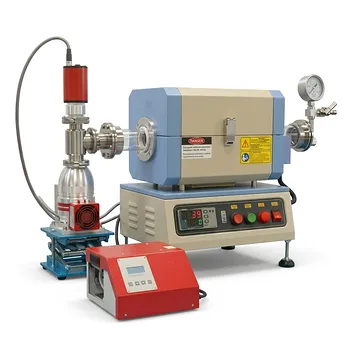
High Vacuum Compact Tube Furnace 1200C with Integrated Turbo Pump System and 8 Inch Heating Zone

High Temperature 1700C Vertical Tube Furnace for Powder Spherification and Material Sintering

1800C High Temperature Compact Vacuum Tube Furnace with 60mm OD Alumina Tube and Kanthal MoSi2 Heating Elements

High Temperature 1700C Tube Furnace with 4 Inch OD Alumina Tube and Vacuum Sealing Flanges

1750°C High Temperature Benchtop Vacuum Atmosphere Tube Furnace with Kanthal Super 1800 Heating Elements and 60mm Alumina Processing Tube
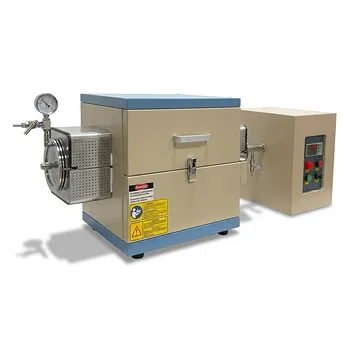
1200C High Temperature 5 Inch Split Vacuum Tube Furnace with 12 Inch Heating Zone and Separated PID Controller

High Temperature Automated 5 Inch Tube Furnace for Autonomous Material Research and Advanced Laboratory R&D

1100C Tube Furnace with Vacuum Flange and Programmable Temperature Controller for Material Science and Industrial Heat Treatment
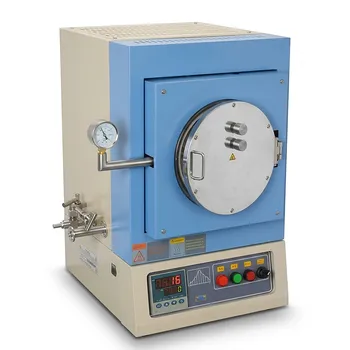
1100°C High Temperature Quartz Chamber Furnace 8 Inch OD with 7.6 Liter Capacity and Vacuum Atmosphere Capability
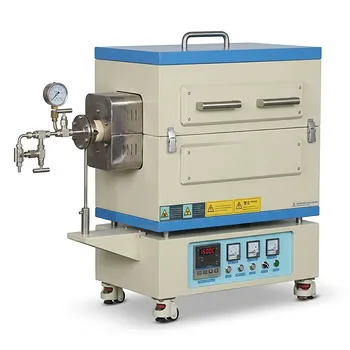
High Temperature Split Tube Furnace 1500C for Material Research Vacuum and Atmosphere Thermal Processing
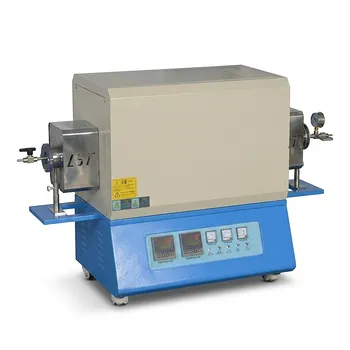
High Temperature Dual Zone Vacuum Tube Furnace for Material Research and CVD Processing
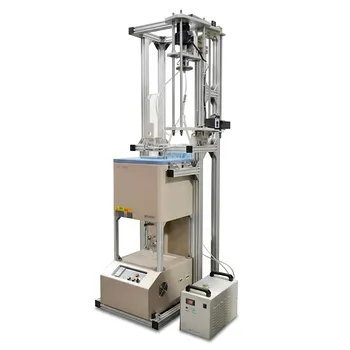
500C Vacuum Vertical Tube Furnace 84mm OD Sample Rotation Lifting System
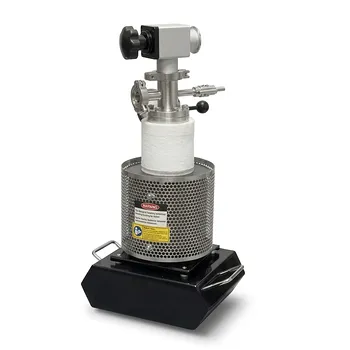
High Temperature 1100C Compact Top Loading Vertical Vacuum Tube Furnace for High Vacuum Noble Metal Melting and Material Research
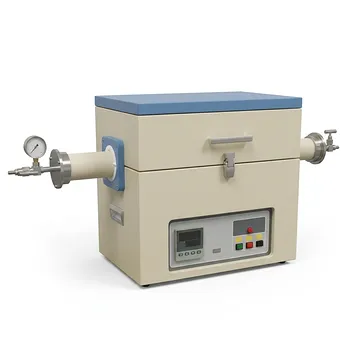
1250C Split Tube Furnace with 3 Inch Mullite Tube and Vacuum Sealing Flanges for Precision Thermal Processing
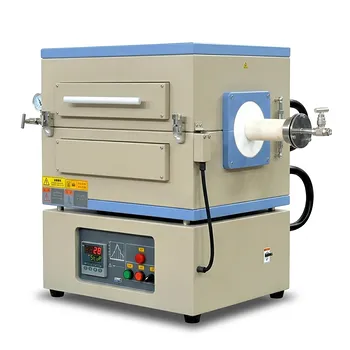
1500°C Split Tube Furnace with Alumina Tube and Vacuum Sealing Flanges for Material Research

High Temperature 1700C Benchtop Tube Furnace with 5 Inch Heating Zone High Purity Alumina Tube and Vacuum Sealing Flanges
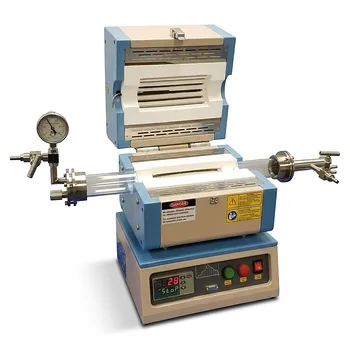
Compact Split Tube Furnace with Integrated Vacuum System and Precision Temperature Calibrator

Vertical 1700C Vacuum and Atmosphere Tube Furnace with 80mm Alumina Tube

1200°C 5 Inch Vertical Quartz Tube Furnace with Stainless Steel Vacuum Flanges