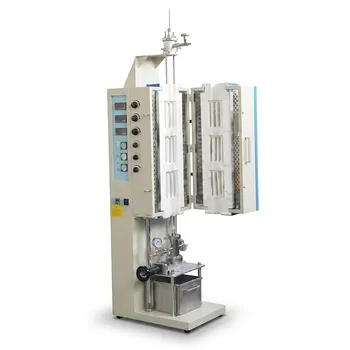
What role does a high-precision tube furnace play in preparing Carbon-doped Black Phosphorus (BP-C)? Expert CVT Guide
Updated 3 months ago
The high-precision tube furnace serves as the foundational thermal reactor required to execute the complex, multi-stage phase transitions necessary for synthesizing Carbon-doped Black Phosphorus (BP-C). By providing a strictly controlled temperature gradient, the furnace enables the chemical reaction and subsequent crystallization of red phosphorus, tin, and iodine within a vacuum environment. This precise thermal management is the primary factor in determining the crystallinity, purity, and structural integrity of the final BP-C bulk material.
Core Takeaway: In the Modified Chemical Vapor Transport (CVT) method, the tube furnace acts as a precision-controlled environment that orchestrates the transition of precursors into a crystalline lattice. Its ability to maintain specific heating and cooling curves is what allows for the successful integration of carbon and the growth of high-quality BP-C crystals.
The Necessity of Multi-Stage Temperature Regulation
Executing the Heating and Holding Phase
The furnace must first ramp up the temperature of the reactants—red phosphorus, tin, and iodine—to 650°C over a duration of 200 minutes. This initial stage is critical for vaporizing the precursors and initiating the chemical reactions required for transport within the vacuum quartz tube.
Managing the Crystallization Descent
After reaching the peak reaction temperature, the furnace undergoes a controlled cooling process to 485°C. This slow, stable reduction in temperature is what facilitates the transition from the vapor phase to a high-crystallinity solid state.
Maintaining Thermal Zone Stability
A high-precision furnace ensures that temperature zones remain uniform throughout the tube. This stability prevents localized thermal fluctuations that could lead to defects in the crystal lattice or incomplete transformation of the red phosphorus.
Facilitating the Doping and Material Transformation
Enhancing Doping Efficiency
While the primary reaction involves phosphorus and transport agents, the furnace environment allows for the integration of carbon atoms into the phosphorus framework. Similar to the thermal doping of other elements like boron or nitrogen, the stable high-temperature environment adjusts the electronic structure of the resulting material.
Promoting High-Crystallinity Growth
The tube furnace provides the physical foundation for controlling the growth rate and crystalline quality of the BP-C. By maintaining precise set-points, the furnace ensures that the resulting bulk materials possess the specific morphology and orientation required for high-performance applications.
Cleaning and Site Preparation
The high-temperature environment also serves to remove residual impurities that might interfere with the crystallization process. This "thermal cleaning" ensures that the carbon surface sites are properly established for uniform deposition and integration.
Understanding the Trade-offs and Technical Challenges
Thermal Inertia and Response Time
High-precision furnaces must balance insulation for stability with the need for responsive temperature changes. If the furnace has too much thermal inertia, it may struggle to follow the 200-minute ramp-up or the specific cooling curves precisely, leading to inconsistent crystal sizes.
Vacuum Integrity and Contamination
The process relies on a vacuum quartz tube placed inside the furnace. Any failure in the furnace's sealing or a lack of uniformity in heating can stress the quartz tube, potentially leading to leaks that introduce oxygen, which would oxidize the phosphorus and ruin the batch.
Energy Consumption vs. Precision
Maintaining extremely stable temperatures over the "extended periods" required for CVT synthesis can be energy-intensive. There is often a trade-off between the cost of operation and the level of precision required to achieve the highest possible crystallinity.
How to Optimize Your Synthesis Results
To achieve the best results when using a tube furnace for BP-C preparation, consider your primary objective:
- If your primary focus is Maximum Crystallinity: Prioritize a furnace with high-end PID controllers and multiple heating zones to ensure the slowest, most uniform cooling from 650°C to 485°C.
- If your primary focus is Doping Uniformity: Ensure the furnace provides a wide "constant temperature zone" so that the precursors and carbon source experience identical thermal conditions throughout the transport process.
- If your primary focus is Throughput and Efficiency: Look for systems with rapid cooling capabilities (like gas-assisted cooling) that can safely descend to the holding temperature without overshooting.
The success of Carbon-doped Black Phosphorus synthesis is ultimately defined by the furnace's ability to transform raw chemical reactions into a structured, high-precision crystalline growth environment.
Summary Table:
| Stage of Synthesis | Temperature Parameter | Primary Objective |
|---|---|---|
| Heating & Holding | 650°C (200 mins) | Vaporize precursors (P, Sn, I) and initiate reaction |
| Crystallization | Controlled descent to 485°C | Facilitate phase transition to high-crystallinity solid |
| Thermal Stability | Uniform Zone Maintenance | Prevent lattice defects and ensure doping uniformity |
| Vacuum Integrity | High-Temp Sealing | Prevent oxidation and maintain high purity of BP-C |
Elevate Your Material Research with THERMUNITS
Achieve uncompromising precision in your synthesis processes with THERMUNITS, a leading manufacturer of high-temperature laboratory equipment for material science and industrial R&D. Whether you are performing Modified CVT for Carbon-doped Black Phosphorus or exploring complex phase transitions, our equipment is designed for maximum thermal stability.
Our comprehensive range includes:
- Tube Furnaces & CVD/PECVD Systems for precise vapor transport and deposition.
- Muffle, Vacuum, and Atmosphere Furnaces for diverse heat treatments.
- Rotary, Hot Press, and Vacuum Induction Melting (VIM) Furnaces for industrial-scale R&D.
- Dental Furnaces and Thermal Elements tailored for specialized lab needs.
Don't let thermal fluctuations compromise your crystal purity. Contact our experts today to find the perfect thermal processing solution for your laboratory!
References
- Liyan Dong, Pan Wang. Highly Promising 2D/1D BP‐C/CNT Bionic Opto‐Olfactory Co‐Sensory Artificial Synapses for Multisensory Integration. DOI: 10.1002/advs.202403665
Mentioned Products
- High Temperature 1700C Benchtop Tube Furnace with 5 Inch Heating Zone High Purity Alumina Tube and Vacuum Sealing Flanges
- Compact High Temperature 1600C Tube Furnace with 50mm Alumina Tube and Vacuum Flanges for Material Sintering
- High Temperature 1700C Vertical Tube Furnace for Powder Spherification and Material Sintering
- 1200C High Throughput Multi Channel Tube Furnace with 50mm Quartz Tubes for Annealing and Material Phase Diagram Research
- High Temperature Tube Furnace 1500C with Sliding Flanges and 50mm OD for Rapid Thermal Processing Fast Heating and Cooling
People Also Ask
- How are high-temperature tube furnaces utilized to repair etching damage? Precision Lattice Restoration Solutions
- What is the function of a high-temperature tube furnace in the synthesis of g-C3N4? Optimize Thermal Polycondensation
- What impact does the heating rate of a tube furnace have on biochar microstructure? Optimize Your Material R&D.
- What is the role of a high-temperature tube furnace in the calcination process of ZnO/In2O3 nanocomposites?
- Conditions for nZVI Synthesis in Tube Furnaces? Learn to Optimize Thermal and Atmospheric Control for High Purity.

Tech Team · ThermUnits
Last updated on Jun 02, 2026
Related Products

High Temperature 1700C Benchtop Tube Furnace with 5 Inch Heating Zone High Purity Alumina Tube and Vacuum Sealing Flanges

Compact High Temperature 1600C Tube Furnace with 50mm Alumina Tube and Vacuum Flanges for Material Sintering

High Temperature 1700C Vertical Tube Furnace for Powder Spherification and Material Sintering
1200C High Throughput Multi Channel Tube Furnace with 50mm Quartz Tubes for Annealing and Material Phase Diagram Research
High Temperature Tube Furnace 1500C with Sliding Flanges and 50mm OD for Rapid Thermal Processing Fast Heating and Cooling

High Temperature Automated 5 Inch Tube Furnace for Autonomous Material Research and Advanced Laboratory R&D
High Temperature Compact Vacuum Tube Furnace 1750C Max 60mm OD Alumina Tube
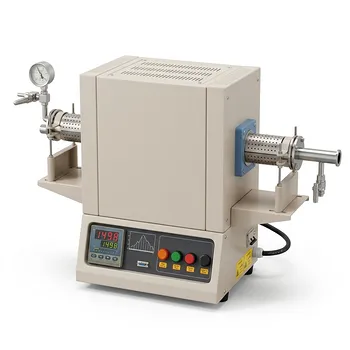
1500C High Temperature Compact Tube Furnace 2 Inch OD with Vacuum Flanges and Complete Accessories
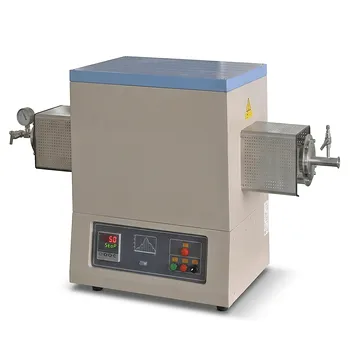
High Temperature 1700C Tube Furnace with 4 Inch OD Alumina Tube and Vacuum Sealing Flanges
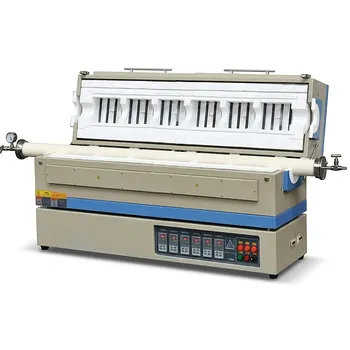
High Temperature 1700C Six Zone Split Tube Furnace with Alumina Tube and Water Cooled Flanges

High Temperature 1700C Tube Furnace with High Vacuum Turbomolecular Pump System and Multi Channel Mass Flow Controller Gas Mixer

1800C High Temperature Compact Vacuum Tube Furnace with 60mm OD Alumina Tube and Kanthal MoSi2 Heating Elements
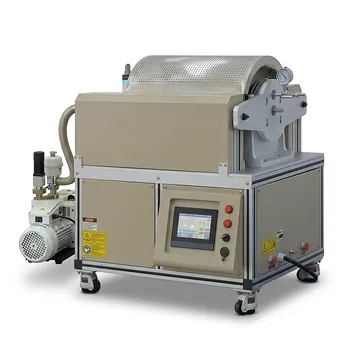
Automated 1200 C Tube Furnace for AI Material Research with 6 Inch OD and Sliding Flange
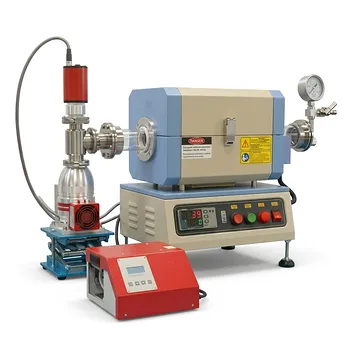
High Vacuum Compact Tube Furnace 1200C with Integrated Turbo Pump System and 8 Inch Heating Zone
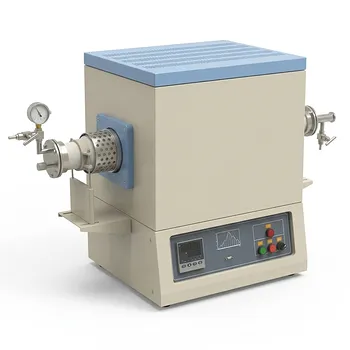
1750°C High Temperature Benchtop Vacuum Atmosphere Tube Furnace with Kanthal Super 1800 Heating Elements and 60mm Alumina Processing Tube
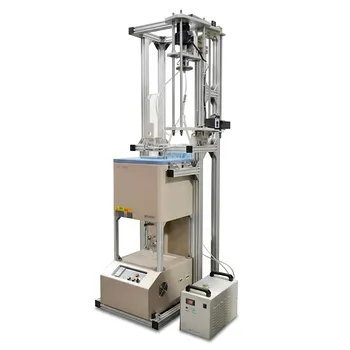
500C Vacuum Vertical Tube Furnace 84mm OD Sample Rotation Lifting System
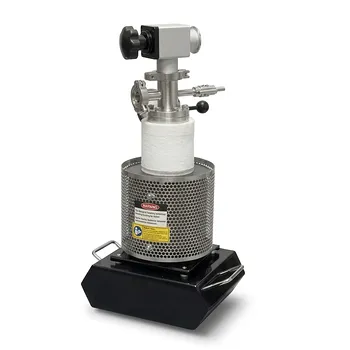
High Temperature 1100C Compact Top Loading Vertical Vacuum Tube Furnace for High Vacuum Noble Metal Melting and Material Research
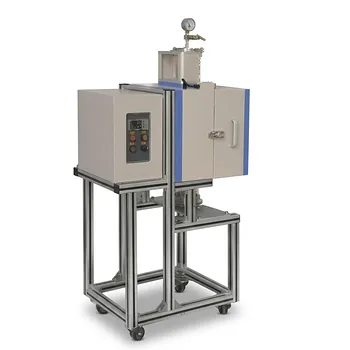
1200°C 5 Inch Vertical Quartz Tube Furnace with Stainless Steel Vacuum Flanges
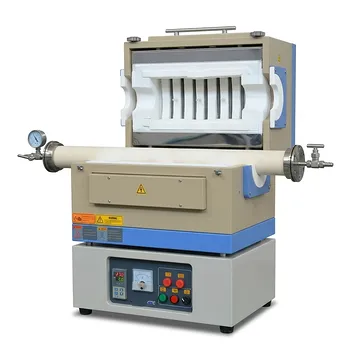
High Temperature 1600C Split Tube Furnace Vacuum Flanges Valves Optional 60mm 80mm Alumina Tube