What role does a high-temperature atmosphere tube furnace play in the formation of nitrogen-doped catalysts? Expert Guide
Updated 3 months ago
A high-temperature atmosphere tube furnace is the fundamental engine for chemical transformation in catalyst synthesis. It provides the controlled, oxygen-free environment necessary to simultaneously carbonize organic precursors and reduce metal components into active catalytic sites. By precisely regulating temperature and gas composition, the furnace dictates the final material's pore structure, nitrogen doping levels, and metal dispersion.
The high-temperature atmosphere tube furnace enables the precise synthesis of nitrogen-doped carbon-supported catalysts by providing a stable, anaerobic environment for simultaneous pyrolysis, nitrogen integration, and metal reduction. It is the critical tool for transforming precursors into high-performance, stable, and conductive heterogenous catalysts.
Facilitating Precise Material Transformation
Simultaneous Carbonization and Nitrogen Doping
The furnace maintains extreme temperatures—typically between 600°C and 1100°C—that drive the pyrolysis of polymers or metal-organic frameworks (MOFs). In this anaerobic space, organic precursors like melamine or ZIF-8 evolve into nitrogen-doped carbon (NC) layers or graphene structures. This process ensures that nitrogen atoms are successfully integrated into the carbon lattice, forming critical functional groups like quaternary nitrogen.
Controlled Reduction and Metal Anchoring
Under specialized atmospheres such as H2/Ar or N2:NH3, the furnace facilitates the reduction of metal nitrates or precursors into nanoparticles, alloys, or single-atom sites. This environment prevents unwanted oxidation while ensuring the stable anchoring of metal atoms onto the nitrogen-doped support. The precise thermal control allows for in-situ encapsulation, where carbon layers wrap around metal clusters to prevent them from leaching during use.
Establishing Structural Integrity and Conductivity
High-temperature processing promotes graphitization, which significantly enhances the electrical conductivity of the carbon support. This stage is also responsible for the removal of volatile components, leaving behind the hierarchical pore structures necessary for efficient mass transport in catalytic reactions. The furnace’s ability to maintain a strict inert atmosphere (Ar or N2) prevents the material from combusting, ensuring both high yields and chemical stability.
Understanding the Trade-offs
Temperature vs. Metal Dispersion
While higher temperatures (above 900°C) improve graphitization and conductivity, they also increase the risk of metal sintering. Excessive heat can cause finely dispersed nanoparticles to migrate and agglomerate, significantly reducing the catalyst's active surface area.
Atmosphere Selection and Surface Etching
Using reactive gases like NH3 can increase nitrogen doping levels, but these gases can also etch the carbon framework. This may lead to an unintended loss of mass or a collapse of the delicate porous structure developed during the initial stages of carbonization.
Balancing Porosity and Density
Longer dwell times in the furnace generally lead to more "clean" carbon structures by removing impurities, but they can also cause pore shrinkage. Finding the "sweet spot" between deep pyrolysis and maintaining a high specific surface area is a primary challenge in thermal processing.
How to Apply This to Your Project
When utilizing a high-temperature tube furnace for catalyst synthesis, your operational parameters must align with your specific performance requirements:
- If your primary focus is high electrical conductivity: Target higher temperatures (1000°C - 1100°C) to maximize the graphitization of the carbon framework.
- If your primary focus is single-atom dispersion: Utilize a steady, inert Argon flow at moderate temperatures (around 900°C) to prevent metal atoms from clustering.
- If your primary focus is high nitrogen content: Incorporate a nitrogen-rich atmosphere like NH3 and use lower carbonization temperatures (600°C - 800°C) to prevent nitrogen loss.
- If your primary focus is preventing metal leaching: Use a furnace program that facilitates in-situ encapsulation by carbonizing the organic source simultaneously with metal reduction.
Mastering the thermal and atmospheric environment within the tube furnace is the single most important factor in transitioning from raw precursors to a highly active, stable catalyst.
Summary Table:
| Process Step | Furnace Function | Key Catalyst Outcome |
|---|---|---|
| Carbonization | Pyrolysis at 600°C–1100°C | Formation of nitrogen-doped carbon (NC) layers |
| Metal Reduction | Controlled H2/Ar or N2:NH3 atmosphere | Reduction of metal precursors into active sites |
| Graphitization | High-temp thermal processing | Enhanced electrical conductivity & structural integrity |
| Pore Engineering | Volatile component removal | Development of hierarchical pore structures |
Elevate Your Catalyst Synthesis with THERMUNITS
Precision is the difference between a successful catalyst and a failed experiment. At THERMUNITS, we understand the critical role that thermal environments play in material science and industrial R&D. Our high-performance Atmosphere Tube Furnaces provide the stable anaerobic conditions and precise temperature control required for nitrogen doping, metal anchoring, and graphitization.
Whether you are working on CVD/PECVD systems, dental applications, or large-scale industrial heat treatments, our comprehensive range including Vacuum, Tube, Rotary, and Hot Press furnaces is engineered for excellence.
Ready to optimize your thermal processing? Contact our experts today to find the ideal furnace solution for your specific material research needs.
References
- Liyun Cao, Liangliang Feng. Electronic-Structure-Modulated Cu,Co-Coanchored N-Doped Nanocarbon as a Difunctional Electrocatalyst for Hydrogen Evolution and Oxygen Reduction Reactions. DOI: 10.3390/molecules29132973
Mentioned Products
- 1750°C High Temperature Benchtop Vacuum Atmosphere Tube Furnace with Kanthal Super 1800 Heating Elements and 60mm Alumina Processing Tube
- 1700C High Temperature Alumina Tube Furnace with 18 Inch Heated Zone and Vacuum Sealing Flanges
- High Temperature 1200C Split Tube Furnace for CVD Research and Vacuum Atmosphere Heat Treatment
- High Temperature Split Tube Furnace 1500C for Material Research Vacuum and Atmosphere Thermal Processing
- High Temperature Vertical Atmosphere Controlled Furnace with Automatic Bottom Loading and 1700°C Capacity for Advanced Material Research
People Also Ask
- What core functions does a high-temperature vacuum tube furnace provide? Optimize np-CuSn Sintering & Joint Integrity
- What is the role of a high-temperature tube furnace in the calcination process of ZnO/In2O3 nanocomposites?
- What role does a high-temperature tube furnace play in the sulfidation heat treatment of CoS@C/MXene nanocomposites? Guide
- Why is a high-temperature tube furnace required for CuAlO2 heat treatment? Master Phase Transformation Today
- What role does a high-temperature tube furnace play in executing nitrogen absorption kinetic experiments? Expert Insights

Tech Team · ThermUnits
Last updated on Jun 02, 2026
Related Products
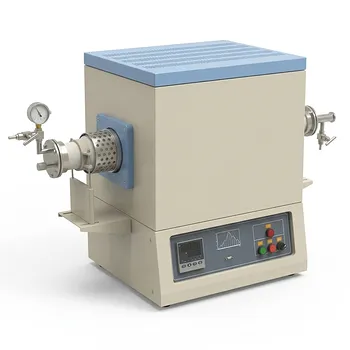
1750°C High Temperature Benchtop Vacuum Atmosphere Tube Furnace with Kanthal Super 1800 Heating Elements and 60mm Alumina Processing Tube
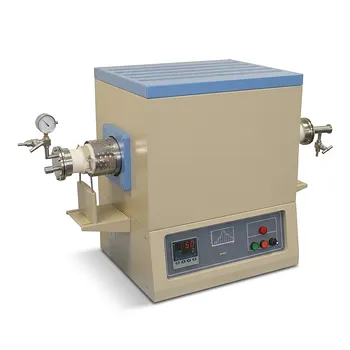
1700C High Temperature Alumina Tube Furnace with 18 Inch Heated Zone and Vacuum Sealing Flanges
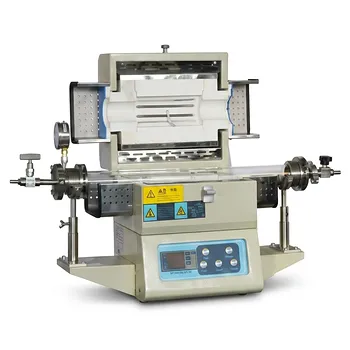
High Temperature 1200C Split Tube Furnace for CVD Research and Vacuum Atmosphere Heat Treatment
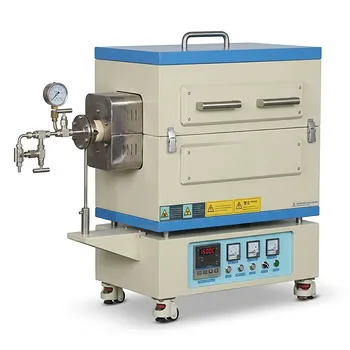
High Temperature Split Tube Furnace 1500C for Material Research Vacuum and Atmosphere Thermal Processing
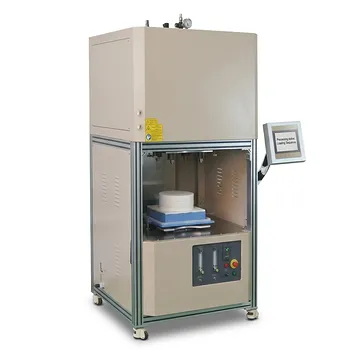
High Temperature Vertical Atmosphere Controlled Furnace with Automatic Bottom Loading and 1700°C Capacity for Advanced Material Research
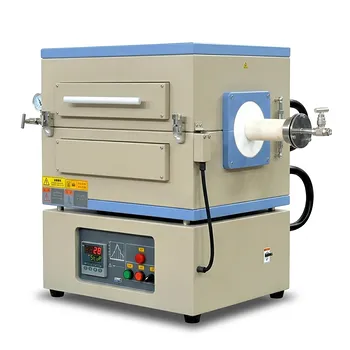
1500°C Split Tube Furnace with Alumina Tube and Vacuum Sealing Flanges for Material Research
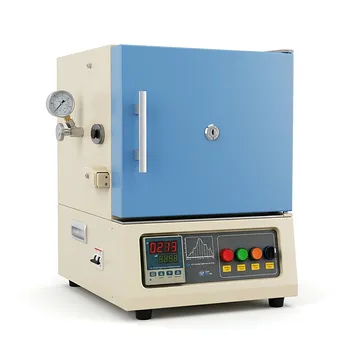
1200C Hybrid Muffle and Tube Furnace for Material Research with Dual Atmosphere Control Quartz Tubes

Vertical 1700C Vacuum and Atmosphere Tube Furnace with 80mm Alumina Tube
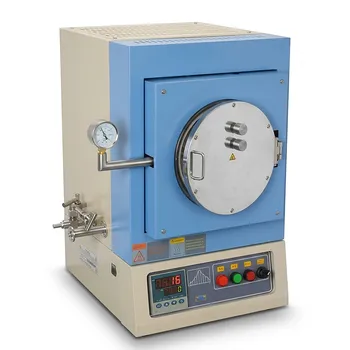
1100°C High Temperature Quartz Chamber Furnace 8 Inch OD with 7.6 Liter Capacity and Vacuum Atmosphere Capability
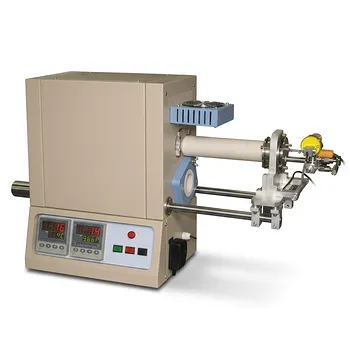
High Temperature Tube Furnace 1500C with Sliding Flanges and 50mm OD for Rapid Thermal Processing Fast Heating and Cooling

High Temperature 1700C Tube Furnace with High Vacuum Turbomolecular Pump System and Multi Channel Mass Flow Controller Gas Mixer

High Temperature 1700C Vertical Tube Furnace for Powder Spherification and Material Sintering

Compact High Temperature 1600C Tube Furnace with 50mm Alumina Tube and Vacuum Flanges for Material Sintering

High Temperature 1700C Benchtop Tube Furnace with 5 Inch Heating Zone High Purity Alumina Tube and Vacuum Sealing Flanges
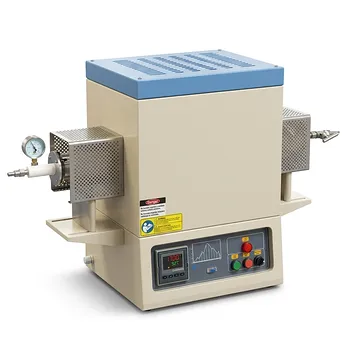
High Temperature Three Zone Tube Furnace 1700C with Alumina Tube and Water Cooled Flanges

High Temperature 1700C Six Zone Split Tube Furnace with Alumina Tube and Water Cooled Flanges
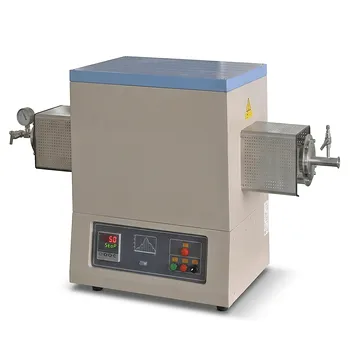
High Temperature 1700C Tube Furnace with 4 Inch OD Alumina Tube and Vacuum Sealing Flanges

High Temperature Automated 5 Inch Tube Furnace for Autonomous Material Research and Advanced Laboratory R&D
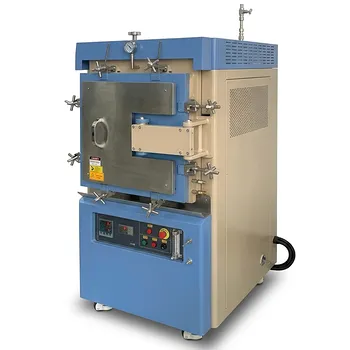
Atmosphere Controlled Muffle Furnace 1700C Maximum Temperature 80L High Capacity Vacuum Inert Gas Box Furnace
