What role does a tube furnace play in bamboo-based heterostructure synthesis? Unlocking Advanced Material Performance
Updated 3 months ago
The high-temperature atmosphere tube furnace is the fundamental reactor for transforming raw bamboo into advanced functional heterostructures. It facilitates the simultaneous carbonization of the bamboo framework and the in-situ pyrolysis of metal salts under a strictly controlled inert atmosphere. By precisely regulating heating rates and gas environments, the furnace enables the growth of specialized nanoparticles—such as cobalt and cobalt oxide—onto the carbon matrix to create high-performance interfaces.
The tube furnace acts as a precision-controlled environment that synchronizes structural carbonization with chemical phase transformation. It ensures the creation of stable heterojunctions while preventing unwanted oxidation, ultimately determining the material's final electromagnetic and catalytic properties.
Driving Simultaneous Structural and Chemical Evolution
Carbonization of the Bamboo Matrix
The furnace provides the high-temperature environment (typically around 1000 °C) required to convert the organic bamboo framework into a conductive carbon structure. This thermal process removes volatile organic components while preserving the complex, hierarchical morphology of the natural bamboo.
In-Situ Pyrolysis of Metal Precursors
Within the same thermal cycle, the furnace triggers the in-situ pyrolysis of impregnated precursors, such as cobalt salts. This results in the uniform growth of cobalt (Co) and cobalt oxide (CoO) nanoparticles directly onto the emerging carbon framework, ensuring a tight bond between the two phases.
Formation of Functional Heterostructures
By facilitating these simultaneous reactions, the furnace creates heterojunction interfaces. These interfaces are critical for inducing strong magneto-electric coupling effects, which are essential for enhancing interfacial polarization loss in applications like electromagnetic wave absorption.
The Necessity of a Controlled Atmosphere
Preventing Unwanted Oxidation and Hydrolysis
By maintaining a constant flow of high-purity inert gases like nitrogen (N2) or argon (Ar), the furnace effectively isolates the materials from oxygen and moisture. This isolation is critical to ensure that the metal nanoparticles and the carbon matrix do not degrade or oxidize unintentionally during high-temperature cycles.
Tuning Chemical Stoichiometry
Precise control over the gas environment allows researchers to induce specific chemical transformations, such as reductive nitridation or the creation of oxygen vacancies. Using specific gas mixtures (like H2/N2 or ammonia) ensures that precursors undergo transformation under set physical and chemical conditions to produce specific crystal structures.
Ensuring Phase Purity
The stability of the gas flow within the furnace chamber determines the phase purity of the synthesized material. A stable atmosphere ensures that the final product meets exact research requirements without the interference of secondary, unwanted chemical phases.
Precision Engineering and Repeatability
Multi-Stage Programmable Temperature Control
Modern tube furnaces feature multi-stage programming, allowing for highly specific heating rates, holding times, and cooling curves. This precision is essential for controlling the size of the resulting nanoparticles and the overall morphology of the bamboo-based composite.
High Temperature Field Uniformity
Consistency across the heating zone ensures that the entire bamboo sample undergoes uniform transformation. Without high field uniformity, different sections of the material would exhibit varying degrees of carbonization and nanoparticle density, leading to inconsistent performance.
Understanding the Trade-offs
Airflow Dynamics and Gradient Effects
The velocity and distribution of gas flow can create slight chemical gradients along the length of the furnace tube. If the airflow is not optimized, materials placed at different positions in the tube may exhibit variations in phase purity or nanoparticle size.
Thermal Lag vs. Ramp Rates
While high-precision furnaces offer rapid heating, the actual temperature of the material may lag behind the programmed sensor temperature. Extremely fast ramp rates can also cause thermal stress within the bamboo framework, potentially leading to structural micro-cracks that weaken the final heterostructure.
How to Apply This to Your Material Synthesis
- If your primary focus is maximum conductivity: Prioritize higher carbonization temperatures (above 1000 °C) and strict inert gas purity to ensure a well-graphitized, defect-free carbon framework.
- If your primary focus is enhanced electromagnetic absorption: Focus on optimizing the cooling rate and gas flow to maximize the density of heterojunction interfaces and promote interfacial polarization.
- If your primary focus is phase purity of nanoparticles: Use a multi-stage heating profile with a long holding time at the target pyrolysis temperature to ensure complete chemical conversion of the precursors.
By mastering the interplay between temperature curves and atmosphere chemistry, you can precisely tune the functional properties of bamboo-based heterostructures for specific technical applications.
Summary Table:
| Process Phase | Furnace Function | Key Outcome |
|---|---|---|
| Carbonization | High-temp organic removal (~1000°C) | Conductive carbon framework |
| In-situ Pyrolysis | Synchronized precursor transformation | Uniform nanoparticle growth (Co/CoO) |
| Atmosphere Control | Inert gas shielding (N2/Ar) | Prevention of oxidation & phase purity |
| Thermal Programming | Precise ramp & cooling rates | Controlled morphology & heterojunctions |
Elevate Your Material Research with THERMUNITS Precision
Are you looking to achieve superior results in your heterostructure synthesis? THERMUNITS is a leading manufacturer of high-temperature laboratory equipment dedicated to material science and industrial R&D. We offer a comprehensive suite of thermal processing solutions designed to meet the most rigorous research standards.
Our expertise covers a wide range of advanced equipment, including:
- Atmosphere & Tube Furnaces: Perfect for controlled carbonization and chemical vapor deposition.
- Advanced Systems: CVD/PECVD systems, Vacuum Induction Melting (VIM) furnaces, and Hot Press furnaces.
- Specialized Equipment: Muffle, Vacuum, Rotary, and Dental furnaces, along with high-quality Thermal Elements.
Whether you are developing next-generation electromagnetic absorbers or advanced catalysts, our equipment provides the temperature uniformity and atmosphere integrity your work demands.
Ready to optimize your heat treatment process? Contact our technical team today to find the perfect furnace for your lab!
References
- He Han, Zhichao Lou. Bamboo-Based Carbon/Co/CoO Heterojunction Structures Based on a Multi-Layer Periodic Matrix Array Can Be Used for Efficient Electromagnetic Attenuation. DOI: 10.3390/ma17215239
Mentioned Products
- 1750°C High Temperature Benchtop Vacuum Atmosphere Tube Furnace with Kanthal Super 1800 Heating Elements and 60mm Alumina Processing Tube
- 1700C High Temperature Alumina Tube Furnace with 18 Inch Heated Zone and Vacuum Sealing Flanges
- High Temperature 1200C Split Tube Furnace for CVD Research and Vacuum Atmosphere Heat Treatment
- High Temperature Split Tube Furnace 1500C for Material Research Vacuum and Atmosphere Thermal Processing
- High Temperature Vertical Atmosphere Controlled Furnace with Automatic Bottom Loading and 1700°C Capacity for Advanced Material Research
People Also Ask
- What core functions does a high-temperature vacuum tube furnace provide? Optimize np-CuSn Sintering & Joint Integrity
- What is the role of a high-temperature tube furnace in the calcination process of ZnO/In2O3 nanocomposites?
- What role does a high-temperature tube furnace play in the sulfidation heat treatment of CoS@C/MXene nanocomposites? Guide
- Why is a high-temperature tube furnace required for CuAlO2 heat treatment? Master Phase Transformation Today
- What role does a high-temperature tube furnace play in executing nitrogen absorption kinetic experiments? Expert Insights

Tech Team · ThermUnits
Last updated on Jun 03, 2026
Related Products
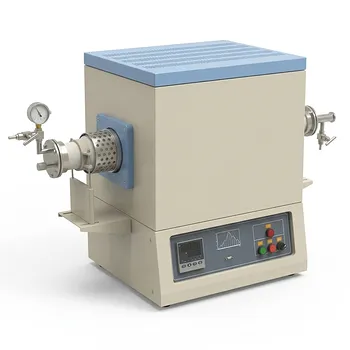
1750°C High Temperature Benchtop Vacuum Atmosphere Tube Furnace with Kanthal Super 1800 Heating Elements and 60mm Alumina Processing Tube
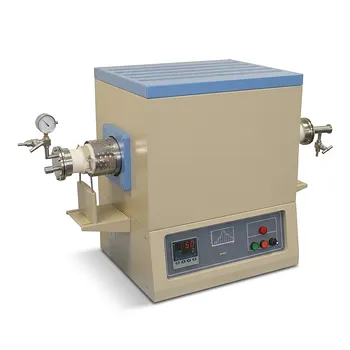
1700C High Temperature Alumina Tube Furnace with 18 Inch Heated Zone and Vacuum Sealing Flanges
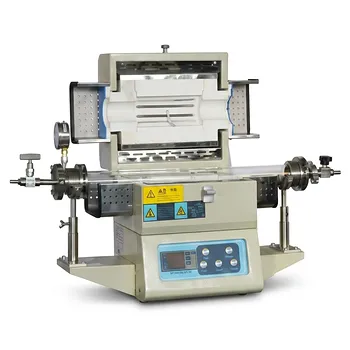
High Temperature 1200C Split Tube Furnace for CVD Research and Vacuum Atmosphere Heat Treatment
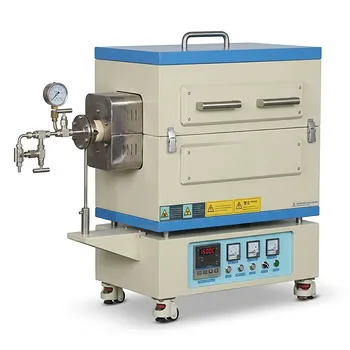
High Temperature Split Tube Furnace 1500C for Material Research Vacuum and Atmosphere Thermal Processing
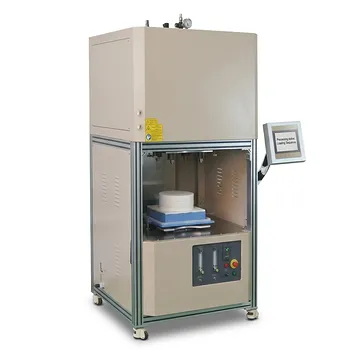
High Temperature Vertical Atmosphere Controlled Furnace with Automatic Bottom Loading and 1700°C Capacity for Advanced Material Research
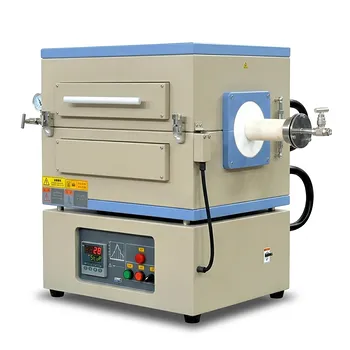
1500°C Split Tube Furnace with Alumina Tube and Vacuum Sealing Flanges for Material Research
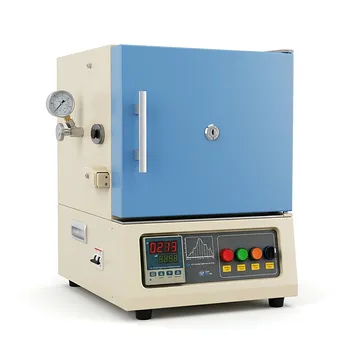
1200C Hybrid Muffle and Tube Furnace for Material Research with Dual Atmosphere Control Quartz Tubes

Vertical 1700C Vacuum and Atmosphere Tube Furnace with 80mm Alumina Tube
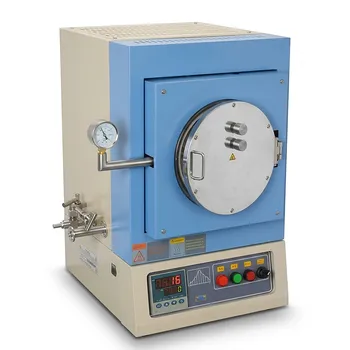
1100°C High Temperature Quartz Chamber Furnace 8 Inch OD with 7.6 Liter Capacity and Vacuum Atmosphere Capability
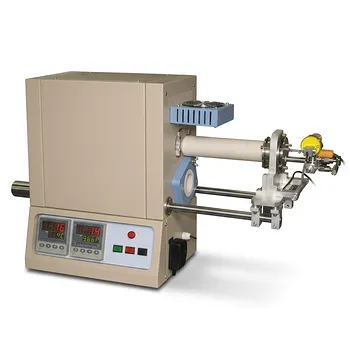
High Temperature Tube Furnace 1500C with Sliding Flanges and 50mm OD for Rapid Thermal Processing Fast Heating and Cooling

High Temperature 1700C Tube Furnace with High Vacuum Turbomolecular Pump System and Multi Channel Mass Flow Controller Gas Mixer

High Temperature 1700C Vertical Tube Furnace for Powder Spherification and Material Sintering

Compact High Temperature 1600C Tube Furnace with 50mm Alumina Tube and Vacuum Flanges for Material Sintering
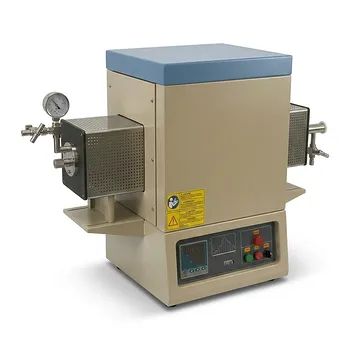
High Temperature 1700C Benchtop Tube Furnace with 5 Inch Heating Zone High Purity Alumina Tube and Vacuum Sealing Flanges
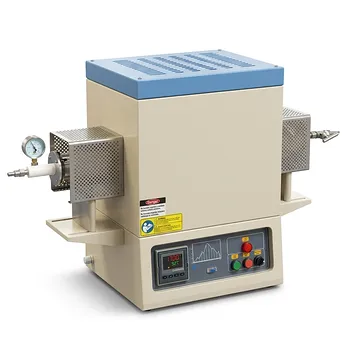
High Temperature Three Zone Tube Furnace 1700C with Alumina Tube and Water Cooled Flanges
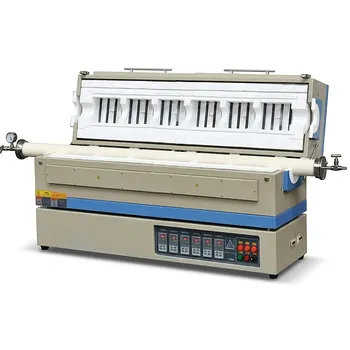
High Temperature 1700C Six Zone Split Tube Furnace with Alumina Tube and Water Cooled Flanges
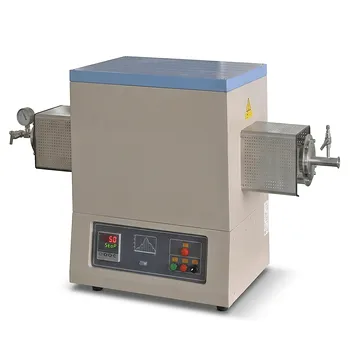
High Temperature 1700C Tube Furnace with 4 Inch OD Alumina Tube and Vacuum Sealing Flanges

High Temperature Automated 5 Inch Tube Furnace for Autonomous Material Research and Advanced Laboratory R&D
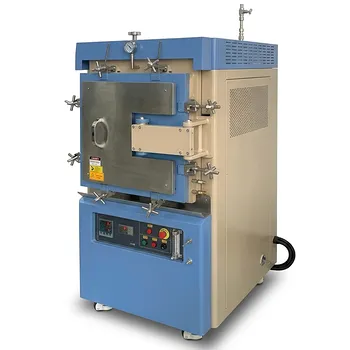
Atmosphere Controlled Muffle Furnace 1700C Maximum Temperature 80L High Capacity Vacuum Inert Gas Box Furnace
