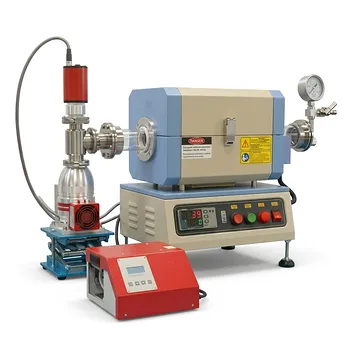
What role does a high-temperature tube furnace play in the pyrolysis of MLPB? Key for Precision Biochar Synthesis
Updated 5 months ago
The high-temperature tube furnace serves as the foundational reactor for the dual-phase synthesis of Magnetic Lemon Peel Biochar (MLPB). It provides the precise thermochemical environment required to simultaneously carbonize raw biomass into a porous carbon skeleton and chemically transform impregnated iron salts into magnetic crystalline phases like magnetite and hematite.
Core Takeaway: The tube furnace is a precision instrument that facilitates multi-phase synthesis. It ensures the transition from organic waste to a functional magnetic adsorbent by strictly controlling temperature, atmosphere, and heating rates to prevent combustion and optimize pore development.
Catalyzing Simultaneous Carbonization and Magnetization
Engineering the Carbon Skeleton
At a target temperature of 600 °C, the tube furnace drives the thermochemical degradation of hemicellulose, cellulose, and lignin. This process removes volatile components, leaving behind a stable, high-fixed-carbon structure with a developed network of micropores and mesopores.
In-Situ Formation of Magnetic Phases
The furnace provides the thermal energy necessary to convert absorbed iron salts into magnetic iron oxides, such as magnetite (Fe3O4) and hematite (alpha-Fe2O3). This in-situ generation ensures that the magnetic particles are deeply integrated into the carbon matrix, granting the final biochar its magnetic response intensity.
The Importance of Heating Kinetics
Precise control of the heating rate, specifically at 10 °C/min, is critical for the architectural integrity of the biochar. This controlled ramp-up prevents structural collapse and ensures the formation of the desired magnetic crystalline phases and surface functional groups.
Maintaining a Controlled Reaction Environment
Prevention of Direct Combustion
The tube furnace creates an oxygen-limited or anaerobic environment, typically by introducing high-purity nitrogen (N2). This ensures that the lemon peel undergoes pyrolysis rather than combustion, preserving the carbon content instead of reducing the biomass to ash.
Uniform Thermal Distribution
Unlike standard heating elements, a tube furnace ensures uniform heating of the biomass within the reaction zone. This consistency is vital for maintaining a stable product quality and ensuring that the entire batch of MLPB possesses uniform magnetic and adsorptive properties.
Regulation of Chemical Activation
The furnace works in tandem with chemical activators to trigger the formation of functional groups on the biochar surface. By maintaining constant residence times and temperatures, the equipment directly determines the final specific surface area and the effectiveness of the biochar in environmental applications.
Understanding the Trade-offs and Pitfalls
Sensitivity to Heating Rates
If the heating rate is too aggressive, the rapid release of volatiles can rupture the pore walls, leading to a lower specific surface area. Conversely, an excessively slow rate may lead to lower throughput and unnecessary energy consumption without significant gains in quality.
Atmosphere Integrity Risks
The presence of even trace amounts of oxygen due to a poor seal can lead to partial oxidation of the carbon. This not only reduces the yield of the solid biochar but can also alter the chemical state of the iron oxides, potentially reducing the material's magnetic susceptibility.
Sintering at Excessive Temperatures
While higher temperatures can increase carbonization, exceeding the optimal range (e.g., going significantly above 600-700 °C) may cause sintering. This process leads to the collapse of pores and the aggregation of magnetic nanoparticles, which diminishes the biochar's performance.
Applying This to Your Material Synthesis
To achieve the highest quality Magnetic Lemon Peel Biochar, you must align your furnace parameters with your specific performance goals:
- If your primary focus is Maximum Surface Area: Utilize a moderate heating rate (10 °C/min) and ensure a rigorous nitrogen purge to maintain a strictly anaerobic environment that protects delicate pore structures.
- If your primary focus is High Magnetic Recovery: Focus on the precise 600 °C threshold to ensure the complete conversion of iron salts into magnetite and hematite phases without over-calcining the material.
- If your primary focus is Functional Group Density: Opt for lower pyrolysis temperatures (near 400-500 °C) to prevent the total degradation of surface oxygen-containing groups while still achieving sufficient carbonization.
Successful MLPB synthesis depends entirely on utilizing the tube furnace as a controlled chemical reactor rather than a simple heat source.
Summary Table:
| Parameter | Function in MLPB Synthesis | Critical Target/Requirement |
|---|---|---|
| Temperature Control | Drives carbonization and iron salt conversion | ~600 °C for optimal phase formation |
| Atmosphere Management | Maintains anaerobic environment to prevent combustion | High-purity Nitrogen (N2) purge |
| Heating Kinetics | Prevents structural collapse of the carbon skeleton | Precise 10 °C/min ramp rate |
| Thermal Uniformity | Ensures consistent magnetic and adsorptive properties | Uniform reaction zone heating |
| Chemical Activation | Regulates surface functional group development | Precise residence time control |
Scale Your Biochar Production with THERMUNITS Precision Furnaces
From material science R&D to industrial applications, THERMUNITS provides the advanced thermal technology required for complex syntheses like Magnetic Lemon Peel Biochar. As a leading manufacturer of high-temperature laboratory equipment, we offer a comprehensive range of solutions including Tube, Atmosphere, Vacuum, and Rotary furnaces designed to deliver the uniform heating and precise atmosphere control your research demands.
Whether you need specialized CVD/PECVD systems, Hot Press furnaces, or Vacuum Induction Melting (VIM), our equipment ensures superior results and repeatable performance. Enhance your lab's efficiency and achieve high-purity material outcomes with our expert engineering.
Contact THERMUNITS Today to Optimize Your Heat Treatment Process
References
- Samah Daffalla, Mohamed R. El‐Aassar. Synthesis of a Novel Magnetic Biochar from Lemon Peels via Impregnation-Pyrolysis for the Removal of Methyl Orange from Wastewater. DOI: 10.3390/magnetochemistry10120095
Mentioned Products
- High Temperature Tube Furnace 1500C with Sliding Flanges and 50mm OD for Rapid Thermal Processing Fast Heating and Cooling
- High Temperature 1700C Vertical Tube Furnace for Powder Spherification and Material Sintering
- High Magnetic Field Compatible Tube Furnace for 1100C Material Research with Controlled Atmosphere and Water Cooled Non Magnetic Case
- Compact High Temperature 1600C Tube Furnace with 50mm Alumina Tube and Vacuum Flanges for Material Sintering
- High Temperature 1200C Split Tube Furnace with Optional Quartz Tube Sizes and Vacuum Sealing Flanges for Material Science Research
People Also Ask
- How are high-temperature tube furnaces utilized to repair etching damage? Precision Lattice Restoration Solutions
- What role does a high-temperature tube furnace play in CVD synthesis of silicon nanowires? Master VLS Growth Precision.
- What core conditions does a high-temperature tube furnace provide for rGO aerogels? Mastering Precision Synthesis.
- What role does a high-temperature tube furnace play in the sulfidation heat treatment of CoS@C/MXene nanocomposites? Guide
- How does precision tube furnace control influence CoFe nanoparticle formation? Master Your Bimetallic Synthesis.

Tech Team · ThermUnits
Last updated on Apr 14, 2026
Related Products

High Temperature Tube Furnace 1500C with Sliding Flanges and 50mm OD for Rapid Thermal Processing Fast Heating and Cooling

High Temperature 1700C Vertical Tube Furnace for Powder Spherification and Material Sintering
High Magnetic Field Compatible Tube Furnace for 1100C Material Research with Controlled Atmosphere and Water Cooled Non Magnetic Case

Compact High Temperature 1600C Tube Furnace with 50mm Alumina Tube and Vacuum Flanges for Material Sintering
High Temperature 1200C Split Tube Furnace with Optional Quartz Tube Sizes and Vacuum Sealing Flanges for Material Science Research
High Temperature Split Tube Furnace 1500C for Material Research Vacuum and Atmosphere Thermal Processing
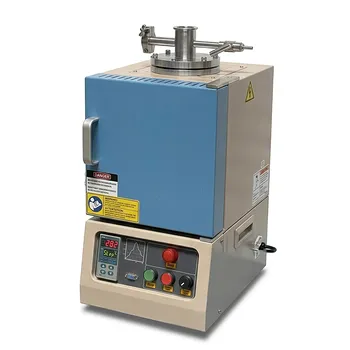
High Temperature Hybrid Muffle and Tube Furnace with Vacuum Capability and PID Control

1750°C High Temperature Benchtop Vacuum Atmosphere Tube Furnace with Kanthal Super 1800 Heating Elements and 60mm Alumina Processing Tube

High Temperature Automated 5 Inch Tube Furnace for Autonomous Material Research and Advanced Laboratory R&D

High Temperature 1700C Benchtop Tube Furnace with 5 Inch Heating Zone High Purity Alumina Tube and Vacuum Sealing Flanges
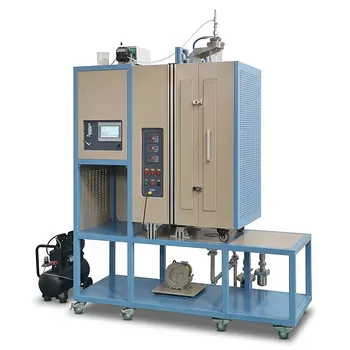
1500C Three Zone Vertical Pyrolysis Furnace for Nanoparticle Synthesis and Advanced Oxide Coating
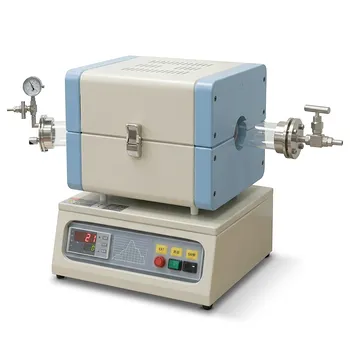
1200C Tube Furnace with Internal Magnetic Sample Sliding for Direct Vaporizing Deposition and Rapid Thermal Processing

1800C High Temperature Compact Vacuum Tube Furnace with 60mm OD Alumina Tube and Kanthal MoSi2 Heating Elements
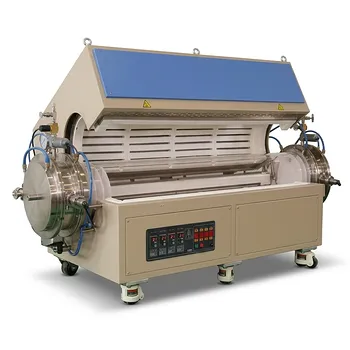
1200C Max Four Zone Split Tube Furnace with Optional Large Diameter Quartz Tubes
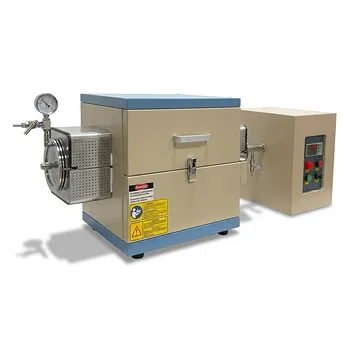
1200C High Temperature 5 Inch Split Vacuum Tube Furnace with 12 Inch Heating Zone and Separated PID Controller

1100C Tube Furnace with Vacuum Flange and Programmable Temperature Controller for Material Science and Industrial Heat Treatment
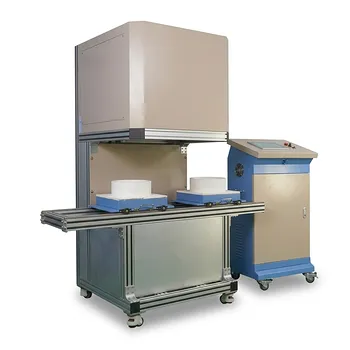
High Temperature Bottom Loading Vertical Furnace 1700C Dual Stage Sample Processing System 18L Large Capacity Thermal Treatment Equipment
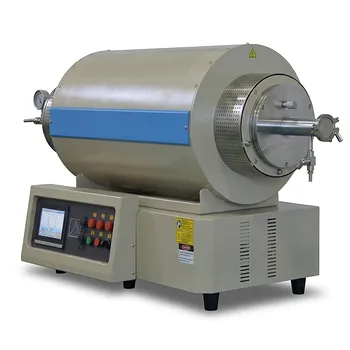
1200C Max Three Zone Tube Furnace 6 Inch OD Max with Tube and Flange
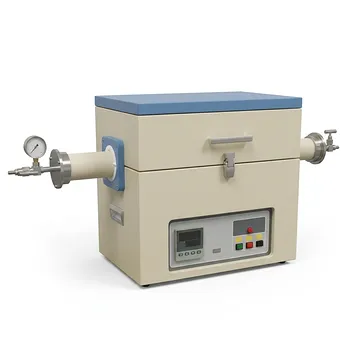
1250C Split Tube Furnace with 3 Inch Mullite Tube and Vacuum Sealing Flanges for Precision Thermal Processing