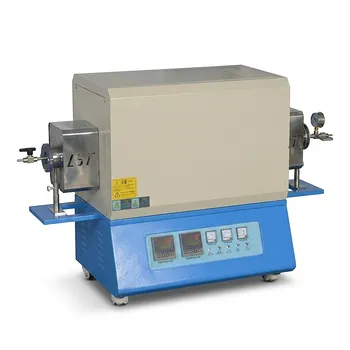
What role does a horizontal vacuum annealing furnace play in the recrystallization of Zircaloy-4? Ensure Purity & Stability
Updated 3 months ago
The horizontal vacuum annealing furnace serves as the definitive environment for the thermal processing of Zircaloy-4, providing the precise conditions necessary to reset the material's internal structure. This equipment creates an oxygen-free, high-vacuum atmosphere that allows for complete recrystallization while preventing the surface oxidation and contamination that would otherwise degrade the alloy's performance.
Core Takeaway: A horizontal vacuum annealing furnace is essential for Zircaloy-4 because it facilitates a uniform microstructural transformation and eliminates residual stresses without introducing atmospheric impurities. This process ensures the material achieves the stable mechanical properties and standardized microstructure required for rigorous corrosion and performance testing.
Protecting Material Integrity in High-Vacuum Environments
Prevention of Surface Oxidation and Brittle Scales
At the high temperatures required for recrystallization, Zircaloy-4 is highly reactive to oxygen and nitrogen. The vacuum furnace maintains an oxygen-free environment that prevents the formation of brittle oxide scales which can compromise the alloy's integrity.
Elimination of Interstitial Contamination
By operating under high vacuum, often reaching pressures as low as 10⁻⁶ torr, the furnace ensures that active elements within the alloy remain uncontaminated. This isolation is critical for maintaining the specific chemical composition required for nuclear and chemical applications.
Maintaining Surface Purity for Subsequent Testing
Because there is no atmospheric interaction, the plates emerge from the furnace with a clean, metallic surface. This eliminates the need for aggressive post-processing cleaning and ensures that subsequent corrosion tests yield accurate, standardized results.
Driving Microstructural Transformation and Stability
Facilitating Complete Recrystallization
The furnace allows for precise control over annealing temperature and duration, which are the primary drivers of recrystallization. This precision ensures that the distorted, cold-worked grain structure is fully replaced by a new, strain-free grain population.
Elimination of Prior Work Hardening
Zircaloy-4 plates often retain significant internal energy from rolling or shaping processes. The controlled heat treatment within the furnace eliminates residual stresses and work hardening, restoring the material’s ductility and stabilizing its mechanical behavior.
Achieving a Uniform Equiaxed Microstructure
Through homogenization and controlled soaking times, the furnace transforms the initial microstructure into a uniform equiaxed grain matrix. This structural consistency is vital for ensuring that mechanical properties are isotropic and predictable across the entire plate.
Understanding the Trade-offs and Limitations
Thermal Gradient Challenges
In horizontal furnace configurations, achieving absolute temperature uniformity across a large load of plates can be challenging. Variations in radiant heat transfer may lead to slight differences in grain size if the plates are not positioned correctly or if the soaking time is insufficient.
Cooling Rate Constraints
Vacuum furnaces often rely on furnace cooling or inert gas quenching, which may be slower than liquid quenching methods. While slow cooling is often beneficial for stress relief, it must be carefully managed to prevent the precipitation of undesirable secondary phases in certain reactive alloys.
Operational Complexity and Cost
Maintaining a high-vacuum, high-temperature system requires significant energy and rigorous maintenance of seals and vacuum pumps. Any leak in the system during the heating cycle can lead to immediate contamination and the loss of the entire batch of Zircaloy-4.
How to Apply This to Your Project
If your primary focus is standardized corrosion testing: Ensure the furnace parameters are set to achieve full recrystallization, as a uniform microstructure is the only way to obtain a reliable baseline for corrosion rates.
If your primary focus is mechanical ductility: Prioritize the elimination of work hardening by utilizing longer soaking times at the lower end of the recrystallization temperature range to prevent excessive grain growth.
If your primary focus is surface sensitive applications: Verify that the furnace maintains a base pressure of at least 10⁻⁴ to 10⁻⁶ torr to prevent even trace amounts of oxidation during the high-temperature phase.
The horizontal vacuum annealing furnace is the cornerstone of Zircaloy-4 processing, turning raw, stressed alloy plates into highly stable, standardized materials ready for critical engineering evaluation.
Summary Table:
| Process Aspect | Role of Vacuum Annealing Furnace | Impact on Zircaloy-4 |
|---|---|---|
| Atmosphere Control | High vacuum (up to 10⁻⁶ torr) | Prevents oxidation and brittle scale formation |
| Thermal Precision | Controlled heating and soaking | Facilitates complete, uniform recrystallization |
| Stress Management | Thermal energy input | Eliminates work hardening and residual stresses |
| Surface Quality | Inert environment | Maintains metallic purity for standardized testing |
| Microstructure | Homogenization | Achieves a stable, uniform equiaxed grain matrix |
Optimize Your Alloy Processing with THERMUNITS Precision
Achieving perfect recrystallization in reactive materials like Zircaloy-4 requires uncompromising control over vacuum levels and thermal uniformity. THERMUNITS is a leading manufacturer of high-temperature laboratory equipment dedicated to advancing material science and industrial R&D.
We offer a comprehensive range of thermal processing solutions tailored for your most demanding applications, including:
- Vacuum, Atmosphere, and Muffle Furnaces
- Tube, Rotary, and Hot Press Furnaces
- CVD/PECVD Systems
- Vacuum Induction Melting (VIM) Furnaces
- Dental Furnaces and Specialized Thermal Elements
Whether you are performing critical stress relief or complex microstructural transformations, our equipment delivers the stability and precision your research deserves.
Ready to upgrade your lab's capabilities? Contact us today to discuss your specific heat treatment requirements!
References
- Huifang Yue, Meiyi Yao. Effects of Hydrogenation on the Corrosion Behavior of Zircaloy-4. DOI: 10.3390/ma17051101
Mentioned Products
- High Temperature 1000C Vacuum Furnace with 8 Inch ID Chamber for Material Sintering and Research Annealing
- High Temperature Cold Wall Vacuum Furnace for Advanced Material Sintering and Annealing 1600C Heating Area 200x200x300mm
- High Temperature Vertical Atmosphere Controlled Furnace with Automatic Bottom Loading and 1700°C Capacity for Advanced Material Research
- High Temperature 1700C 4 Channel Tube Furnace 1 Inch Alumina Tube for Hi-Throughput Annealing
- High Throughput 1200C Four Channel Tube Furnace with 3 Inch Quartz Tubes for Multi Zone Annealing and Material Research
People Also Ask
- How does the temperature control precision of a high-temperature sintering furnace affect Na1+xLa1-xZr2O6-δ ceramics?
- How does a high-temperature sintering furnace environment enhance NdFeB magnets? Achieve 98%+ density with precision.
- What role does a high-temperature annealing furnace play in forming ordered Pt3(CoNi) intermetallic catalysts?
- What is the function of high-vacuum furnaces in (Mo2/3V1/3)n+1AlCn MAX phase synthesis? Ensure Purity & Diffusion.
- How does a vacuum or atmosphere sintering furnace contribute to the congener-welding process of carbon nitride membranes?

Tech Team · ThermUnits
Last updated on Jun 03, 2026
Related Products
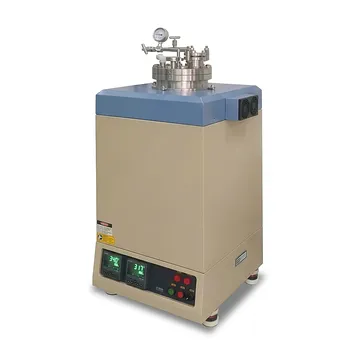
High Temperature 1000C Vacuum Furnace with 8 Inch ID Chamber for Material Sintering and Research Annealing
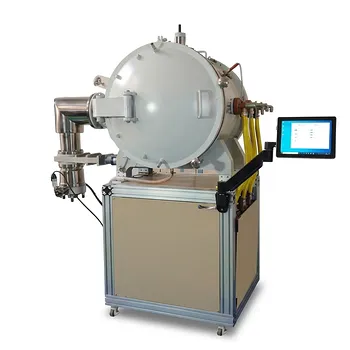
High Temperature Cold Wall Vacuum Furnace for Advanced Material Sintering and Annealing 1600C Heating Area 200x200x300mm
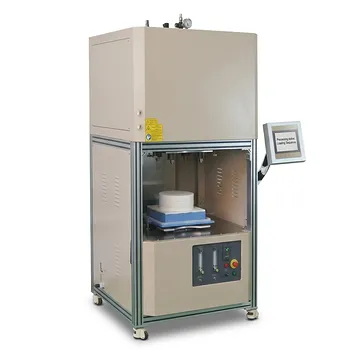
High Temperature Vertical Atmosphere Controlled Furnace with Automatic Bottom Loading and 1700°C Capacity for Advanced Material Research
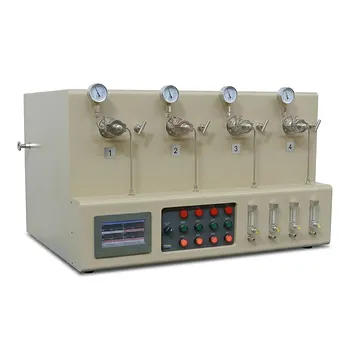
High Temperature 1700C 4 Channel Tube Furnace 1 Inch Alumina Tube for Hi-Throughput Annealing
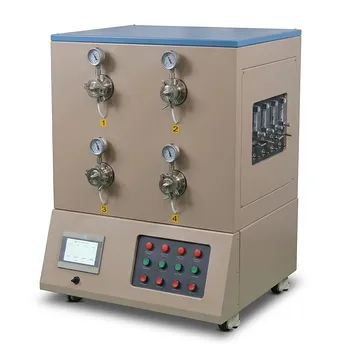
High Throughput 1200C Four Channel Tube Furnace with 3 Inch Quartz Tubes for Multi Zone Annealing and Material Research
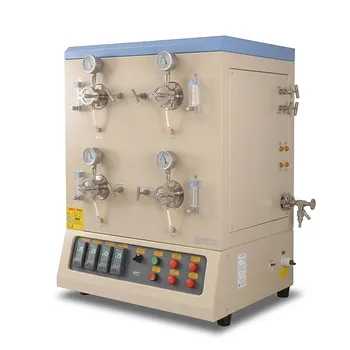
High Temperature 1500C Four Channel Tube Furnace with Alumina Tubes for High Throughput Annealing and Phase Diagram Research
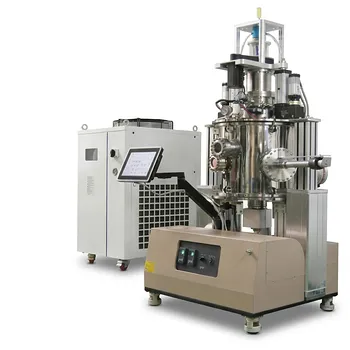
950C Rapid Thermal Processing Furnace for 12 Inch Wafer CSS Coating with Rotating Substrate Holder
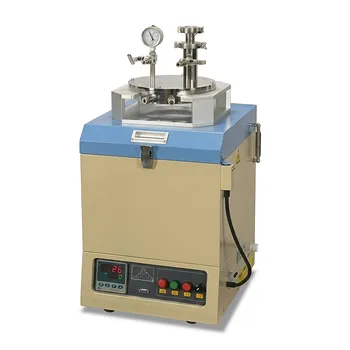
Vertical Vacuum Furnace 1100C High Temperature 8 Inch Quartz Chamber Water Cold Flange System
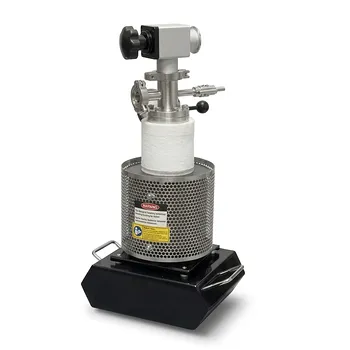
High Temperature 1100C Compact Top Loading Vertical Vacuum Tube Furnace for High Vacuum Noble Metal Melting and Material Research

High Temperature 1700C Vertical Tube Furnace for Powder Spherification and Material Sintering

Vertical 1700C Vacuum and Atmosphere Tube Furnace with 80mm Alumina Tube
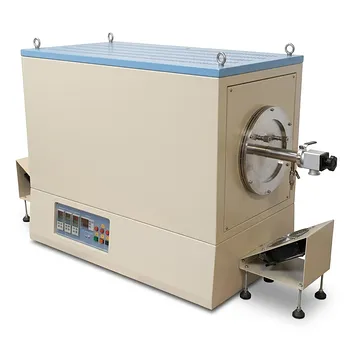
Four Zone Tube Furnace 1100C with 600mm Large Diameter Quartz Tube and Vacuum Flanges
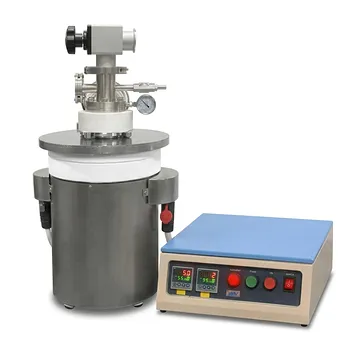
1100C High Temperature Vacuum Crucible Furnace with Quartz Chamber for Thermal Processing and Sintering
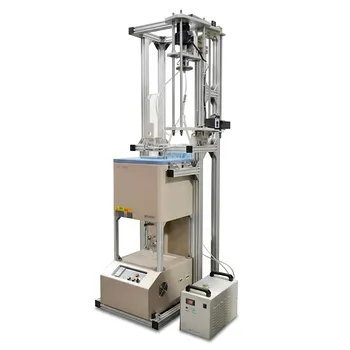
500C Vacuum Vertical Tube Furnace 84mm OD Sample Rotation Lifting System
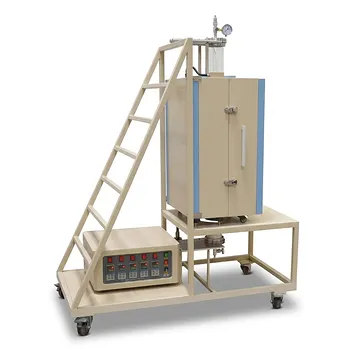
Five Zone Split Vertical Tube Furnace 1200C Max with 4 Inch Quartz Tube and Stainless Steel Vacuum Flanges
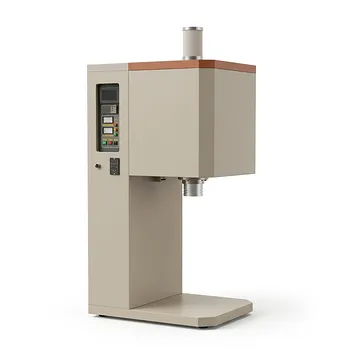
Vertical Openable Tube Furnace 0-1700c High Temperature Laboratory System for CVD and Vacuum Heat Treatment

1200°C 5 Inch Vertical Quartz Tube Furnace with Stainless Steel Vacuum Flanges