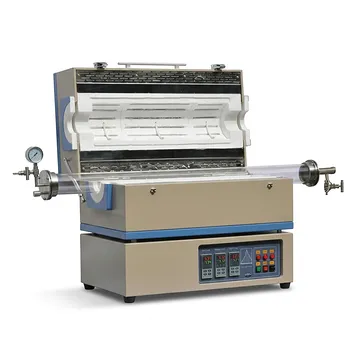
What role does a three-zone horizontal tube furnace play in the growth of Bi2Se3 single crystals? Optimize Your VPT Growth.
Updated 3 months ago
The three-zone horizontal tube furnace acts as the thermal engine for Bi2Se3 growth, providing the precise temperature gradient and atmospheric control required to transform solid precursors into high-quality single crystals. By maintaining independent heating zones, the furnace establishes a controlled "thermal slope" that drives the sublimation of source materials and their subsequent condensation onto substrates via gas-phase transport.
The core function of a three-zone furnace in VPT is to create a stable thermodynamic driving force by maintaining a high-temperature source zone (600°C) and a lower-temperature substrate zone (550°C). This precise gradient regulates the rate of material evaporation and the kinetics of crystal nucleation, which are the primary determinants of crystal quality and morphology.
The Role of Temperature Gradients as a Driving Force
Sublimation and Gas-Phase Transport
In the Vapor Phase Transport (VPT) method, the furnace must provide enough thermal energy (up to 1000°C) to vaporize Bi2Se3 precursor powders. By heating the source zone to approximately 600°C, the furnace ensures a consistent supply of gas-phase molecules within the quartz ampoule.
Driving Mass Migration
The temperature difference between the source and substrate zones creates a pressure differential that moves gaseous components. These molecules migrate from the high-energy source zone toward the cooler substrate zone, where they eventually lose kinetic energy and begin the crystallization process.
Controlling Crystallization Kinetics
The furnace allows for the fine-tuning of the growth rate by adjusting the delta between the zones. A precise 50°C gradient (600°C vs. 550°C) prevents rapid, uncontrolled precipitation, instead favoring the slow, epitaxial growth of high-quality single-crystal flakes.
The Advantage of Three-Zone Independent Control
Thermal Uniformity and End-Loss Compensation
A primary challenge in horizontal furnaces is heat loss at the tube ends, which can distort the internal environment. Three-zone systems allow operators to independently power the outer zones to compensate for this dissipation, ensuring a wider and more stable constant temperature region for the reaction.
Precise Thermal Field Management
The ability to control the middle zone independently provides a buffer that stabilizes the thermal profile across the length of the quartz tube. This prevents localized temperature fluctuations that would otherwise cause defects or secondary phase formation in the Bi2Se3 crystals.
Integration with Vacuum and Pressure Systems
The furnace environment is often coupled with vacuum pumps to maintain a stable, low-pressure atmosphere (e.g., 1.0×10⁻² Torr). This combination of thermal and pressure control is essential for ensuring the morphological integrity and high crystal quality of the synthesized nanosheets.
Understanding the Trade-offs
The Risk of Rapid Cooling
While a steep temperature gradient can increase the growth rate, it often leads to polycrystalline growth or structural defects. Maintaining a gentle, stable gradient is more time-consuming but necessary for producing large-area, single-crystal domains.
Equipment Sensitivity
Three-zone furnaces require sophisticated PID controllers to prevent "overshoot," where a zone exceeds its target temperature and disrupts the gradient. Poorly calibrated furnaces can lead to inconsistent results across different growth runs, even if the settings remain identical.
Material Limitations
At temperatures near 1000°C, the integrity of the quartz ampoule and the sealing of the furnace become critical. Any minor air leak at these temperatures can introduce oxygen, leading to the formation of bismuth oxythoroughly-selenide rather than pure Bi2Se3.
Optimizing Your Growth Parameters
To achieve the best results with Bi2Se3 single crystals, your approach should vary based on your specific research requirements:
- If your primary focus is crystal size and surface area: Use a very shallow temperature gradient and lower pressure to allow for slow, lateral growth of the flakes.
- If your primary focus is high-throughput production: Increase the source zone temperature slightly to boost sublimation rates, though this may require post-growth annealing to improve crystallinity.
- If your primary focus is thickness control (nanosheets): Precisely regulate the substrate zone temperature to control the nucleation density, preventing the stacking of multiple Bi2Se3 layers.
Mastering the thermal gradient within the furnace is the most direct path to controlling the electronic and structural properties of Bi2Se3 single crystals.
Summary Table:
| Function | Key Parameter | Benefit to Bi2Se3 Growth |
|---|---|---|
| Sublimation | ~600°C Source Zone | Ensures consistent gas-phase supply from precursors. |
| Mass Migration | Thermal Gradient (ΔT) | Creates pressure differential to drive vapor to substrate. |
| Crystallization | ~550°C Substrate Zone | Regulates nucleation density for single-crystal quality. |
| Thermal Stability | Independent PID Control | Compensates for end-heat loss to ensure uniform growth. |
Elevate Your Material Synthesis with THERMUNITS
At THERMUNITS, we specialize in providing the precise thermal environments required for advanced material science and industrial R&D. As a leading manufacturer, our high-performance Three-Zone Tube Furnaces are engineered to deliver the exact temperature gradients necessary for Bi2Se3 crystal growth and other Vapor Phase Transport (VPT) processes.
Our comprehensive range of thermal solutions includes:
- Furnaces: Muffle, Vacuum, Atmosphere, Tube, Rotary, and Hot Press models.
- Advanced Systems: CVD/PECVD systems, Vacuum Induction Melting (VIM), and Dental Furnaces.
- Support: High-quality Thermal Elements and lab heat treatment equipment.
Achieve superior crystal morphology and reproducible results with equipment designed for precision. Contact our technical team today to discuss your laboratory’s specific requirements!
References
- Timothy Moorsom, Peter K. Petrov. Analysis of plasmon modes in Bi2Se3/graphene heterostructures via electron energy loss spectroscopy. DOI: 10.1038/s41598-024-81488-7
Mentioned Products
- Three Zone Tube Furnace with 24 Inch Heating Length and Hinged Flange Quartz Tube System
- Three Zone Tube Furnace with 11 Inch or 15 Inch Quartz Tube and Hinged Flanges for Vacuum Atmosphere Heat Treatment
- High Temperature 1700C Three Zone Tube Furnace with Alumina Tube 50mm 60mm 80mm OD for Material Research and Industrial Heat Treatment
- 1100°C Three Zone Tube Furnace with 8.5 to 11 Inch OD Quartz Tube and Vacuum Flanges for Large Wafer Processing
- Large Vertical Three Zone Tube Furnace with 8 Inch or 11 Inch Quartz Tube and High Vacuum Flanges 1200C
People Also Ask
- What is the primary function of a three-zone tube furnace in the synthesis process of corn-derived carbon nanotubes?
- What role does an industrial-grade three-zone tube furnace play in VOx@VACNT synthesis? Precision Phase-State Control
- Why Use a Three-Zone vs. Single-Zone Furnace for Fe-Ni-Cu Diffusion? Key Benefits for Lab Accuracy
- What advantages does a three-zone tube furnace offer for nanoparticle synthesis? Unlock Superior Thermal Precision.
- What role does a 3-zone tube furnace play in CCO ceramic conductivity testing? Ensure Isothermal Precision.

Tech Team · ThermUnits
Last updated on Jun 03, 2026
Related Products
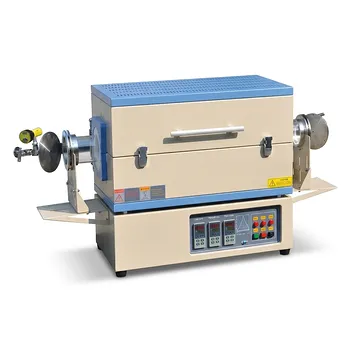
Three Zone Tube Furnace with 24 Inch Heating Length and Hinged Flange Quartz Tube System
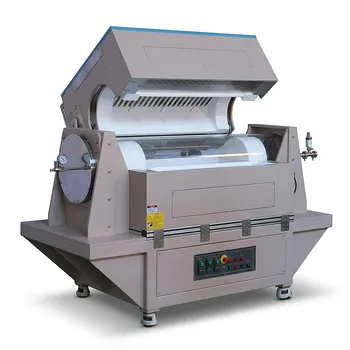
Three Zone Tube Furnace with 11 Inch or 15 Inch Quartz Tube and Hinged Flanges for Vacuum Atmosphere Heat Treatment
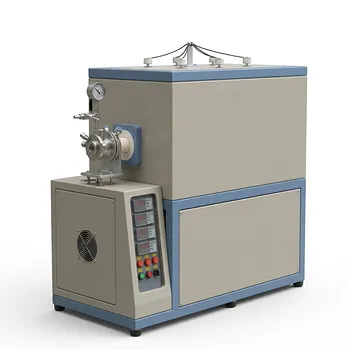
High Temperature 1700C Three Zone Tube Furnace with Alumina Tube 50mm 60mm 80mm OD for Material Research and Industrial Heat Treatment
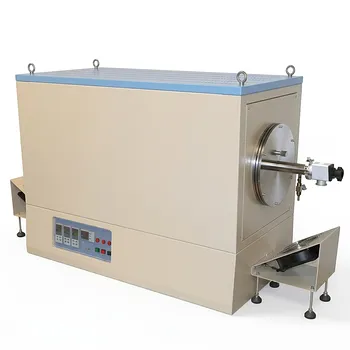
1100°C Three Zone Tube Furnace with 8.5 to 11 Inch OD Quartz Tube and Vacuum Flanges for Large Wafer Processing
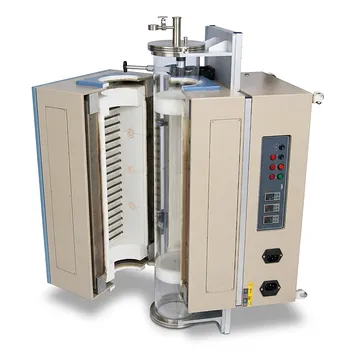
Large Vertical Three Zone Tube Furnace with 8 Inch or 11 Inch Quartz Tube and High Vacuum Flanges 1200C
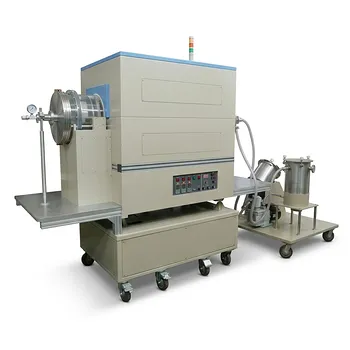
Three Zone Rotary Tube Furnace with Automatic Powder Feeding for Large Scale CVD Coating 1100C
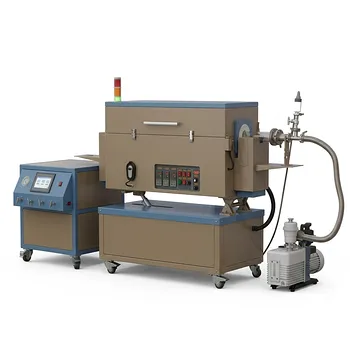
5 Inch Three Zone Rotary Tube Furnace with Integrated Gas Delivery System and 1200C Capability for Advanced Material CVD Processing
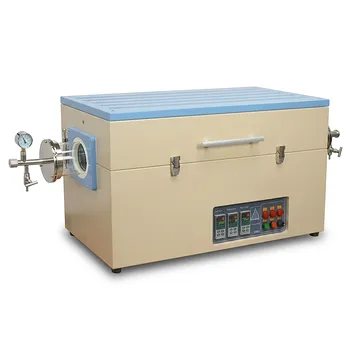
Three Zone Split Tube Furnace 36 Inch Heating Length High Temperature 1200C Material Research Furnace with Vacuum Flanges
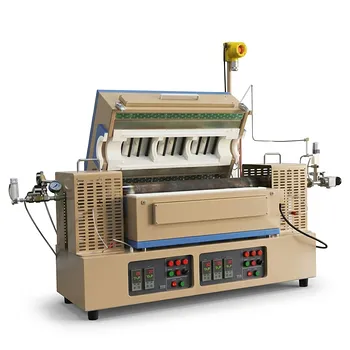
Three Zone Hydrogen Gas Tube Furnace with 82mm Superalloy Tube and Dual Hydrogen Detectors 1200C High Temperature Material Processing System
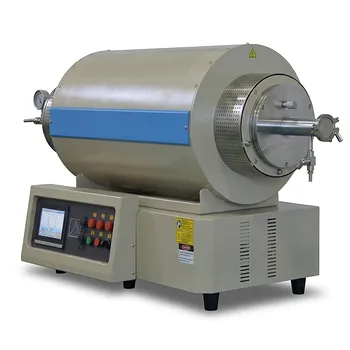
1200C Max Three Zone Tube Furnace 6 Inch OD Max with Tube and Flange
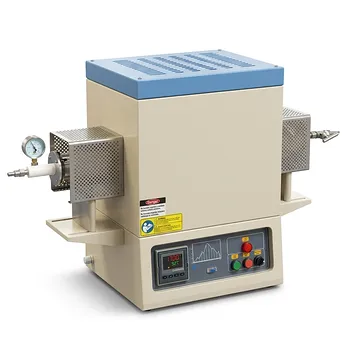
High Temperature Three Zone Tube Furnace 1700C with Alumina Tube and Water Cooled Flanges
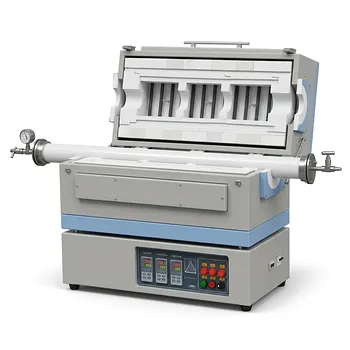
High Temperature 1500C Three Zone Split Tube Furnace with 80mm Alumina Tube and Vacuum Flange
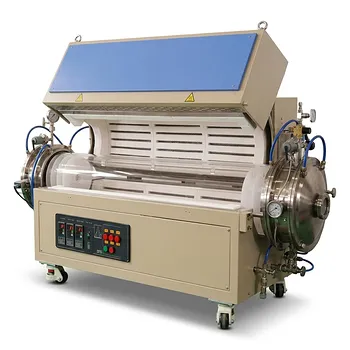
High Temperature Three Zone Split Tube Furnace 1200C Max 35.4 Inch Heating Length 8 Inch ID Tube
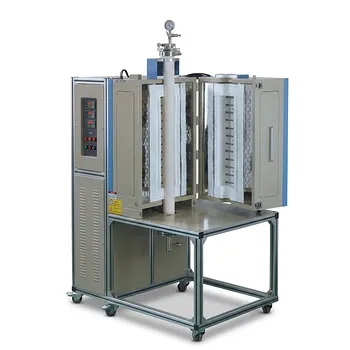
Three Zone Heating Split Vertical Tube Furnace 1700 High Temperature Vacuum Atmosphere Thermal Process System
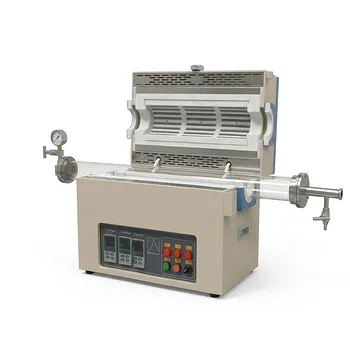
1200°C Three Zone Split Tube Furnace with 18 Inch Heating Length and Vacuum Flanges
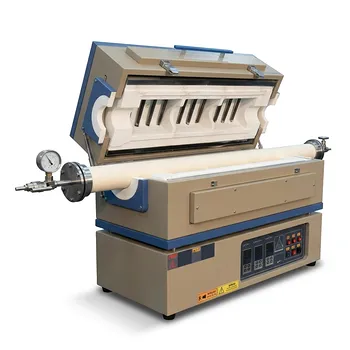
1600C Three Zone Split Tube Furnace with Alumina Tube and Vacuum Flange
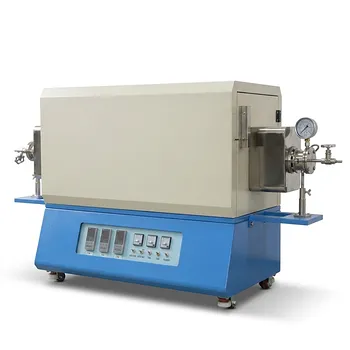
Three Temperature Zone High Temperature Vacuum Tube Furnace for CVD and Material Sintering
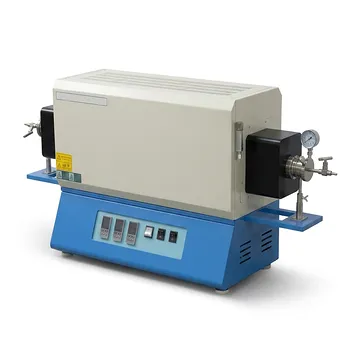
High Temperature Three Temperature Zone Tube Furnace for Advanced Material Science Sintering and Chemical Vapor Deposition Applications
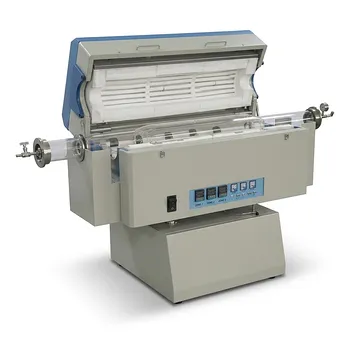
Large Three Temperature Zone Rotating Tube Furnace for High Uniformity Material Sintering