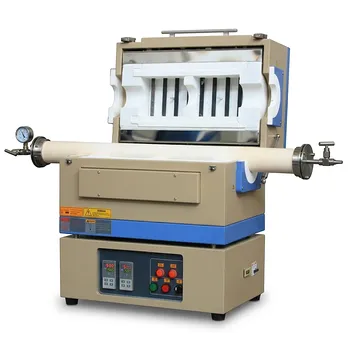
What Role Does a Tube Furnace with MFCs Play in Fuel Cell Electrode Evaluation? Enhancing Electrochemical Performance
Updated 3 months ago
A tube furnace system integrated with mass flow controllers (MFCs) acts as a high-precision reactor that simulates the rigorous chemical and thermal environments fuel cell electrodes encounter. By modulating gas compositions and flow rates, it allows researchers to isolate how specific atmospheric variables impact polarization resistance and long-term electrochemical stability. This setup is essential for transitioning from theoretical material design to verifiable performance in symmetrical fuel cell testing.
The integration of MFCs with a tube furnace provides the necessary control to simulate oxidation, reduction, and redox cycles under precise gas dynamics. This synergy ensures that the resulting electrochemical data reflects the material’s true behavior rather than artifacts caused by environmental fluctuations.
Simulating Complex Operating Environments
Precision Gas Mixing and Ratios
MFCs allow for the exact blending of gases such as hydrogen, air, argon, and carbon monoxide. This capability is vital for recreating the specific fuel and oxidant mixtures found in real-world fuel cell stacks.
By varying these ratios, researchers can determine how different oxygen concentrations or fuel impurities affect the electrode's reactive surface. This level of control is the foundation for measuring sensitive metrics like polarization resistance.
Facilitating Controlled Redox Cycles
The system enables the execution of oxidation and reduction (redox) cycles by switching gas flows within a single test run. This process reveals how well an electrode material can survive the chemical stress of moving between oxygen-rich and fuel-rich states.
Observing these cycles is critical for evaluating long-term stability. It helps identify whether the electrode material will degrade, delaminate, or maintain its structural integrity over thousands of hours of operation.
Optimizing Electrode Morphology and Conductivity
Preventing Pore Blockage and Secondary Reactions
High-precision gas flow ensures the timely removal of volatile gases generated during the heating or carbonization of electrode precursors. If these volatiles are not swept away, they can cause secondary reactions or block the microscopic pores necessary for gas diffusion.
Maintaining a clear porous structure is essential for high-quality electrode performance. A stable flow prevents "pore choking," ensuring the electrode retains the surface area required for efficient electrochemical reactions.
Achieving Consistent Sheet Resistance
The tube furnace provides the uniform temperature distribution required to convert polymer precursors into electrically conductive carbon layers. Precise heating programs, often involving long "soaks" at specific temperatures, determine the final conductivity of the electrode.
Consistent cooling rates and atmospheric purity are critical for achieving uniform sheet resistance. Without the stability provided by MFCs, fluctuations in the inert atmosphere could lead to uneven carbonization and inconsistent surface flatness.
Understanding the Trade-offs
Flow Rate vs. Thermal Convection
While higher flow rates are excellent for removing volatiles, they can significantly impact thermal convection within the tube. Excessive flow can create temperature gradients, potentially leading to non-uniform reactions across the sample surface.
System Complexity and Calibration
Adding high-precision MFCs increases the complexity of the laboratory setup. These controllers require regular calibration to account for different gas densities and viscosities, as even minor inaccuracies can skew the kinetic data of the electrode testing.
Gas Purity and Cross-Contamination
In systems using multiple gases like CO and H2, the risk of cross-contamination is high. Sophisticated purging protocols must be established to ensure that residual gases from a previous cycle do not interfere with the current electrochemical evaluation.
How to Apply This to Your Research Goal
Choosing the Right Strategy for Your Evaluation
- If your primary focus is long-term durability: Prioritize the use of MFCs to automate frequent redox cycles, simulating the startup and shutdown stresses of a commercial fuel cell.
- If your primary focus is maximizing conductivity: Focus on the precise regulation of inert gas flow during high-temperature pyrolysis to ensure optimal carbonization and low sheet resistance.
- If your primary focus is kinetic studies: Utilize the MFCs to perform sensitivity analysis by incrementally varying gas flow velocities and oxygen concentrations to map reaction rates.
By mastering the balance between gas dynamics and thermal control, researchers can transform a standard tube furnace into a definitive tool for electrode characterization.
Summary Table:
| Feature of Tube Furnace + MFCs | Impact on Fuel Cell Electrode Research |
|---|---|
| Precision Gas Mixing | Simulates real-world fuel/oxidant ratios and impurity effects. |
| Controlled Redox Cycles | Evaluates long-term stability and material degradation under stress. |
| Dynamic Volatile Removal | Prevents pore blockage, ensuring optimal surface area for reactions. |
| Uniform Thermal Profiles | Ensures consistent carbonization and sheet resistance in precursors. |
| Automated Flow Velocity | Enables sensitivity analysis and precise mapping of reaction rates. |
Elevate Your Electrochemical Research with THERMUNITS
Precision is the backbone of material science. As a leading manufacturer of high-temperature laboratory equipment, THERMUNITS provides advanced thermal processing solutions designed specifically for industrial R&D and academic excellence.
Whether you are conducting fuel cell electrode evaluations or advanced material synthesis, our comprehensive range of Tube Furnaces, CVD/PECVD systems, Vacuum Induction Melting (VIM) furnaces, and Atmosphere-controlled units ensures the gas dynamics and thermal stability your research demands.
Why choose THERMUNITS?
- Precision Control: Integrated MFC systems for exact atmospheric simulation.
- Versatility: Solutions spanning from Muffle and Rotary kilns to Hot Press and Dental furnaces.
- Expertise: Specialized equipment to prevent secondary reactions and optimize material morphology.
Ready to transform your laboratory's capabilities? Contact us today to discuss your specific heat treatment requirements with our technical experts!
References
- Д.А. Осинкин. Electrochemical Performances of New Pr‐Doped Robust Cobalt‐Free Perovskite Sr<sub>2</sub>Fe<sub>1.5</sub>Mo<sub>0.5</sub>O<sub>6-<i>δ</i></sub> as Electrode for Symmetrical Solid Oxide Fuel Cells. DOI: 10.1155/er/9791000
Mentioned Products
- High Temperature Vertical Tube Furnace for Small Solid Oxide Fuel Cell Testing with Four Channel Gas Control
- High Temperature 1700C Tube Furnace with High Vacuum Turbomolecular Pump System and Multi Channel Mass Flow Controller Gas Mixer
- High Temperature Vertical Hybrid Furnace with Alumina Tube and SiC Heating for SOFC Coin Cell Testing and Atmosphere Processing
- 1200 C Maximum Three Sided Heating Top Loading Furnace with 12 x 12 x 8 Inch Chamber for Solid Oxide Fuel Cell Testing and High Temperature RD
- Double Temperature Zone Double Cover Tube Furnace for High Temperature CVD and Vacuum Annealing
People Also Ask
- What is the function of a vertical tube furnace in MnOx-SiO2 research? Precision Control & Quenching
- Why is a high-temperature tube furnace with atmosphere control needed for CMS membranes? Ensure Pore Precision & Purity
- What role does a dual-zone tube furnace play in Cr0.83Te crystal growth? Precision Thermal Field Control for CVT
- What is the function of using a tube furnace with a flowing oxygen environment? Optimize Cathode Post-Treatment
- Why Use High-Temp Tube Furnaces for Carbon Diffusion? Precision Control & Purity Advantages

Tech Team · ThermUnits
Last updated on Jun 03, 2026
Related Products
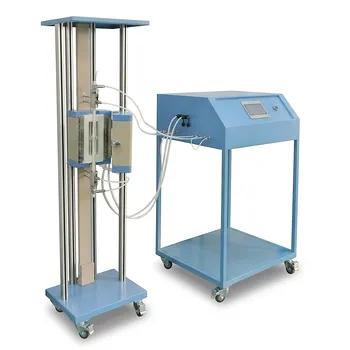
High Temperature Vertical Tube Furnace for Small Solid Oxide Fuel Cell Testing with Four Channel Gas Control

High Temperature 1700C Tube Furnace with High Vacuum Turbomolecular Pump System and Multi Channel Mass Flow Controller Gas Mixer
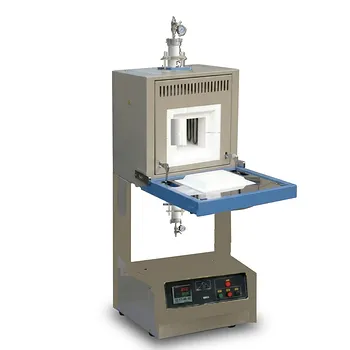
High Temperature Vertical Hybrid Furnace with Alumina Tube and SiC Heating for SOFC Coin Cell Testing and Atmosphere Processing
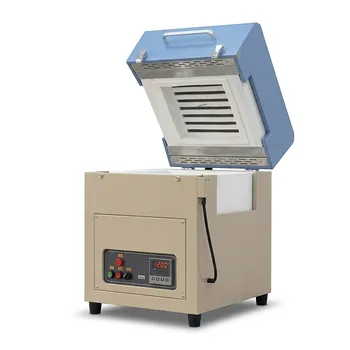
1200 C Maximum Three Sided Heating Top Loading Furnace with 12 x 12 x 8 Inch Chamber for Solid Oxide Fuel Cell Testing and High Temperature RD
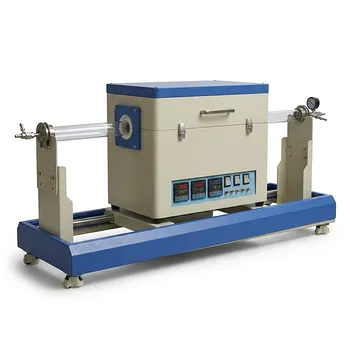
Double Temperature Zone Double Cover Tube Furnace for High Temperature CVD and Vacuum Annealing
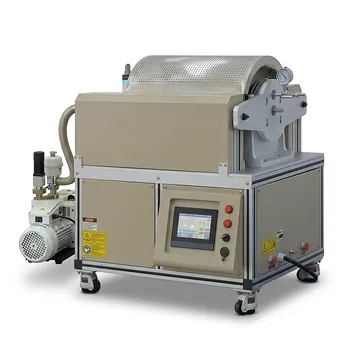
Automated 1200 C Tube Furnace for AI Material Research with 6 Inch OD and Sliding Flange
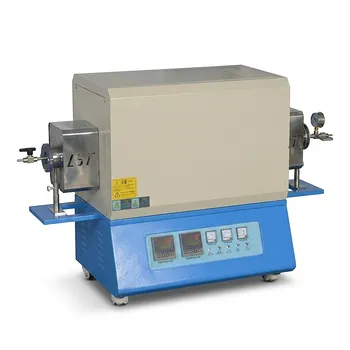
High Temperature Dual Zone Vacuum Tube Furnace for Material Research and CVD Processing
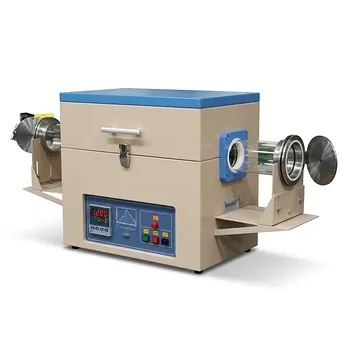
High Temperature 1200C Split Tube Furnace with Hinged Vacuum Flanges and 4 Inch Quartz Tube for Laboratory Research
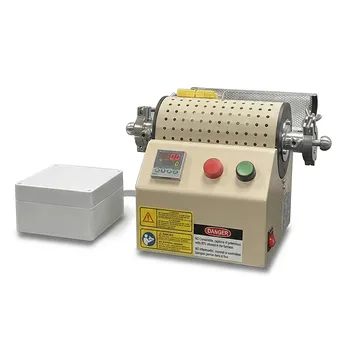
1000C Mini Tube Furnace with 20mm Quartz Tube and Vacuum Flanges for Material Science Research and Controlled Atmosphere Small Sample Processing

5 Inch Three Zone Rotary Tube Furnace with Integrated Gas Delivery System and 1200C Capability for Advanced Material CVD Processing
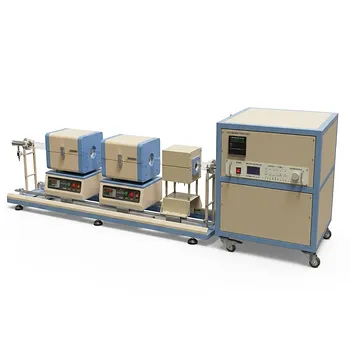
1200C Dual Sliding Tube Furnace with Dual Tubes and Flanges for PECVD Processes
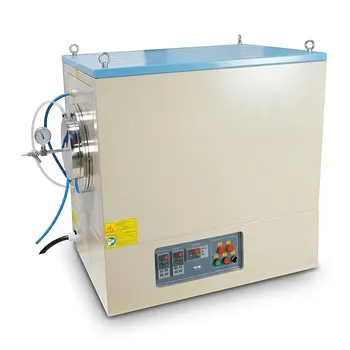
Dual Zone Tube Furnace 1100C with 11 Inch Quartz Tube and Vacuum Flanges for 8 Inch Wafer Processing
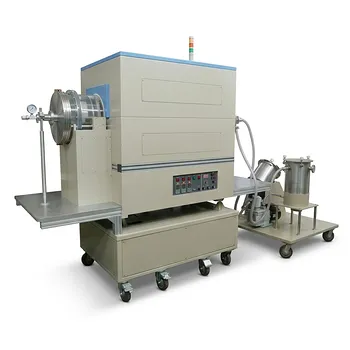
Three Zone Rotary Tube Furnace with Automatic Powder Feeding for Large Scale CVD Coating 1100C

1200C High Throughput Multi Channel Tube Furnace with 50mm Quartz Tubes for Annealing and Material Phase Diagram Research

Compact Vertical Split Quartz Tube Furnace with Stainless Steel Vacuum Flanges for Rapid Thermal Quenching and Controlled Atmosphere Material Processing
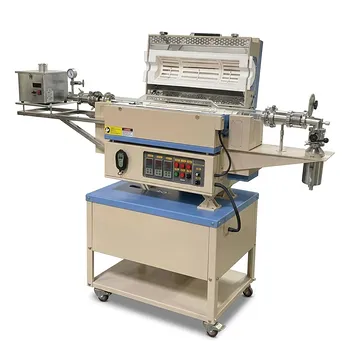
5 Inch Rotary Tube Furnace with Automatic Feeding and Receiving System 1200C Three Zone CVD Powder Processing
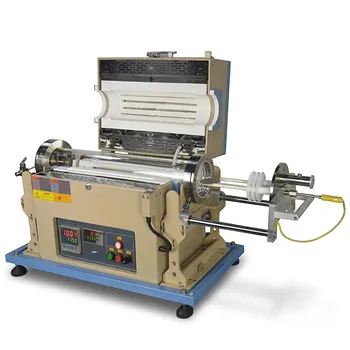
1200°C High Temperature 4 Inch Tube Furnace with Sliding Flange for CVD Systems
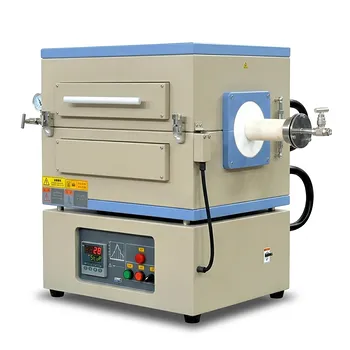
1500°C Split Tube Furnace with Alumina Tube and Vacuum Sealing Flanges for Material Research

Vertical 1700C Vacuum and Atmosphere Tube Furnace with 80mm Alumina Tube