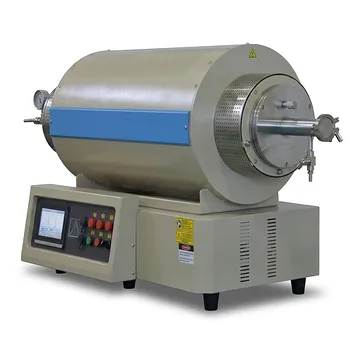
What conditions does a tube reduction furnace provide for nano-nickel & Fe-Ni synthesis? Master Precise Reductions
Updated 6 months ago
A tube reduction furnace provides a controlled hydrogen reduction atmosphere and precise high-temperature environments required to transform precursors into metallic nanopowders. By maintaining a stable thermal state (typically around 450°C) and a sealed, oxygen-free path, the furnace facilitates the liquid-phase reduction of water-soluble salt precursors into nano-sized powders with high sintering activity.
A tube reduction furnace acts as a precision reactor that combines strict atmospheric isolation with stable thermal gradients. This dual-control mechanism is the decisive factor in achieving the specific chemical reduction and particle size distribution necessary for high-performance nano-nickel and iron-nickel composites.
The Atmospheric Environment for Reduction
Maintaining a Reducing Hydrogen Flow
The furnace provides a controlled hydrogen (H2) atmosphere, which serves as the primary chemical driver for the reduction of nickel salts or iron oxides. By regulating the flow of H2 or hydrogen-argon (H2/Ar) mixtures, the equipment ensures that oxygen is stripped from the precursor without the risk of re-oxidation.
Sealing and Oxygen Exclusion
A critical process condition is the hermetically sealed heating environment. This ensures the reduction occurs in a completely oxygen-free atmosphere, which is vital for preventing the premature oxidation of highly active metallic nickel and iron nanoparticles.
Precise Gas Path Design
Advanced tube furnaces utilize specific gas path designs to introduce reducing agents like ammonia (NH3) or nitrogen (N2). These paths allow for synchronized component conversion, such as the simultaneous reduction of iron oxide and the thermal transformation of graphene oxide into Reduced Graphene Oxide (RGO) within Fe-Ni composites.
Thermal Precision and Kinetic Control
High-Temperature Stability
The synthesis of nano-nickel typically requires a constant high-temperature environment, often set at 450°C for salt precursors or up to 800°C for alloy exsolution. Stable temperature control ensures that the resulting powders possess low porosity and high micro-hardness, which are essential for cermet development.
Regulated Heating Rates
The furnace allows for specific ramp rates, such as 5°C per minute, to prevent the random aggregation of iron and nickel atoms. Controlling the speed of temperature increase is necessary to maintain a narrow particle size distribution and to guide in-situ reactions between different metallic species.
Thermodynamic Conditions for Nanostructure Growth
Beyond simple reduction, the furnace provides the thermodynamic energy required for nickel-catalyzed growth of multi-walled carbon nanotubes (MWCNT). These conditions are a decisive factor in determining the final porous properties and electrical conductivity of the composite material.
Understanding the Trade-offs
Temperature vs. Particle Agglomeration
While higher temperatures accelerate the reduction process, they significantly increase the risk of particle sintering. If the furnace temperature exceeds the ideal threshold, the nanoparticles may fuse together, destroying the high surface area that makes nano-nickel valuable.
Gas Flow and Precursor Utilization
Improperly balanced gas flow can lead to incomplete reduction or non-uniformity across the precursor bed. If the hydrogen flow is too low, residual oxides may remain; if it is too high, it can lead to inefficient gas usage and potential safety hazards in an industrial setting.
Cation Mixing Risks
In complex composites, such as those involving lithium or layered structures, unstable oxygen or hydrogen supplies can lead to cation mixing. This phenomenon occurs when transition metal ions migrate to the wrong sites in the crystal lattice, degrading the material's electrochemical performance.
Applying Furnace Conditions to Your Synthesis Goals
How to Apply This to Your Project
To achieve the best results for your specific material, you should tune the furnace parameters based on the desired final characteristics of the composite.
- If your primary focus is High Sintering Activity: Maintain a stable temperature at or near 450°C using a pure hydrogen flow to ensure high surface energy in the nano-nickel powders.
- If your primary focus is Fe-Ni Alloy Homogeneity: Utilize a slower heating rate (e.g., 5°C/min) and a hydrogen/argon mix to allow iron and nickel ions to co-reduce and alloy in-situ without aggregating.
- If your primary focus is Conductive Composites: Implement a nitrogen-protected carbonization phase at higher temperatures (650°C–1000°C) to ensure the carbon substrate is properly graphitized around the metallic particles.
The synergy between precise thermal regulation and a strictly controlled reducing atmosphere is what allows a tube furnace to produce the high-purity, nano-scale metallic structures required for modern material science.
Summary Table:
| Process Condition | Requirement/Parameter | Impact on Nanomaterial |
|---|---|---|
| Atmosphere Control | Controlled H2 or H2/Ar flow | Drives reduction and prevents metallic oxidation |
| Thermal Stability | 450°C (salts) to 800°C (alloys) | Ensures low porosity and high micro-hardness |
| Heating Kinetic | Regulated ramp rates (e.g., 5°C/min) | Maintains narrow particle size and prevents sintering |
| Sealing Quality | Hermetic, oxygen-free path | Protects highly active nanoparticles from re-oxidation |
| Gas Path Design | Specialized paths for NH3, N2, or H2 | Enables in-situ reactions and RGO transformation |
Elevate Your Nanomaterial Research with THERMUNITS
Achieving the perfect balance of atmospheric purity and thermal precision is critical for high-performance nano-nickel and Fe-Ni composite synthesis. THERMUNITS is a leading manufacturer of high-temperature laboratory equipment specifically designed for material science and industrial R&D.
We offer a comprehensive range of thermal processing solutions tailored to your synthesis goals, including:
- Tube & Atmosphere Furnaces: For precise hydrogen reduction and gas flow control.
- Vacuum & CVD/PECVD Systems: For advanced thin-film and composite growth.
- Muffle, Rotary, & Hot Press Furnaces: For versatile heat treatment and sintering.
- Specialized Equipment: Including Dental Furnaces, VIM systems, and high-quality Thermal Elements.
Our equipment provides the stability and reliability needed to transform precursors into high-activity powders with superior sintering properties. Contact us today to consult with our experts and find the ideal furnace solution to accelerate your research breakthroughs!
References
- Irina Kozlova, Светлана Самченко. NANOTECHNOLOGY IN THE PRODUCTION OF BUILDING MATERIALS: A THEORETICAL STUDY. DOI: 10.62980/2076-0655-2024-284-297
Mentioned Products
- Compact Split Tube Furnace with Insertable Temperature Calibrator and Integrated Vacuum System
- Compact Split Tube Furnace with Integrated Vacuum System and Precision Temperature Calibrator
- Compact Vertical Split Quartz Tube Furnace with Stainless Steel Vacuum Flanges for Rapid Thermal Quenching and Controlled Atmosphere Material Processing
- Compact High Temperature 1600C Tube Furnace with 50mm Alumina Tube and Vacuum Flanges for Material Sintering
- High Temperature 1700C Six Zone Split Tube Furnace with Alumina Tube and Water Cooled Flanges
People Also Ask
- What is the primary engineering purpose for using a customized ventilation hood when operating a split tube furnace? RCF Safety
- How does a split tube furnace facilitate debinding of ceramic green bodies? Master Precise Thermal & Atmosphere Control
- What are the specific advantages and use cases for a split tube furnace? Optimize Lab Efficiency & Material Research
- How does a split tube furnace contribute to the thermal stabilization of Clignin@H-TiO2? Achieve Structural Precision
- What are the advantages of using a split tube furnace for heating a catalytic reactor? Boost Efficiency and Precision

Tech Team · ThermUnits
Last updated on Apr 14, 2026
Related Products
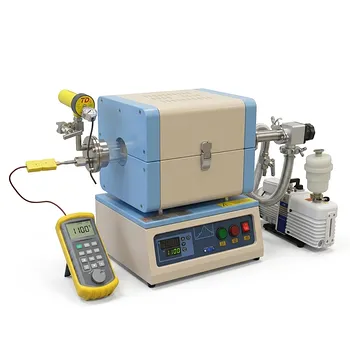
Compact Split Tube Furnace with Insertable Temperature Calibrator and Integrated Vacuum System
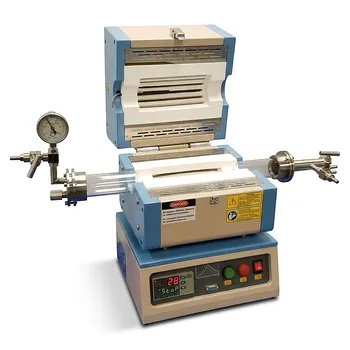
Compact Split Tube Furnace with Integrated Vacuum System and Precision Temperature Calibrator
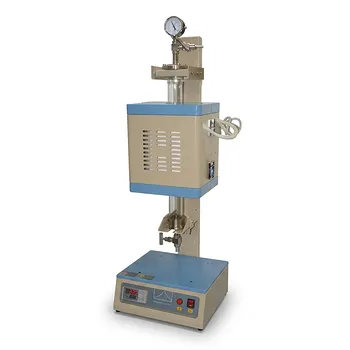
Compact Vertical Split Quartz Tube Furnace with Stainless Steel Vacuum Flanges for Rapid Thermal Quenching and Controlled Atmosphere Material Processing
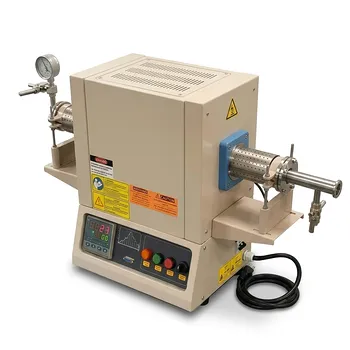
Compact High Temperature 1600C Tube Furnace with 50mm Alumina Tube and Vacuum Flanges for Material Sintering
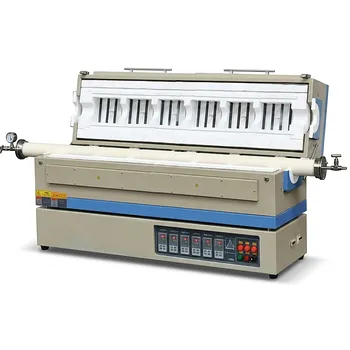
High Temperature 1700C Six Zone Split Tube Furnace with Alumina Tube and Water Cooled Flanges
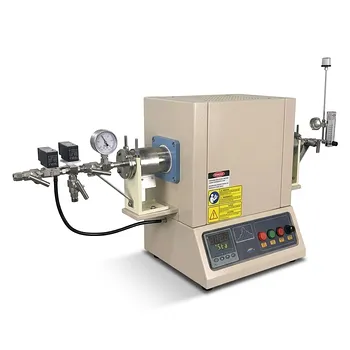
1500C Compact Hydrogen Gas Tube Furnace with 2 Inch Alumina Tube and Hydrogen Detector
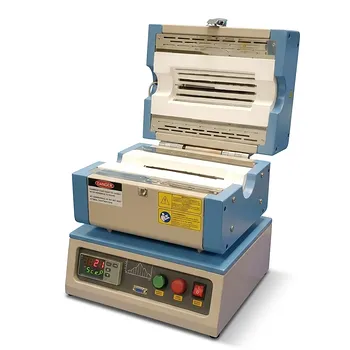
1250C Compact Split Tube Furnace with 8 Inch Heating Zone and Programmable Controller
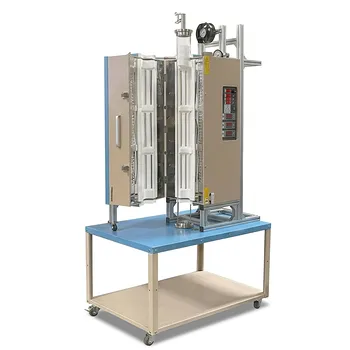
1200C Three Zone Split Vertical Tube Furnace 4 Inch Quartz Tube Stainless Steel Vacuum Flanges
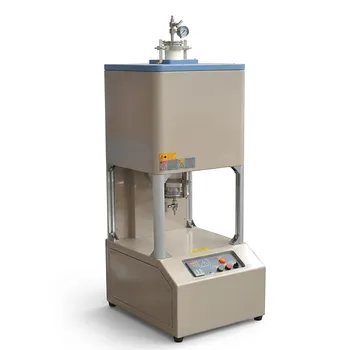
Vertical 1700C Vacuum and Atmosphere Tube Furnace with 80mm Alumina Tube
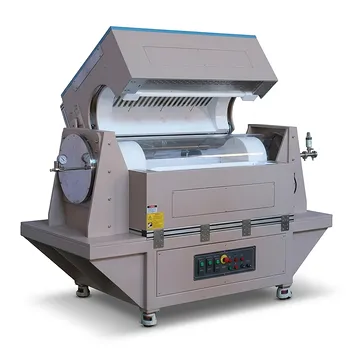
Three Zone Tube Furnace with 11 Inch or 15 Inch Quartz Tube and Hinged Flanges for Vacuum Atmosphere Heat Treatment
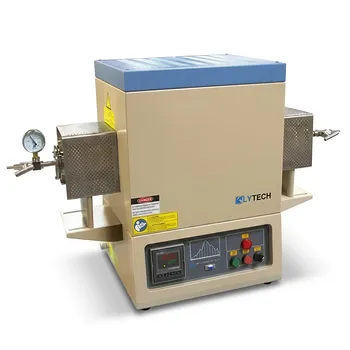
1800C High Temperature Compact Vacuum Tube Furnace with 60mm OD Alumina Tube and Kanthal MoSi2 Heating Elements
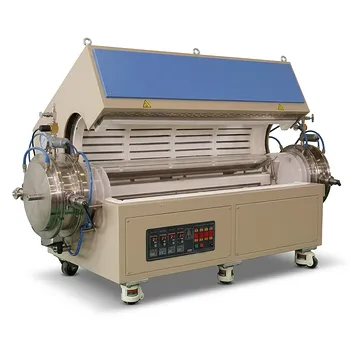
1200C Max Four Zone Split Tube Furnace with Optional Large Diameter Quartz Tubes
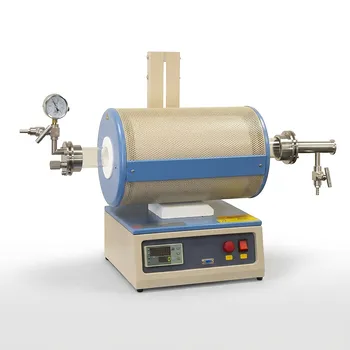
1100C Tube Furnace with Vacuum Flange and Programmable Temperature Controller for Material Science and Industrial Heat Treatment
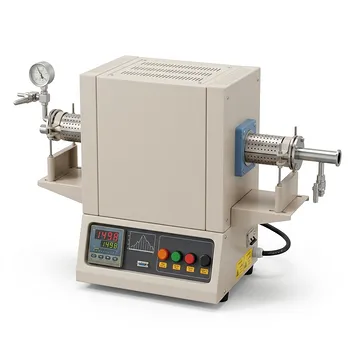
1500C High Temperature Compact Tube Furnace 2 Inch OD with Vacuum Flanges and Complete Accessories
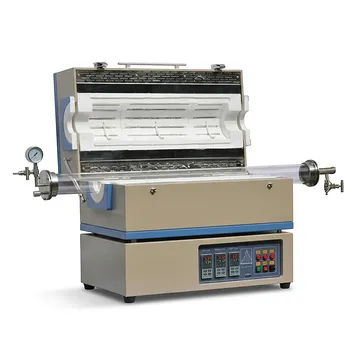
24 Inch Three Zone Split Tube Furnace with Optional Quartz Tube and Vacuum Flange System for High Temperature Material Synthesis
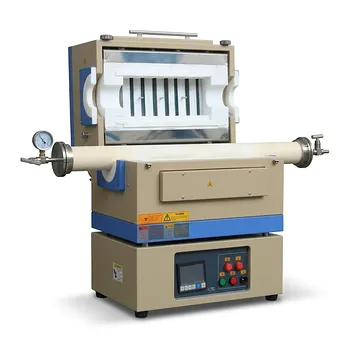
1500C Eight Zone Split Tube Furnace for Thermal Gradient Processing and Advanced Material Research
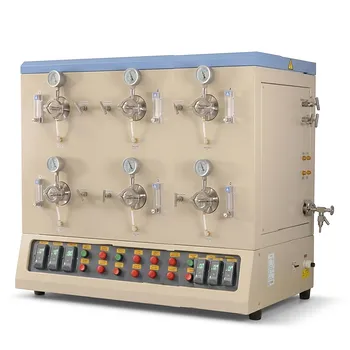
1200C High Throughput Multi Channel Tube Furnace with 50mm Quartz Tubes for Annealing and Material Phase Diagram Research
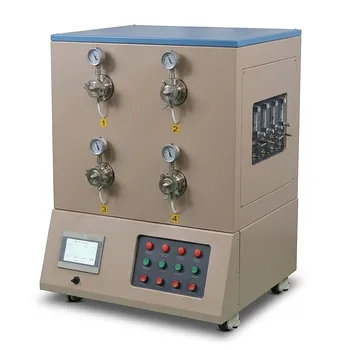
High Throughput 1200C Four Channel Tube Furnace with 3 Inch Quartz Tubes for Multi Zone Annealing and Material Research
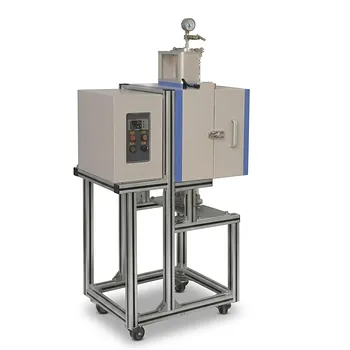
1200°C 5 Inch Vertical Quartz Tube Furnace with Stainless Steel Vacuum Flanges