What technical considerations are critical when selecting a process tube for high-temperature operations? Expert Guide
Updated 5 months ago
Selecting a process tube for high-temperature operations requires a precise alignment of material science with your thermal and chemical environment. The most critical factors are the material's maximum operating temperature, its chemical inertness to prevent contamination, and its resistance to structural degradation such as devitrification. Failure to match these variables often results in tube failure, sample impurity, or damage to heating elements.
Core Takeaway: To ensure process integrity, you must select a tube material that remains structurally stable and chemically inert at your peak temperature while resisting the specific corrosive or oxidative stresses of your furnace atmosphere.
Evaluating Thermal Thresholds and Structural Integrity
The Risks of Operating Above 1000 °C
While quartz is a common choice, it faces a hard limit near 1000 °C for extended use. Exceeding this temperature triggers devitrification, a process where the amorphous silica transforms into a crystalline state.
Consequences of Devitrification
This crystallization leads to a significant loss of structural integrity. As the tube cools, the different expansion rates between the crystalline and amorphous sections can cause the tube to crack or shatter.
Material Options for Extreme Heat
For operations exceeding the limits of quartz, materials like alumina or mullite are industry standards. In highly specialized or corrosive environments, refractory metals such as molybdenum or tungsten are utilized to maintain durability.
Chemical Inertness and Purity Standards
Preventing Catalyst and Sample Contamination
High-purity materials, such as quartz boats, are essential when synthesizing sensitive materials like carbon nanomaterials. They ensure that no metals or metal oxides leach into the reaction, maintaining the purity of the final product.
Stability in Corrosive Environments
The chemical environment inside the tube can be aggressive, necessitating materials that offer exceptional chemical inertness. This prevents the tube from reacting with catalysts or raw materials, which could otherwise compromise the experiment's results.
Thermal Shock Resistance
Certain applications require rapid heating and cooling cycles. Quartz is particularly valued for its ability to withstand these cycles without cracking, making it ideal for processes that do not exceed 900 °C to 1000 °C.
Compatibility with Heating Elements and Atmosphere
Interaction with MoSi2 Elements
The choice of tube material must also consider the heating elements, such as Molybdenum Disilicide (MoSi2). These elements require specific handling during cooling phases to prevent unwanted oxidation.
Managing Atmospheric Impact
The atmosphere inside the tube—whether vacuum, inert gas, or reducing gas—dictates how the tube material will age. Some materials may become porous or brittle depending on the chemical environment maintained during the process.
Understanding the Trade-offs
Thermal Shock vs. Maximum Temperature
The primary trade-off in tube selection is often between thermal shock resistance and maximum service temperature. Quartz offers incredible resistance to rapid temperature changes but fails at ultra-high temperatures where Alumina thrives.
Cost vs. Durability in Corrosive Settings
Refractory metals like tungsten provide unmatched resistance in specific corrosive environments but come at a much higher cost than ceramic alternatives. Using these materials requires a careful cost-benefit analysis regarding the expected lifespan of the tube.
Making the Right Choice for Your Goal
How to Apply This to Your Project
Selecting the correct tube is a balance of your peak temperature requirements and the sensitivity of your materials to impurities.
- If your primary focus is rapid thermal cycling below 1000 °C: Utilize high-purity quartz to take advantage of its excellent thermal shock resistance and chemical inertness.
- If your primary focus is ultra-high temperature stability (>1200 °C): Select alumina or mullite tubes, ensuring you account for their lower resistance to rapid temperature changes.
- If your primary focus is preventing metallic contamination: Stick to high-purity ceramic or quartz vessels to ensure no metal oxides interfere with your catalysts or reactants.
- If your primary focus is operating in highly corrosive atmospheres: Invest in refractory materials like molybdenum or tungsten to ensure the tube does not degrade during the process.
By meticulously matching your material choice to your thermal profile and chemical needs, you ensure both the safety of your equipment and the precision of your technical results.
Summary Table:
| Material | Max Operating Temp | Key Strength | Best For |
|---|---|---|---|
| Quartz | ~1000 °C | Thermal shock resistance | Rapid thermal cycling & high purity |
| Alumina | >1600 °C | High-temperature stability | Ultra-high temp R&D & stability |
| Mullite | ~1300-1500 °C | Economic durability | General industrial heat treatment |
| Refractory Metals | Very High | Corrosive resistance | Highly aggressive chemical environments |
Optimize Your Thermal Processing with THERMUNITS
Selecting the wrong process tube can lead to structural failure and contaminated samples. THERMUNITS is a leading manufacturer specializing in high-temperature laboratory equipment for material science and industrial R&D. We provide the technical expertise to help you match the right materials to your specific thermal and chemical needs.
Our comprehensive range of solutions includes:
- Furnaces: Muffle, Vacuum, Atmosphere, Tube, Rotary, Hot Press, and Dental Furnaces.
- Advanced Systems: CVD/PECVD systems, Electric Rotary Kilns, and Vacuum Induction Melting (VIM) furnaces.
- Components: High-quality Thermal Elements and specialized heat treatment equipment.
Ensure the integrity of your research and the longevity of your equipment with our precision-engineered solutions. Contact our technical team today to find the perfect furnace or replacement tube for your application!
Mentioned Products
- 1750°C High Temperature Benchtop Vacuum Atmosphere Tube Furnace with Kanthal Super 1800 Heating Elements and 60mm Alumina Processing Tube
- High Temperature Split Tube Furnace 1500C for Material Research Vacuum and Atmosphere Thermal Processing
- High Temperature 1700C Vertical Split Tube Furnace for Material Quenching and Single Crystal Growth
- High Temperature Tube Furnace 1500C with Sliding Flanges and 50mm OD for Rapid Thermal Processing Fast Heating and Cooling
- 1700C Hydrogen Gas Tube Furnace with 60mm Alumina Process Tube and Integrated Hydrogen Safety Detector
People Also Ask
- What core functions does a high-temperature vacuum tube furnace provide? Optimize np-CuSn Sintering & Joint Integrity
- What is the role of a high-temperature tube furnace in the calcination process of ZnO/In2O3 nanocomposites?
- What role does a high-temperature tube furnace play in the sulfidation heat treatment of CoS@C/MXene nanocomposites? Guide
- Why is a high-temperature tube furnace required for CuAlO2 heat treatment? Master Phase Transformation Today
- What role does a high-temperature tube furnace play in executing nitrogen absorption kinetic experiments? Expert Insights

Tech Team · ThermUnits
Last updated on Apr 14, 2026
Related Products
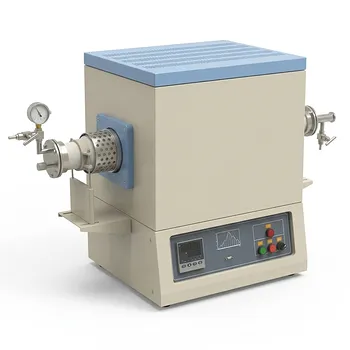
1750°C High Temperature Benchtop Vacuum Atmosphere Tube Furnace with Kanthal Super 1800 Heating Elements and 60mm Alumina Processing Tube
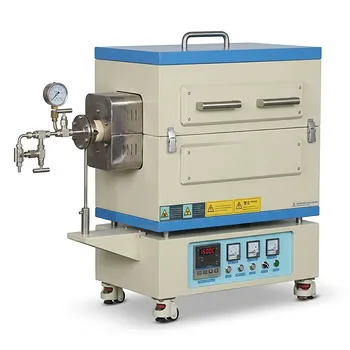
High Temperature Split Tube Furnace 1500C for Material Research Vacuum and Atmosphere Thermal Processing
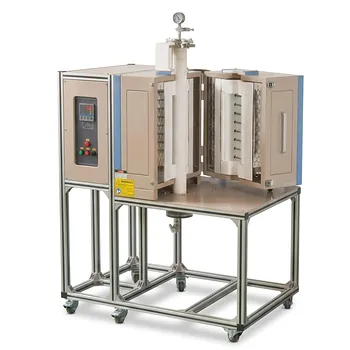
High Temperature 1700C Vertical Split Tube Furnace for Material Quenching and Single Crystal Growth

High Temperature Tube Furnace 1500C with Sliding Flanges and 50mm OD for Rapid Thermal Processing Fast Heating and Cooling
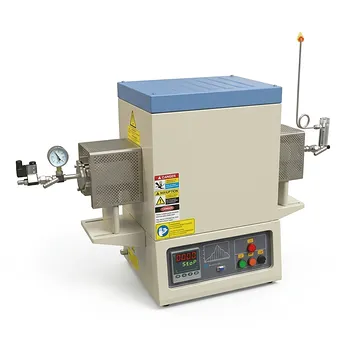
1700C Hydrogen Gas Tube Furnace with 60mm Alumina Process Tube and Integrated Hydrogen Safety Detector
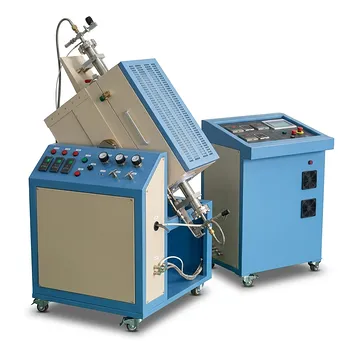
1100C High Pressure Rocking Tube Furnace with 2 Inch Super Alloy Processing Tube for Material Synthesis
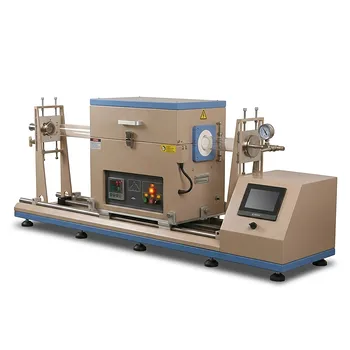
1200C Sliding Tube Furnace for Rapid Thermal Processing and CVD Graphene Growth with 100mm OD Capacity

Compact High Temperature 1600C Tube Furnace with 50mm Alumina Tube and Vacuum Flanges for Material Sintering

1800C High Temperature Compact Vacuum Tube Furnace with 60mm OD Alumina Tube and Kanthal MoSi2 Heating Elements

High Temperature 1700C Benchtop Tube Furnace with 5 Inch Heating Zone High Purity Alumina Tube and Vacuum Sealing Flanges
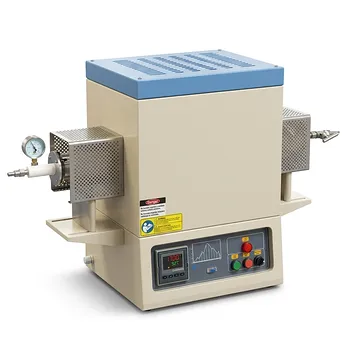
High Temperature Three Zone Tube Furnace 1700C with Alumina Tube and Water Cooled Flanges

High Temperature 1700C Vertical Tube Furnace for Powder Spherification and Material Sintering
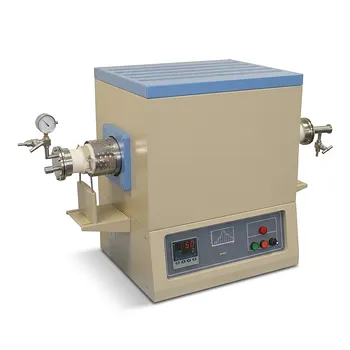
1700C High Temperature Alumina Tube Furnace with 18 Inch Heated Zone and Vacuum Sealing Flanges
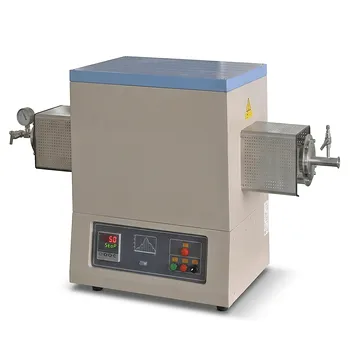
High Temperature 1700C Tube Furnace with 4 Inch OD Alumina Tube and Vacuum Sealing Flanges

High Temperature 1700C Tube Furnace with High Vacuum Turbomolecular Pump System and Multi Channel Mass Flow Controller Gas Mixer

High Temperature Automated 5 Inch Tube Furnace for Autonomous Material Research and Advanced Laboratory R&D
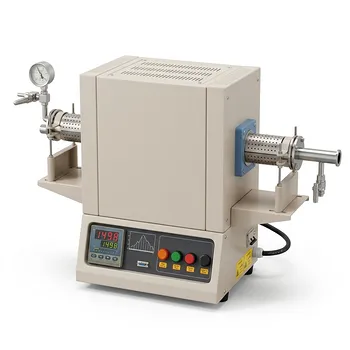
1500C High Temperature Compact Tube Furnace 2 Inch OD with Vacuum Flanges and Complete Accessories
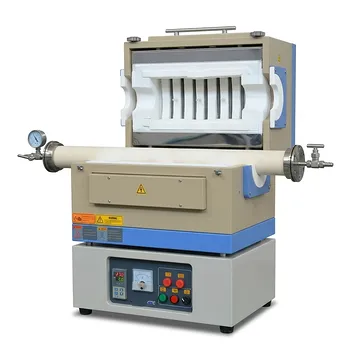
High Temperature 1600C Split Tube Furnace Vacuum Flanges Valves Optional 60mm 80mm Alumina Tube
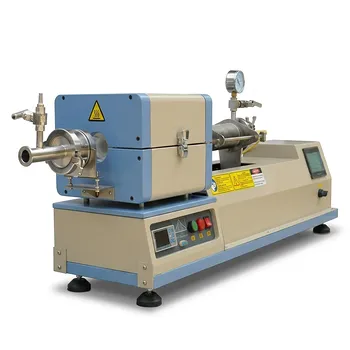
High Temperature 1200C Split Tube Furnace with Internal Travel Mechanism for HPCVD and Crystal Growth Research