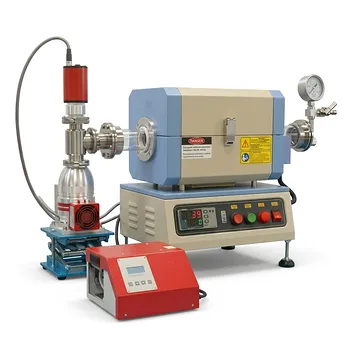
Why are quartz tube sealing and vacuum systems necessary for the homogenization annealing of Fe-Ni-Cu diffusion couple samples?
Updated 3 months ago
Quartz tube sealing and vacuum systems are indispensable for the homogenization of Fe-Ni-Cu diffusion couples because they create an oxygen-free micro-environment that prevents surface oxidation and elemental depletion. During high-temperature treatments (typically around 1000°C), these systems ensure the alloy's chemical composition remains constant, allowing atomic diffusion to be driven solely by concentration gradients rather than external chemical reactions.
Core Takeaway: Vacuum-sealed quartz environments isolate Fe-Ni-Cu samples from atmospheric oxygen and moisture, preventing the formation of oxide impurities and ensuring that the resulting diffusion data accurately reflects the material's internal thermodynamic properties.
Protecting Chemical and Structural Integrity
Prevention of Surface Oxidation
At 1000°C, iron and nickel are highly reactive with even trace amounts of oxygen. Sealing samples in a vacuum prevents the formation of oxide scales or complex impurities like FeNi₂O₄, which would otherwise contaminate the sample surface and interfere with the diffusion interface.
Maintaining Compositional Constancy
Homogenization requires the chemical profile of the alloy to remain stable over long periods. Without a sealed, inert environment, volatile elements could escape or react with the atmosphere, leading to elemental depletion that shifts the intended composition of the Fe-Ni-Cu ternary system.
Isolation from Atmospheric Moisture
High-purity quartz tubes act as a physical barrier against moisture and other atmospheric contaminants. This isolation is critical for ensuring that the atomic rearrangement within the lattice is a result of thermal activation rather than unintended chemical surface reactions.
Ensuring Accurate Diffusion Measurements
Eliminating External Interference
In a diffusion couple, the goal is to measure how atoms migrate across an interface based on concentration gradients. If oxidation occurs, it creates a "chemical sink" or barrier at the surface that distorts these gradients, leading to inaccurate diffusion coefficients and flawed kinetic data.
Facilitating Long-Duration Stability
Homogenization often requires hundreds of hours to reach a state of thermodynamic equilibrium. Quartz is used because it maintains its structural sealing integrity at extreme temperatures, providing a reliable, low-pressure environment (often reaching 10⁻⁵ mbar) for the entire duration of the thermal cycle.
Controlled Inert Atmosphere
The process often involves cycles of vacuum extraction followed by high-purity argon purging. This redundant approach ensures that any residual oxygen is flushed out, creating a nearly perfect inert environment that is impossible to achieve in a standard atmospheric furnace.
Understanding the Trade-offs and Risks
Fragility and Thermal Shock
While quartz is excellent for high-temperature sealing, it is inherently brittle. Rapid cooling or heating can lead to thermal shock, causing the tube to shatter and instantly exposing the hot samples to the atmosphere, which would ruin the diffusion couple.
Pressure Limitations
The vacuum level inside a sealed tube is static; if any outgassing occurs from the sample itself during heating, the internal pressure will rise. Unlike a continuous-flow vacuum furnace, a sealed tube cannot actively remove these newly released gases, which may lead to minor surface discoloration if the sample is not properly cleaned beforehand.
Cost and Complexity
Preparing high-purity quartz tubes, performing vacuum-sealing with a torch, and executing argon purge cycles adds significant time and material costs to the experiment. However, these steps are considered a technical necessity to ensure the scientific validity of the homogenization process.
How to Apply This to Your Project
Recommendations for Success
- If your primary focus is precise kinetic data: Use high-performance vacuum systems to reach at least 10⁻⁵ mbar before sealing to ensure no pre-oxidation occurs.
- If your primary focus is material purity: Prioritize multiple argon purging cycles to displace any trapped air pockets within the quartz tube or sample crevices.
- If your primary focus is long-term stability: Ensure the quartz tube wall thickness is sufficient to withstand the external atmospheric pressure at 1000°C without collapsing or deforming.
By strictly controlling the atmosphere through vacuum-sealed quartz, you ensure that the Fe-Ni-Cu alloy evolves through internal atomic diffusion rather than external environmental degradation.
Summary Table:
| Requirement | Technical Purpose | Key Benefit for Fe-Ni-Cu |
|---|---|---|
| Oxygen-Free Micro-environment | Prevents oxide scale formation (e.g., FeNi₂O₄) | Protects chemical and structural integrity |
| Vacuum Sealing (10⁻⁵ mbar) | Stops volatile element escape | Maintains exact alloy composition |
| High-Purity Quartz Tube | Provides a physical atmospheric barrier | Ensures long-duration thermal stability |
| Argon Purging Cycles | Flushes residual moisture/contaminants | Eliminates external chemical interference |
Achieve Precision in Your Thermal Research with THERMUNITS
Successful homogenization annealing requires absolute control over the thermal environment. As a leading manufacturer of high-temperature laboratory equipment for material science and industrial R&D, THERMUNITS offers the specialized solutions needed to maintain the integrity of your diffusion couple samples.
Whether you need advanced Vacuum Furnaces, Tube Furnaces for quartz sealing applications, or complex CVD/PECVD systems, our equipment is designed to deliver uniform heating and precise atmosphere control. From Muffle and Atmosphere furnaces to Hot Press and Vacuum Induction Melting (VIM) systems, we empower researchers to achieve flawless results in heat treatment.
Ready to upgrade your lab's capabilities? Contact THERMUNITS today to discuss our comprehensive range of thermal processing solutions and find the perfect fit for your research goals.
References
- Susanta Kumar Nayak, Kaustubh N. Kulkarni. Effect of Gibbs Free Energies of Terminal Alloys on the Diffusion Paths and Diffusion Depths in Couples Assembled with γ-Phase Fe-Ni-Cu Alloys at 1000 °C. DOI: 10.1007/s11669-024-01101-2
Mentioned Products
- 24 Inch Three Zone Split Tube Furnace with Optional Quartz Tube and Vacuum Flange System for High Temperature Material Synthesis
- Three Zone Tube Furnace with 11 Inch or 15 Inch Quartz Tube and Hinged Flanges for Vacuum Atmosphere Heat Treatment
- Compact Vertical Split Quartz Tube Furnace with Stainless Steel Vacuum Flanges for Rapid Thermal Quenching and Controlled Atmosphere Material Processing
- High Temperature Rocking Tube Furnace with Quartz Tube and Vacuum Flange for Materials Synthesis
- 1000C Mini Tube Furnace with 20mm Quartz Tube and Vacuum Flanges for Material Science Research and Controlled Atmosphere Small Sample Processing
People Also Ask
- What is the primary engineering purpose for using a customized ventilation hood when operating a split tube furnace? RCF Safety
- How does a split tube furnace facilitate debinding of ceramic green bodies? Master Precise Thermal & Atmosphere Control
- How does a split tube furnace contribute to the thermal stabilization of Clignin@H-TiO2? Achieve Structural Precision
- What are the specific advantages and use cases for a split tube furnace? Optimize Lab Efficiency & Material Research
- What are the advantages of using a split tube furnace for heating a catalytic reactor? Boost Efficiency and Precision

Tech Team · ThermUnits
Last updated on Jun 03, 2026
Related Products
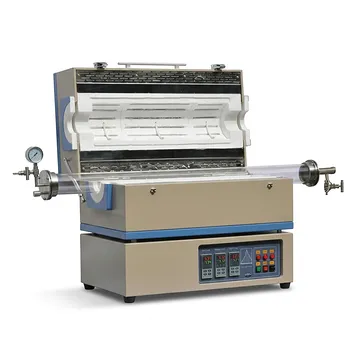
24 Inch Three Zone Split Tube Furnace with Optional Quartz Tube and Vacuum Flange System for High Temperature Material Synthesis
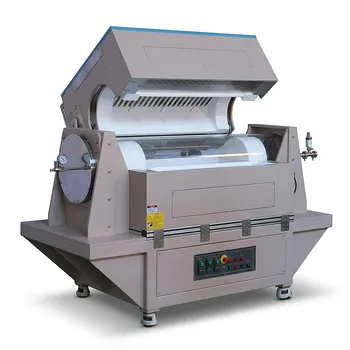
Three Zone Tube Furnace with 11 Inch or 15 Inch Quartz Tube and Hinged Flanges for Vacuum Atmosphere Heat Treatment

Compact Vertical Split Quartz Tube Furnace with Stainless Steel Vacuum Flanges for Rapid Thermal Quenching and Controlled Atmosphere Material Processing
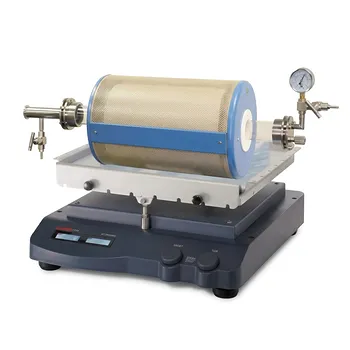
High Temperature Rocking Tube Furnace with Quartz Tube and Vacuum Flange for Materials Synthesis
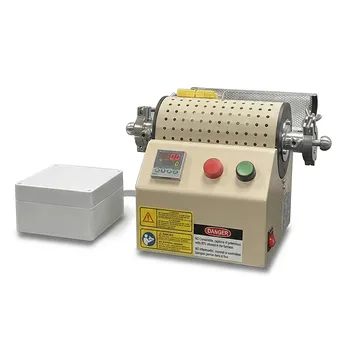
1000C Mini Tube Furnace with 20mm Quartz Tube and Vacuum Flanges for Material Science Research and Controlled Atmosphere Small Sample Processing
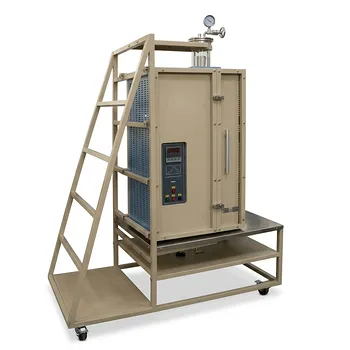
Split Vertical Tube Furnace with 1200C Quartz Tube and Stainless Steel Vacuum Flanges for Rapid Thermal Processing
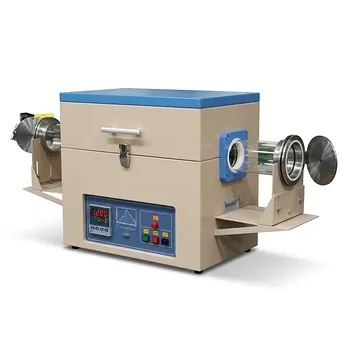
High Temperature 1200C Split Tube Furnace with Hinged Vacuum Flanges and 4 Inch Quartz Tube for Laboratory Research
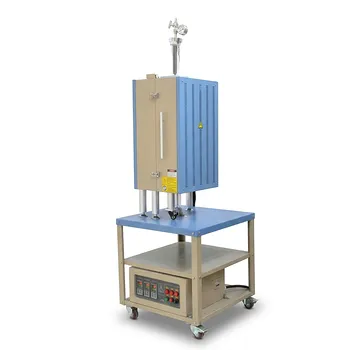
1200C Three Zone Vertical Tube Furnace with 2 Inch Quartz Tube and Vacuum Flanges
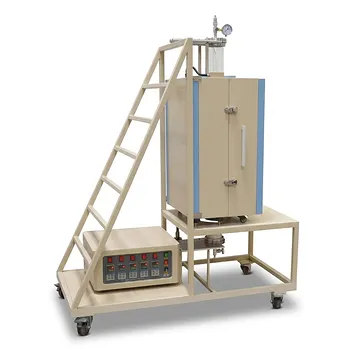
Five Zone Split Vertical Tube Furnace 1200C Max with 4 Inch Quartz Tube and Stainless Steel Vacuum Flanges
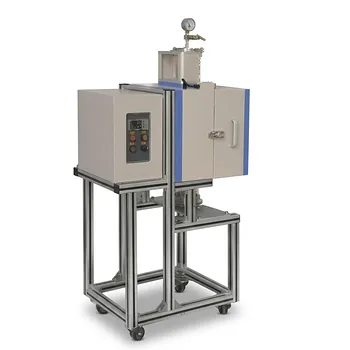
1200°C 5 Inch Vertical Quartz Tube Furnace with Stainless Steel Vacuum Flanges
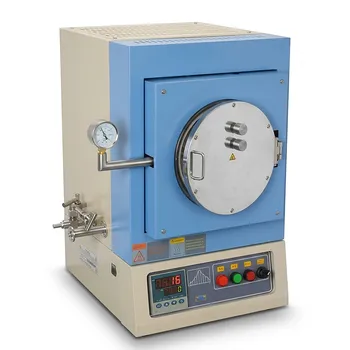
1100°C High Temperature Quartz Chamber Furnace 8 Inch OD with 7.6 Liter Capacity and Vacuum Atmosphere Capability
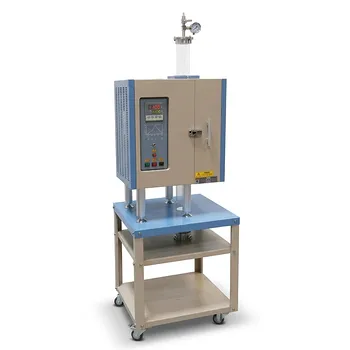
1100°C Split Vertical Tube Furnace with 80mm Quartz Tube and Stainless Steel Vacuum Flanges
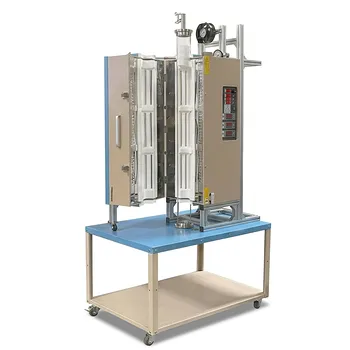
1200C Three Zone Split Vertical Tube Furnace 4 Inch Quartz Tube Stainless Steel Vacuum Flanges

High Temperature Automated 5 Inch Tube Furnace for Autonomous Material Research and Advanced Laboratory R&D
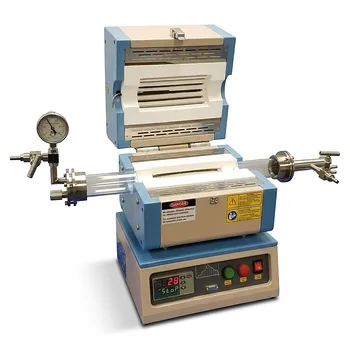
Compact Split Tube Furnace with Integrated Vacuum System and Precision Temperature Calibrator
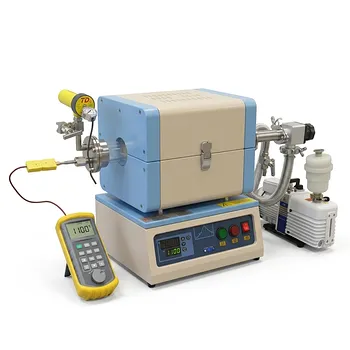
Compact Split Tube Furnace with Insertable Temperature Calibrator and Integrated Vacuum System
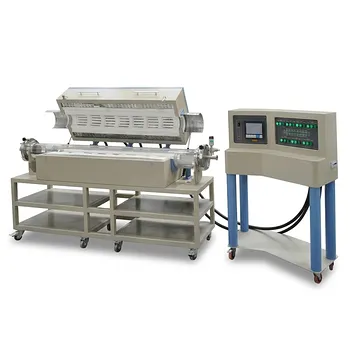
Seven Zone 1200C Split Tube Furnace with Precision Temperature Controller and Quick Flange Vacuum System
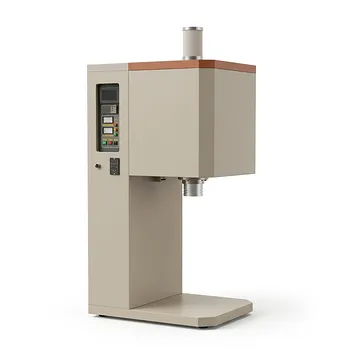
Vertical Openable Tube Furnace 0-1700c High Temperature Laboratory System for CVD and Vacuum Heat Treatment
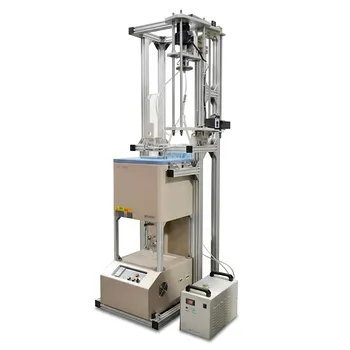
500C Vacuum Vertical Tube Furnace 84mm OD Sample Rotation Lifting System