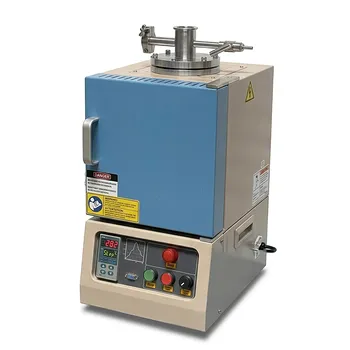
Why is a high-temperature atmosphere tube furnace required for post-treatment after ion implantation? Optimize 316L Plates
Updated 3 months ago
A high-temperature atmosphere tube furnace is the critical catalyst for stabilizing the surface chemistry and physical structure of 316L stainless steel after ion implantation. Following the implantation process, the furnace provides a controlled thermal environment that repairs lattice damage and facilitates the precipitation of conductive molybdenum carbides. This post-treatment ensures the modified layer achieves the necessary chemical stability and corrosion resistance required for high-performance fuel cell bipolar plates.
Core Takeaway: The furnace transforms a damaged, metastable surface into a stable, conductive, and corrosion-resistant protective layer by managing atomic diffusion and chemical reactions under a strictly controlled environment.
Structural Restoration and Phase Transformation
Repairing Irradiation Damage
Ion implantation is a high-energy process that forcibly drives ions into the metal lattice, causing significant irradiation damage and structural disruption. The high-temperature furnace provides the thermal energy required for atoms to rearrange themselves back into a stable lattice configuration.
Inducing Molybdenum Carbide Formation
The heat treatment encourages injected molybdenum and carbon atoms to undergo specific chemical reactions. This induces the formation of molybdenum carbide ($Mo_2C$) precipitates, which are essential for achieving high electrical conductivity and excellent chemical stability in the bipolar plate's operating environment.
Promoting Surface Homogenization
Thermal treatment facilitates the redistribution of implanted elements through solid-state diffusion. This homogenization of the surface structure ensures that the modified layer is uniform, which significantly extends the corrosion resistance life of the 316L substrate.
Protecting Material Integrity through Atmosphere Control
Preventing Surface Oxidation
316L stainless steel is highly sensitive to oxygen at elevated temperatures. Utilizing a furnace with a high vacuum (reaching levels like $9 \times 10^{-3}$ mbar) or a protective atmosphere prevents the formation of unwanted oxide layers that would otherwise degrade the plate's conductivity.
Inhibiting Chromium Depletion
At high temperatures, chromium—the element responsible for stainless steel's corrosion resistance—can migrate or deplete if the environment is not strictly controlled. A stable thermal field ensures that alloy element distribution is governed by diffusion kinetics rather than interference from external oxidation.
Eliminating Residual Stresses
The manufacturing and implantation processes generate significant internal stresses that can lead to component distortion. Maintaining specific temperatures, such as 1050°C, allows for the annihilation of excessive dislocations and the relaxation of these stresses without compromising the material's core strength.
Understanding the Trade-offs
The Risk of Over-Treatment
While high temperatures are necessary for diffusion, excessive heat or prolonged holding times can lead to grain growth. This may reduce the mechanical hardness of the 316L steel, potentially making the bipolar plates more susceptible to physical wear over time.
Atmosphere Precision Requirements
Failure to maintain a sufficiently high vacuum or a pure inert atmosphere can lead to decarburization or the evaporation of elements with low vapor pressure. If the atmosphere is compromised, the intended $Mo_2C$ phases may not form correctly, resulting in a surface that is neither conductive nor corrosion-resistant.
How to Apply This to Your Project
Recommendations for Implementation
- If your primary focus is Maximum Conductivity: Prioritize the precise control of the $Mo_2C$ precipitation phase by maintaining a stable isothermal environment for the duration of the reaction.
- If your primary focus is Corrosion Longevity: Ensure the furnace vacuum levels are strictly monitored (ideally below $10^{-3}$ mbar) to prevent chromium depletion and ensure a dense, oxide-free modified layer.
- If your primary focus is Dimensional Stability: Utilize a controlled cooling cycle following the high-temperature hold to prevent the re-introduction of thermal stresses that could warp thin bipolar plates.
A correctly executed post-treatment in a controlled atmosphere furnace is the definitive step in turning a treated metal substrate into a high-performance electrochemical component.
Summary Table:
| Key Benefit | Description | Importance for 316L Bipolar Plates |
|---|---|---|
| Structural Repair | Heals lattice damage caused by high-energy ion implantation. | Restores material integrity and physical stability. |
| Phase Transformation | Facilitates molybdenum carbide ($Mo_2C$) precipitation. | Ensures high electrical conductivity for fuel cell efficiency. |
| Oxidation Control | High vacuum ($<10^{-3}$ mbar) prevents surface oxide layers. | Maintains surface purity and conductive pathways. |
| Stress Relief | Annihilates dislocations and internal residual stresses. | Prevents component warping and dimensional distortion. |
| Surface Homogenization | Promotes uniform solid-state diffusion of implanted elements. | Extends corrosion resistance life in harsh environments. |
Elevate Your Material Research with THERMUNITS
Precision is non-negotiable when treating advanced materials like 316L stainless steel. THERMUNITS is a leading manufacturer of high-temperature laboratory equipment, providing the specialized thermal environments necessary for superior material science and industrial R&D.
Whether you are repairing lattice damage or inducing specific phase transformations, our comprehensive range of equipment is designed for accuracy and reliability:
- Atmosphere & Vacuum Tube Furnaces (Ideal for ion implantation post-treatment)
- Muffle, Rotary, and Hot Press Furnaces
- CVD/PECVD Systems for advanced thin-film coatings
- Vacuum Induction Melting (VIM) & Dental Furnaces
Don't let oxidation or inconsistent heating compromise your fuel cell components. Contact THERMUNITS today to discuss your specific heat treatment requirements and discover how our advanced furnace technology can optimize your research outcomes.
References
- Ruijuan Wang, Chengfei Zhu. Ion Implantation Combined with Heat Treatment Enables Excellent Conductivity and Corrosion Resistance of Stainless Steel Bipolar Plates for Hydrogen Fuel Cells. DOI: 10.3390/ma17040779
Mentioned Products
- High Temperature 1200C Split Tube Furnace for CVD Research and Vacuum Atmosphere Heat Treatment
- 1750°C High Temperature Benchtop Vacuum Atmosphere Tube Furnace with Kanthal Super 1800 Heating Elements and 60mm Alumina Processing Tube
- 1650C High Temperature Atmosphere Controlled Box Furnace with 65L Chamber for Advanced Material Sintering and Industrial Heat Treatment
- High Temperature 1700C Vertical Tube Furnace for Powder Spherification and Material Sintering
- 1700C High Temperature Alumina Tube Furnace with 18 Inch Heated Zone and Vacuum Sealing Flanges
People Also Ask
- What is the primary function of a high-temperature split tube furnace in nitrogen metastable particle research? Expert Guide
- What core functions does a high-temperature vacuum tube furnace provide? Optimize np-CuSn Sintering & Joint Integrity
- Why is a Tube Furnace typically utilized for CVD? Achieve Precision in Graphene and 2D Material Synthesis
- What role does a high-temperature tube atmosphere furnace play in the carbonization of 3D-printed precursors? Expert Guide
- What role does a high-temperature tube atmosphere furnace play in the solid-state synthesis of CaGa4O7:Mn2+ phosphor?

Tech Team · ThermUnits
Last updated on Jun 03, 2026
Related Products
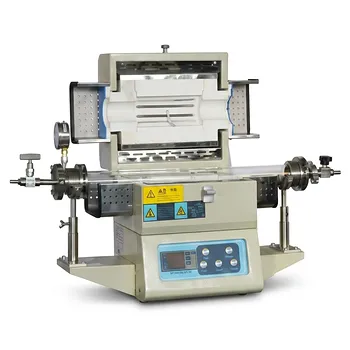
High Temperature 1200C Split Tube Furnace for CVD Research and Vacuum Atmosphere Heat Treatment
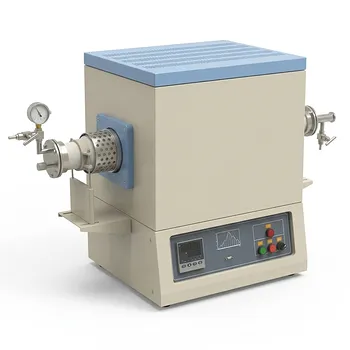
1750°C High Temperature Benchtop Vacuum Atmosphere Tube Furnace with Kanthal Super 1800 Heating Elements and 60mm Alumina Processing Tube
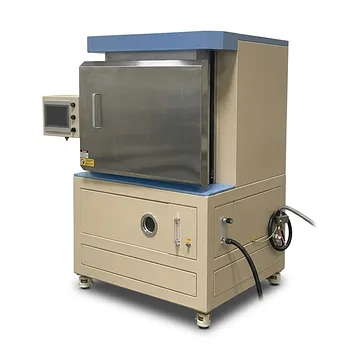
1650C High Temperature Atmosphere Controlled Box Furnace with 65L Chamber for Advanced Material Sintering and Industrial Heat Treatment

High Temperature 1700C Vertical Tube Furnace for Powder Spherification and Material Sintering
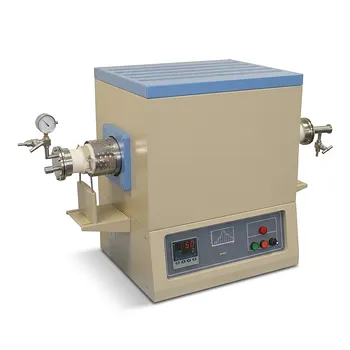
1700C High Temperature Alumina Tube Furnace with 18 Inch Heated Zone and Vacuum Sealing Flanges
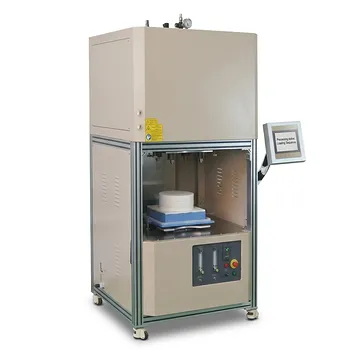
High Temperature Vertical Atmosphere Controlled Furnace with Automatic Bottom Loading and 1700°C Capacity for Advanced Material Research
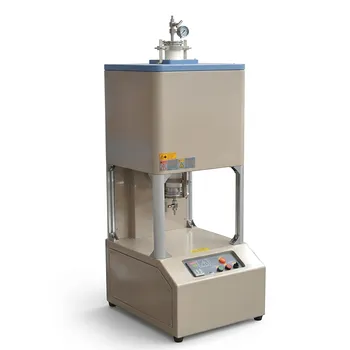
Vertical 1700C Vacuum and Atmosphere Tube Furnace with 80mm Alumina Tube
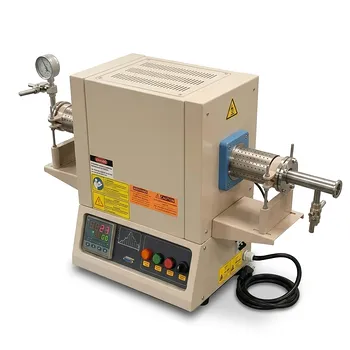
Compact High Temperature 1600C Tube Furnace with 50mm Alumina Tube and Vacuum Flanges for Material Sintering
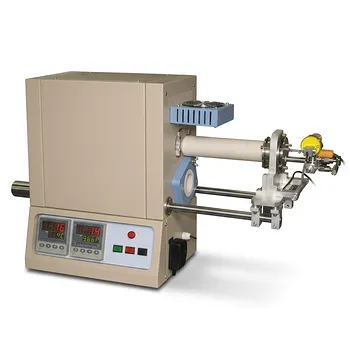
High Temperature Tube Furnace 1500C with Sliding Flanges and 50mm OD for Rapid Thermal Processing Fast Heating and Cooling
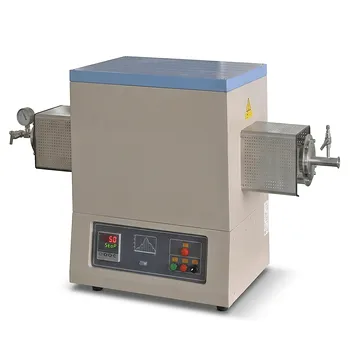
High Temperature 1700C Tube Furnace with 4 Inch OD Alumina Tube and Vacuum Sealing Flanges
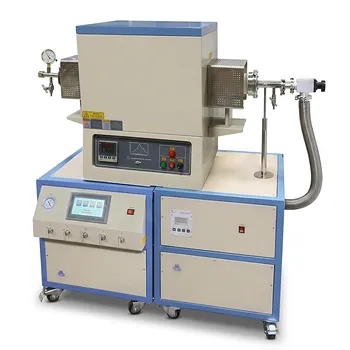
High Temperature 1700C Tube Furnace with High Vacuum Turbomolecular Pump System and Multi Channel Mass Flow Controller Gas Mixer
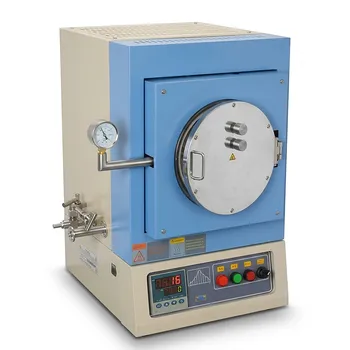
1100°C High Temperature Quartz Chamber Furnace 8 Inch OD with 7.6 Liter Capacity and Vacuum Atmosphere Capability
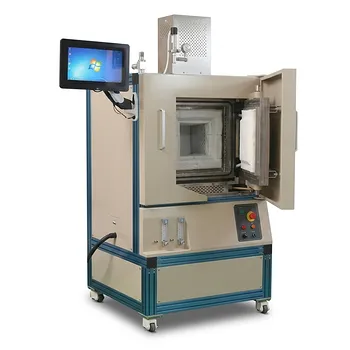
High Temperature Oxygen and Inert Atmosphere Controlled Furnace 8 Liter 1700C Sintering System for Advanced Materials RD
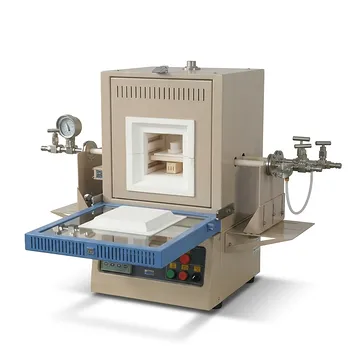
1700C Compact Hybrid Furnace with Dual Layer Box Sintering and Controlled Atmosphere Alumina Tubes

High Temperature 1700C Benchtop Tube Furnace with 5 Inch Heating Zone High Purity Alumina Tube and Vacuum Sealing Flanges

1800C High Temperature Compact Vacuum Tube Furnace with 60mm OD Alumina Tube and Kanthal MoSi2 Heating Elements

High Temperature Automated 5 Inch Tube Furnace for Autonomous Material Research and Advanced Laboratory R&D
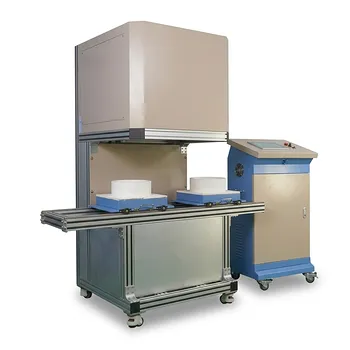
High Temperature Bottom Loading Vertical Furnace 1700C Dual Stage Sample Processing System 18L Large Capacity Thermal Treatment Equipment
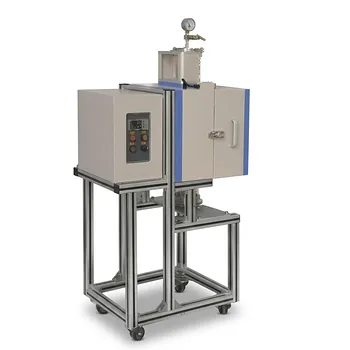
1200°C 5 Inch Vertical Quartz Tube Furnace with Stainless Steel Vacuum Flanges