Why is a high-temperature tube furnace required during the activation stage of molecular sieve catalysts? Expert Guide
Updated 3 months ago
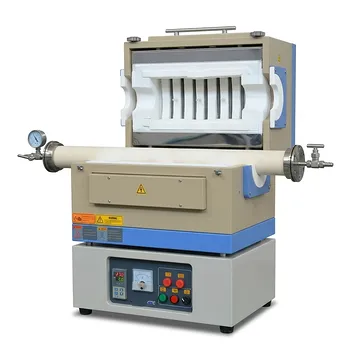
A high-temperature tube furnace is the fundamental tool for catalyst activation. It provides the precise combination of a stable thermal field and a controlled chemical atmosphere required to transform a raw precursor into a functional catalyst. Without this specific environment, molecular sieves cannot achieve the high dispersion of active sites or the clear pore structures necessary for industrial chemical reactions.
Core Takeaway: The activation stage requires a tube furnace to remove organic templates, clear internal pores of moisture and volatiles, and facilitate the chemical bonding or reduction of active metals under a strictly regulated atmosphere.
Precision Control of the Thermal Environment
Maintaining Thermal Stability for Phase Transformation
Activation often occurs at specific temperatures, such as 550°C for HZSM-5 or up to 850°C for carbon-based materials. The tube furnace ensures a stable high-temperature thermal field, which is critical for inducing specific crystal phase transformations, such as moving zirconia into a stable tetragonal structure.
Ensuring Uniform Heat Distribution
Unlike standard ovens, a tube furnace provides uniform heating across the catalyst bed. This uniformity prevents local "hot spots" that could collapse the delicate framework of the molecular sieve, ensuring the final product has consistent catalytic activity.
Atmospheric Management and Chemical Transformation
Removal of Organic Templates and Volatiles
During synthesis, molecular sieves often contain organic template agents like CTAB that occupy the pore space. The high-temperature environment of the furnace thermally decomposes these agents and sweeps away residual moisture and volatiles, effectively "opening" the pores for future reactants.
Facilitating Reduction and Chemical Bonding
Many catalysts require a specific gas environment, such as a reducing atmosphere (H2/He), to convert metal precursors into active metallic particles. The sealed nature of a tube furnace allows for the introduction of high-purity gases that promote high dispersion and chemical bonding of active metals onto the support surface.
Preventing Unwanted Oxidation
For materials sensitive to oxygen, such as carbon-based catalysts or certain high-entropy supports, the furnace provides a strictly oxygen-free environment using inert gases like nitrogen or argon. This prevents the oxidation and loss of the catalyst material during high-heat treatment.
Structural Integrity and Surface Architecture
Creating Efficient Catalytic Active Sites
The activation process is where the "magic" happens; the furnace environment induces the formation of active acidic sites or metallic alloys. By precisely controlling the temperature and time, researchers can ensure these sites are fully exposed and firmly anchored to the carrier.
Optimizing Porosity and Surface Area
In the presence of activation agents like KOH or potassium bicarbonate, the high-temperature furnace facilitates a vigorous chemical reaction that ablates the surface. This process creates a rich microporous structure, significantly increasing the specific surface area and improving the catalyst's efficiency.
Understanding the Trade-offs
Precision vs. Throughput
While tube furnaces offer unmatched control over the atmosphere and temperature profile, they are generally limited in batch size. For large-scale industrial production, the transition from a laboratory-scale tube furnace to a continuous rotary kiln can introduce challenges in maintaining the same level of active site dispersion.
Gas Consumption and Safety
Operating a tube furnace with specialized gases like hydrogen or argon increases operational costs and requires robust safety protocols. Furthermore, improper sealing can lead to atmospheric contamination, which may poison sensitive catalysts or lead to inconsistent experimental results.
How to Apply This to Your Project
Making the Right Choice for Your Goal
- If your primary focus is template removal from HZSM-5: Use a stable 550°C thermal field in a tube furnace to ensure all organic residues are cleared without damaging the acidic sites.
- If your primary focus is metal precursor reduction: Utilize an atmosphere-controlled tube furnace with a precise H2/He mixture to reduce metals like platinum into highly active particles.
- If your primary focus is maximizing specific surface area: Employ a high-purity argon atmosphere at temperatures above 750°C to facilitate the chemical etching of pores by activation agents.
By leveraging the precise thermal and atmospheric control of a tube furnace, you can transition a molecular sieve from a dormant precursor to a highly efficient, stable catalytic tool.
Summary Table:
| Activation Requirement | Tube Furnace Function | Impact on Catalyst |
|---|---|---|
| Template Removal | Controlled thermal decomposition | Opens internal pores and clears residues |
| Metal Reduction | Precise atmosphere control (H2/He) | Ensures high dispersion of active sites |
| Phase Stability | Uniform thermal field | Prevents framework collapse and hot spots |
| Surface Etching | High-temp chemical management | Increases specific surface area and efficiency |
Elevate Your Catalyst Research with THERMUNITS
Precision is the difference between a dormant precursor and a high-performance catalyst. THERMUNITS is a leading manufacturer of high-temperature laboratory equipment, providing the advanced thermal solutions necessary for cutting-edge material science and industrial R&D.
Our equipment is engineered to provide the stable thermal fields and strict atmospheric management required for successful activation. Our comprehensive range includes:
- Tube & Rotary Furnaces: Ideal for precise catalyst activation and scaling.
- Atmosphere & Vacuum Furnaces: For oxygen-free or specialized gas treatments.
- CVD/PECVD & VIM Systems: Supporting complex chemical vapor deposition and melting needs.
- Muffle, Hot Press, & Dental Furnaces: Versatile solutions for every laboratory scale.
Don't settle for inconsistent results. Contact our technical experts today to discuss your specific heat treatment requirements and discover how our high-performance furnaces can optimize your R&D workflow.
References
- Zheng Dong, Quan Bu. Hydrocarbon-Rich Bio-Oil Production from Ex Situ Catalytic Microwave Co-Pyrolysis of Peanut Shells and Low-Density Polyethylene over Zn-Modified Hierarchical Zeolite. DOI: 10.3390/catal14010088
Mentioned Products
- High Temperature 1700C Vertical Tube Furnace for Powder Spherification and Material Sintering
- High Temperature Rocking Tube Furnace 1700°C Alumina Processing Tube with Precision Oscillation for Material Synthesis
- Compact High Temperature 1600C Tube Furnace with 50mm Alumina Tube and Vacuum Flanges for Material Sintering
- High Temperature Tube Furnace 1500C with Sliding Flanges and 50mm OD for Rapid Thermal Processing Fast Heating and Cooling
- High Temperature 1800C Atmosphere Tube Furnace for CVD Research and Vacuum Sintering Precision Heat Treatment
People Also Ask
- What role does a high-temperature vertical tube furnace play in simulating high-carbon ferromanganese slag formation?
- What functions does a vertical high-temperature tube furnace perform? Master Industrial Sintering & R&D Simulation
- What impact does the heating rate of a tube furnace have on biochar microstructure? Optimize Your Material R&D.
- What is the primary function of a high-temperature tube furnace in Cu1-N-C synthesis? Precision Thermal Control.
- High-Temp Tube Furnace Role in Converting Microbial Proteins to Iron Single-Atom Sites: Expert Synthesis Guide

Tech Team · ThermUnits
Last updated on Jun 02, 2026
Related Products

High Temperature 1700C Vertical Tube Furnace for Powder Spherification and Material Sintering
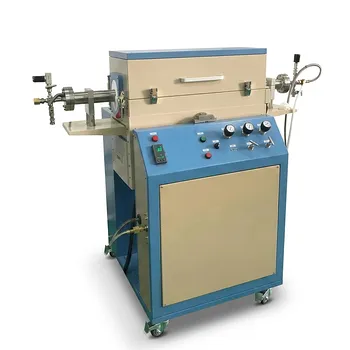
High Temperature Rocking Tube Furnace 1700°C Alumina Processing Tube with Precision Oscillation for Material Synthesis

Compact High Temperature 1600C Tube Furnace with 50mm Alumina Tube and Vacuum Flanges for Material Sintering

High Temperature Tube Furnace 1500C with Sliding Flanges and 50mm OD for Rapid Thermal Processing Fast Heating and Cooling
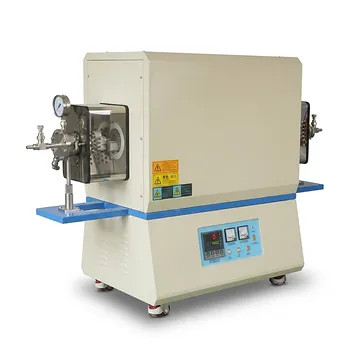
High Temperature 1800C Atmosphere Tube Furnace for CVD Research and Vacuum Sintering Precision Heat Treatment

High Temperature 1700C Tube Furnace with High Vacuum Turbomolecular Pump System and Multi Channel Mass Flow Controller Gas Mixer

1800C High Temperature Compact Vacuum Tube Furnace with 60mm OD Alumina Tube and Kanthal MoSi2 Heating Elements
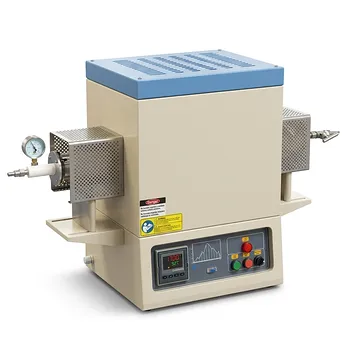
High Temperature Three Zone Tube Furnace 1700C with Alumina Tube and Water Cooled Flanges
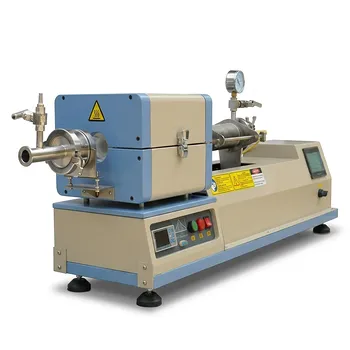
High Temperature 1200C Split Tube Furnace with Internal Travel Mechanism for HPCVD and Crystal Growth Research
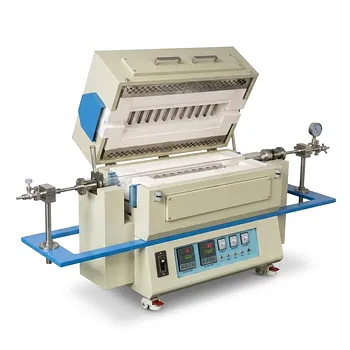
High Temperature Dual Zone Rotating Tube Furnace 1500C Silicon Carbide Heating for Advanced Material Synthesis

High Temperature Automated 5 Inch Tube Furnace for Autonomous Material Research and Advanced Laboratory R&D
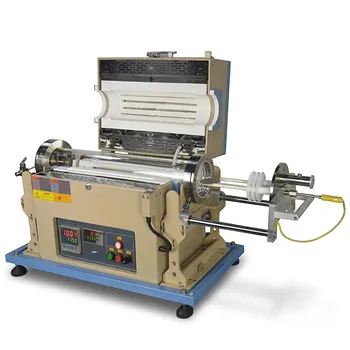
1200°C High Temperature 4 Inch Tube Furnace with Sliding Flange for CVD Systems
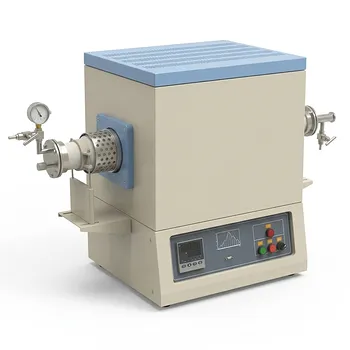
1750°C High Temperature Benchtop Vacuum Atmosphere Tube Furnace with Kanthal Super 1800 Heating Elements and 60mm Alumina Processing Tube
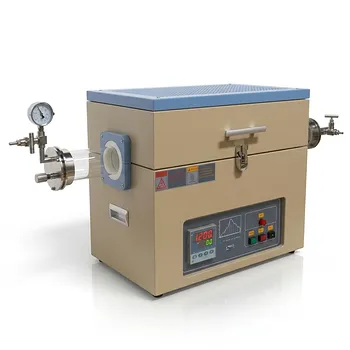
High Temperature 1200C Split Tube Furnace with Optional Quartz Tube Sizes and Vacuum Sealing Flanges for Material Science Research

High Temperature 1700C Benchtop Tube Furnace with 5 Inch Heating Zone High Purity Alumina Tube and Vacuum Sealing Flanges
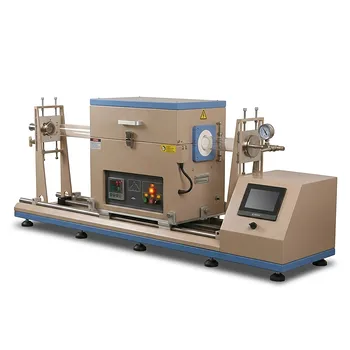
1200C Sliding Tube Furnace for Rapid Thermal Processing and CVD Graphene Growth with 100mm OD Capacity
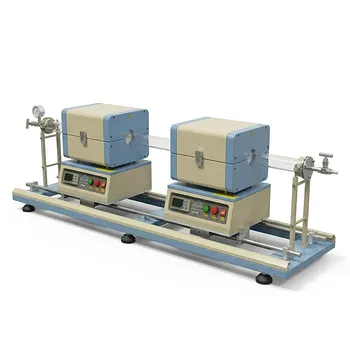
1200C Max Dual Sliding Tube Furnace with 50 mm Tube Flanges for CVD
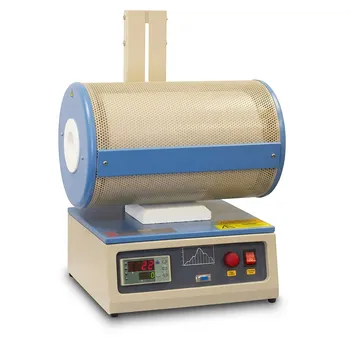
Multi Position Tube Furnace 1100C for Laboratory Material Research and Advanced Industrial Thermal Processing
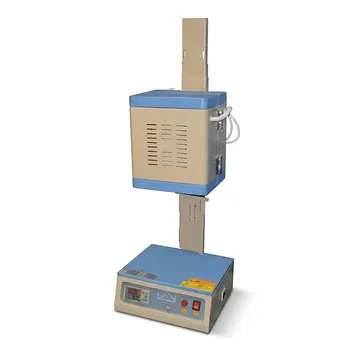
High Temperature Vertical Split Tube Furnace with PID Temperature Controller for 1 and 2 Inch Processing Tubes