Why is a horizontal tube furnace essential for Coal-based C/MoO2 synthesis? Ensure Phase Purity and Stability
Updated 3 months ago
A horizontal tube furnace with high-vacuum and atmosphere control is the critical safeguard for the chemical integrity of Coal-based C/MoO2 nano-hybrid materials. This specialized equipment allows for the total removal of atmospheric oxygen and moisture before high-temperature processing begins. This ensures that both the coal-derived carbon and the molybdenum dioxide (MoO2) maintain their intended chemical states rather than degrading into unwanted oxides.
The essential role of an atmosphere-controlled tube furnace is to create a strictly inert environment that prevents the unintended oxidation of carbon and molybdenum during sintering. By utilizing vacuum evacuation and high-purity gas introduction, researchers ensure the phase purity and chemical stability necessary for high-performance nano-hybrid materials.
Preventing Destructive Oxidation of Reactants
Protecting the Coal-Based Carbon Source
At the high sintering temperatures required for synthesis (400–700°C), carbon is highly susceptible to reacting with oxygen to form CO2. A controlled atmosphere prevents the "burning off" of the coal-based carbon, ensuring it remains as a structural and conductive component of the hybrid.
Maintaining MoO2 Phase Stability
Molybdenum dioxide (MoO2) is an intermediate oxidation state that can easily transform into MoO3 if oxygen is present. The tube furnace provides the stable environment needed to stop this further oxidation, preserving the specific electronic properties of the MoO2 phase.
The Mechanical Necessity of Vacuum and Inert Gas
Eliminating Residual Contaminants
The high-vacuum function is the first line of defense, physically removing air and water vapor trapped within the furnace chamber. This step is more effective than simple gas purging, as it ensures that even trace amounts of oxygen are evacuated before heating begins.
Establishing an Inert Protective Blanket
After evacuation, the introduction of high-purity nitrogen (N2) or argon (Ar) creates a positive-pressure environment. This inert blanket prevents ambient air from leaking back into the system, maintaining the chemical stability of the materials throughout the entire thermal cycle.
Achieving Precise Chemical Transformations
Controlling Sintering at Elevated Temperatures
The horizontal configuration of the furnace allows for uniform heat distribution across the coal and molybdenum precursors. This uniformity is vital for ensuring that the nano-hybrid material develops a consistent morphology and crystalline structure.
Facilitating Specific Oxidation States
Precise atmosphere control allows researchers to manipulate the chemical environment to promote oxygen vacancies or specific ion ratios. As seen in similar molybdenum-based syntheses, a controlled environment is the only way to ensure the acquisition of high-activity phases like beta-Mo2C or stable MoO2.
Understanding the Trade-offs
The Cost of High-Purity Environments
Maintaining a high-vacuum and using high-purity gases significantly increases the operational cost per batch. While necessary for phase purity, the gas consumption and vacuum pump maintenance must be factored into the production scale.
Complexity of Gas Flow Dynamics
At high temperatures, the flow rate of the inert gas can influence the cooling rate and the concentration of volatile precursors. If the flow is not strictly controlled, it can lead to inconsistencies in the thickness or distribution of the MoO2 nanoparticles on the carbon substrate.
How to Apply This to Your Synthesis Goals
To ensure the highest quality Coal-based C/MoO2 nano-hybrids, align your furnace parameters with your specific material objectives:
- If your primary focus is Phase Purity: Use a multi-stage vacuum-purge cycle with high-purity Nitrogen to ensure zero oxygen interference during the 400–700°C sintering range.
- If your primary focus is Enhancing Catalytic Activity: Consider using a reducing gas mixture (such as 10% Hydrogen in Argon) to promote the formation of beneficial oxygen vacancies on the oxide surface.
- If your primary focus is Material Uniformity: Opt for a horizontal tube furnace with multiple heating zones to prevent thermal gradients that could cause uneven carbonization.
Precision in atmospheric control is not merely a preference; it is the fundamental requirement for transforming raw coal and molybdenum precursors into advanced nano-hybrid materials.
Summary Table:
| Feature | Function for C/MoO2 Synthesis | Benefit to Nano-Hybrid Material |
|---|---|---|
| High-Vacuum | Removes atmospheric O2 and moisture | Prevents carbon loss and unwanted oxidation |
| Atmosphere Control | Introduces inert gas (N2/Ar) or reducing gas | Maintains MoO2 phase stability and electronic properties |
| Horizontal Design | Provides uniform heat distribution | Ensures consistent morphology and crystal structure |
| Temp. Precision | Sintering control between 400–700°C | Facilitates specific oxidation states and vacancies |
Elevate Your Nano-Material Synthesis with THERMUNITS
As a leading manufacturer of high-temperature laboratory equipment for material science and industrial R&D, THERMUNITS provides the precision thermal processing solutions required for complex chemical transformations. Our comprehensive range of equipment, including Tube, Vacuum, Atmosphere, Muffle, and Rotary furnaces, is designed to ensure the total chemical integrity of your materials.
From CVD/PECVD systems and Hot Press furnaces to Vacuum Induction Melting (VIM) and electric rotary kilns, our solutions offer the atmosphere control and thermal uniformity essential for high-performance research. We empower target customers to achieve superior phase purity and material stability across all heat treatment applications.
Ready to optimize your laboratory research?
Contact THERMUNITS today to find your perfect furnace solution
References
- Min Zhang, Hongguang Jia. A Highly Selective Acetone Sensor Based on Coal-Based Carbon/MoO2 Nanohybrid Material. DOI: 10.3390/s24134320
Mentioned Products
- Double Zone Fast Heating Tube Furnace High Temperature Vacuum Atmosphere System
- Three Zone Heating Split Vertical Tube Furnace 1700 High Temperature Vacuum Atmosphere Thermal Process System
- Vertical 1700C Vacuum and Atmosphere Tube Furnace with 80mm Alumina Tube
- Compact Vertical Split Quartz Tube Furnace with Stainless Steel Vacuum Flanges for Rapid Thermal Quenching and Controlled Atmosphere Material Processing
- 1500°C Split Tube Furnace with Alumina Tube and Vacuum Sealing Flanges for Material Research
People Also Ask
- What is the primary function of an industrial-grade dual-zone tube furnace? Mastering CuInP2S6 CVT Crystal Growth
- Why is a dual-zone tube furnace necessary for ReO3-doped Cu2Te CVD? Essential for precise precursor synchronization.
- Why is it necessary to place MoS2 devices in a dual-zone tube furnace for annealing? Optimize Lattice Repair & Doping
- What are the advantages of using a dual-zone tube furnace for MoS2 CVD? Optimize Precursor Control and Material Quality
- Purpose of the reverse gradient step in CVT growth? Master Crystal Purity with Dual-Zone Furnaces

Tech Team · ThermUnits
Last updated on Jun 02, 2026
Related Products
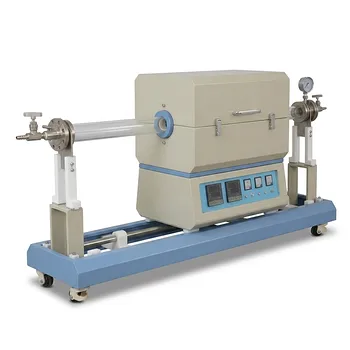
Double Zone Fast Heating Tube Furnace High Temperature Vacuum Atmosphere System
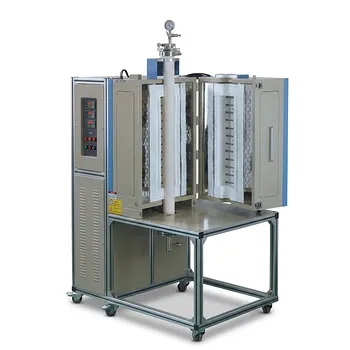
Three Zone Heating Split Vertical Tube Furnace 1700 High Temperature Vacuum Atmosphere Thermal Process System

Vertical 1700C Vacuum and Atmosphere Tube Furnace with 80mm Alumina Tube

Compact Vertical Split Quartz Tube Furnace with Stainless Steel Vacuum Flanges for Rapid Thermal Quenching and Controlled Atmosphere Material Processing
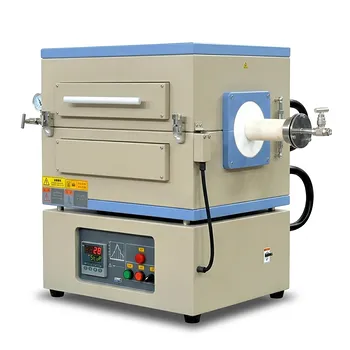
1500°C Split Tube Furnace with Alumina Tube and Vacuum Sealing Flanges for Material Research

Three Zone Tube Furnace with 11 Inch or 15 Inch Quartz Tube and Hinged Flanges for Vacuum Atmosphere Heat Treatment
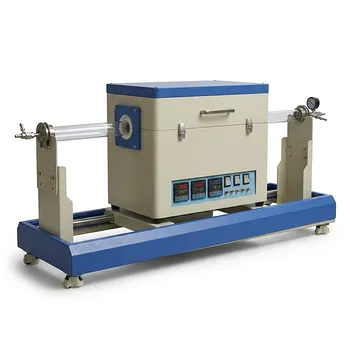
Double Temperature Zone Double Cover Tube Furnace for High Temperature CVD and Vacuum Annealing
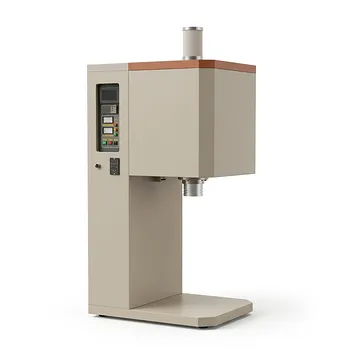
Vertical Openable Tube Furnace 0-1700c High Temperature Laboratory System for CVD and Vacuum Heat Treatment

High Temperature 1700C Vertical Tube Furnace for Powder Spherification and Material Sintering
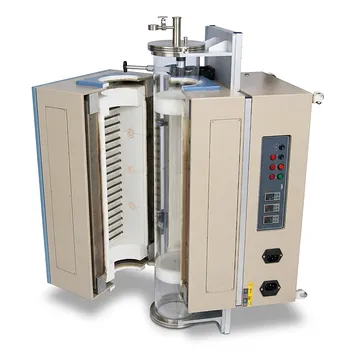
Large Vertical Three Zone Tube Furnace with 8 Inch or 11 Inch Quartz Tube and High Vacuum Flanges 1200C
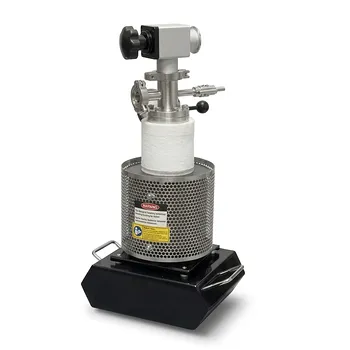
High Temperature 1100C Compact Top Loading Vertical Vacuum Tube Furnace for High Vacuum Noble Metal Melting and Material Research
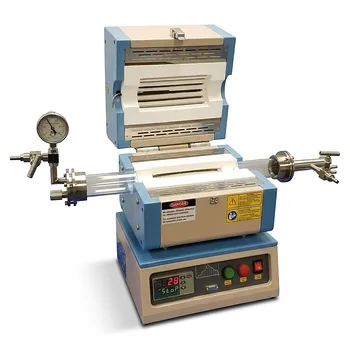
Compact Split Tube Furnace with Integrated Vacuum System and Precision Temperature Calibrator
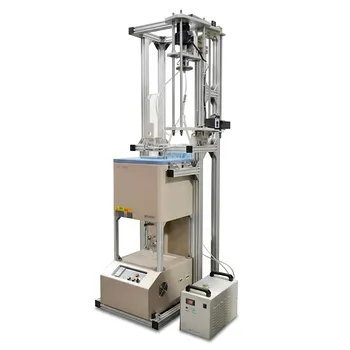
500C Vacuum Vertical Tube Furnace 84mm OD Sample Rotation Lifting System
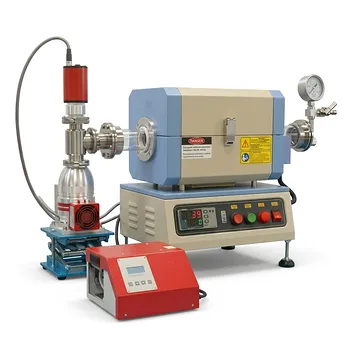
High Vacuum Compact Tube Furnace 1200C with Integrated Turbo Pump System and 8 Inch Heating Zone
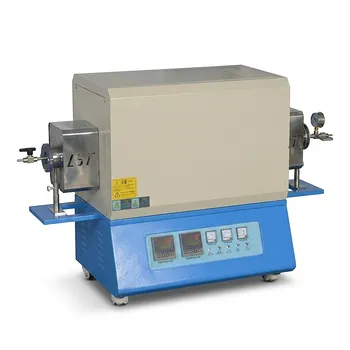
High Temperature Dual Zone Vacuum Tube Furnace for Material Research and CVD Processing

High Temperature 1700C Six Zone Split Tube Furnace with Alumina Tube and Water Cooled Flanges
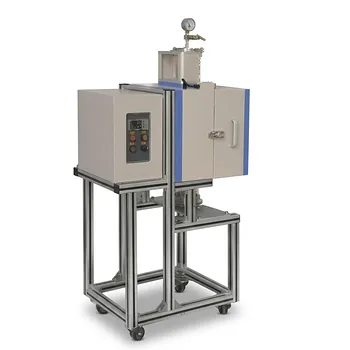
1200°C 5 Inch Vertical Quartz Tube Furnace with Stainless Steel Vacuum Flanges
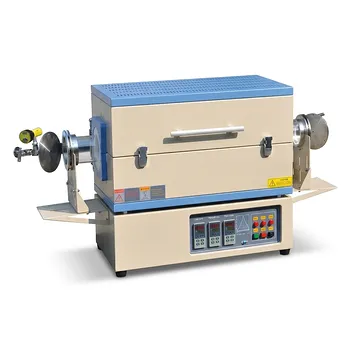
Three Zone Tube Furnace with 24 Inch Heating Length and Hinged Flange Quartz Tube System

High Temperature Automated 5 Inch Tube Furnace for Autonomous Material Research and Advanced Laboratory R&D
