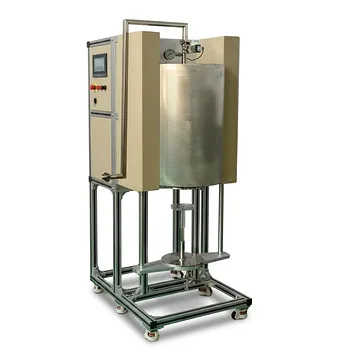
Why use a vertical furnace for Inconel 625 corrosion? Simulate Precise Thermal Gradients for Material Research.
Updated 3 months ago
Modified vertical furnaces with independent heating elements are used because they can generate a precise, near-linear temperature gradient across a single material sample. This specialized configuration allows researchers to simulate the "thermal potential difference" found in industrial environments, revealing how a temperature spread (from 600 °C to room temperature) triggers severe electrochemical reactions. By using independent heating zones, the furnace transforms a long alloy strip into a macro-corrosion cell where different sections behave as distinct electrodes.
The use of independent heating elements enables the creation of a stable, controllable thermal gradient that forces cold regions of an alloy to act as cathodes, which then drive aggressive intergranular corrosion in the hotter anodic regions.
Simulating Real-World Thermal Potentials
Precision Through Multi-Zone Control
Traditional furnaces provide a uniform heat soak, but simulating gradient corrosion requires "active heating" at varying intensities. By using three independent heating elements, researchers can fine-tune the heat output at different vertical stages of a long alumina crucible.
Establishing a Linear Gradient
This configuration is essential for maintaining a near-linear temperature gradient that typically spans from 600 °C down to room temperature. This linear slope is critical for accurately mapping how specific temperature thresholds correlate with the rate of material degradation.
Vertical Top-Loading Advantage
The vertical orientation utilizes natural thermal stratification and allows for the easy suspension of long strip alloy samples. This ensures that the sample is exposed to a consistent environment where the thermal potential difference is the primary variable being studied.
The Electrochemical Mechanism of Gradient Corrosion
The Cold Zone Cathode
A key discovery enabled by this furnace is the role of the large-area cold zone. In a temperature gradient, the cooler portion of the Inconel 625 strip acts as a cathode, which facilitates the reduction reactions necessary to sustain corrosion elsewhere.
The Hot Zone Anode
Because the cold zone acts as a cathode, it effectively "sacrifices" the hotter portion of the metal. The hot zone becomes the anode, where the metal atoms lose electrons and dissolve into the corrosive medium at an accelerated rate.
Driving Intergranular Corrosion
This thermal potential difference doesn't just cause general surface rusting; it drives severe intergranular corrosion. The electrochemical imbalance focuses the energy on the grain boundaries of the alloy, leading to structural embrittlement and rapid failure.
Preparing the Alloy for Simulation
Structural Homogenization
Before the gradient test, alloys like Inconel 625 must be prepared in a high-temperature muffle furnace at approximately 1180 °C. This ensures that precipitate phases are fully dissolved into the matrix, creating a uniform austenite structure.
Stress Relief and Plasticity
Following heat treatment, water quenching locks in the high-temperature structure and eliminates casting stresses. This process provides the plasticity required for cold rolling, which can reduce the material by up to 90% before it is subjected to the gradient furnace.
Understanding the Trade-offs
System Complexity and Maintenance
While multi-zone furnaces provide superior control, they require sophisticated PID controllers to prevent thermal "overshoot" between zones. The alumina crucibles used are also susceptible to thermal shock if the gradient is moved or altered too rapidly.
Simulation vs. Reality
A linear gradient produced in a laboratory furnace is an idealized model. In actual industrial applications, temperature fluctuations are often non-linear and dynamic, meaning laboratory results must be carefully extrapolated to predict real-world service life.
How to Apply These Insights to Your Project
Evaluating the thermal stability of high-performance alloys requires a balance between material preparation and precise environmental simulation.
- If your primary focus is Understanding Failure Mechanics: Use the multi-zone furnace to isolate the specific temperature at which the transition from cathodic to anodic behavior occurs.
- If your primary focus is Material Durability: Ensure your samples undergo 1180 °C homogenization and water quenching to eliminate structural variables before beginning gradient testing.
- If your primary focus is Life-Cycle Prediction: Focus on the "area ratio" between the cold zone and hot zone, as a larger cold zone will significantly accelerate the corrosion of the hot sections.
By precisely controlling the thermal landscape, you can transform a simple metal strip into a powerful diagnostic tool for predicting long-term alloy integrity.
Summary Table:
| Feature | Function/Benefit | Research Application |
|---|---|---|
| Independent Heating Elements | Precise multi-zone heat control | Establishes stable, near-linear thermal gradients |
| Vertical Top-Loading | Natural thermal stratification | Ideal for suspending long alloy strip samples |
| Alumina Crucible | High-temp chemical stability | Holds samples in corrosive environments reliably |
| Electrochemical Simulation | Hot/Cold zone separation | Models cathode-driven intergranular corrosion |
Advance Your Material Science Research with THERMUNITS
As a leading manufacturer of high-temperature laboratory equipment, THERMUNITS provides the precision tools required for advanced industrial R&D. Whether you are simulating extreme gradient corrosion or conducting structural homogenization, our comprehensive range of thermal solutions—including Muffle, Vacuum, Atmosphere, Tube, Rotary, and Hot Press furnaces, CVD/PECVD systems, and Dental Furnaces—is engineered for reliability.
We also specialize in electric rotary kilns, vacuum induction melting furnaces (VIM), and high-quality thermal elements tailored to your specific heat treatment needs. Partner with us to achieve unmatched thermal control and accelerate your material testing protocols.
Contact our technical experts today to find the perfect furnace solution for your laboratory!
References
- Aida Nikbakht, Christine Geers. Deep Intergranular Fluoride Attack by High-Temperature Corrosion on Alloy 625 by LiF in Air at 600 °C. DOI: 10.1007/s11085-024-10259-6
Mentioned Products
- 1200°C 10-Zone Split Tube Furnace with Horizontal and Vertical Mounting for Multi-Zone Thermal Gradients and Large Diameter Material Processing
- Ten Zone Multi Orientation Laboratory Tube Furnace for 1200C High Temperature Gradient Thermal Processing
- Large Vertical Three Zone Tube Furnace with 8 Inch or 11 Inch Quartz Tube and High Vacuum Flanges 1200C
- Five Zone Split Vertical Tube Furnace 1200C Max with 4 Inch Quartz Tube and Stainless Steel Vacuum Flanges
- Three Zone Heating Split Vertical Tube Furnace 1700 High Temperature Vacuum Atmosphere Thermal Process System
People Also Ask
- What is the primary engineering purpose for using a customized ventilation hood when operating a split tube furnace? RCF Safety
- What are the technical advantages of using a multi-zone independently controlled tube furnace in the modified USP process?
- How does a split tube furnace contribute to the thermal stabilization of Clignin@H-TiO2? Achieve Structural Precision
- What are the specific advantages and use cases for a split tube furnace? Optimize Lab Efficiency & Material Research
- What are the advantages of using a split tube furnace for heating a catalytic reactor? Boost Efficiency and Precision

Tech Team · ThermUnits
Last updated on Jun 03, 2026
Related Products
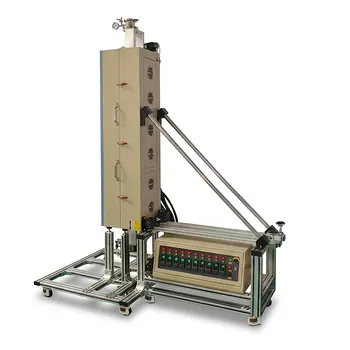
1200°C 10-Zone Split Tube Furnace with Horizontal and Vertical Mounting for Multi-Zone Thermal Gradients and Large Diameter Material Processing
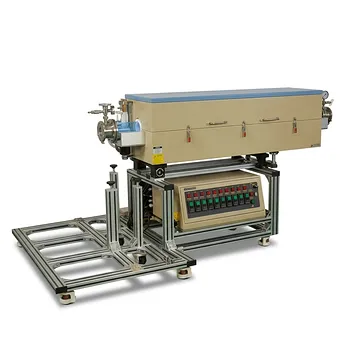
Ten Zone Multi Orientation Laboratory Tube Furnace for 1200C High Temperature Gradient Thermal Processing
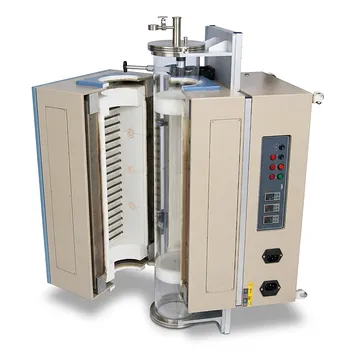
Large Vertical Three Zone Tube Furnace with 8 Inch or 11 Inch Quartz Tube and High Vacuum Flanges 1200C
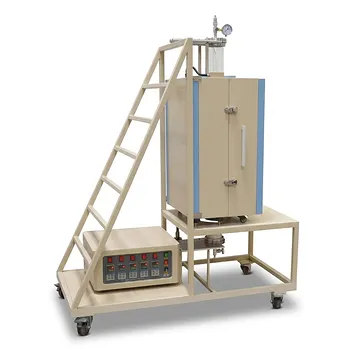
Five Zone Split Vertical Tube Furnace 1200C Max with 4 Inch Quartz Tube and Stainless Steel Vacuum Flanges
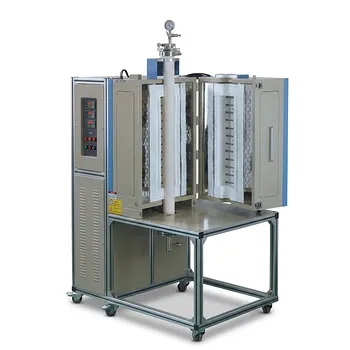
Three Zone Heating Split Vertical Tube Furnace 1700 High Temperature Vacuum Atmosphere Thermal Process System
1000°C Seven Zones Conveyor Belt Furnace with Multi Zone Temperature Control 150mm Width 2000mm Heating Length
1200 C Maximum Three Sided Heating Top Loading Furnace with 12 x 12 x 8 Inch Chamber for Solid Oxide Fuel Cell Testing and High Temperature RD
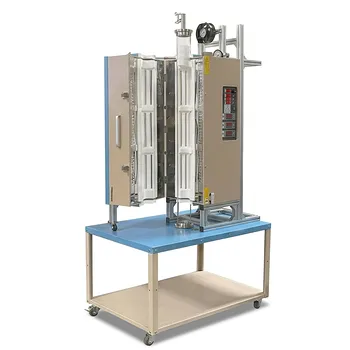
1200C Three Zone Split Vertical Tube Furnace 4 Inch Quartz Tube Stainless Steel Vacuum Flanges
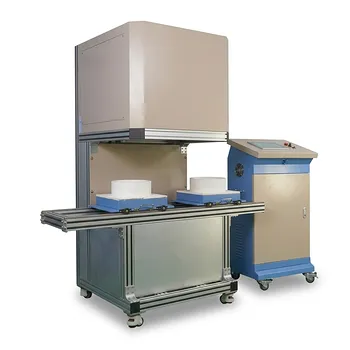
High Temperature Bottom Loading Vertical Furnace 1700C Dual Stage Sample Processing System 18L Large Capacity Thermal Treatment Equipment
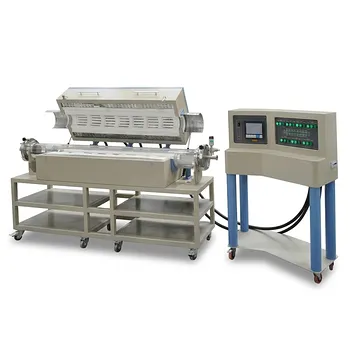
Seven Zone 1200C Split Tube Furnace with Precision Temperature Controller and Quick Flange Vacuum System
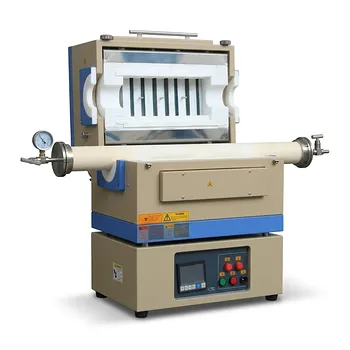
1500C Eight Zone Split Tube Furnace for Thermal Gradient Processing and Advanced Material Research
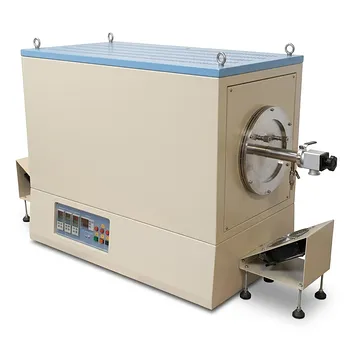
Four Zone Tube Furnace 1100C with 600mm Large Diameter Quartz Tube and Vacuum Flanges
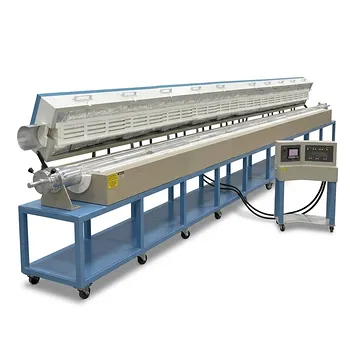
12 Zone Ultra Long Split Tube Furnace with 20 Foot Quartz Tube and 1100C Max Temperature
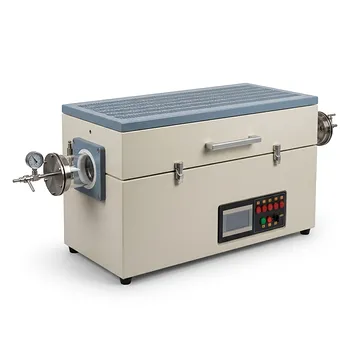
Five Zone 1200C High Temperature Split Tube Furnace with Touch Screen Controller and Multiple Quartz Tube Options
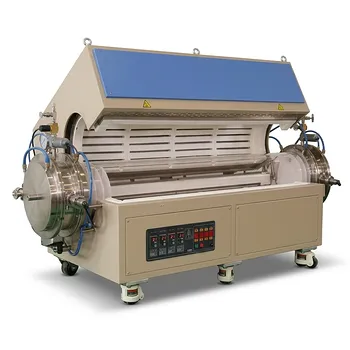
1200C Max Four Zone Split Tube Furnace with Optional Large Diameter Quartz Tubes
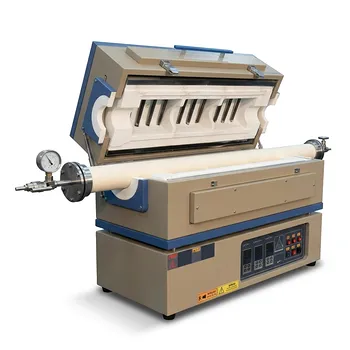
1600C Three Zone Split Tube Furnace with Alumina Tube and Vacuum Flange
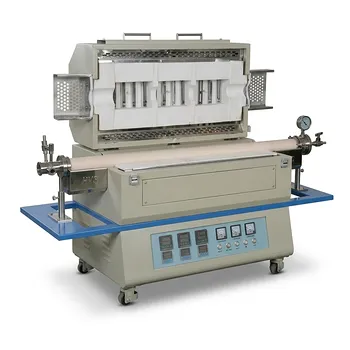
Three Temperature Zone Fast Heating Furnace 1500C Laboratory High Precision Thermal Processing System
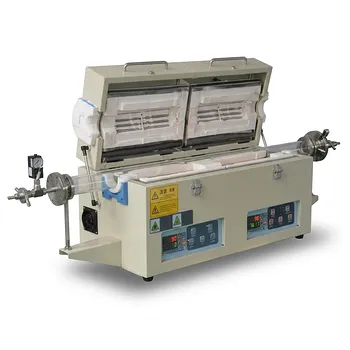
Elongated Two Temperature Zone Pipe Furnace for Industrial Heat Treatment and Material Science Research
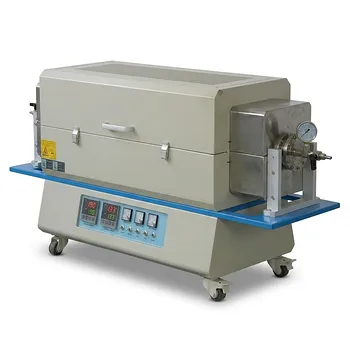
High Temperature Elongated Dual Zone Tube Furnace for Material Research and Industrial Heat Treatment