Why is a tube annealing furnace required for MoS2 thin film post-treatment? Essential for Purity & Lattice Repair
Updated 3 months ago
Post-transfer annealing is essential because the physical process of moving Molybdenum Disulfide (MoS2) from its growth substrate to a target substrate introduces chemical residues and structural stress. A tube annealing furnace provides the specific high-temperature, atmosphere-controlled environment required to restore the film's intrinsic electrical properties and ensure a clean, stable interface with the new substrate.
Core Takeaway: A tube annealing furnace acts as a purification and repair chamber that removes polymer residues (PMMA), repairs lattice damage, and optimizes the electrical contact between the MoS2 film and the target substrate through precise thermal and atmospheric control.
Elimination of Chemical Contaminants
Removing the PMMA Support Layer
During the transfer process, a polymer called poly(methyl methacrylate) (PMMA) is typically used as a temporary support layer to prevent the MoS2 film from tearing. High-temperature heating in a tube furnace is the only effective way to completely decompose and eliminate these residual PMMA layers.
Surface De-pollution for Characterization
Residual polymers act as insulators that hinder electrical characterization and interfere with high-resolution imaging. Using a tube furnace with a Hydrogen/Argon (H2/Ar) gas flow ensures that decomposed residues are swept away, resulting in an atomically clean surface suitable for Transmission Electron Microscopy (TEM).
Structural and Lattice Restoration
Repairing Growth and Transfer Defects
The physical stresses of transferring a single-atom-thick layer can cause structural defects and lattice damage. High-temperature treatment (often up to 1000°C) induces atomic rearrangement, allowing the crystal lattice to heal and strengthening the Mo-S chemical bonds.
Managing Sulfur Vacancies and Doping
In some applications, annealing is used at specific temperatures, such as 250°C, to intentionally create sulfur vacancies. These vacancies serve as active sites for molecular dopants, allowing engineers to precisely regulate the material’s electrical conductivity and performance.
Lattice Repair After Plasma Bombardment
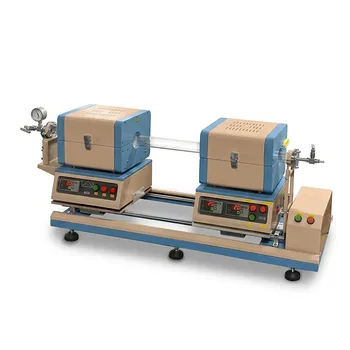
If the MoS2 has undergone plasma processing, a dual-zone tube furnace is used to repair lattice damage. This controlled thermal environment promotes the stable bonding and activation of dopant atoms, which is critical for creating functional devices like photodetectors.
Interface and Performance Optimization
Improving Substrate Contact
The interface between the MoS2 film and the target substrate is often plagued by air gaps or trapped impurities after transfer. Annealing improves the interface contact characteristics, ensuring that the film adheres closely to the substrate and reducing "contact resistance" that would otherwise degrade device performance.
Atmospheric Protection and Purity
MoS2 is sensitive to oxidation and environmental impurities at high temperatures. The use of a quartz tube furnace provides a high-purity, chemically stable environment that prevents the introduction of unwanted elements while allowing for the introduction of process gases like nitrogen or methane.
Understanding the Trade-offs
Balancing Temperature and Vacancy Creation
While high temperatures are necessary for lattice repair, excessive heat can cause unwanted sulfur loss, leading to an overabundance of vacancies that may degrade the material's semiconducting properties. The furnace must be precisely calibrated to balance the need for cleaning with the preservation of the material’s stoichiometry.
Substrate Compatibility Limits
Not all target substrates can withstand the extreme temperatures required for full lattice restoration. For example, while sapphire can handle 1000°C, many flexible or silicon-based substrates may warp or degrade, forcing a trade-off between film quality and substrate integrity.
How to Apply This to Your Project
Selecting the Right Annealing Strategy
- If your primary focus is electrical purity: Use a Hydrogen/Argon (H2/Ar) mixture at 450°C to ensure the complete removal of PMMA residues.
- If your primary focus is structural integrity: Prioritize high-temperature annealing (near 1000°C) in an atmosphere-protected environment to repair lattice defects and strengthen bonds.
- If your primary focus is device tuning: Utilize a dual-zone furnace at lower temperatures (approx. 250°C) to create vacancies for precise chemical doping and conductivity regulation.
The tube annealing furnace is the definitive tool for transforming a contaminated, transferred film into a high-performance electronic component.
Summary Table:
| Post-Treatment Goal | Furnace Function | Key Benefit |
|---|---|---|
| Contaminant Removal | H2/Ar Atmosphere Control | Eliminates PMMA residues for an atomically clean surface. |
| Lattice Restoration | High-Temp Atomic Rearrangement | Repairs structural defects and strengthens Mo-S chemical bonds. |
| Interface Optimization | Precision Thermal Treatment | Improves substrate contact and reduces electrical resistance. |
| Electrical Tuning | Multi-Zone Temperature Control | Manages sulfur vacancies for precise doping and conductivity. |
Elevate Your Thin Film Research with THERMUNITS
As a leading manufacturer of high-temperature laboratory equipment for material science and industrial R&D, THERMUNITS provides the precision tools necessary for advanced MoS2 processing. Whether you require Tube, Vacuum, or Atmosphere furnaces, or sophisticated CVD/PECVD systems, our thermal solutions are designed to ensure maximum purity and structural integrity for your advanced materials.
Our Core Solutions Include:
- Tube & Rotary Furnaces: Ideal for precise atmosphere-controlled annealing.
- Vacuum & Hot Press Furnaces: For high-purity and specialized bonding applications.
- CVD/PECVD Systems: Essential for high-quality thin film growth and modification.
- Thermal Elements & Accessories: Ensuring long-term reliability and performance.
Ready to optimize your laboratory heat treatment workflow? Contact our technical experts today to find the perfect thermal processing solution for your project!
References
- Jidong Jin, Jaekyun Kim. Improved Process Stability and Light Detection in Phototransistors via Inverted MoS<sub>2</sub>/a‐IGZO Heterojunction Integration. DOI: 10.1002/pssa.202400536
Mentioned Products
- 1200C Sliding Internal Crucible Tube Furnace for Controlled Atmosphere Thin Film Deposition and Material Sublimation Research
- High Temperature 800C Rapid Thermal Processing Furnace with Rotating Sample Holder for Close Spaced Sublimation and Thin Film Solar Cell Research
- 1200C High Throughput Multi Channel Tube Furnace with 50mm Quartz Tubes for Annealing and Material Phase Diagram Research
- Two Zones CSS Furnace for Rapid Thermal Processing Thin Film Coating 3 Inch Diameter 650C
- 950C Rapid Thermal Processing Furnace for 12 Inch Wafer CSS Coating with Rotating Substrate Holder
People Also Ask
- What are the advantages of a tube atmosphere furnace for CdS thin films? Enhance Crystallinity & Prevent Sulfur Loss
- Why is an atmosphere tube furnace considered core equipment for CVD? Essential for Precision Thin-Film & 2D Materials
- Why is an atmosphere-controlled tube furnace required for the annealing of Sb2S3? Optimize Semi-conductor Performance
- How does a slanted tube furnace contribute to the crystal growth of Sr4Os3O12? Optimize Thermal Fields and Purity
- Why must deposited LiMn2O4 thin films undergo annealing in a digital tube furnace? Unlock High-Performance Cathodes

Tech Team · ThermUnits
Last updated on Jun 03, 2026
Related Products
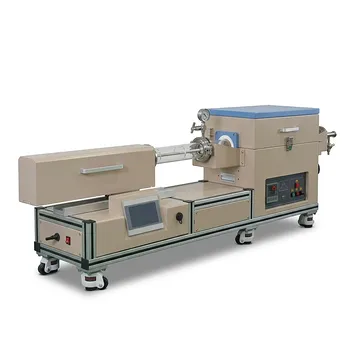
1200C Sliding Internal Crucible Tube Furnace for Controlled Atmosphere Thin Film Deposition and Material Sublimation Research
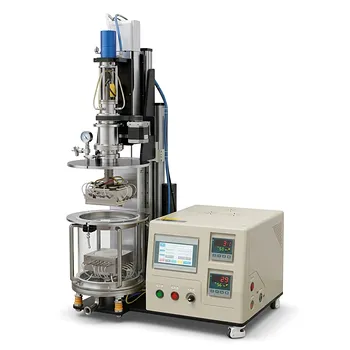
High Temperature 800C Rapid Thermal Processing Furnace with Rotating Sample Holder for Close Spaced Sublimation and Thin Film Solar Cell Research
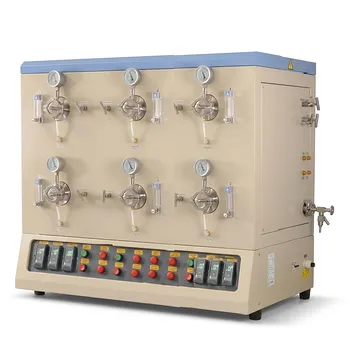
1200C High Throughput Multi Channel Tube Furnace with 50mm Quartz Tubes for Annealing and Material Phase Diagram Research
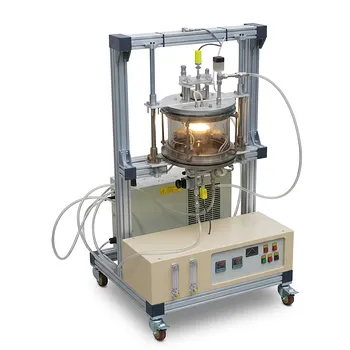
Two Zones CSS Furnace for Rapid Thermal Processing Thin Film Coating 3 Inch Diameter 650C
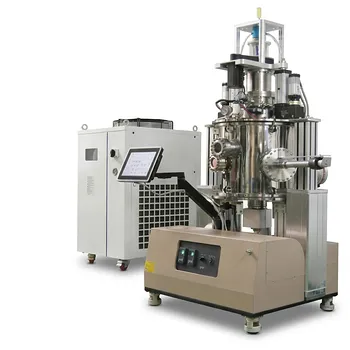
950C Rapid Thermal Processing Furnace for 12 Inch Wafer CSS Coating with Rotating Substrate Holder
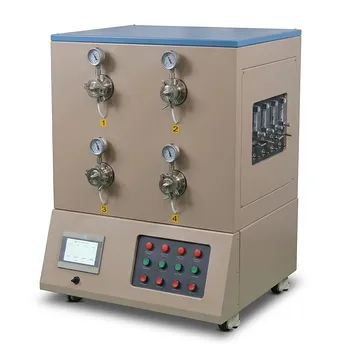
High Throughput 1200C Four Channel Tube Furnace with 3 Inch Quartz Tubes for Multi Zone Annealing and Material Research
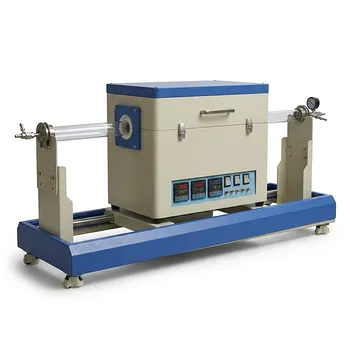
Double Temperature Zone Double Cover Tube Furnace for High Temperature CVD and Vacuum Annealing
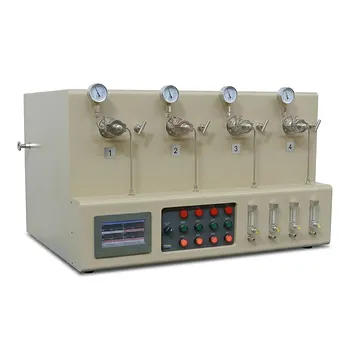
High Temperature 1700C 4 Channel Tube Furnace 1 Inch Alumina Tube for Hi-Throughput Annealing
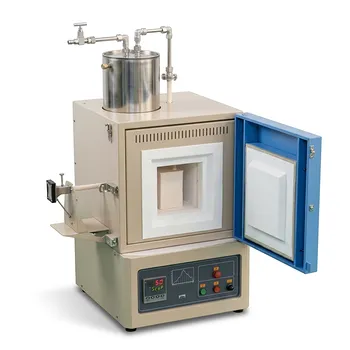
High Temperature Bench Top Muffle Furnace 1700C with Integrated Evaporating Particle Collection and 8x8x8 Alumina Fiber Chamber
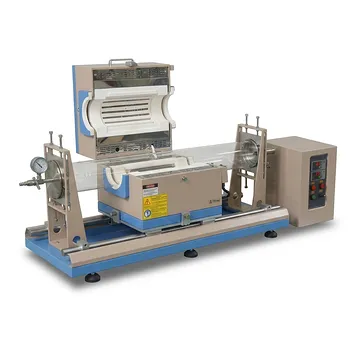
1200C High Temperature 5 Inch Sliding Tube Furnace for Rapid Thermal Processing RTP and Wafer Annealing
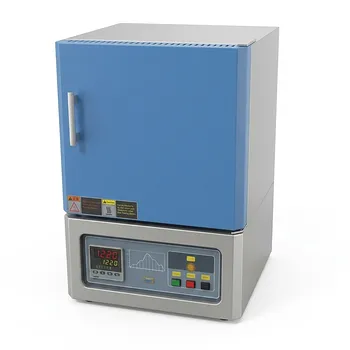
High Temperature Benchtop Muffle Furnace 1700C 10L Chamber Alumina Fiber Insulation MoSi2 Heating Elements
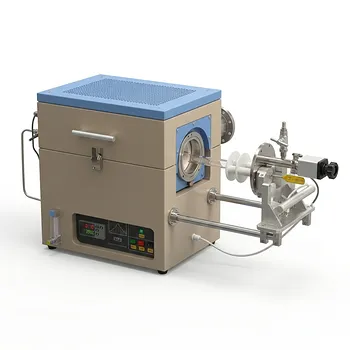
Compact Atmosphere Controlled Rapid Thermal Processing RTP Furnace with 4 Inch ID Quartz Tube 1100C
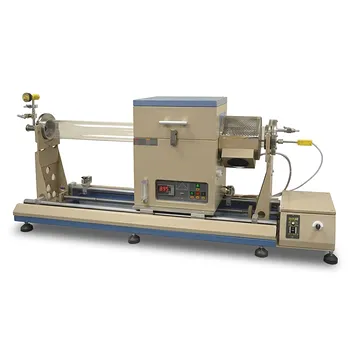
900 ºC Max Sliding RTP Tube Furnace with Rapid IR Heating and 4 Inch OD Quartz Tube
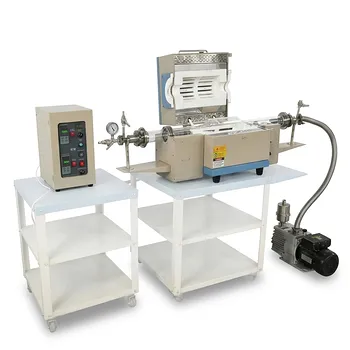
Two Zone Rotary Tube Furnace for Powder CVD Coating and Core Shell Material Synthesis 1100C
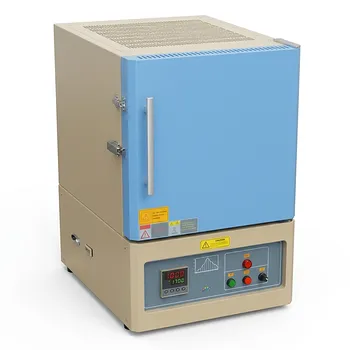
Large Bench Top 1700C High Temperature Muffle Furnace with 19L Chamber for Advanced Material Sintering and Annealing
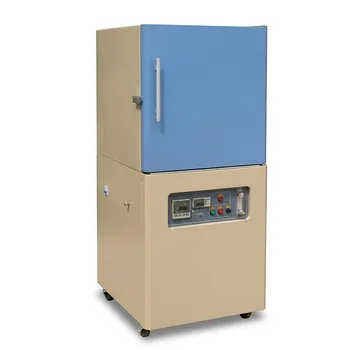
High Temperature Muffle Furnace with Dual Controllers and 36L Large Chamber 1700C Max
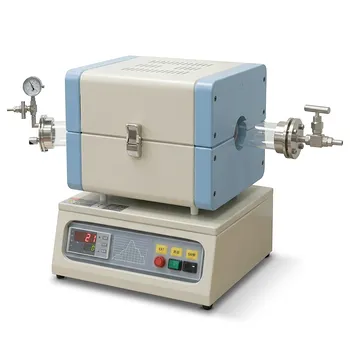
1200C Tube Furnace with Internal Magnetic Sample Sliding for Direct Vaporizing Deposition and Rapid Thermal Processing
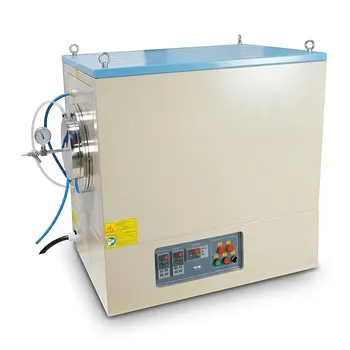
Dual Zone Tube Furnace 1100C with 11 Inch Quartz Tube and Vacuum Flanges for 8 Inch Wafer Processing
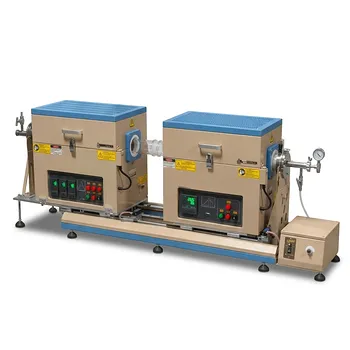
1200C Dual Temperature Zone Slidable Tube Furnace for 2D Material Growth and TCVD Synthesis