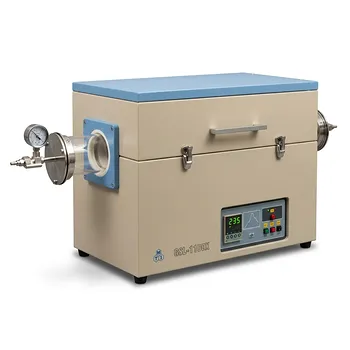
Why is a tube atmosphere furnace with argon protection required for the annealing process of carbon shells? Prevent oxidation
Updated 3 months ago
The use of a tube atmosphere furnace with argon protection is mandatory because carbon materials will spontaneously combust or oxidize into CO2 when heated to annealing temperatures in the presence of oxygen. By displacing oxygen with a continuous flow of high-purity argon, the furnace creates a strictly inert environment that preserves the carbon structure. This setup allows for the precise thermal decomposition of precursors—such as sodium citrate—into defined carbon shells without the risk of material loss or structural degradation.
To successfully synthesize carbon shells, one must balance two critical factors: the exclusion of reactive oxygen and the precise control of thermal energy. An argon-protected tube furnace provides the anaerobic conditions and stable heating rates necessary to ensure high yield, structural integrity, and the desired microscopic morphology.
Preventing Oxidative Material Loss
The Role of Oxygen Displacement
At typical annealing temperatures of 800 °C, carbon is highly reactive and will readily bond with any available oxygen. A tube atmosphere furnace uses a continuous flow of argon gas to effectively flush oxygen out of the heating chamber. This ensures that the precursor material is protected from "burning off" during the high-temperature phase.
Maximizing Product Yield
Without an inert atmosphere, the organic components of the precursor would undergo combustion rather than pyrolysis. By maintaining a strictly anaerobic environment, the furnace ensures that the maximum amount of carbon from the precursor is successfully converted into the final shell structure. This is critical for maintaining high experimental and production yields.
Ensuring Structural and Morphological Integrity
Preserving Microscopic Morphology
The performance of carbon shells often depends on their specific micro-morphology and pore structure. An argon environment prevents secondary oxidation reactions that could etch the surface or alter the intended biological and chemical performance of the material. This protection is essential for maintaining the integrity of complex architectures, such as "bowl-in-bowl" structures.
Controlling the Pyrolysis Process
The tube furnace allows for precise heating rate control, often as granular as 5 °C per minute. This slow, steady ramp-up is vital for the stable conversion of precursors into graphitized frameworks. If the heating were uncontrolled, the resulting carbon shells might be brittle or lack the necessary electrical conductivity.
Maintaining Chemical Purity
The inert atmosphere prevents the introduction of impurities and uncontrolled secondary reactions with the substrate. For instance, it protects metallic components or nitrogen-doped substrates from oxidation or decarburization. This ensures that the final product's properties are driven by thermodynamic intent rather than accidental surface chemistry.
Understanding the Technical Trade-offs
Argon vs. Other Inert Gases
While nitrogen is often used as an inert gas, argon is preferred for many carbon processes because it is completely chemically inert. At very high temperatures, nitrogen can sometimes react with certain materials to form nitrides, whereas argon remains stable. However, argon is generally more expensive, representing a trade-off between process cost and chemical purity.
Equipment Sealing Challenges
A tube furnace is only as effective as its vacuum seals and gas fittings. Any leak in the system can introduce oxygen, leading to localized oxidation and the "pitting" of the carbon shells. Operators must rigorously maintain O-rings and monitor gas flow rates to ensure the protective "blanket" remains intact throughout the entire heating and cooling cycle.
How to Apply This to Your Process
Guidelines for Successful Carbon Annealing
- If your primary focus is maximizing material yield: Ensure the argon flow is started well before heating begins to completely displace all residual oxygen from the tube.
- If your primary focus is precise pore structure: Utilize a slow heating ramp (e.g., 2–5 °C/min) to allow the precursor to degas and carbonize uniformly without structural collapse.
- If your primary focus is electrical conductivity: Maintain the inert atmosphere throughout the entire cooling phase until the furnace is below 200 °C to prevent surface oxidation of the graphitized framework.
By strictly controlling the atmosphere and thermal ramp, you ensure the carbonization process remains a constructive synthesis rather than a destructive combustion.
Summary Table:
| Key Factor | Function of Argon-Protected Tube Furnace | Benefit for Carbon Shells |
|---|---|---|
| Oxygen Displacement | Continuous argon flow flushes out O2 | Prevents combustion and material loss (CO2 emission) |
| Yield Management | Maintains strictly anaerobic environment | Ensures maximum precursor-to-carbon conversion yield |
| Morphology Control | Steady, precise heating ramps (e.g., 5°C/min) | Preserves delicate pore structures and architectures |
| Chemical Purity | Provides a chemically inert environment | Prevents unwanted nitriding or secondary reactions |
Achieve Superior Synthesis Results with THERMUNITS
In high-temperature material science, the difference between a successful synthesis and a failed experiment lies in atmospheric precision. THERMUNITS is a global leader in high-temperature laboratory equipment, providing the advanced thermal solutions necessary for sensitive processes like carbon shell annealing.
Our expert-engineered systems ensure the strict inert environments required for R&D and industrial production. Our product range includes:
- Atmosphere & Tube Furnaces: Perfect for argon-protected annealing and pyrolysis.
- CVD/PECVD Systems: For advanced material deposition.
- Muffle, Vacuum, & Rotary Furnaces: Versatile solutions for versatile labs.
- Specialized Equipment: Dental furnaces, Hot Press systems, and Vacuum Induction Melting (VIM) furnaces.
Ready to enhance your lab's efficiency and product yield? Contact THERMUNITS today to discuss your specific heat treatment requirements with our technical team!
References
- Jiayi Ren, Qihao Zhao. Preparation of a lithium–sulfur battery diaphragm catalyst and its battery performance. DOI: 10.1039/d4ra06366j
Mentioned Products
- High Temperature Vertical Atmosphere Controlled Furnace with Automatic Bottom Loading and 1700°C Capacity for Advanced Material Research
- Compact Atmosphere Controlled Rapid Thermal Processing RTP Furnace with 4 Inch ID Quartz Tube 1100C
- 1200C High Throughput Multi Channel Tube Furnace with 50mm Quartz Tubes for Annealing and Material Phase Diagram Research
- Vertical 1700C Vacuum and Atmosphere Tube Furnace with 80mm Alumina Tube
- Three Zone Tube Furnace with 11 Inch or 15 Inch Quartz Tube and Hinged Flanges for Vacuum Atmosphere Heat Treatment
People Also Ask
- What role does atmosphere control play in technical ceramics and glass? Master Material Purity and Precision
- What is the function of a vertical tube furnace in MnOx-SiO2 research? Precision Control & Quenching
- What's the Role of Tube Furnaces in FeCuS-N-C Synthesis? Precision Pyrolysis & Atmosphere Control
- What role does a high-temperature atmosphere furnace play in the direct electrochemical reduction of CO2? - Key Insights
- What is the function of a high-temperature tube furnace with atmosphere control? Optimize Carbonization of Composites

Tech Team · ThermUnits
Last updated on Jun 02, 2026
Related Products
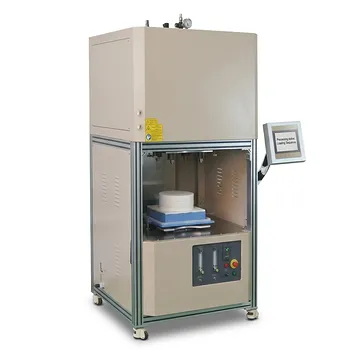
High Temperature Vertical Atmosphere Controlled Furnace with Automatic Bottom Loading and 1700°C Capacity for Advanced Material Research
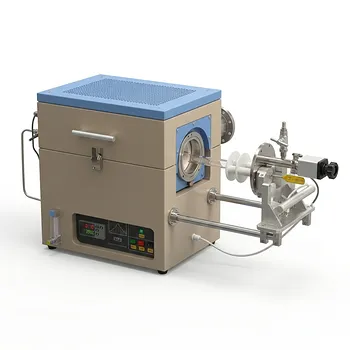
Compact Atmosphere Controlled Rapid Thermal Processing RTP Furnace with 4 Inch ID Quartz Tube 1100C
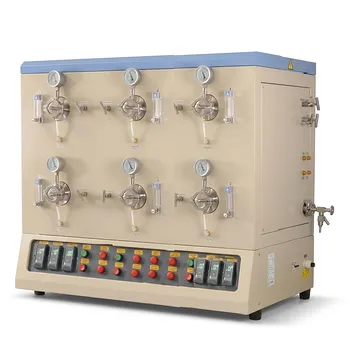
1200C High Throughput Multi Channel Tube Furnace with 50mm Quartz Tubes for Annealing and Material Phase Diagram Research

Vertical 1700C Vacuum and Atmosphere Tube Furnace with 80mm Alumina Tube
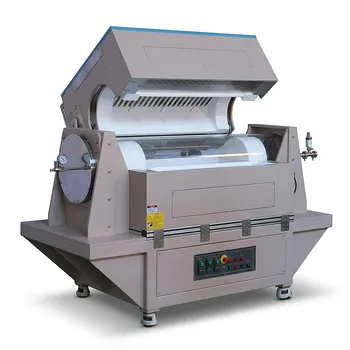
Three Zone Tube Furnace with 11 Inch or 15 Inch Quartz Tube and Hinged Flanges for Vacuum Atmosphere Heat Treatment
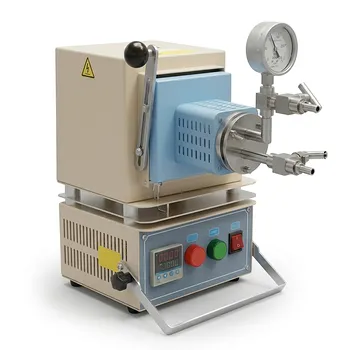
Compact Hybrid Muffle and Tube Furnace for 1000C Controlled Atmosphere Laboratory Material Sintering
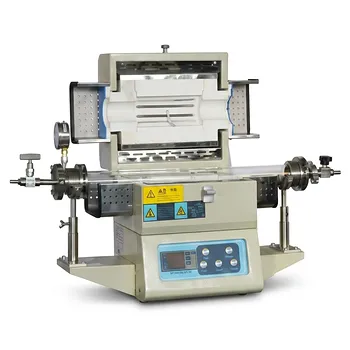
High Temperature 1200C Split Tube Furnace for CVD Research and Vacuum Atmosphere Heat Treatment
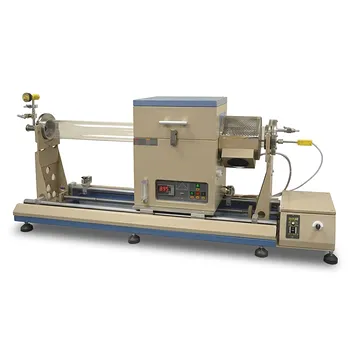
900 ºC Max Sliding RTP Tube Furnace with Rapid IR Heating and 4 Inch OD Quartz Tube
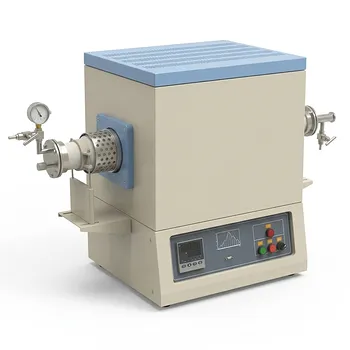
1750°C High Temperature Benchtop Vacuum Atmosphere Tube Furnace with Kanthal Super 1800 Heating Elements and 60mm Alumina Processing Tube
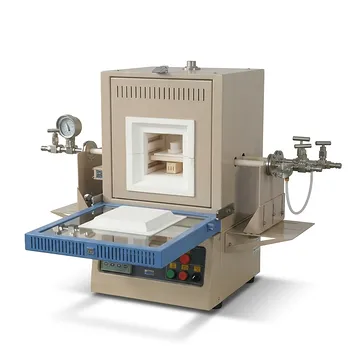
1700C Compact Hybrid Furnace with Dual Layer Box Sintering and Controlled Atmosphere Alumina Tubes
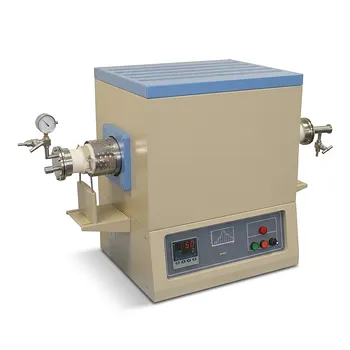
1700C High Temperature Alumina Tube Furnace with 18 Inch Heated Zone and Vacuum Sealing Flanges
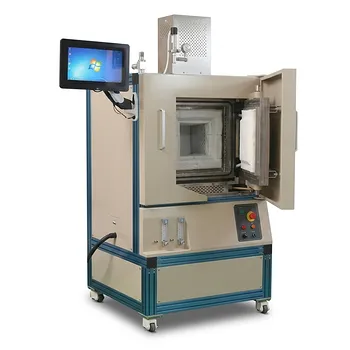
High Temperature Oxygen and Inert Atmosphere Controlled Furnace 8 Liter 1700C Sintering System for Advanced Materials RD

Compact High Temperature 1600C Tube Furnace with 50mm Alumina Tube and Vacuum Flanges for Material Sintering

High Temperature 1700C Vertical Tube Furnace for Powder Spherification and Material Sintering
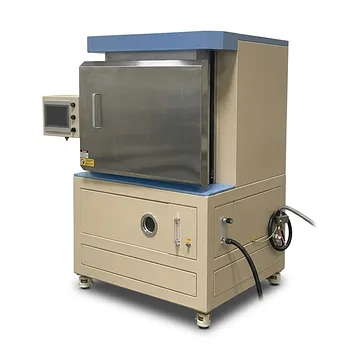
1650C High Temperature Atmosphere Controlled Box Furnace with 65L Chamber for Advanced Material Sintering and Industrial Heat Treatment
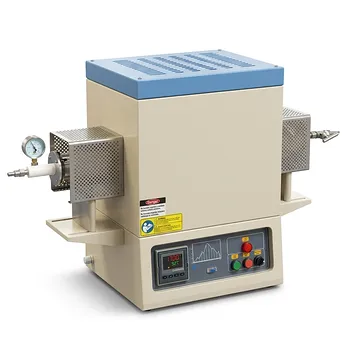
High Temperature Three Zone Tube Furnace 1700C with Alumina Tube and Water Cooled Flanges
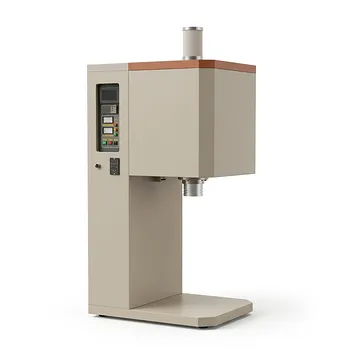
Vertical Openable Tube Furnace 0-1700c High Temperature Laboratory System for CVD and Vacuum Heat Treatment
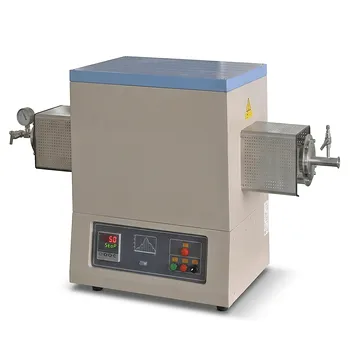
High Temperature 1700C Tube Furnace with 4 Inch OD Alumina Tube and Vacuum Sealing Flanges
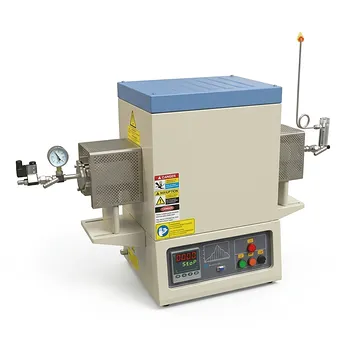
1700C Hydrogen Gas Tube Furnace with 60mm Alumina Process Tube and Integrated Hydrogen Safety Detector