Why is a tube furnace equipped with atmosphere control required for biomass carbonization? Prevent Oxidation & Max Yield
Updated 3 months ago
The carbonization of biomass is a delicate chemical transformation that requires the absolute exclusion of oxygen to prevent material loss through combustion. A tube furnace equipped with an atmosphere control system provides a sealed, high-temperature environment where organic matter undergoes pyrolysis rather than burning. This specialized setup allows for the precise removal of volatile components while preserving the carbon skeleton and initiating the formation of complex pore structures essential for advanced material applications.
Core Takeaway: Atmosphere-controlled tube furnaces are essential because they decouple high-temperature thermal decomposition from oxidation. By replacing oxygen with inert gases like nitrogen or argon, the furnace ensures the biomass is converted into a stable carbon structure with maximized yield and engineered porosity.
Preventing Oxidative Burnout
The Role of Inert Gas Shields
At the high temperatures required for carbonization—typically between 400°C and 800°C—biomass will catch fire and turn to ash if oxygen is present. The atmosphere control system introduces high-purity nitrogen (N2) or argon (Ar) to create an inert environment. This shield prevents the aerobic combustion of the carbon precursors, ensuring the material remains intact throughout the heating cycle.
Maximizing Carbon Yield
By isolating the biomass from reactive gases, the furnace forces the material to undergo dehydration and carbonization reactions only. This process preserves the carbon elements within the precursor instead of allowing them to bond with oxygen and escape as CO2. The result is a significantly higher yield of solid carbon char, which serves as the foundation for further processing.
Precision in Thermal Decomposition
Controlling Volatile Removal
A tube furnace allows for the gradual and controlled removal of non-carbon components and volatile impurities. As the temperature rises at a precise heating rate, these volatile substances are driven off, leaving behind an enriched carbon network. The airtight nature of the tube ensures these byproducts do not re-react with the sample or introduce contaminants.
Formation of the Carbon Skeleton
The stable high-temperature environment provided by the furnace is critical for establishing a solid skeletal structure. During pyrolysis, the organic components of the biomass are reorganized into a stable carbon matrix. This skeletal formation is the prerequisite for producing high-quality biochar and activated carbon used in energy storage and filtration.
Engineering Porosity and Chemistry
Safeguarding Pore Architecture
The atmosphere control system is vital for the development of hierarchical pore structures, including micropores and mesopores. In an oxygen-free environment, the furnace facilitates the thorough reaction between activators and carbon precursors without the risk of "burnout." This precision allows researchers to tailor the surface area and pore volume of the final material.
Retaining Heteroatoms
In many advanced carbon materials, the presence of heteroatoms like nitrogen, phosphorus, and oxygen is desired to improve chemical activity. The inert atmosphere prevents these elements from being lost to oxidation during high-temperature sintering. This ensures that the heteroatoms are successfully incorporated into the carbon network, enhancing the material's functional properties.
Understanding the Trade-offs
Equipment Maintenance and Sealing
The primary challenge of using a tube furnace is maintaining a perfectly airtight seal at high temperatures. Even a minor leak can introduce oxygen, leading to the partial oxidation of the sample and inconsistent results. Regular maintenance of O-rings and flanges is a non-negotiable requirement for operational success.
Gas Consumption and Costs
Operating an atmosphere control system requires a constant flow of high-purity gas, which increases operational costs. While nitrogen is relatively affordable, using argon for specific high-performance applications can be significantly more expensive. Users must balance the need for high-purity environments with the logistical requirements of gas cylinder management.
Making the Right Choice for Your Goal
To achieve the best results with biomass carbonization, your approach should be dictated by your final material requirements:
- If your primary focus is maximizing carbon yield: Use a moderate heating rate under a continuous nitrogen flow to ensure complete volatile removal without structural collapse.
- If your primary focus is high-porosity activated carbon: Ensure the tube furnace is perfectly sealed and utilize a secondary activation stage at temperatures near 800°C to expand the pore network.
- If your primary focus is heteroatom doping (e.g., N or P): Utilize argon as the protective atmosphere to provide a more chemically inert environment than nitrogen during the high-temperature sintering phase.
The transition from raw biomass to high-performance carbon is entirely dependent on the controlled, oxygen-free environment that only an atmosphere-equipped tube furnace can reliably provide.
Summary Table:
| Feature | Function in Carbonization | Primary Benefit |
|---|---|---|
| Inert Atmosphere | Displaces oxygen with N2 or Ar | Prevents combustion and avoids material loss as ash. |
| Precise Temperature | Controlled heating rates | Ensures stable carbon skeleton and gradual volatile removal. |
| Sealed Environment | Airtight tube design | Protects the hierarchical pore structure and heteroatom content. |
| Gas Management | Continuous flow control | Maintains a pure environment for consistent carbon material properties. |
Elevate Your Material Research with THERMUNITS
Precise biomass carbonization requires the absolute control that only professional thermal equipment can provide. THERMUNITS is a leading manufacturer of high-temperature laboratory furnaces tailored for material science and industrial R&D.
Our comprehensive range includes Atmosphere and Tube Furnaces, Vacuum Systems, CVD/PECVD solutions, and Hot Press furnaces, all designed to safeguard your samples from oxidation and ensure maximum yield. Whether you are engineering activated carbon or developing advanced biochar, our equipment offers the precision and durability your lab demands.
Contact our experts today to find the perfect furnace for your application!
References
- İlknur Demıral, Fatma Betül Kuş. DETERMINATION OF DEEP RED REMOVAL POTENTIAL OF ACTIVATED CARBON PRODUCED FROM WHEAT BRAN. DOI: 10.18038/estubtda.1432952
Mentioned Products
- Compact Vertical Split Quartz Tube Furnace with Stainless Steel Vacuum Flanges for Rapid Thermal Quenching and Controlled Atmosphere Material Processing
- 1200°C Atmosphere Controlled Automatic Bottom Loading Furnace with 6 Inch Quartz Tube
- Compact Hybrid Muffle and Tube Furnace for 1000C Controlled Atmosphere Laboratory Material Sintering
- High Temperature Tilting Rotary Tubular Furnace for Continuous Powder Thermal Processing and Controlled Atmosphere Sintering
- High Temperature Vertical Atmosphere Controlled Furnace with Automatic Bottom Loading and 1700°C Capacity for Advanced Material Research
People Also Ask
- Why integrate a vertical split tube furnace with hydraulic loading for HSECC? Essential for In-Situ Fire Simulation.
- What is the role of a split vertical tube furnace during flash sintering of 8YSZ and 20SDC? Master Ultra-Fast R&D
- What is the primary engineering purpose for using a customized ventilation hood when operating a split tube furnace? RCF Safety
- Why is a quartz tube furnace necessary for phosphorus-doped MoS2/GO preparation? Ensure Purity & Precise Synthesis
- What is the primary function of a Quartz Tube Furnace in ZnO VLS growth? Master High-Precision Nanowire Synthesis

Tech Team · ThermUnits
Last updated on Jun 03, 2026
Related Products
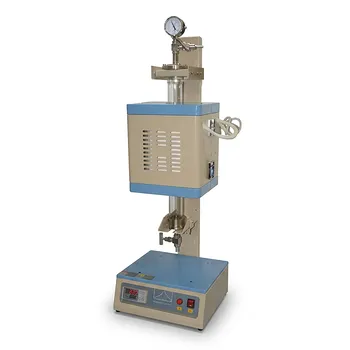
Compact Vertical Split Quartz Tube Furnace with Stainless Steel Vacuum Flanges for Rapid Thermal Quenching and Controlled Atmosphere Material Processing
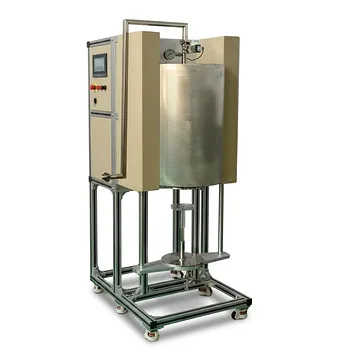
1200°C Atmosphere Controlled Automatic Bottom Loading Furnace with 6 Inch Quartz Tube
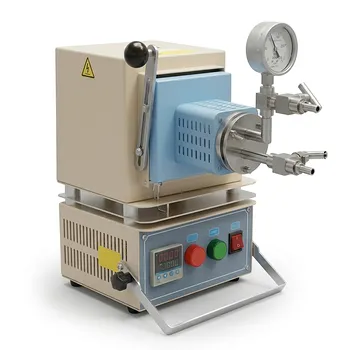
Compact Hybrid Muffle and Tube Furnace for 1000C Controlled Atmosphere Laboratory Material Sintering
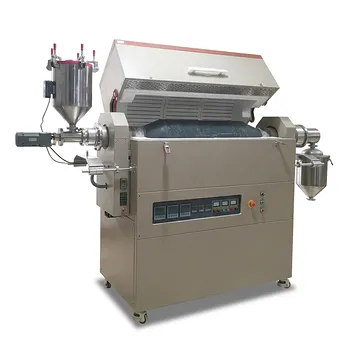
High Temperature Tilting Rotary Tubular Furnace for Continuous Powder Thermal Processing and Controlled Atmosphere Sintering
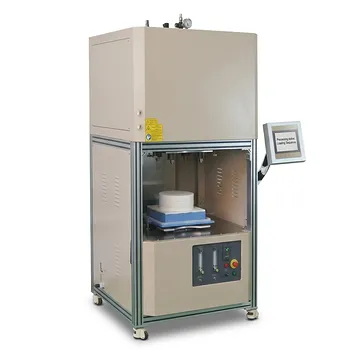
High Temperature Vertical Atmosphere Controlled Furnace with Automatic Bottom Loading and 1700°C Capacity for Advanced Material Research
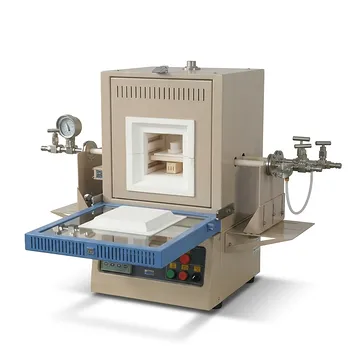
1700C Compact Hybrid Furnace with Dual Layer Box Sintering and Controlled Atmosphere Alumina Tubes
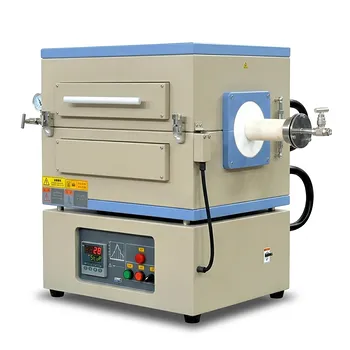
1500°C Split Tube Furnace with Alumina Tube and Vacuum Sealing Flanges for Material Research

Vertical 1700C Vacuum and Atmosphere Tube Furnace with 80mm Alumina Tube
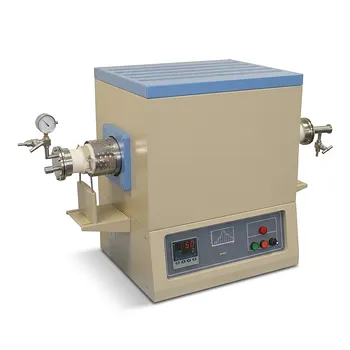
1700C High Temperature Alumina Tube Furnace with 18 Inch Heated Zone and Vacuum Sealing Flanges
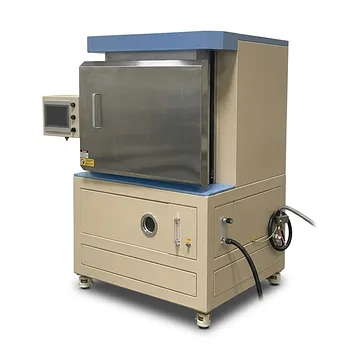
1650C High Temperature Atmosphere Controlled Box Furnace with 65L Chamber for Advanced Material Sintering and Industrial Heat Treatment
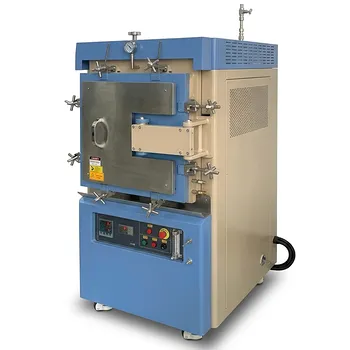
Atmosphere Controlled Muffle Furnace 1700C Maximum Temperature 80L High Capacity Vacuum Inert Gas Box Furnace
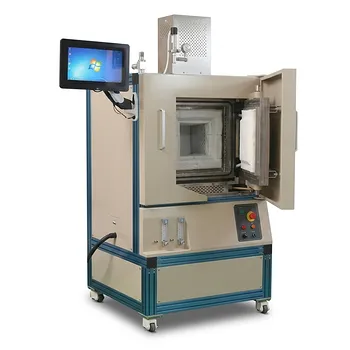
High Temperature Oxygen and Inert Atmosphere Controlled Furnace 8 Liter 1700C Sintering System for Advanced Materials RD
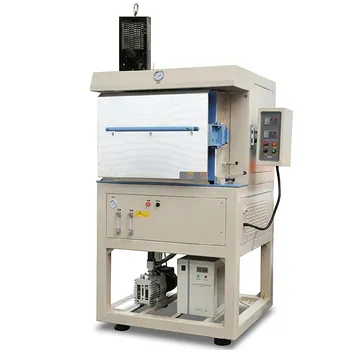
1200C Hydrogen Atmosphere Box Furnace with 5 Heated Sides and 64L Chamber

High Temperature 1700C Tube Furnace with High Vacuum Turbomolecular Pump System and Multi Channel Mass Flow Controller Gas Mixer

High Temperature 1700C Vertical Tube Furnace for Powder Spherification and Material Sintering
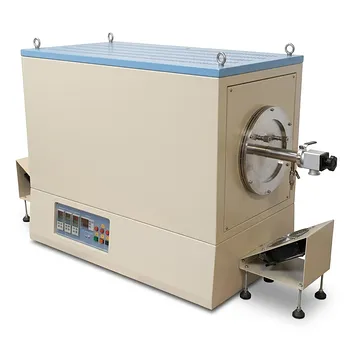
Four Zone Tube Furnace 1100C with 600mm Large Diameter Quartz Tube and Vacuum Flanges
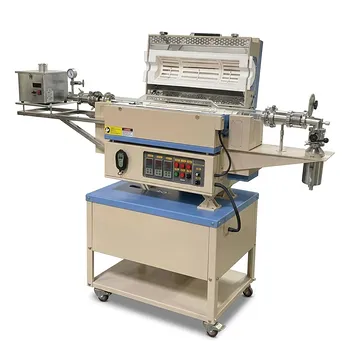
5 Inch Rotary Tube Furnace with Automatic Feeding and Receiving System 1200C Three Zone CVD Powder Processing
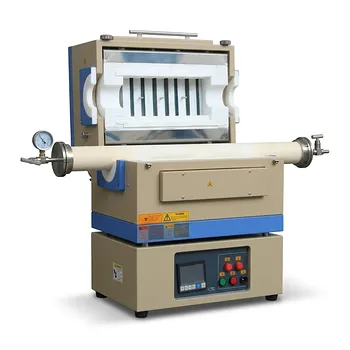
1500C Eight Zone Split Tube Furnace for Thermal Gradient Processing and Advanced Material Research
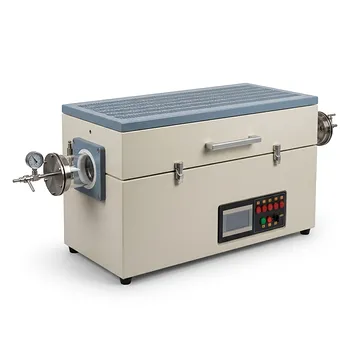
Five Zone 1200C High Temperature Split Tube Furnace with Touch Screen Controller and Multiple Quartz Tube Options
