Why is a vacuum tube furnace used for the heat treatment of modified coal-based graphite? Precision Thermal Control
Updated 3 months ago
The vacuum tube furnace is the preferred tool for treating modified coal-based graphite because it provides a protected, high-temperature environment that prevents material loss while enabling precise structural tuning. By utilizing inert gas atmospheres like argon, the furnace stops the carbon from oxidizing (burning) at high temperatures. This controlled setting allow for the specific adjustment of the graphite's interlayer spacing and the regulation of its original porosity.
Core Takeaway: A vacuum tube furnace facilitates the transformation of coal-based precursors into high-quality graphite by balancing atmospheric protection with high-thermal precision. It ensures the material is purified and structurally reorganized without being destroyed by oxidation.
Protecting Material Integrity
Preventing Oxidative Loss
At the high temperatures required for heat treatment, graphite reacts readily with oxygen, leading to significant material waste. The vacuum tube furnace eliminates this risk by replacing air with inert gases like argon. This creates a "safe zone" where the coal-based graphite can be heated to extreme levels without the carbon structure burning away.
Regulation of Porosity
The furnace allows for the precise control of original porosity within the modified graphite. By maintaining specific temperatures for set durations, the furnace dictates how the internal voids within the coal-based material expand or contract. This is critical for applications where the surface area of the graphite determines its effectiveness, such as in battery anodes.
Structural Reorganization and Purification
Interlayer Structure Adjustment
Coal contains complex organic macromolecules that must be reorganized into ordered layered aromatic structures. The high-temperature environment of the furnace provides the thermal energy necessary to drive the rearrangement of carbon atoms. This "graphitization" process simplifies the eventual exfoliation of the material into graphene-like layers.
Removal of Residues and Impurities
The vacuum environment, often reaching ultra-low pressures (e.g., 10^-5 mbar), facilitates the thermal decomposition of polymer residues and solvent molecules. This purification step is essential for removing background interference. It ensures that the final modified graphite is chemically "clean," which is vital for high-resolution imaging and sensitive electronic applications.
Improving Chemical Characteristics
When hydrogen is introduced into the furnace, it creates a reducing environment. This helps remove oxide layers at contact points and eliminates environmental impurities. For coal-based graphite used in electronic devices, this step enhances carrier transport efficiency and suppresses charge scattering.
Advanced Thermal Dynamics
Radiant Heat Transfer Efficiency
In a vacuum, traditional convective heating is ineffective because there is no air to carry the heat. Instead, the furnace relies on radiant heat transfer, often using graphite heating tubes as the core elements. The high emissivity of graphite ensures a rapid and stable generation of a high-temperature radiation field, which is the most efficient way to heat the workpiece uniformly.
Precision Atmosphere Control
The slender design of the reaction tube (typically quartz or alumina) allows for the achievement of high vacuum levels and the precise control of gas ratios. This narrow space facilitates the formation of a stable "stagnant layer" on the material surface. This stability ensures that any gas-phase precursors used during modification undergo uniform, atomic-level deposition.
Understanding the Trade-offs
Equipment Constraints and Throughput
While vacuum tube furnaces offer unmatched precision, they are typically batch-processing systems. This means throughput is lower compared to continuous industrial furnaces. Additionally, the maintenance of vacuum seals and the requirement for specialized high-current transformers to power the graphite heaters increase the operational complexity.
Material Limitations
The choice of tube material (quartz vs. alumina) limits the maximum operating temperature. While quartz offers high purity, it may deform at temperatures where alumina remains stable. Furthermore, using hydrogen for purification requires rigorous safety protocols to prevent leaks, as the gas is highly flammable in a high-temperature environment.
How to Apply This to Your Project
Selecting the Right Process Parameters
- If your primary focus is high structural purity: Prioritize ultra-low vacuum pressures (10^-5 mbar) to ensure all polymer residues and solvents are fully volatilized.
- If your primary focus is electrical conductivity: Use a reducing atmosphere of Argon/Hydrogen (Ar/H2) to eliminate surface oxides and improve the chemical interface of the graphite.
- If your primary focus is large-scale graphitization: Focus on high-temperature stability (up to 2800°C) to ensure the reorganization of coal macromolecules into ordered aromatic layers.
- If your primary focus is uniform film growth: Utilize the tube’s narrow geometry to establish a stable stagnant layer for consistent chemical vapor deposition (CVD).
The vacuum tube furnace remains the gold standard for coal-based graphite modification because it offers the perfect intersection of atmospheric isolation, thermal power, and structural control.
Summary Table:
| Key Benefit | Mechanism / Feature | Material Outcome |
|---|---|---|
| Oxidation Protection | Inert gas (Argon) atmosphere | Prevents material loss and carbon burning. |
| Structural Tuning | Precise thermal regulation | Optimizes porosity and interlayer spacing. |
| High Purification | High vacuum (up to 10^-5 mbar) | Volatilizes polymer residues and solvents. |
| Chemical Improvement | Reducing environment (Ar/H2) | Removes oxide layers and enhances conductivity. |
| Heating Efficiency | Radiant heat transfer | Ensures uniform high-temperature distribution. |
Elevate Your Material Research with THERMUNITS
As a leading manufacturer of high-temperature laboratory equipment, THERMUNITS provides the thermal precision necessary for advanced material science and industrial R&D. Whether you are modifying coal-based graphite or developing next-generation battery anodes, our comprehensive range of solutions—including Vacuum, Tube, Atmosphere, Muffle, and Rotary furnaces, as well as CVD/PECVD systems—ensures unmatched process control and repeatable results.
Why Choose THERMUNITS?
- Extreme Precision: Achieve the exact thermal profiles required for graphitization and purification.
- Versatile Environments: Integrated systems for high-vacuum, inert, and reducing atmospheres.
- Proven Reliability: Trusted by global research institutions for heat treatment, vacuum induction melting (VIM), and dental furnace applications.
Contact our technical experts today to find the ideal thermal solution for your lab and accelerate your carbon material innovations!
References
- Xin Yi, Yanbin Yao. Adsorption Performance of Modified Graphite from Synthetic Dyes Solutions. DOI: 10.3390/ma17174349
Mentioned Products
- High Vacuum Compact Tube Furnace 1200C with Integrated Turbo Pump System and 8 Inch Heating Zone
- 1800C High Temperature Compact Vacuum Tube Furnace with 60mm OD Alumina Tube and Kanthal MoSi2 Heating Elements
- 1200C High Temperature 5 Inch Split Vacuum Tube Furnace with 12 Inch Heating Zone and Separated PID Controller
- 1750°C High Temperature Benchtop Vacuum Atmosphere Tube Furnace with Kanthal Super 1800 Heating Elements and 60mm Alumina Processing Tube
- 500C Vacuum Vertical Tube Furnace 84mm OD Sample Rotation Lifting System
People Also Ask
- What core functions does a high-temperature vacuum tube furnace provide? Optimize np-CuSn Sintering & Joint Integrity
- What is the primary function of a high vacuum tube furnace in the in-situ grain growth experiments of silicon steel?
- Why is a high-vacuum tube furnace required for the pyrolysis phase of BCMoMn electrocatalysts? Key for Catalyst Precision
- What are the functions of a tube furnace in PCC annealing? Optimize Carbonization & Porosity
- What is the Role of Vacuum Tube Furnaces in Ti1-xAlxN Research? Master Age Hardening & Stability

Tech Team · ThermUnits
Last updated on Jun 03, 2026
Related Products
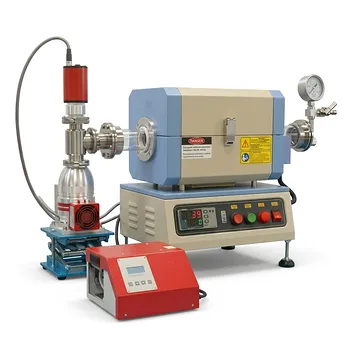
High Vacuum Compact Tube Furnace 1200C with Integrated Turbo Pump System and 8 Inch Heating Zone

1800C High Temperature Compact Vacuum Tube Furnace with 60mm OD Alumina Tube and Kanthal MoSi2 Heating Elements
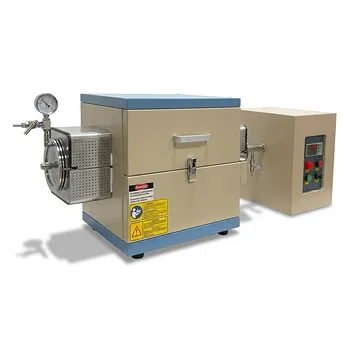
1200C High Temperature 5 Inch Split Vacuum Tube Furnace with 12 Inch Heating Zone and Separated PID Controller
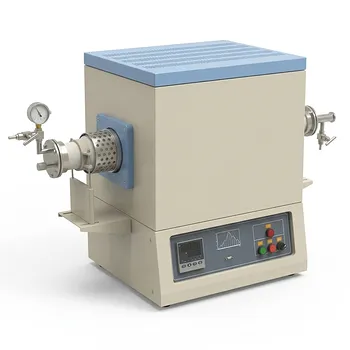
1750°C High Temperature Benchtop Vacuum Atmosphere Tube Furnace with Kanthal Super 1800 Heating Elements and 60mm Alumina Processing Tube
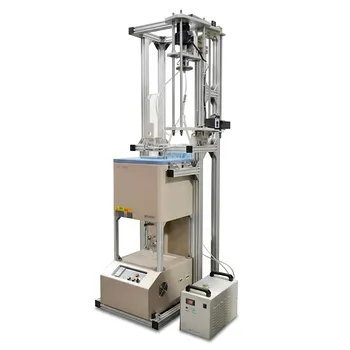
500C Vacuum Vertical Tube Furnace 84mm OD Sample Rotation Lifting System
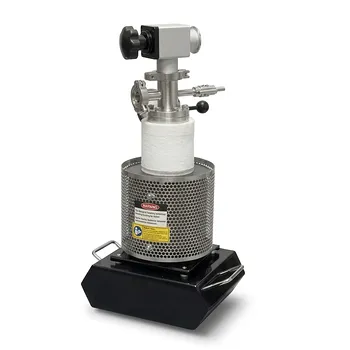
High Temperature 1100C Compact Top Loading Vertical Vacuum Tube Furnace for High Vacuum Noble Metal Melting and Material Research
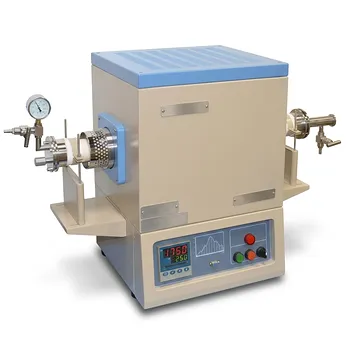
High Temperature Compact Vacuum Tube Furnace 1750C Max 60mm OD Alumina Tube
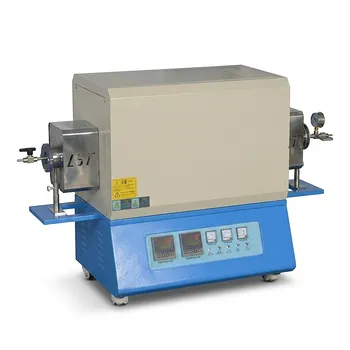
High Temperature Dual Zone Vacuum Tube Furnace for Material Research and CVD Processing

Vertical 1700C Vacuum and Atmosphere Tube Furnace with 80mm Alumina Tube

High Temperature 1700C Tube Furnace with High Vacuum Turbomolecular Pump System and Multi Channel Mass Flow Controller Gas Mixer
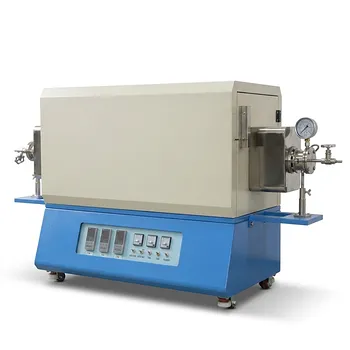
Three Temperature Zone High Temperature Vacuum Tube Furnace for CVD and Material Sintering

1100C Tube Furnace with Vacuum Flange and Programmable Temperature Controller for Material Science and Industrial Heat Treatment

Compact Vertical Split Quartz Tube Furnace with Stainless Steel Vacuum Flanges for Rapid Thermal Quenching and Controlled Atmosphere Material Processing
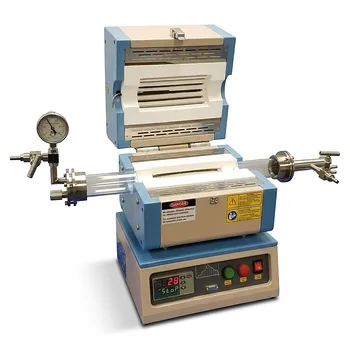
Compact Split Tube Furnace with Integrated Vacuum System and Precision Temperature Calibrator
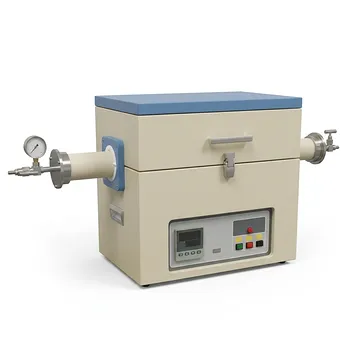
1250C Split Tube Furnace with 3 Inch Mullite Tube and Vacuum Sealing Flanges for Precision Thermal Processing
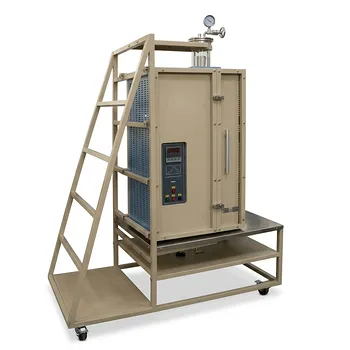
Split Vertical Tube Furnace with 1200C Quartz Tube and Stainless Steel Vacuum Flanges for Rapid Thermal Processing
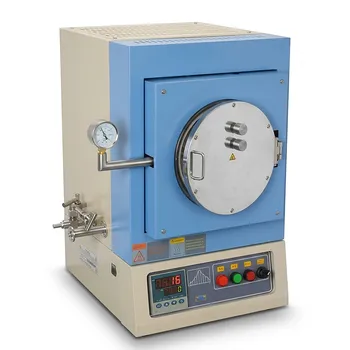
1100°C High Temperature Quartz Chamber Furnace 8 Inch OD with 7.6 Liter Capacity and Vacuum Atmosphere Capability

Compact High Temperature 1600C Tube Furnace with 50mm Alumina Tube and Vacuum Flanges for Material Sintering
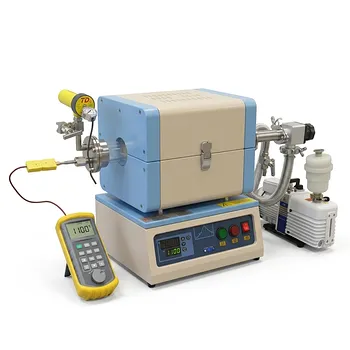
Compact Split Tube Furnace with Insertable Temperature Calibrator and Integrated Vacuum System
