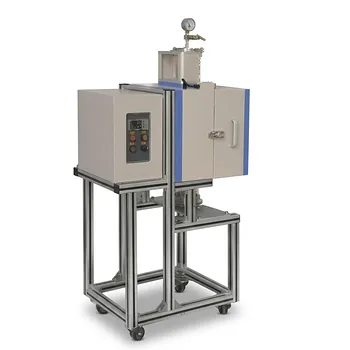
Why is a vacuum tube furnace utilized for the pyrolysis of garlic skin-based biochar? Optimize Pore Structure & Activity
Updated 5 months ago
The use of a vacuum tube furnace for garlic skin pyrolysis is essential for creating a high-performance biochar with a superior pore structure and active surface chemistry. Unlike conventional methods, the vacuum environment facilitates "weak carbonization" by rapidly removing volatile gases and preventing the thermal degradation of critical oxygen and nitrogen functional groups. This process results in a functionalized biochar that possesses significantly higher adsorption activity and chemical reactivity.
The vacuum tube furnace provides a low-pressure, oxygen-free environment that optimizes biochar quality by accelerating volatile removal and preserving surface functional groups. This technical approach is vital for engineering materials with specific pore architectures and high chemical activity.
Optimizing Pore Development and Structure
Preventing Pore Blockage
During the pyrolysis of agricultural biomass like garlic skins, volatile components are released as the material breaks down. In a standard furnace, these volatiles may linger, leading to secondary reactions that can clog the emerging pore network.
A vacuum tube furnace effectively shortens the residence time of these volatile components. By pulling these gases away from the material surface immediately, the furnace ensures the internal channels remain open and accessible.
Facilitating Weak Carbonization
The vacuum environment allows for a specific state known as weak carbonization. This controlled environment prevents the aggressive over-processing of the carbon skeleton, maintaining a balance between structural stability and chemical availability.
This process is critical for biomass like herb residues and garlic skins, where the goal is to transform the organic precursor into a stable carbon form without destroying its inherent beneficial qualities.
Preserving Surface Chemistry and Activity
Inhibition of Functional Group Decomposition
One of the primary advantages of the vacuum tube furnace is its ability to inhibit the thermal decomposition of surface oxygen (O) and nitrogen (N) functional groups. These groups are often lost at high temperatures in atmospheric conditions.
By preserving these O and N groups, the resulting biochar remains "functionalized." This means the material retains a higher level of adsorption activity, making it much more effective at capturing pollutants or acting as a catalyst.
Precise Atmosphere Protection
While the vacuum handles pressure, the tube furnace design allows for the introduction of inert shielding gases, such as high-purity nitrogen. This creates a strictly sealed, oxygen-free environment that prevents oxidative combustion.
This dual-layer protection—vacuum and inert gas—ensures that the organic matter undergoes dehydration and degassing rather than burning. This maximizes the solid biochar yield and ensures consistent product quality.
The Role of Thermal Precision
Controlling Heating Rates and Dwell Times
The tube furnace provides a stable heating rate (e.g., 10°C/min) and an accurate constant temperature environment. This level of control is necessary to manage the thermochemical degradation of hemicellulose, cellulose, and lignin.
Precise thermal control determines the final fixed carbon content and the formation of persistent free radicals (PFRs). These factors are the foundation for the biochar's energy storage capacity and reduction activity.
Uniform Carbonization
Because the garlic skin is contained within a high-purity quartz tube, the heat distribution is exceptionally uniform. This prevents "hot spots" that could cause uneven carbonization and compromise the structural integrity of the biochar.
Understanding the Trade-offs
Equipment Complexity and Cost
Vacuum tube furnaces are significantly more complex than standard muffle or atmospheric furnaces. They require specialized vacuum pumps, high-integrity seals, and robust maintenance protocols to prevent leaks that could introduce oxygen.
Scaling and Throughput
While ideal for laboratory-grade precision and high-performance material synthesis, vacuum pyrolysis can be difficult to scale for mass production. The requirement to maintain a vacuum in large-volume chambers presents substantial engineering challenges and higher operational costs compared to continuous atmospheric systems.
How to Apply This to Your Project
Selecting the right pyrolysis environment depends entirely on the intended application of your biochar.
- If your primary focus is high adsorption capacity: Utilize a vacuum tube furnace to preserve O and N functional groups and ensure a clear, unblocked pore structure.
- If your primary focus is maximum carbon yield: Prioritize precise control over heating rates and the use of high-purity nitrogen to prevent any oxidative loss of material.
- If your primary focus is chemical reactivity (e.g., for heavy metal removal): Target specific temperature intervals that favor the stability of persistent free radicals (PFRs) within the vacuum environment.
By leveraging the precise atmospheric and thermal control of a vacuum tube furnace, you can transform simple agricultural waste into a sophisticated, high-value functional material.
Summary Table:
| Key Feature | Technical Advantage | Research Benefit |
|---|---|---|
| Vacuum Environment | Rapid removal of volatile gases | Prevents pore blockage and secondary reactions |
| Weak Carbonization | Prevents aggressive over-processing | Maintains balance between stability and reactivity |
| Group Preservation | Inhibits O and N decomposition | Enhances adsorption activity and chemical reactivity |
| Thermal Precision | Stable heating rates and uniformity | Ensures consistent fixed carbon content and quality |
Transform Your Material Research with THERMUNITS Precision
Achieving superior biochar performance requires exact control over atmospheric conditions and thermal gradients. THERMUNITS is a leading manufacturer of high-temperature laboratory equipment specifically designed for material science and industrial R&D. We provide the tools necessary to master complex processes like vacuum pyrolysis and functionalized carbon synthesis.
Our Comprehensive Thermal Solutions include:
- Advanced Furnaces: Vacuum, Tube, Muffle, Atmosphere, Rotary, and Hot Press models.
- Specialized Systems: CVD/PECVD setups, Dental Furnaces, and Vacuum Induction Melting (VIM) units.
- Precision Components: Electric rotary kilns, Thermal Elements, and custom heat treatment equipment.
Ready to elevate your lab's efficiency and material quality? Contact our technical experts today to find the ideal thermal processing solution for your research goals.
References
- Tao-Tao Shi, Jin‐Gang Yu. Garlic Peel-Based Biochar Prepared under Weak Carbonation Conditions for Efficient Removal of Methylene Blue from Wastewater. DOI: 10.3390/molecules29194772
Mentioned Products
- High Vacuum Compact Tube Furnace 1200C with Integrated Turbo Pump System and 8 Inch Heating Zone
- 1800C High Temperature Compact Vacuum Tube Furnace with 60mm OD Alumina Tube and Kanthal MoSi2 Heating Elements
- 500C Vacuum Vertical Tube Furnace 84mm OD Sample Rotation Lifting System
- 1200C High Temperature 5 Inch Split Vacuum Tube Furnace with 12 Inch Heating Zone and Separated PID Controller
- 1750°C High Temperature Benchtop Vacuum Atmosphere Tube Furnace with Kanthal Super 1800 Heating Elements and 60mm Alumina Processing Tube
People Also Ask
- What core functions does a high-temperature vacuum tube furnace provide? Optimize np-CuSn Sintering & Joint Integrity
- What is the primary function of a high vacuum tube furnace in the in-situ grain growth experiments of silicon steel?
- Why is a high-vacuum tube furnace required for the pyrolysis phase of BCMoMn electrocatalysts? Key for Catalyst Precision
- What are the functions of a tube furnace in PCC annealing? Optimize Carbonization & Porosity
- What is the Role of Vacuum Tube Furnaces in Ti1-xAlxN Research? Master Age Hardening & Stability

Tech Team · ThermUnits
Last updated on Apr 14, 2026
Related Products
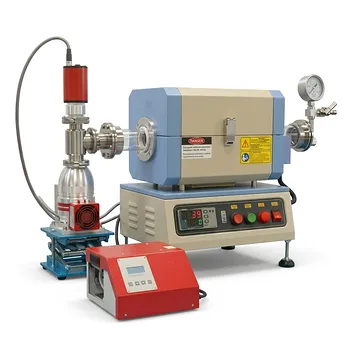
High Vacuum Compact Tube Furnace 1200C with Integrated Turbo Pump System and 8 Inch Heating Zone

1800C High Temperature Compact Vacuum Tube Furnace with 60mm OD Alumina Tube and Kanthal MoSi2 Heating Elements
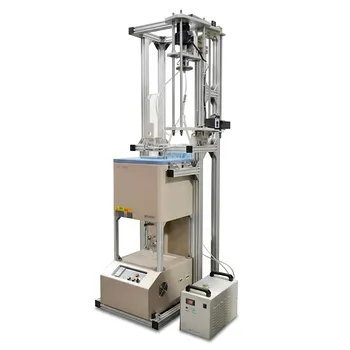
500C Vacuum Vertical Tube Furnace 84mm OD Sample Rotation Lifting System
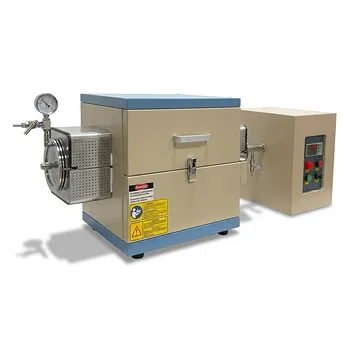
1200C High Temperature 5 Inch Split Vacuum Tube Furnace with 12 Inch Heating Zone and Separated PID Controller

1750°C High Temperature Benchtop Vacuum Atmosphere Tube Furnace with Kanthal Super 1800 Heating Elements and 60mm Alumina Processing Tube
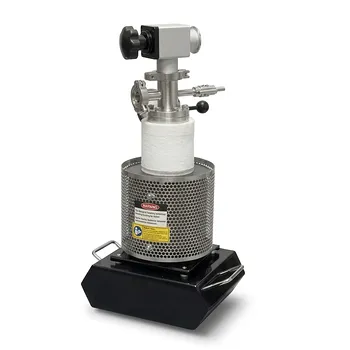
High Temperature 1100C Compact Top Loading Vertical Vacuum Tube Furnace for High Vacuum Noble Metal Melting and Material Research
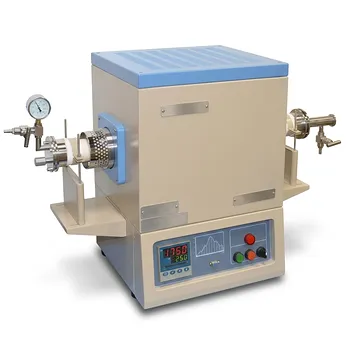
High Temperature Compact Vacuum Tube Furnace 1750C Max 60mm OD Alumina Tube
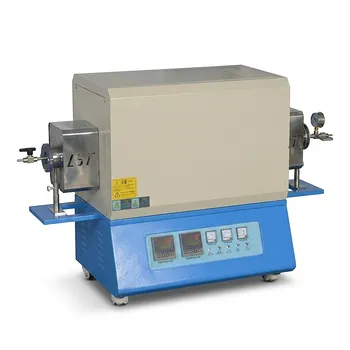
High Temperature Dual Zone Vacuum Tube Furnace for Material Research and CVD Processing

Vertical 1700C Vacuum and Atmosphere Tube Furnace with 80mm Alumina Tube

High Temperature 1700C Tube Furnace with High Vacuum Turbomolecular Pump System and Multi Channel Mass Flow Controller Gas Mixer
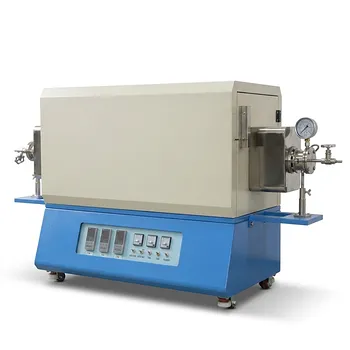
Three Temperature Zone High Temperature Vacuum Tube Furnace for CVD and Material Sintering
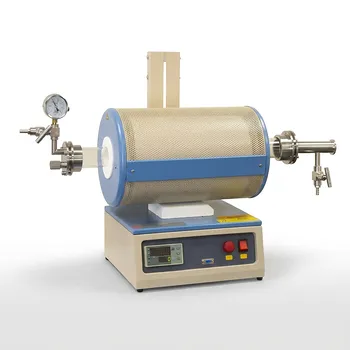
1100C Tube Furnace with Vacuum Flange and Programmable Temperature Controller for Material Science and Industrial Heat Treatment

Compact Vertical Split Quartz Tube Furnace with Stainless Steel Vacuum Flanges for Rapid Thermal Quenching and Controlled Atmosphere Material Processing
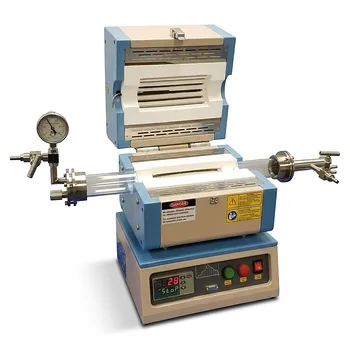
Compact Split Tube Furnace with Integrated Vacuum System and Precision Temperature Calibrator
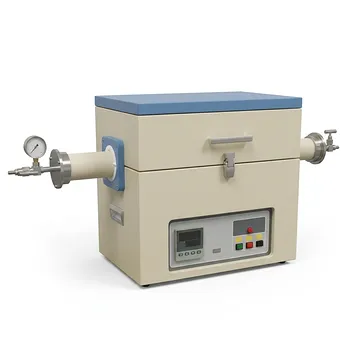
1250C Split Tube Furnace with 3 Inch Mullite Tube and Vacuum Sealing Flanges for Precision Thermal Processing
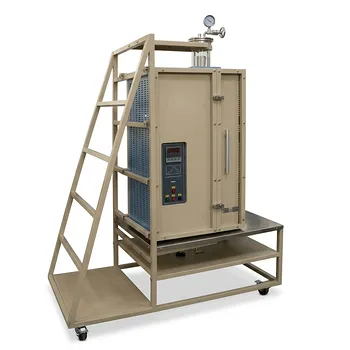
Split Vertical Tube Furnace with 1200C Quartz Tube and Stainless Steel Vacuum Flanges for Rapid Thermal Processing

1100°C High Temperature Quartz Chamber Furnace 8 Inch OD with 7.6 Liter Capacity and Vacuum Atmosphere Capability

Compact High Temperature 1600C Tube Furnace with 50mm Alumina Tube and Vacuum Flanges for Material Sintering
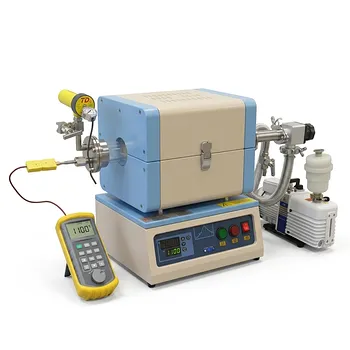
Compact Split Tube Furnace with Insertable Temperature Calibrator and Integrated Vacuum System