Why is an industrial-grade vacuum annealing furnace system required for SACs? Scale Production with Precision
Updated 3 months ago
Industrial-grade vacuum annealing furnace systems are the linchpin for scaling single-atom catalysts because they provide the chamber volume, vacuum integrity, and thermal uniformity required to maintain atomic dispersion across large batches. While lab-scale equipment can produce small samples, industrial systems utilize high-capacity pumping and precise temperature control to ensure that metal atoms remain anchored to support sites rather than clustering into inactive nanoparticles. This environment is critical for transforming laboratory breakthroughs into standardized, high-density catalyst libraries ready for commercial application.
To achieve large-scale production of single-atom catalysts, the system must overcome the thermodynamic drive for atoms to aggregate. Industrial vacuum furnaces solve this by providing a highly controlled, high-purity thermal environment that ensures consistent atomic stabilization across massive material volumes.
Solving the Challenge of Atomic Dispersion at Scale
Maintaining Temperature Field Uniformity
In the synthesis of single-atom catalysts (SACs), even slight temperature fluctuations can cause metal atoms to migrate and form clusters. Industrial-grade systems feature advanced heating elements designed to maintain a perfectly uniform temperature field across much larger heating chambers than laboratory equivalents. This uniformity ensures that every gram of precursor material undergoes the exact same thermal history, preventing the formation of bulk nanoparticles in "hot spots."
Achieving High Vacuum Pumping Rates
Large-scale production involves significant amounts of raw materials that can release gasses during the annealing process. High vacuum pumping rates are necessary to immediately evacuate these byproducts and maintain a consistent negative pressure environment. This prevents the buildup of impurities that could interfere with the delicate process of anchoring individual metal atoms to the support structure.
Overcoming Activation Energy Barriers
The high-temperature energy provided by these furnaces allows metal atoms to overcome activation energy barriers necessary to settle into stable positions. By precisely controlling the heat, the system facilitates the migration of atoms specifically to nitrogen-doped defect sites on graphene or other supports. This targeted stabilization is what creates the "single-atom" nature of the catalyst, maximizing the efficiency of the active metal.
Structural Stabilization and Contamination Control
Preventing Agglomeration through Fast Quenching
Some industrial systems are equipped with fast quenching devices that rapidly relocate samples from high-heat zones to room temperature. This process "freezes" the metastable metal distribution created at high temperatures before the atoms have a chance to move or separate. Without this rapid cooling, the slow descent in temperature would likely lead to nanoparticle agglomeration, ruining the catalyst's single-atom characteristics.
Eliminating Oxidation and Impurities
Active metal sites and carbon supports are highly sensitive to oxygen and moisture at elevated temperatures. Industrial high-vacuum environments (reaching levels like 10⁻⁶ mbar) isolate the materials from atmospheric contaminants. This protection ensures that observed catalytic behaviors are driven by the material's internal thermodynamics rather than external chemical reactions like oxidation.
Facilitating Precision Doping
When synthesizing high-entropy or nitrogen-doped catalysts, the furnace must maintain a continuous flow of high-purity inert gas, such as argon. This controlled atmosphere prevents the oxidation of the carbon support while allowing for precise nitrogen doping of the structure. This dual capability—maintaining a vacuum while managing gas flow—is a hallmark of industrial-grade atmospheric furnaces.
Understanding the Trade-offs
Operational Complexity vs. Precision
Industrial vacuum furnaces offer unparalleled control, but they require significant infrastructure and technical expertise to operate. The maintenance of high-vacuum seals and the calibration of large-scale sensor arrays add layers of complexity not found in simple muffle furnaces. However, this complexity is the only way to ensure the repeatability and standardization required for industrial chemical processes.
Energy Consumption and Throughput
While these systems consume vast amounts of energy to maintain high temperatures and vacuum levels, their high throughput often results in a lower cost per gram of catalyst produced. The trade-off is a higher initial capital expenditure in exchange for the ability to produce high-density catalyst libraries that are simply impossible to synthesize at scale using benchtop equipment.
How to Apply This to Your Project
When transitioning from laboratory research to industrial-scale catalyst preparation, your choice of thermal processing equipment will define your success.
- If your primary focus is maximizing catalyst activity: Prioritize a system with a fast quenching device to lock in the highest possible dispersion of active sites.
- If your primary focus is batch-to-batch consistency: Invest in a furnace with the highest rated temperature field uniformity to ensure every run meets your precise chemical stoichiometry.
- If your primary focus is working with air-sensitive materials: Select an atmosphere-controlled vacuum furnace that allows for the backfilling of high-purity inert gases to protect active sites from oxidation.
The transition to industrial-grade vacuum systems is not merely a change in size, but a fundamental shift toward the precision required for atomic-level manufacturing.
Summary Table:
| Key Requirement | Industrial Furnace Solution | Impact on Catalyst Quality |
|---|---|---|
| Atomic Dispersion | High-precision uniform temperature fields | Prevents atoms from clustering into inactive particles |
| Purity Maintenance | High-capacity vacuum pumping (10⁻⁶ mbar) | Eliminates impurities and oxidation during annealing |
| Structural Stability | Integrated fast quenching devices | "Freezes" metastable atomic states for maximum activity |
| Scalability | Large chamber volume & gas flow control | Ensures batch-to-batch consistency for commercial loads |
Scale Your SAC Production with THERMUNITS Precision
Transitioning from lab-scale research to industrial-level catalyst preparation requires thermal equipment that guarantees atomic-level control. THERMUNITS is a leading manufacturer of high-temperature laboratory and industrial equipment, specializing in solutions for material science and R&D.
Our comprehensive range—including Vacuum and Atmosphere Furnaces, Tube and Rotary Furnaces, CVD/PECVD systems, and Vacuum Induction Melting (VIM) furnaces—is engineered to provide the high vacuum integrity and thermal uniformity necessary for single-atom stability.
Whether you need to eliminate oxidation or maximize catalyst activity through fast quenching, our team provides the technical expertise to optimize your workflow. Contact THERMUNITS today to find your thermal processing solution!
References
- Yi Wang, Yunteng Qu. General negative pressure annealing approach for creating ultra-high-loading single atom catalyst libraries. DOI: 10.1038/s41467-024-50061-1
Mentioned Products
- High Temperature 1000C Vacuum Furnace with 8 Inch ID Chamber for Material Sintering and Research Annealing
- High Temperature Cold Wall Vacuum Furnace for Advanced Material Sintering and Annealing 1600C Heating Area 200x200x300mm
- High Temperature Vertical Atmosphere Controlled Furnace with Automatic Bottom Loading and 1700°C Capacity for Advanced Material Research
- Large Bench Top 1700C High Temperature Muffle Furnace with 19L Chamber for Advanced Material Sintering and Annealing
- 1200C High Throughput Multi Channel Tube Furnace with 50mm Quartz Tubes for Annealing and Material Phase Diagram Research
People Also Ask
- How does the temperature control precision of a high-temperature sintering furnace affect Na1+xLa1-xZr2O6-δ ceramics?
- How does a high-temperature sintering furnace environment enhance NdFeB magnets? Achieve 98%+ density with precision.
- What role does a high-temperature annealing furnace play in forming ordered Pt3(CoNi) intermetallic catalysts?
- What is the function of high-vacuum furnaces in (Mo2/3V1/3)n+1AlCn MAX phase synthesis? Ensure Purity & Diffusion.
- How does a vacuum or atmosphere sintering furnace contribute to the congener-welding process of carbon nitride membranes?

Tech Team · ThermUnits
Last updated on Jun 02, 2026
Related Products
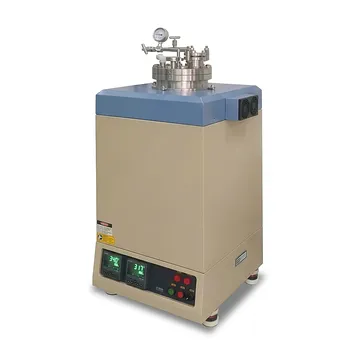
High Temperature 1000C Vacuum Furnace with 8 Inch ID Chamber for Material Sintering and Research Annealing
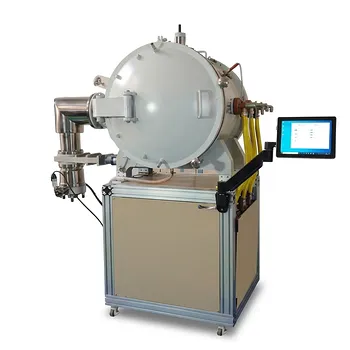
High Temperature Cold Wall Vacuum Furnace for Advanced Material Sintering and Annealing 1600C Heating Area 200x200x300mm
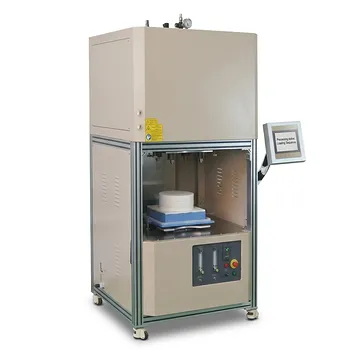
High Temperature Vertical Atmosphere Controlled Furnace with Automatic Bottom Loading and 1700°C Capacity for Advanced Material Research
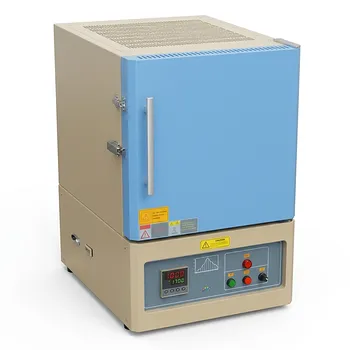
Large Bench Top 1700C High Temperature Muffle Furnace with 19L Chamber for Advanced Material Sintering and Annealing
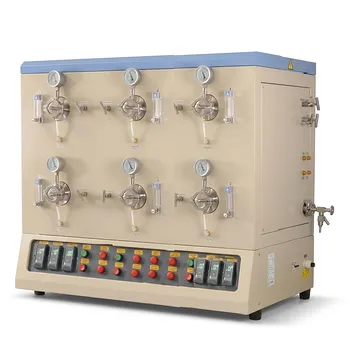
1200C High Throughput Multi Channel Tube Furnace with 50mm Quartz Tubes for Annealing and Material Phase Diagram Research
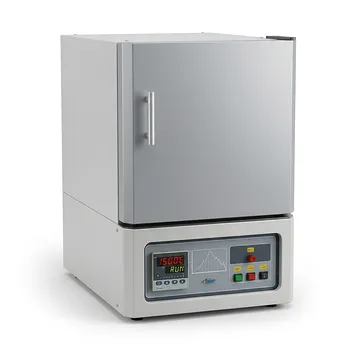
High Temperature 1500C Benchtop Muffle Furnace 3.6L Alumina Fiber Chamber Programmable Controller Sintering Annealing Carbonization Thermal Processing System
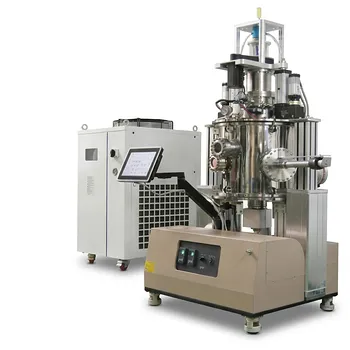
950C Rapid Thermal Processing Furnace for 12 Inch Wafer CSS Coating with Rotating Substrate Holder
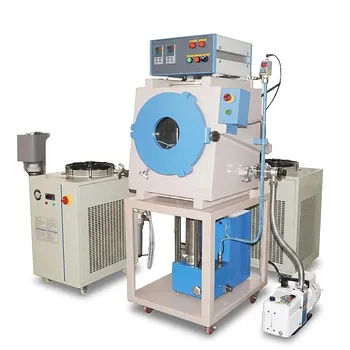
High Temperature Vacuum Lamination Hot Press Furnace Machine for Semiconductor Wafer Bonding and Advanced Composite Thermal Processing
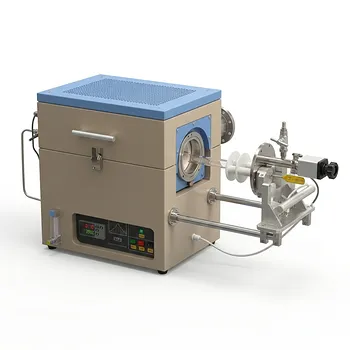
Compact Atmosphere Controlled Rapid Thermal Processing RTP Furnace with 4 Inch ID Quartz Tube 1100C
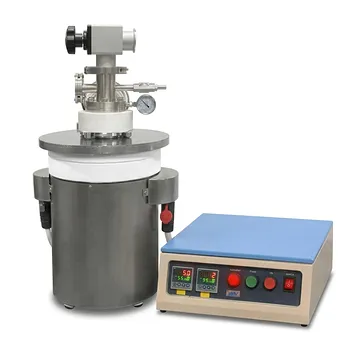
1100C High Temperature Vacuum Crucible Furnace with Quartz Chamber for Thermal Processing and Sintering
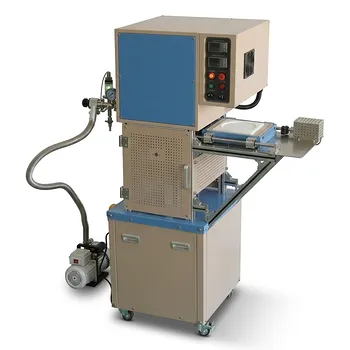
1200°C Bottom Loading Vacuum Furnace with Rapid Gas Cooling and 8.6 Inch Diameter Quartz Chamber
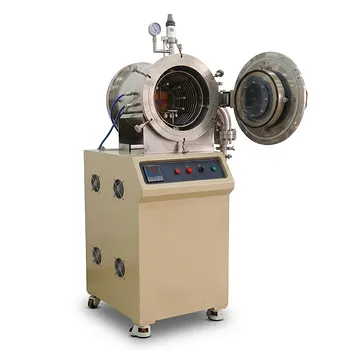
High Temperature Cold Wall High Vacuum Chamber Furnace 1400C for Advanced Material Processing
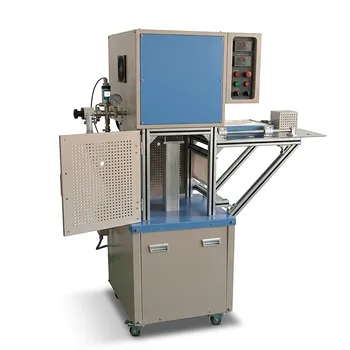
Bottom Loading Vacuum Furnace 1200C Rapid Cooling Atmosphere Control Quartz Chamber
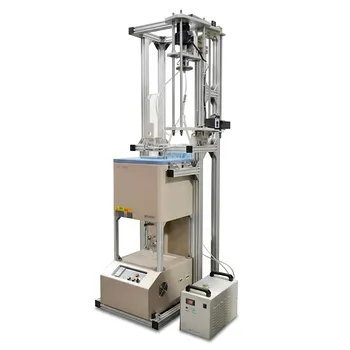
500C Vacuum Vertical Tube Furnace 84mm OD Sample Rotation Lifting System
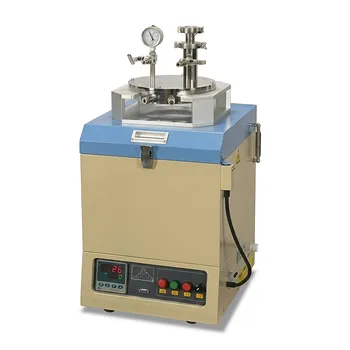
Vertical Vacuum Furnace 1100C High Temperature 8 Inch Quartz Chamber Water Cold Flange System

1750°C High Temperature Benchtop Vacuum Atmosphere Tube Furnace with Kanthal Super 1800 Heating Elements and 60mm Alumina Processing Tube
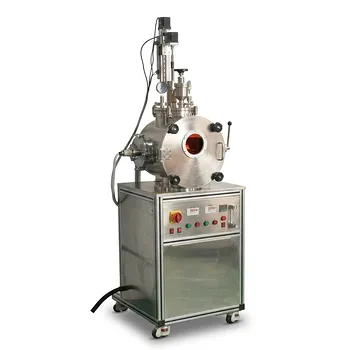
High Vacuum Melting Casting Furnace with Mechanical Stirring and Secondary Charge for Metallic Alloy Research
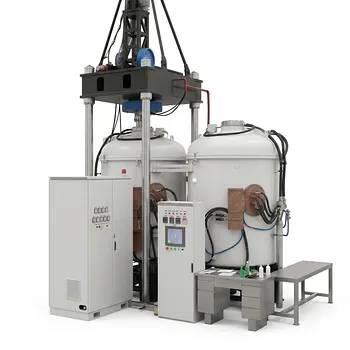
High Pressure 600T Vacuum Induction Hot Press Furnace for Advanced Material Heat Treatment and Sintering

Vertical 1700C Vacuum and Atmosphere Tube Furnace with 80mm Alumina Tube
