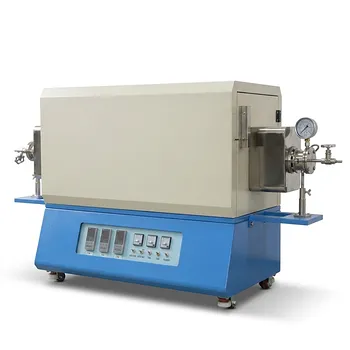
Why is Plasma-Enhanced Chemical Vapor Deposition (PECVD) used for temperature-sensitive materials? Low-Temp Film Growth
Updated 5 months ago
Plasma-Enhanced Chemical Vapor Deposition (PECVD) solves the "thermal budget" dilemma. It decouples the energy required for chemical reactions from the heat applied to the substrate. By using radio frequency (RF) or microwave-generated plasma to excite precursors, PECVD enables the growth of high-quality thin films at temperatures as low as 200°C to 400°C, preventing the melting or degradation of sensitive materials like polymers and specific metal alloys.
Core Takeaway: PECVD utilizes plasma energy rather than pure thermal energy to dissociate precursor gases, allowing for film deposition at significantly lower temperatures than traditional CVD. This makes it the essential choice for protecting heat-sensitive substrates from thermal damage, warping, and structural defects.
The Mechanism of Low-Temperature Deposition
Decoupling Energy from Heat
In traditional thermal CVD, the substrate must be heated to extreme temperatures (often 600°C to 900°C) to provide the activation energy for chemical reactions. PECVD replaces this heat with plasma energy, using RF or microwave sources to create a "cold" plasma environment.
Precursor Dissociation via Plasma
The plasma generates highly reactive radicals and ions by colliding electrons with gas molecules. These reactive species allow chemical reactions and film growth to occur at the substrate surface without requiring the high thermal energy typically needed for precursor dissociation.
Reducing Activation Energy
By providing energy through electromagnetic fields, PECVD significantly lowers the activation energy required for film formation. This shift allows for the deposition of dense, high-quality materials—such as silicon nitride or amorphous silicon—at temperatures that the underlying substrate can safely withstand.
Protecting Heat-Sensitive Substrates
Safeguarding Polymers and Plastics
Modern electronics often utilize polymer binders or plastic substrates that would melt or warp under standard CVD conditions. PECVD is essential for flexible electronics and wearable sensors, as it can deposit dielectric layers at temperatures low enough to maintain the integrity of these organic materials.
Managing Thermal Expansion Mismatch
When materials with different thermal expansion coefficients are heated and cooled, they expand and contract at different rates, leading to cracks or delamination. Because PECVD operates at lower temperatures, it minimizes mechanical stress and structural defects caused by these mismatches, improving the reliability of multi-layer stacks.
Preserving Metal Interconnects and Coatings
High temperatures can cause unintended diffusion or oxidation in metal layers like copper. PECVD allows for the deposition of anti-oxidation layers (like SiO2) or passivation films without damaging the underlying metal circuitry or altering its electrical properties.
Understanding the Trade-offs
Potential for Plasma Damage
While PECVD protects against heat, the high-energy ion bombardment inherent in plasma processes can sometimes cause physical damage to the surface of very delicate substrates. This requires careful tuning of the plasma power and frequency to balance film quality with surface protection.
Chemical Purity and Entrapment
At lower deposition temperatures, the chemical reactions may not always reach completion as efficiently as they do in high-heat processes. This can sometimes result in residual precursors or hydrogen incorporation within the film, which may affect the long-term stability or optical properties of the material.
Film Density and Stress
Films deposited at lower temperatures can occasionally be less dense than their high-temperature counterparts. Engineering the internal stress of the film is necessary during the PECVD process to ensure the layer does not curl or peel away from flexible substrates over time.
Selecting the Right Deposition Strategy
To achieve the best results with PECVD, your process parameters should align with the specific thermal and mechanical limits of your substrate.
- If your primary focus is flexible electronics or OLEDs: Use low-power RF PECVD to deposit encapsulation layers at near-room temperatures to prevent plastic warping.
- If your primary focus is semiconductor passivation: Prioritize PECVD silicon nitride (SiNx) to provide a robust moisture barrier while staying within the narrow thermal budget of metal interconnects.
- If your primary focus is preventing oxidation on metals: Utilize PECVD to deposit transparent SiO2, which blocks oxygen contact without the risk of thermal discoloration to the underlying copper or alloy.
By leveraging plasma energy, you can achieve sophisticated material growth while ensuring the structural and functional integrity of your most sensitive components.
Summary Table:
| Feature | Thermal CVD (Standard) | PECVD (Plasma-Enhanced) |
|---|---|---|
| Deposition Temp | High (600°C – 900°C) | Low (200°C – 400°C) |
| Energy Source | Pure Thermal Heat | Plasma (RF or Microwave) |
| Substrate Safety | Risk of warping/melting | High protection for heat-sensitive materials |
| Key Applications | High-temp ceramics/silicon | Polymers, flexible electronics, OLEDs |
Unlock Advanced Thermal Control with THERMUNITS
Maximize your laboratory's efficiency and protect your sensitive substrates with industry-leading technology from THERMUNITS. As a global leader in high-temperature laboratory equipment, we provide specialized solutions for material science and industrial R&D.
Whether you require high-performance CVD/PECVD systems for thin-film growth, or reliable Muffle, Vacuum, Tube, and Rotary furnaces, our equipment is engineered for precision. We also offer advanced solutions like Dental Furnaces, Hot Press furnaces, and Vacuum Induction Melting (VIM) systems to meet your most demanding heat treatment needs.
Ready to enhance your research outcomes? Contact us today to discuss your specific application and find the perfect thermal processing solution for your team!
Mentioned Products
- Inclined Rotary Plasma Enhanced Chemical Vapor Deposition PECVD System for Thin Film Deposition and Nanomaterial Synthesis
- Radio Frequency Plasma Enhanced Chemical Vapor Deposition RF PECVD System for Laboratory and Industrial Thin Film Growth
- Chemical Vapor Deposition CVD System Slide PECVD Tube Furnace with Liquid Gasifier PECVD Machine
- 1200C Max Compact Auto-Sliding PECVD Furnace with 2 Inch Tube and Vacuum Pump
- 1200C Dual Sliding Tube Furnace with Dual Tubes and Flanges for PECVD Processes
People Also Ask
- What types of materials can be deposited using PECVD systems? Explore Versatile Thin-Film Coating Solutions
- How does the non-equilibrium nature of plasma facilitate low-temperature deposition in PECVD systems? Pro Tips for R&D
- How is Plasma-Enhanced Chemical Vapor Deposition (PECVD) utilized in the production of photovoltaic solar cells? Study
- How do RF frequency and power settings influence the characteristics of a PECVD process? Master Quality & Efficiency
- What are the advantages of PECVD systems for nano flame retardant films? Protect Heat-Sensitive Polymers with Precision

Tech Team · ThermUnits
Last updated on Apr 14, 2026
Related Products
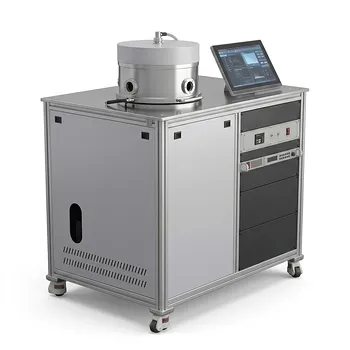
Inclined Rotary Plasma Enhanced Chemical Vapor Deposition PECVD System for Thin Film Deposition and Nanomaterial Synthesis
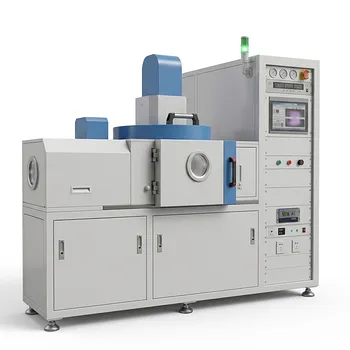
Radio Frequency Plasma Enhanced Chemical Vapor Deposition RF PECVD System for Laboratory and Industrial Thin Film Growth
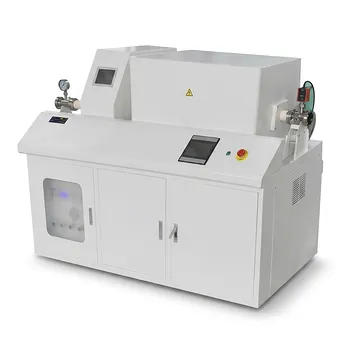
Chemical Vapor Deposition CVD System Slide PECVD Tube Furnace with Liquid Gasifier PECVD Machine
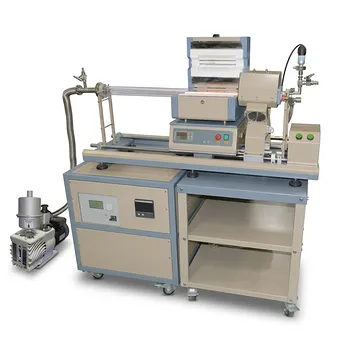
1200C Max Compact Auto-Sliding PECVD Furnace with 2 Inch Tube and Vacuum Pump
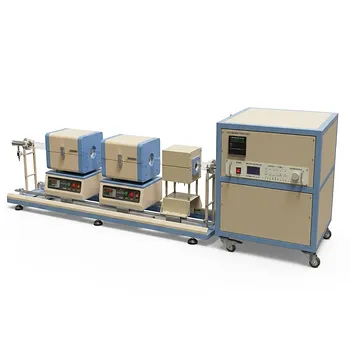
1200C Dual Sliding Tube Furnace with Dual Tubes and Flanges for PECVD Processes
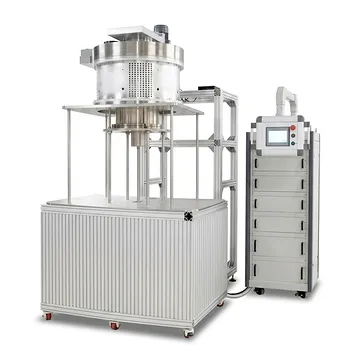
915MHz MPCVD Diamond Machine Microwave Plasma Chemical Vapor Deposition System Reactor
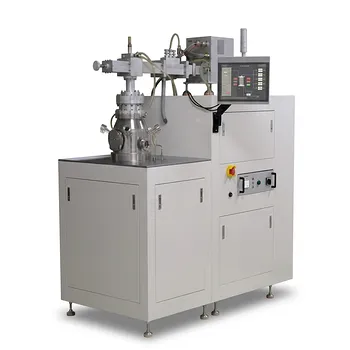
Cylindrical Resonator MPCVD Machine System for Microwave Plasma Chemical Vapor Deposition and Lab Diamond Growth
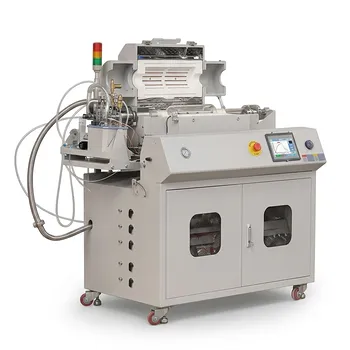
Versatile Chemical Vapor Deposition Tube Furnace System for Advanced Material Research and Industrial Coating Processes
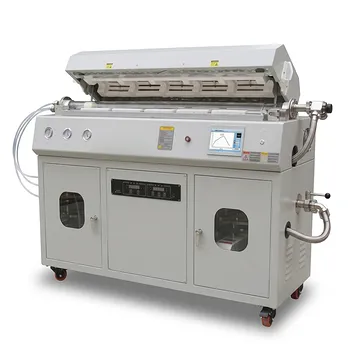
Multi Heating Zones CVD Tube Furnace System for Precision Chemical Vapor Deposition and Advanced Material Synthesis
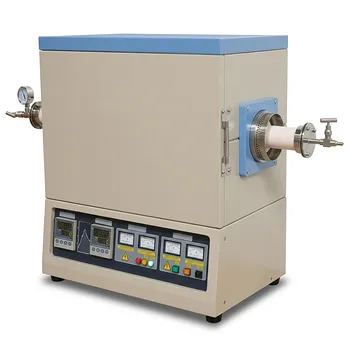
High Temperature 1700C Dual Zone Tube Furnace for Material Science and Industrial Chemical Vapor Deposition Research
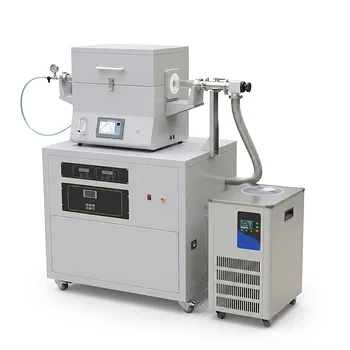
Split Chamber CVD Tube Furnace with Vacuum Station Chemical Vapor Deposition System Machine
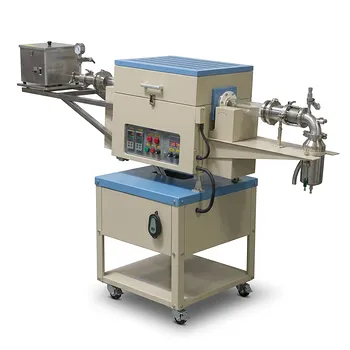
Two Zone Rotary CVD Furnace with Automatic Feeding and Receiving System for Powder Processing
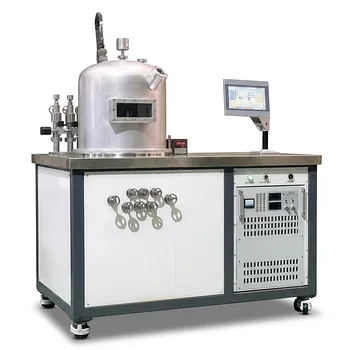
HFCVD Machine System for Nano Diamond Coating on Drawing Dies and Industrial Tools
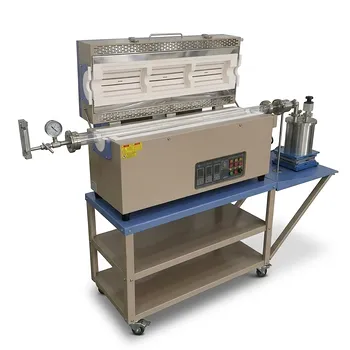
5 Inch Two Zone Rotary Tube Furnace 1100C for Powder CVD and Material Synthesis
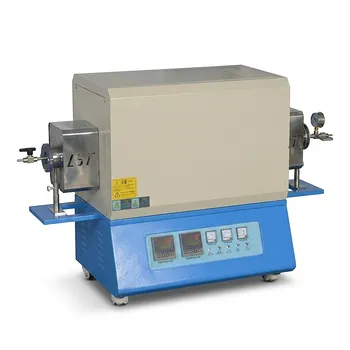
High Temperature Dual Zone Vacuum Tube Furnace for Material Research and CVD Processing
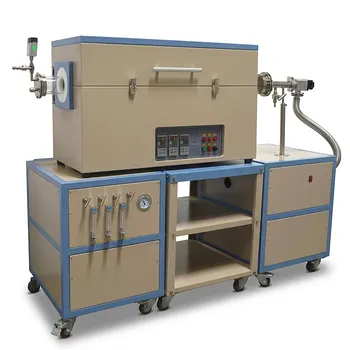
Three Zone Quartz Tube Furnace with 3 Channel Gas Mixer Vacuum Pump and Anti Corrosive Vacuum Gauge
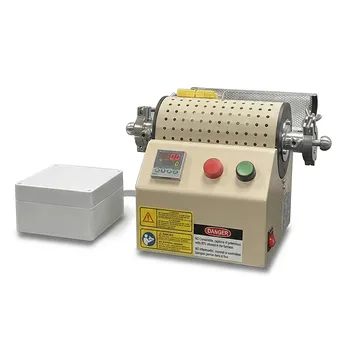
1000C Mini Tube Furnace with 20mm Quartz Tube and Vacuum Flanges for Material Science Research and Controlled Atmosphere Small Sample Processing
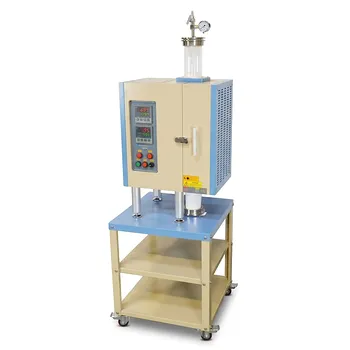
1100°C Dual Zone Split Vertical Tube Furnace with 4 Inch Quartz Tube and Vacuum Sealing Flanges